Importance of Gorilla Conservation
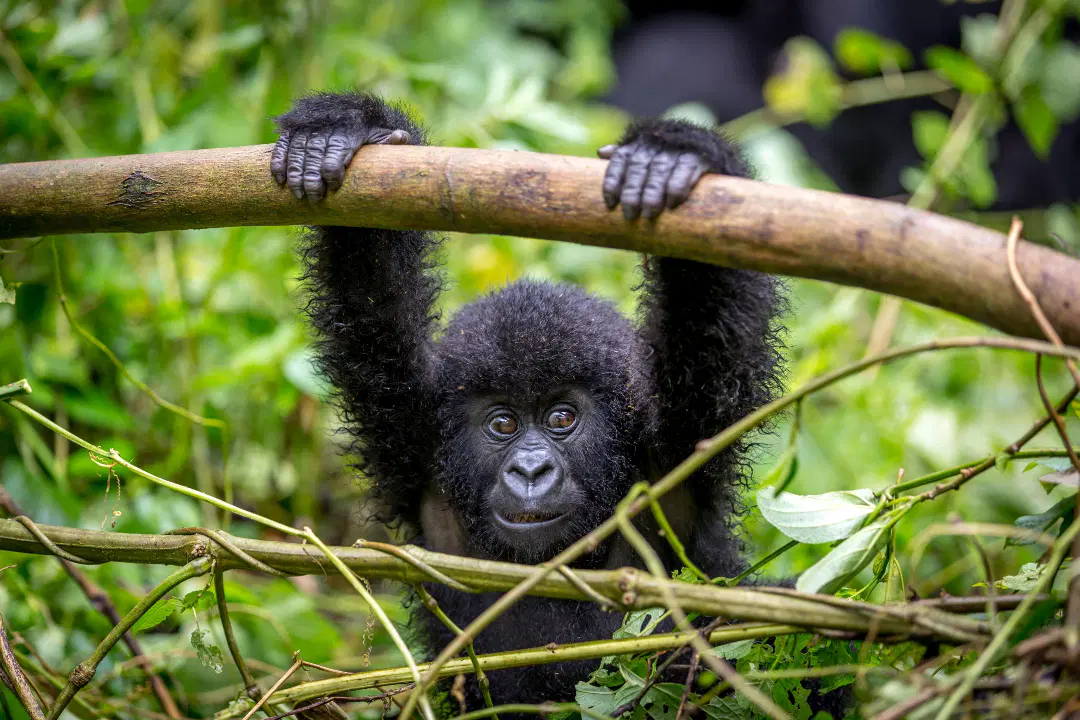
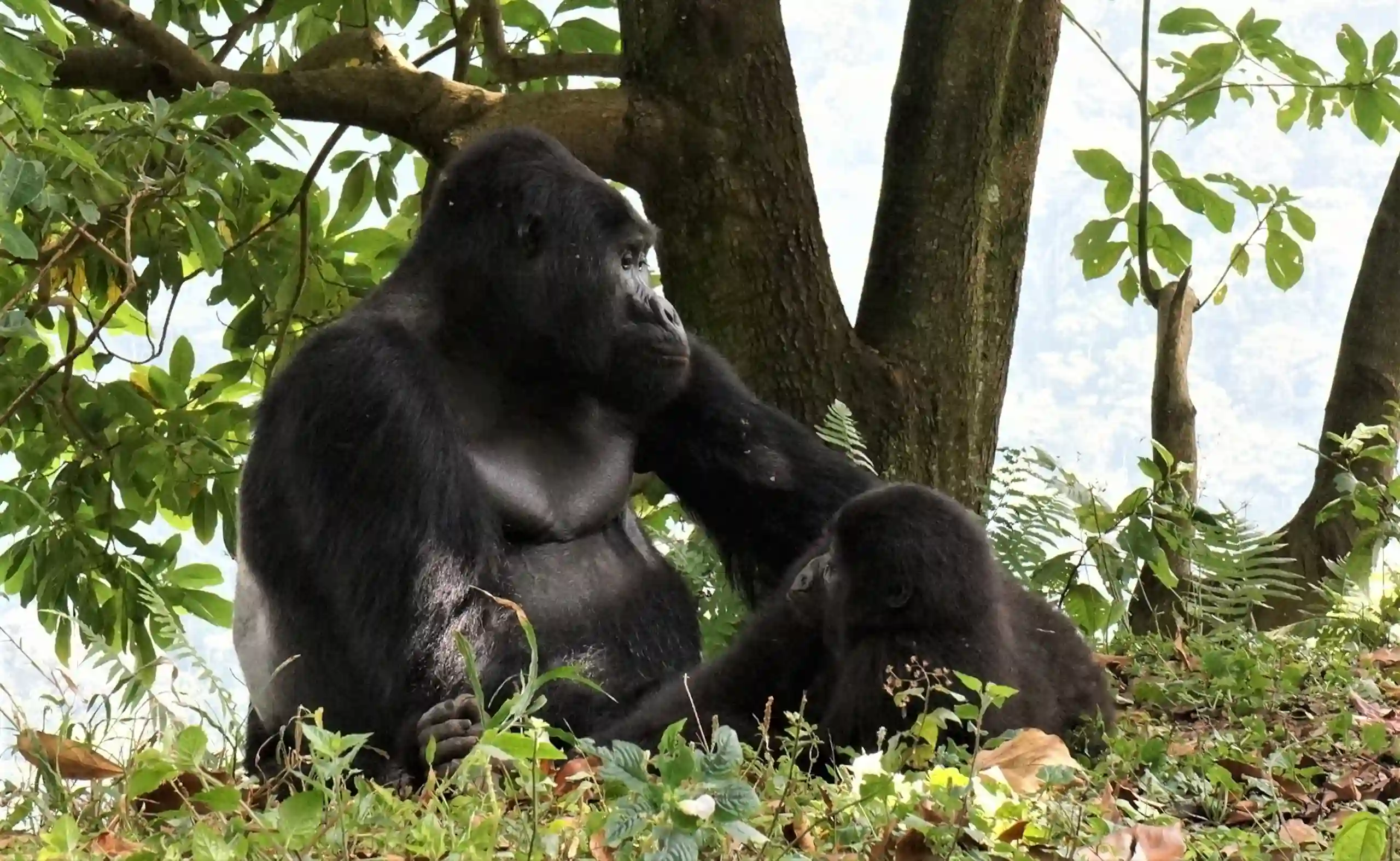
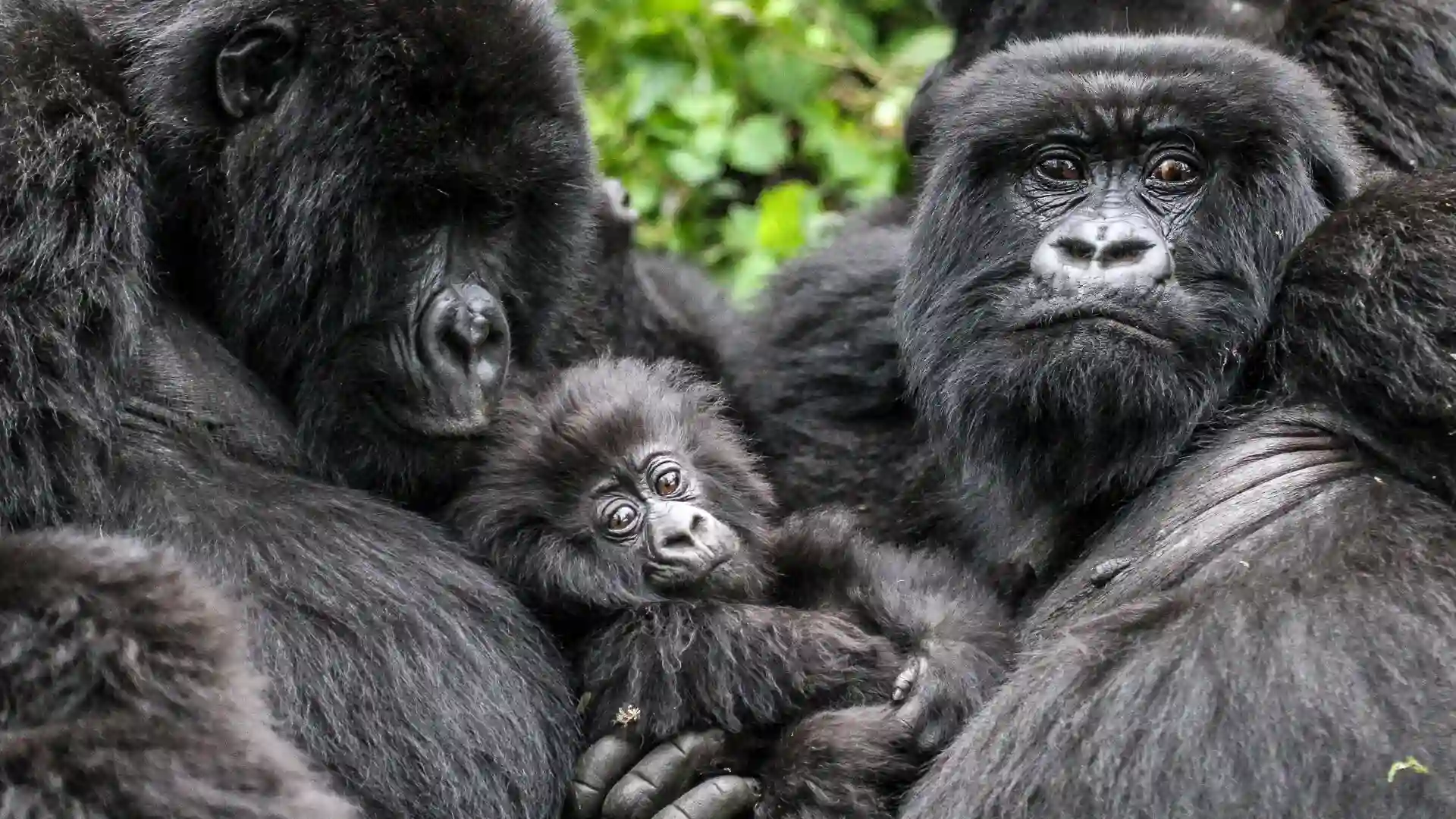
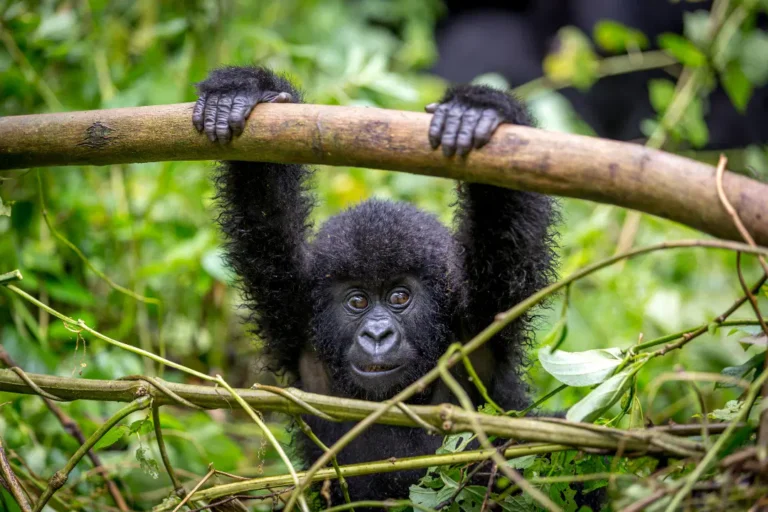
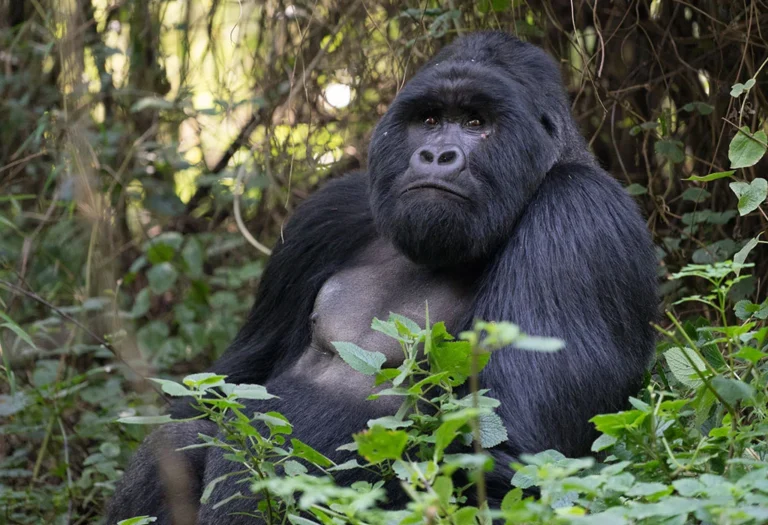
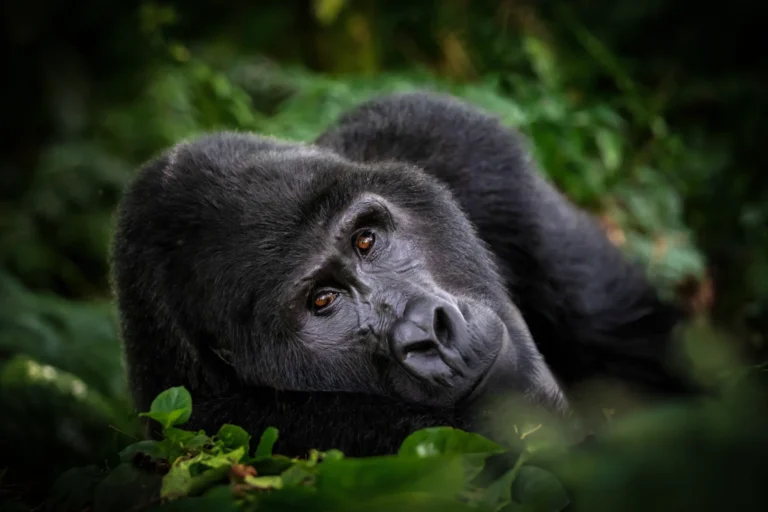
There are only slightly over 1,060 mountain gorillas left on Earth today, making them highly endangered species. Saving their lives must become one of our top priorities, as without our efforts they might disappear forever. One way we can help save mountain gorillas is through going for a gorilla trekking tour. It is not only a thrilling wildlife adventure but also generates money that goes towards protecting their natural habitats.
Financial Support through Tourism
In Uganda, revenue from gorilla trekking permits helps fund the work of the Uganda Wildlife Authority (UWA). This includes protecting national parks, monitoring gorilla families and conserving wildlife in their natural habitats.
A large part of this work involves anti-poaching patrols. Poaching remains a serious threat to gorillas, with illegal hunting driven mainly by greed. Many people work hard to protect these magnificent creatures from greedy poachers and the threat of extinction.
Funds generated through gorilla trekking help support anti-poaching units. Rangers regularly patrol the forests, looking for signs of illegal activities and protecting gorillas and other wildlife. The money collected from visitors who come to see the gorillas helps support these efforts.
Sadly, these protection efforts do not always prevent tragedy. In June 2020, a well-known silverback named Rafiki, who led the Nkuringo gorilla family in Bwindi Impenetrable Forest National Park, was killed by a poacher using a spear. His death was a great loss to the family and to Uganda’s gorilla conservation efforts. The man responsible, Felix Byamukama, later pleaded guilty and was sentenced to 11 years in prison. His case shows why protecting gorillas from illegal hunting remains so important.
Over the years, anti-poaching work and other conservation efforts have played an important role in the gradual growth of the mountain gorilla population. Without continued financial support, it would be much harder to protect the forests and provide a safe home for these animals.
Community Involvement
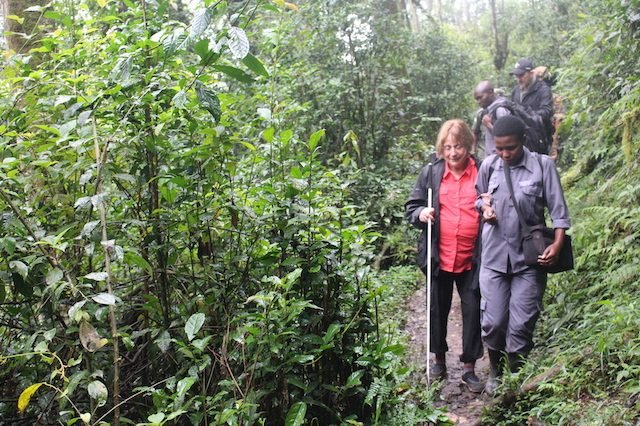
Through gorilla trekking tourism, local communities benefit from employment opportunities and schemes where a portion of the revenue flows back to the areas surrounding the parks.
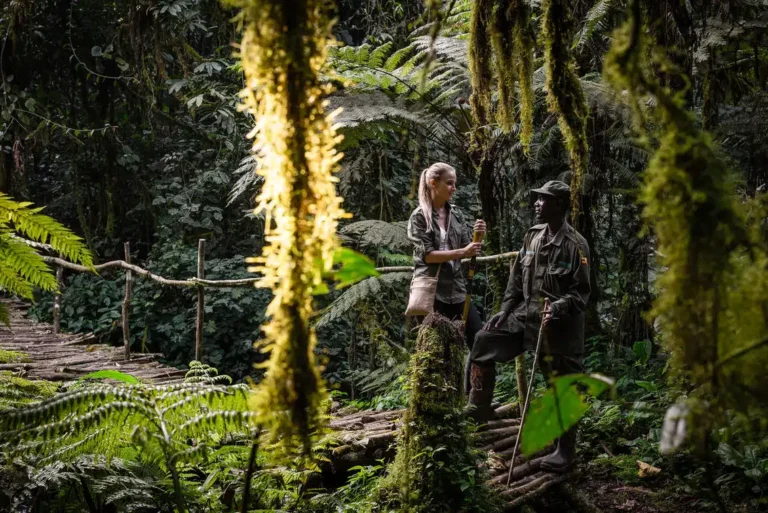
This includes employing local guides and porters, as well as supporting the construction of schools and health centres in villages near the parks.
Such initiatives serve two purposes: they create jobs and increase local incomes, while also helping people understand the importance of protecting wildlife.
By involving local communities in tourism and allowing them to benefit from it, they are encouraged both economically and psychologically to protect wildlife from harm.
We consider this very important. Nature conservation has a much greater chance of success in the long term when the people living around the parks actually benefit from it.
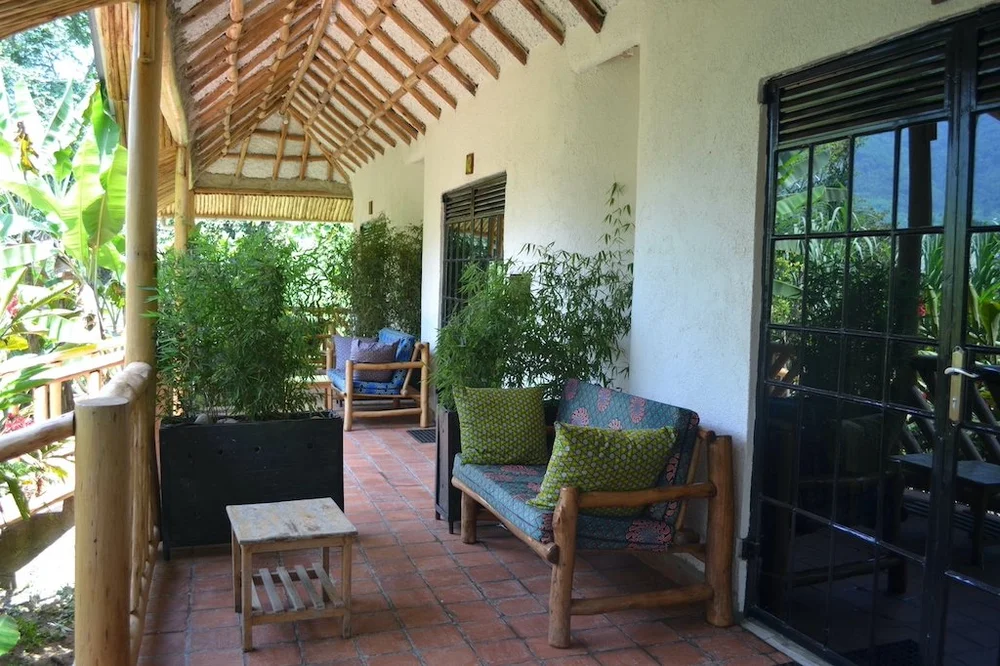
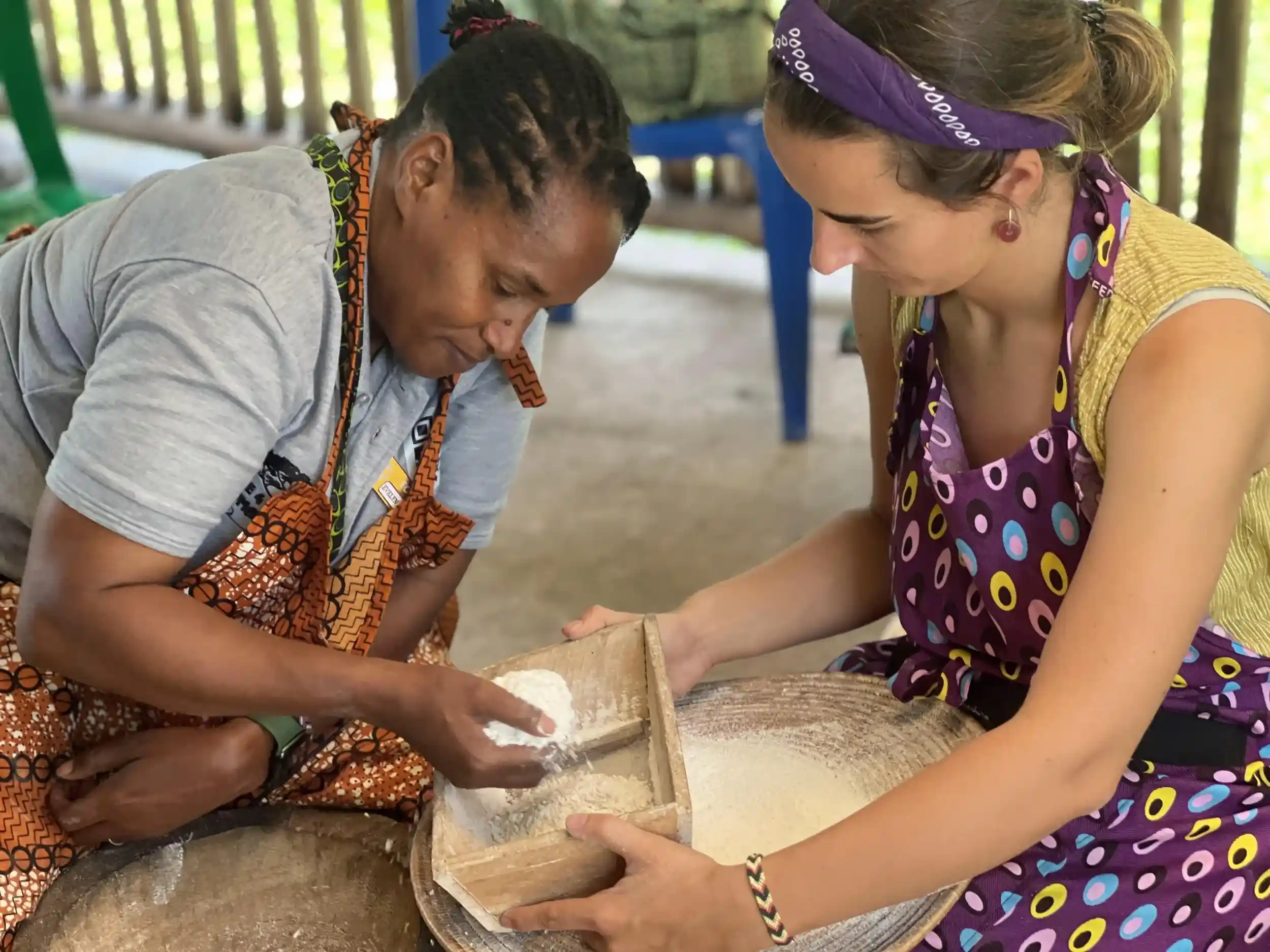
A good example of community involvement around Bwindi is Ride 4 A Woman, an organisation founded by Evelyn Habasa to support women in the communities around the forest. Its work gives women opportunities to develop skills, earn an income and benefit from tourism. After meeting the gorillas, you can stay a few more days in Buhoma and spend time with the local community. At Ride 4 A Woman, visitors can see the work being done in its textile workshop, where sewing machines are constantly in use. You can also learn how to weave a coaster from palm leaf fibres or join a cooking class to make local millet bread over a traditional three-stone fire. The organisation also offers guesthouse accommodation, with rooms decorated in colourful African fabrics. By taking part in these activities or staying at the guesthouse, you support the women and their work while getting to know another side of life around Bwindi.
Research and Monitoring
For mountain gorillas to survive in the long term, continuous research and close monitoring are essential. Gorilla trekking also provides an opportunity for researchers to study these animals in their natural habitat. The information collected helps guide conservation strategies and decisions aimed at protecting them from extinction. Monitoring programmes help conservation teams keep track of gorilla families, including where they move, how they behave and how their numbers change over time. This information makes it easier to identify potential threats and take action whenever necessary.
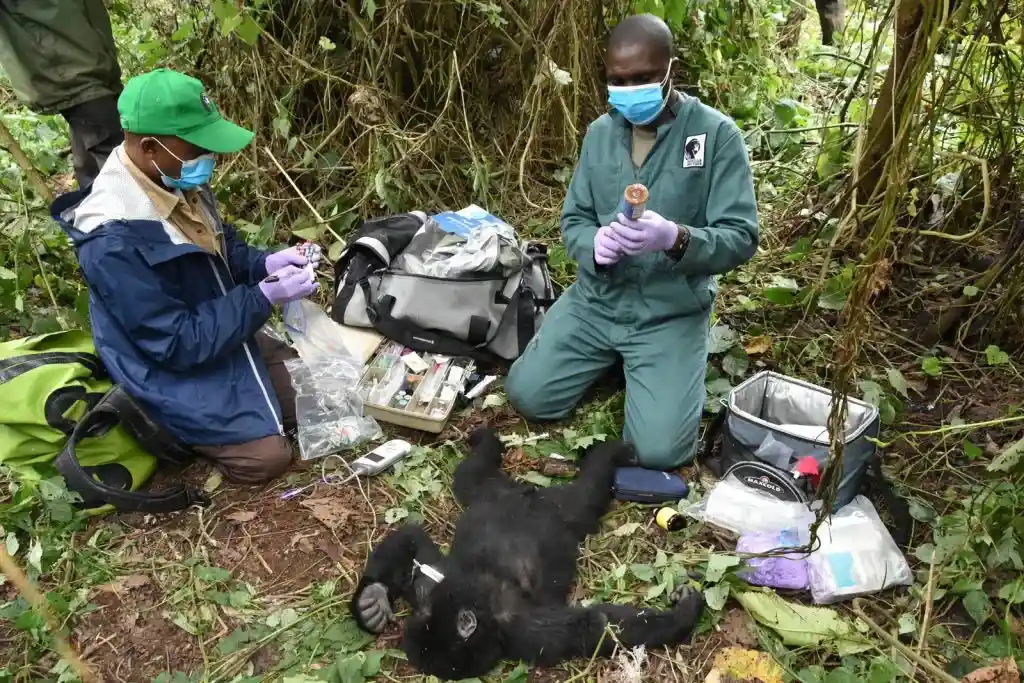
Several organisations are also involved in this important work. Gorilla Doctors, for example, has veterinary teams that regularly monitor the health of mountain gorillas and provide medical treatment when an animal is sick or injured. They also respond to injuries caused by snares set by poachers.
You can learn more about this work through an evening visit from a field veterinarian at your lodge, either before or after your gorilla trek. During this fireside talk, the veterinarian takes you behind the scenes and explains how the team protects these remarkable animals. It is a fascinating opportunity to understand the work involved in gorilla conservation. You may even look at your own gorilla trekking experience a little differently afterwards, knowing how much effort goes into protecting these animals.
Another good example is Conservation Through Public Health (CTPH), a Ugandan NGO founded by award-winning veterinarian and conservationist Dr Gladys Kalema-Zikusoka. The organisation works to safeguard the future of gorillas by improving the living conditions and livelihoods of local communities. Its approach recognises that the health of gorillas is closely connected to the health of the people and animals living around them. By improving community healthcare, promoting hygiene and helping prevent the spread of diseases between people, livestock and wildlife, CTPH contributes to the protection of mountain gorillas. Visitors to Bwindi can learn more about its work by touring the CTPH laboratory, where samples collected from gorillas are examined for microbes. You can also drop in for a coffee at its Gorilla Conservation Cafe or stay overnight in its comfortable and affordable en-suite guest rooms. Compared with the prices charged by luxury lodges, this can be a much more affordable way to stay near Bwindi while learning about community conservation at the same time.
Raising Awareness
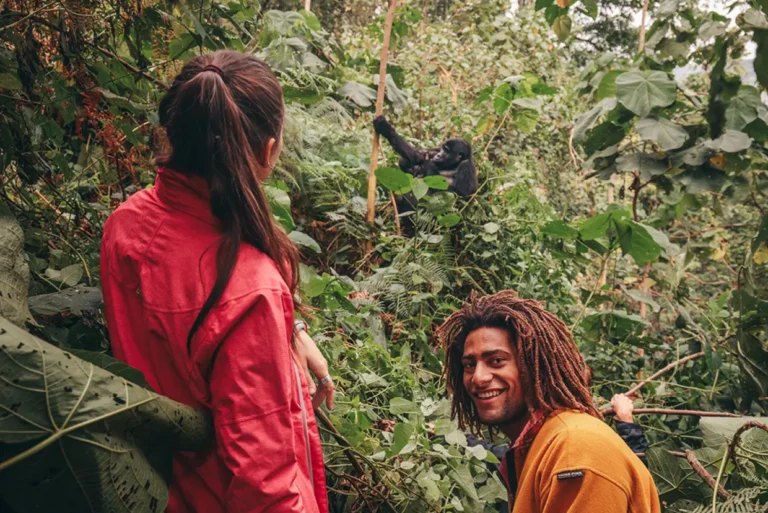
Gorilla trekking raises global awareness about the challenges facing these endangered animals. Visitors come from different parts of the world to see mountain gorillas in their natural habitat. After learning about the threats they face and the work involved in protecting them, many return home with a better understanding of why conservation matters. They share their experiences, photographs and stories with friends, family and followers, helping spread the message and encouraging more people to support gorilla conservation.
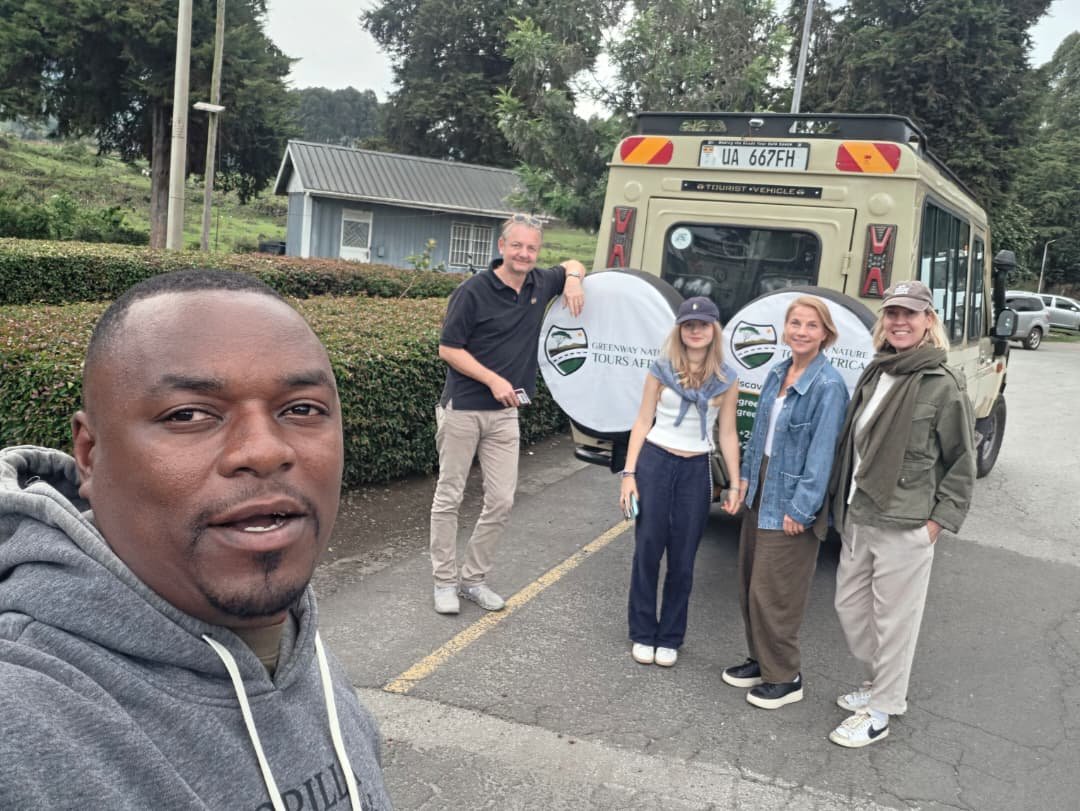
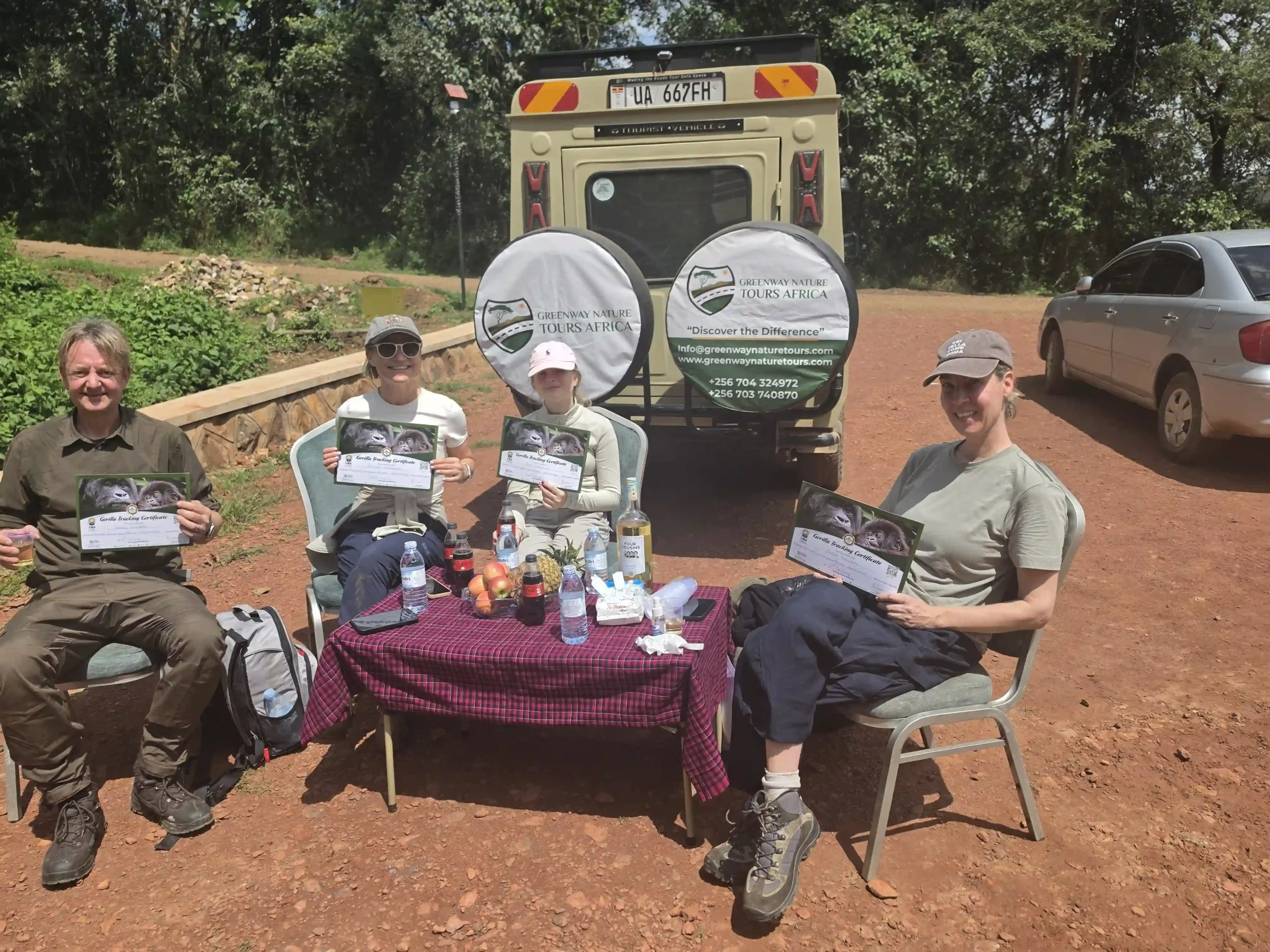
Sometimes, these stories reach a much wider audience through the media. We saw this with clients who travelled with our other company, Greenway Nature Tours in October 2026. Austrian ORF news anchor Nadja Bernhard and popular actress Kristina Sprenger received media attention in Austria after their gorilla trekking experience in Bwindi Impenetrable National Park. Their experience brought further attention to Uganda’s mountain gorillas and the opportunity to see them in their natural habitat.
Gorilla trekking is therefore about much more than spending an hour with a gorilla family in the forest. The money it generates helps fund conservation, tourism creates opportunities for local communities, and visitors help spread awareness about the importance of protecting these animals. In this way, a single visit can have an impact that reaches far beyond the forest.
Frequently Asked Questions
Is gorilla trekking ethical?
Yes, gorilla trekking in Uganda is well-managed and ethical. In fact, it is a key reason mountain gorilla have recovered from fewer than 620 individuals in 1989 to more than 1,000 today. Permit revenue funds rangers, veterinary care and anti-poaching work, while Uganda directs 20% of park gate revenue and revenue to local communities. The key is travelling with operators who source permits officially and benefit local people.
What habituation means for gorilla welfare?
Gorilla habituation is a gradual process through which wild gorilla families become accustomed to the presence of humans. It usually takes two or more years and is carefully managed by park rangers and researchers. Habituation does not mean domestication. The gorillas remain wild and continue to live naturally in their forest habitat. Only families that have become sufficiently calm and comfortable around people are opened to regular gorilla trekking tourism.
This helps make visits safer for both the gorillas and the visitors. If you would like to learn more about this process, you can take part in the Gorilla Habituation Experience in the Rushaga Sector of Bwindi Impenetrable National Park. This allows you to spend more time with a gorilla family that is still undergoing habituation. The experience costs USD 1,500 per person.
What the gorilla trekking rules are and why they exist?
Gorilla trekking follows a set of rules established by Uganda Wildlife authority. These rules are there to protect the gorillas from diseases that can pass between humans and wildlife, as well as from unnecessary disturbance. Mountain gorillas are vulnerable to some human illnesses, particularly respiratory infections, so even small precautions matter.
In Uganda, a maximum of eight visitors is allowed to visit a gorilla family each day. Once you find the gorillas, you can spend up to one hour observing them, while keeping a minimum distance of seven metres. Anyone showing signs of illness, including a cough, cold or other respiratory symptoms, may be asked not to take part in the trek. Visitors must also wash their hands before and after the trek.
While with the gorillas, flash photography is not allowed, and you should avoid sudden movements or loud behaviour. All food and rubbish must be carried out of the forest to keep the gorillas’ habitat clean and prevent them from becoming interested in human food. These rules are explained before the trek and enforced by trained park rangers and guides in the forest.
Visit gorillas in uganda
For many travellers, gorilla trekking is one of the highlights of a safari in Uganda. But your visit means more than spending an hour with a gorilla family. It also helps support conservation efforts, creates opportunities for local communities and raises awareness about protecting these endangered animals. Choosing the right tour operator is part of making your visit responsible. At Choose Uganda Safaris, we obtain gorilla permits directly from the Uganda Wildlife Authority (UWA), and our safaris create employment opportunities for local guides, drivers and porters. As a Ugandan team, we know Bwindi and can help you choose the right trekking sector, accommodation and travel arrangements.
Would you like to combine gorilla trekking with other primates and wildlife? Explore our Uganda primate tours or get in touch with us. We would be happy to help you plan your trip.