Categories
- Accommodation
- Accommodation at Kibale Forest
- Active
- Active Tour Lodges
- Best Bwindi Guides
- Best Lodges
- Best Luxury
- Birding Guides
- Budget accommodation at Kibale
- Budget accommodation in Uganda
- Budget Hotels in Entebbe
- Budget Murchison Falls Accommodation
- Bwindi Guides
- Bwindi Lodges
- Bwindi National Park Guides
- Culture
- Culture & Nature
- Entebbe Hotels
- Exclusive Lodges In Bwindi
- Exclusive Lodges In Murchison Falls National Park
- Exclusive Lodges in Queen Elizabeth National Park
- Family
- Family Friendly Lodges
- Family Guides
- Good lodges
- Gorilla Guides
- Gorilla Trekking
- Gorilla trekking guides
- Gorilla treks
- great blogs
- Guides
- Health Travel Informations
- High End Accommodation At Kibale
- Jinja Accommodation
- Kampala Hotels
- Kibale
- Kibale Guides
- Lake Mburo National Park lodges
- Lodges in Mgahinga
- Luxury accommodation at Kibale
- Luxury Accommodation in Queen Elizabeth National Park
- Luxury Accommodation Options
- Luxury Hotels In Entebbe
- Luxury Lodges In Bwindi
- Luxury Murchison Falls Accommodation
- Midrange accommodation at Kibale
- Midrange Hotels In Entebbe
- Midrange Lodges In bwindi
- Midrange Murchison Falls Accommodation
- Murchison Falls Guides
- Murchison Falls Lodges
- Murchison Lodges
- Nature and Culture lodges
- News
- News and Blogs
- People and culture
- Popular
- Practical tips
- Primate Lodges
- Primates
- Queen Elizabeth Guide
- Queen Elizabeth National Park Accommodation
- Queen Guides
- Related
- Related active
- Related animals
- Related waters
- Semi Luxury Lodges In Bwindi
- Semi-Luxury Entebbe Hotels
- Travel Guide
- Travel Inspirations
- Uganda Honeymoon Lodges
- Uncategorized

Let me introduce myself
We're Choose Uganda Safaris
A group of seasoned Uganda safari experts based in Kampala. We are builders. Entrepreneurs. Travelers. Adventurers. We love beautiful places. And those beautiful places become even more beautiful when we can share them with others. That is why we organize safaris in Uganda. So, if you are considering coming this way for your dream trip, call, text, or email us. We’ll help you get started.
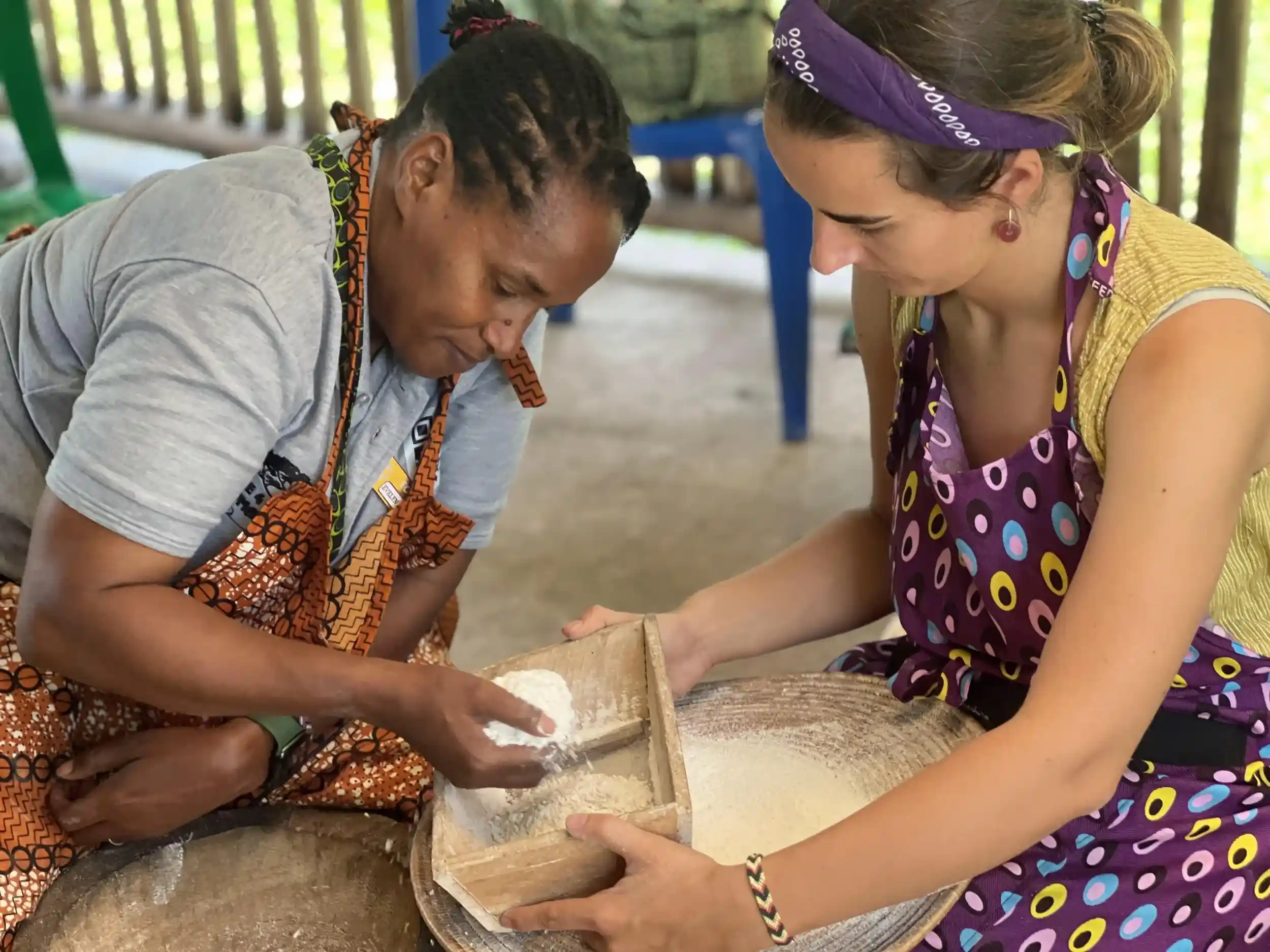

We Will arrange everything
A safari to Uganda can feel daunting for many people.
We understand that. That is why, with us, it all begins with a good conversation. We want to hear what you dream of. We want to know what you imagine and what truly matters to you.
From there, we create a wonderful itinerary made just for you. We plan every detail with care. When everything feels right and your heart skips with excitement, our team gets to work. From accommodation and activities to your driver and guide, we take care of it all. You simply look forward to your adventure.
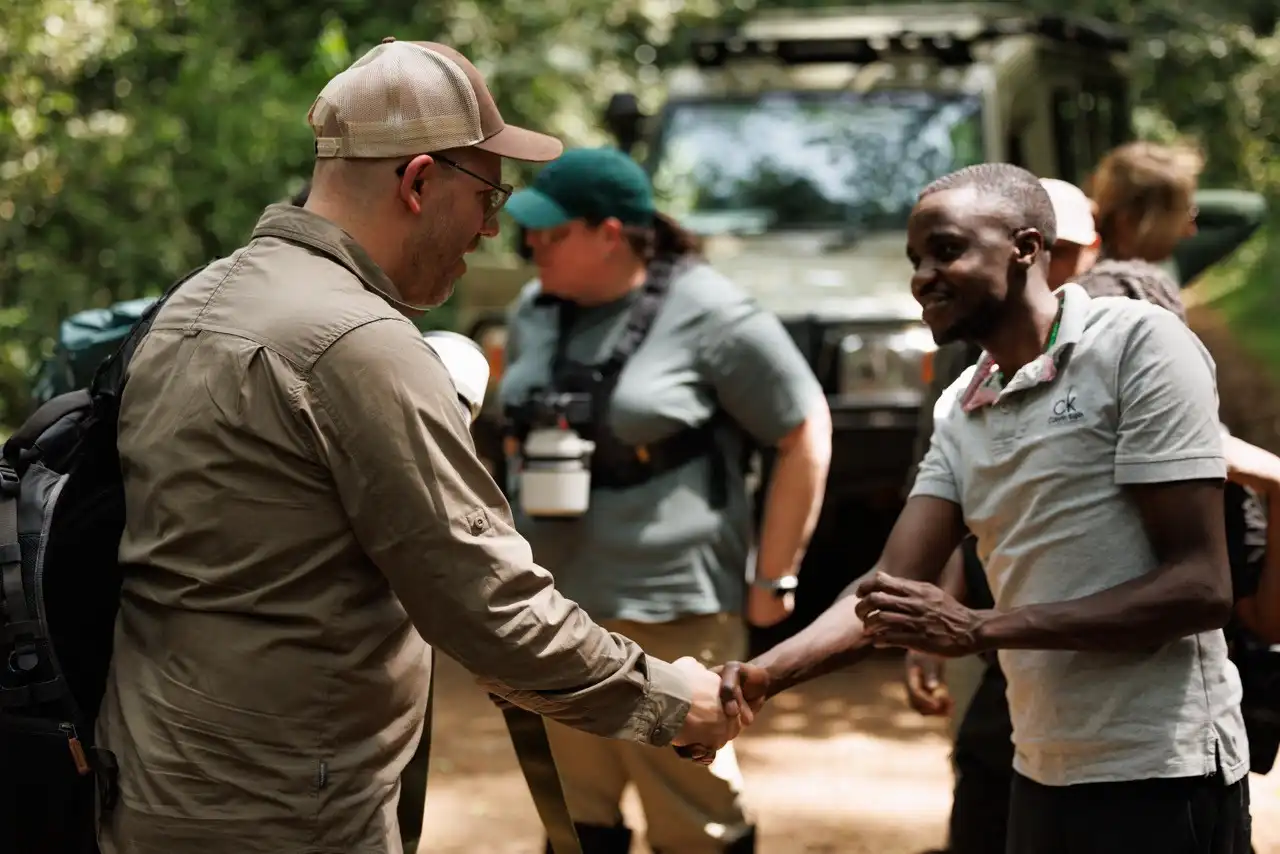
Uganda is Home
We are Ugandans. We work locally from our hub in Kampala.
We are not just a team. We are a family. And that is one of our greatest strengths. We know Uganda inside and out. We know the hidden gems, the most special places, and the rich culture. We understand how things work here and how to get things done smoothly.
Because we are on the ground, we respond quickly and plan with care. This local knowledge helps us create journeys that feel real and meaningful. That is how we make sure you enjoy nothing less than the most beautiful experience.
Frequently Asked Questions
A safari to Uganda is not something you take lightly. It is a special destination, and that requires an organization that truly suits you. To help with that choice, we have already answered the most frequently asked questions for you below
How the price of a safari is calculated?
The price of a safari comprises several components that together determine the final experience. These include accommodations, transport, the tour guide, activities, permits such as gorilla and chimpanzee trekking, and the way the trip is structured.
What sometimes makes it difficult is that two safari package proposals can seem similar on paper, while the content in practice can differ significantly.
A few examples of where those differences often lie:
Accommodations: The location, small scale, and level of comfort have a significant influence on both the price and the experience.
Local execution: Are you working with a remote party, or with a team based in Uganda itself that organizes the trip entirely?
Tour guide and vehicle: The experience of the guide, the condition of the vehicle, and the level of service along the way largely determine how the trip feels.
Structure of the route: More rest and a logical distribution of activities make for a more enjoyable trip, but also affect the costs.
What is and isn’t included. Not all providers include the same things in the price. That sometimes makes comparing more difficult than it seems.
For many safari providers, it is all about standard routes and scale. Safaris are booked in advance and executed locally by partners the traveler does not know personally. This can be efficient, but often lacks personal coordination and flexibility along the way.
We deliberately choose a different approach. Everything is custom-designed and executed locally. You always set out with an experienced, in-house trained tour guide who makes your tour so much more valuable. As a result, we know exactly what is happening, can make adjustments where necessary, and ensure that the trip truly aligns with your wishes. Ultimately, it is not about the cheapest tour, but about the right tour. And that simply has to be right.
Which vehicles do you use during the tour?
During our safaris, we mainly use Toyota Land Cruisers that are specially built for African safari conditions. They are comfortable, reliable, and perfect for Uganda’s paved and unpaved roads.
We choose the vehicle that best suits your itinerary and group size. Most safaris use a 4×4 Land Cruiser with a pop-up roof, giving everyone an excellent view during game drives. For longer journeys or larger groups, we use extended versions with extra space and comfort.
All our vehicles are well maintained and equipped with charging points, so you can easily charge your phone, camera, or other devices along the way. Large windows and comfortable seats make every drive more enjoyable, whether you are crossing the savannah or travelling through the countryside.
A good safari vehicle makes a big difference. It keeps you comfortable on long drives and gives you the best possible wildlife viewing experience.
Who is Choose Uganda Safaris?
Choose Uganda Safaris is a local tour operator based in Uganda. We started with one simple goal: to help travellers discover the very best of our country through carefully planned, tailor-made safaris. Today, we are a passionate team of local travel experts who know Uganda inside out.
We design every itinerary ourselves and manage every trip from start to finish. Our mission is simple: to create unforgettable journeys that showcase the beauty, wildlife, and culture of Uganda while giving you a smooth, personal, and authentic travel experience.
Are the tailor-made trips really tailor-made?
Yes. Every safari we organize is designed around you. All tour packages on our website can be tailored to your interest. They are just inspirations. We take the time to understand your interests, travel style, pace, and budget before creating your itinerary.
We also believe the best recommendations come from personal experience. That is why we regularly explore new destinations, test activities, stay at the lodges we recommend, and experience the restaurants ourselves. We are always looking for the places and experiences that truly stand out.
Because we know Uganda so well, from its famous national parks to its hidden corners, we can design a safari that feels personal, authentic, and perfectly suited to you.
What makes us different from other travel providers?
We are a local tour operator based in Kampala, Uganda. We know the country inside out because this is our home. We work directly with lodges, national parks, and local communities every day.
We design every safari ourselves and manage it from start to finish. We do not hand your trip over to another company after you book. That means better communication, better quality control, and a smoother travel experience.
We also recommend places we know personally. We have stayed in the lodges, driven the routes, and experienced the activities ourselves. That allows us to recommend what is genuinely worth your time, not just what looks good on paper.
Many travel companies sell safaris from overseas and rely on local partners to deliver them. That can work well, but it often results in standard itineraries with less flexibility and less personal attention.
We do things differently. Every safari is private and tailor-made. We take the time to understand how you want to travel and design an itinerary around your interests, pace, and budget.
Our local knowledge, in-house operation, and personal service are what make Choose Uganda Safaris different.
Do you also organize scheduled group tours?
No. We only organize private, tailor-made safaris in Uganda. Every trip is designed around your interests, travel style, and pace, giving you the flexibility to enjoy Uganda your way.
If you are travelling with family, friends, or another private group, we will create one itinerary for everyone. Your group will have its own private vehicle and dedicated tour guide throughout the trip.
We choose to focus on private safaris because they offer a more personal, comfortable, and flexible travel experience. That means no fixed schedules, no waiting for strangers, and more freedom to enjoy every moment.
Do you also organize safaris to Rwanda, Kenya, or Tanzania?
Our main focus is Uganda. It is our home, and it is the country we know best. Because we are based here, we can organize every safari ourselves and make sure everything runs smoothly from start to finish. In some cases, travelers combine their tour of Uganda with, for example, Zanzibar or a short extension in Rwanda. In such situations, we are naturally happy to help find a suitable combination.
Do I need to arrange anything myself?
We take care of almost everything, so you can travel with confidence. Planning a safari can feel overwhelming, and we understand that. That is why every trip starts with a personal conversation. We want to understand what you would like to see, how you want to travel, and what matters most to you.
Based on your wishes, we create a tailor-made itinerary. Once you are happy with the plan, our local team takes care of the rest. We arrange your accommodation, permits, transport, activities, and your experienced driver-guide.
The only thing you need to book yourself is your international flight. This gives you the freedom to choose the airline, schedule, and price that suit you best.
From the moment you arrive in Uganda until the day you leave, we make sure everything runs smoothly, so you can simply relax and enjoy your safari.
Any other questions?
Uganda Safari Packages

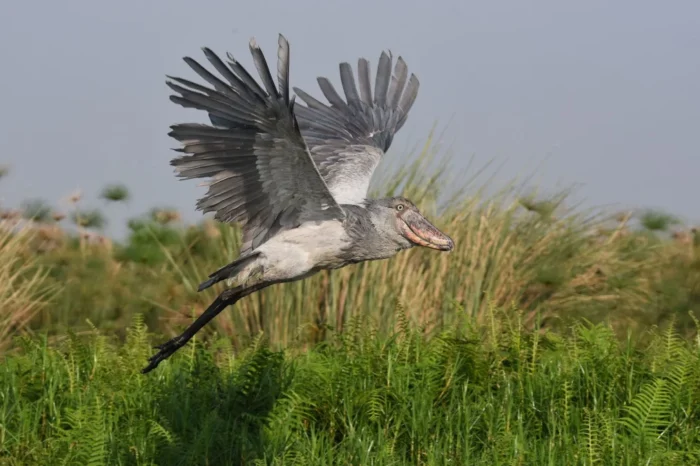
6-Day Uganda Fly-In Safari: Mabamba, Murchison & Ziwa
Entebbe - Mabamba Swamp Shoebills - Entebbe – Murchison Falls National Park – Ziwa Rhino and Wildlife Ranch - Entebbe

Top Pick
From $6560 per person
14 Day Tour of Uganda: Two weeks in Uganda
Entebbe - Mabamba - Ziwa - Murchison Falls - Kibale Forest - Queen Elizabeth National Park - Bwindi - Lake Mburo - Entebbe
New Trip
From $5964 per person
12-Day Best of Uganda Safari: all the must-see parks
Entebbe - Mabamba - Ziwa - Murchison Falls - Kibale Forest - Queen Elisabeth National Park - Bwindi National Park - Lake Mburo - Entebbe

Those few weeks you will never forget
Contact
Follow us on
Safaris BY Type
1
Chat