Lake Mburo National Park

The perfect place for an active safari in Uganda

Lake Mburo National Park

Lake Mburo National Park is one of the easiest safari destinations to reach in Uganda. It is just a four-hour drive from Kampala and a great stop before or after gorilla trekking in Bwindi. It is the smallest savanna national park in Uganda. But that’s not why people love it. They come here because the safari feels different. Instead of driving around and spot animals from a distance, you can wal with a ranger, cycle through the park, or even ride a horse among the wildlife. You get very close to the wildlife. Add the park’s five lakes, open savanna, acacia woodland, and rich wetlands, and you have one of the most relaxing and active safari experiences in Uganda.

6 things you need to know about Lake Mburo

Before we dive into the details and tell you everything about the landscape, the animals, and the activities you can do in Lake Mburo National Park, we have six facts for you first:

  1. Lake Mburo is 260km2 in size – making it the smallest savannah park in Uganda.
  2. You can enjoy all kinds of active safari experiences that aren’t possible anywhere else: walking safaris, mountain bike safaris, and horseback riding safaris.
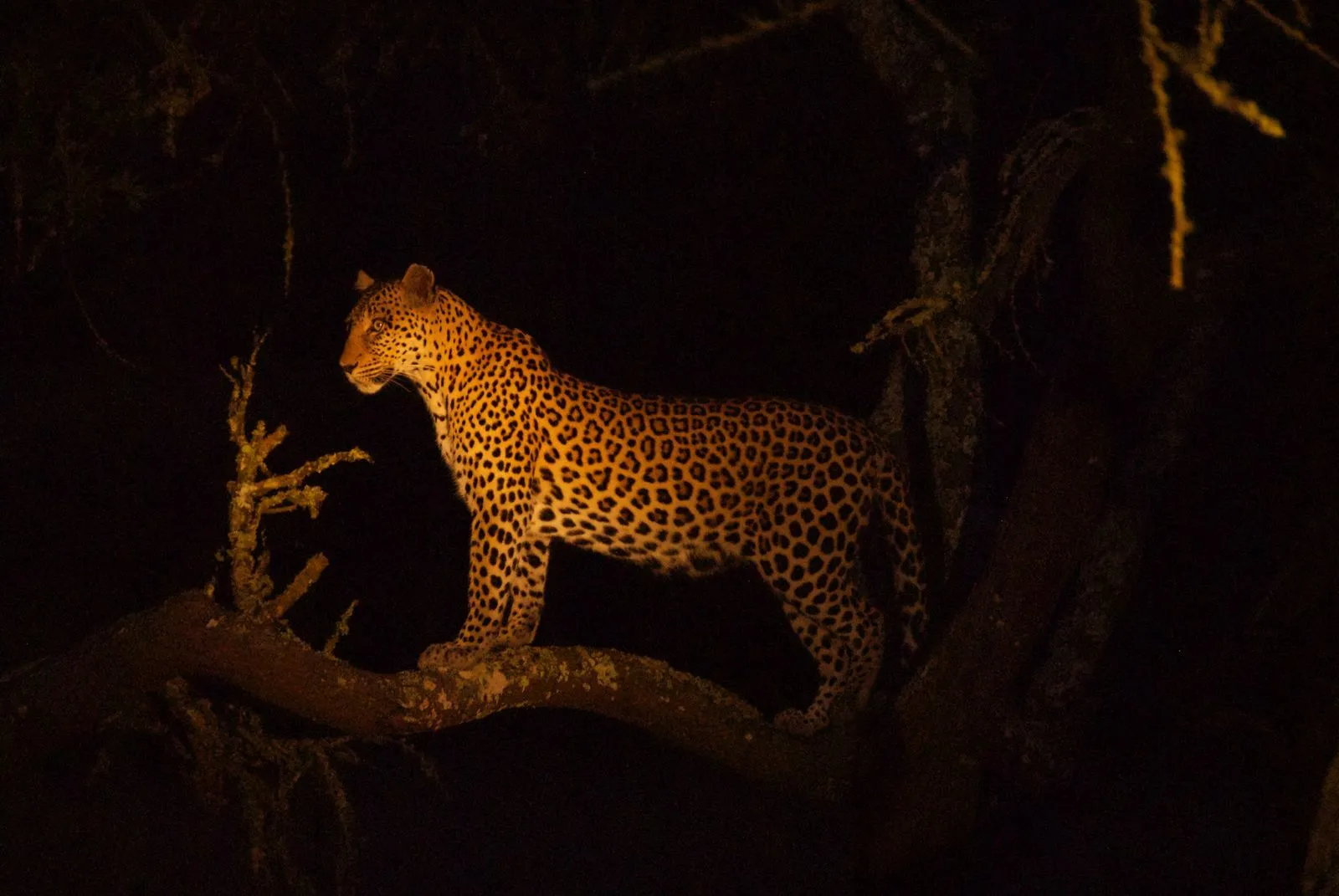
  3. Lake Mburo National Park has Uganda’s large leopard population.
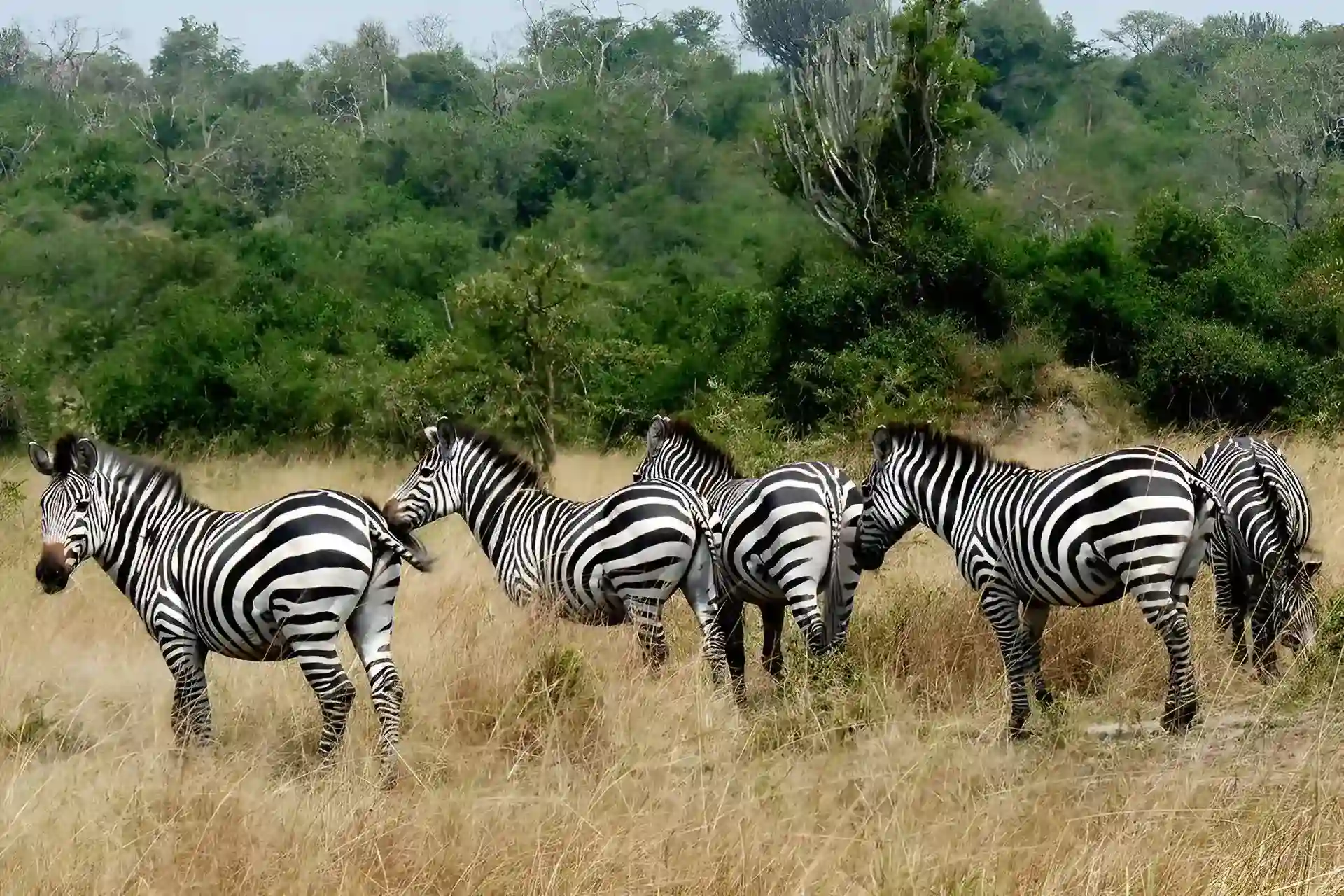
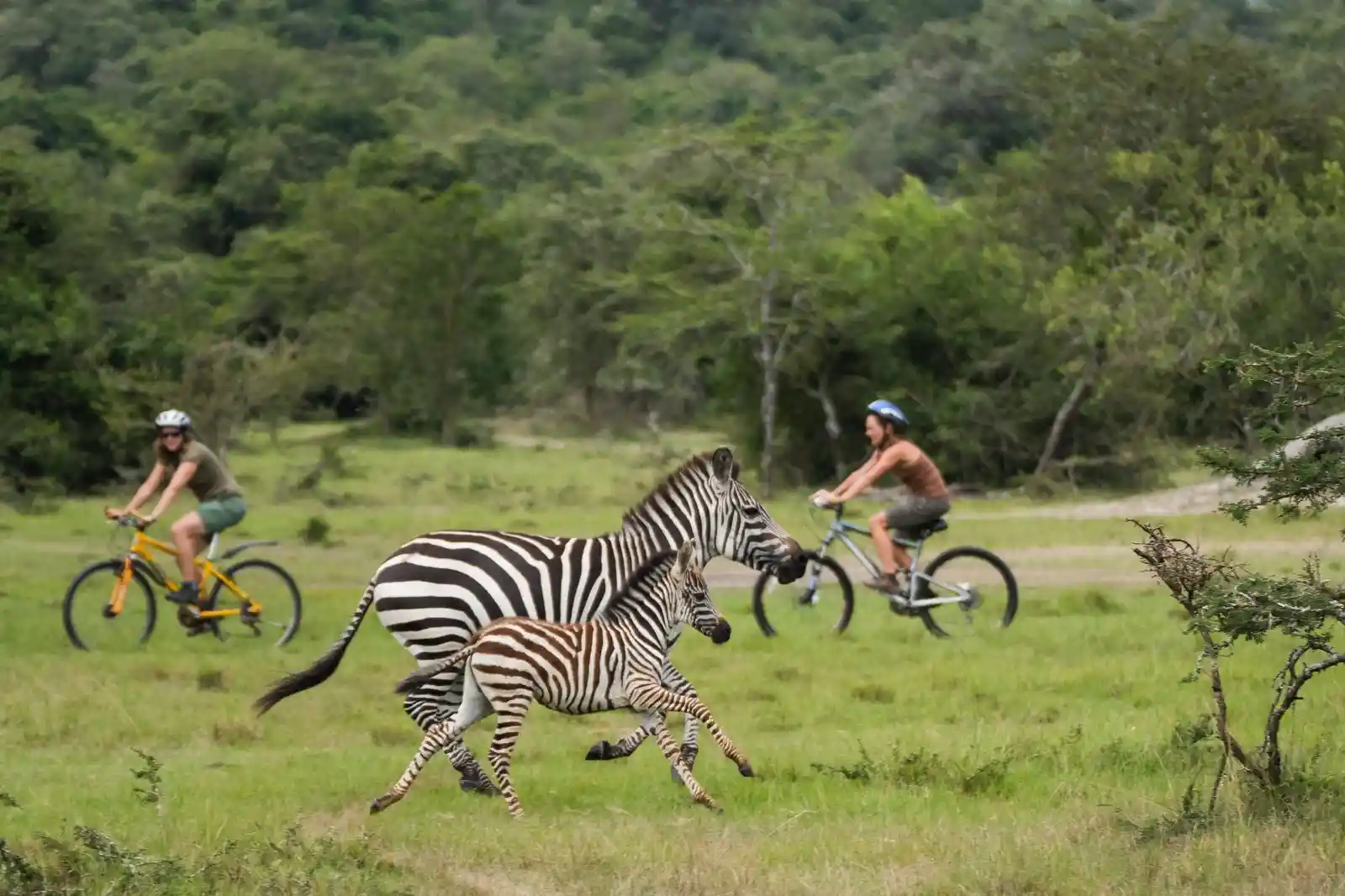
  4. The park is also the best place in Uganda to see Zebras.
  5. There are five lakes in the park. Lake Mburo is the largest.
  6. The park is located close to the capital, Kampala. It is only a 3–4-hour drive.
National Parks in Uganda

Location and landscape

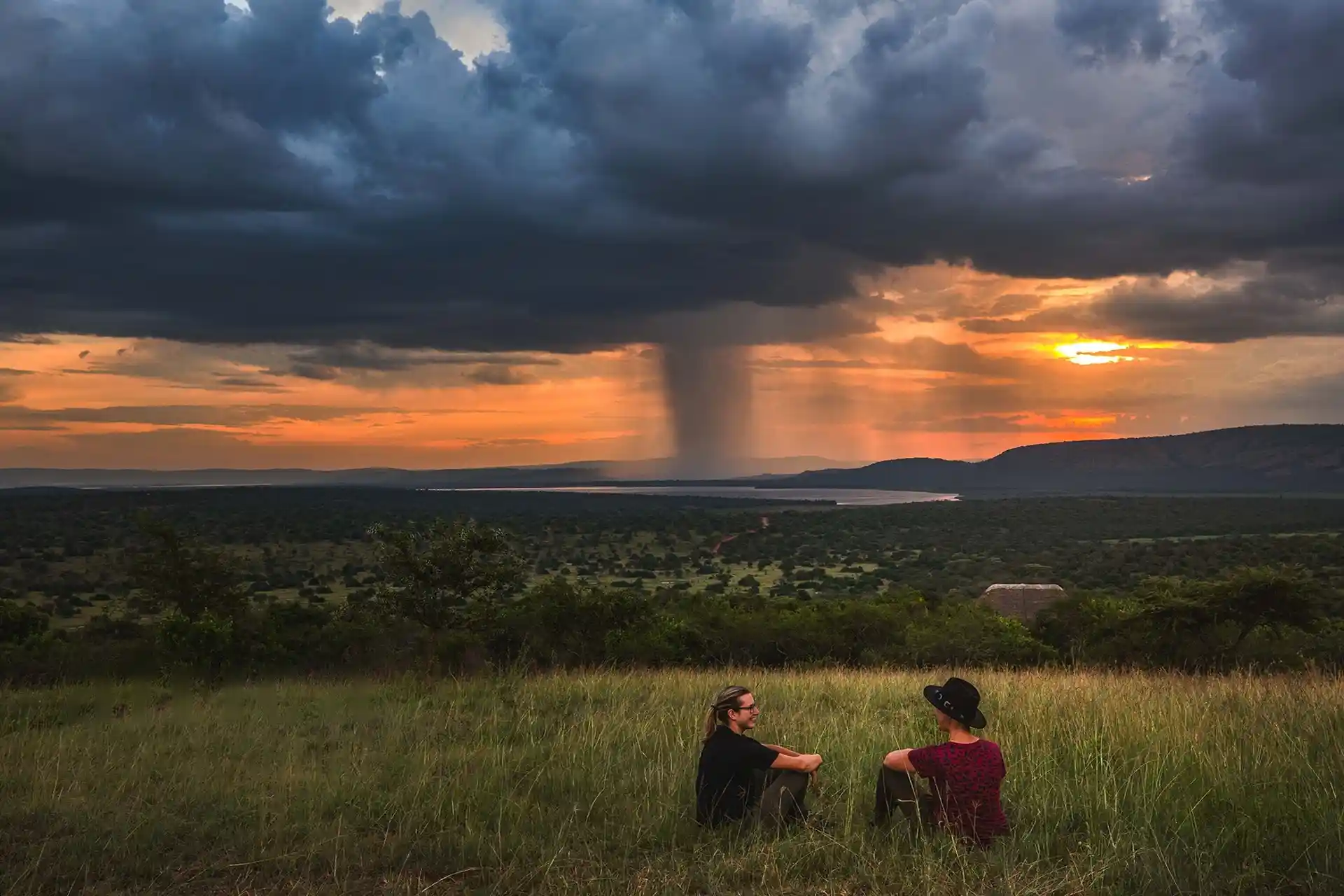
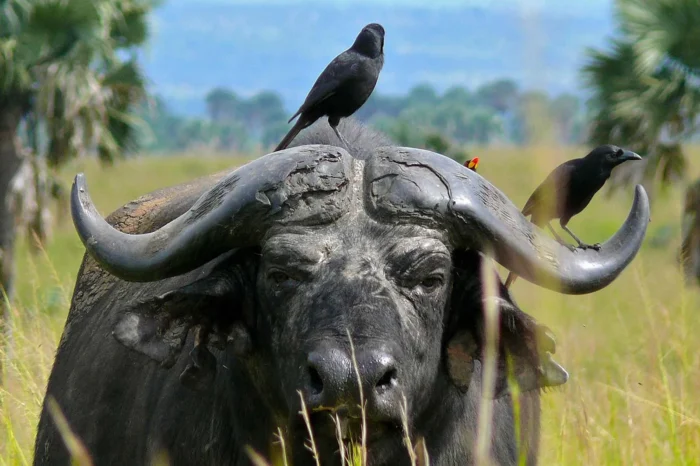
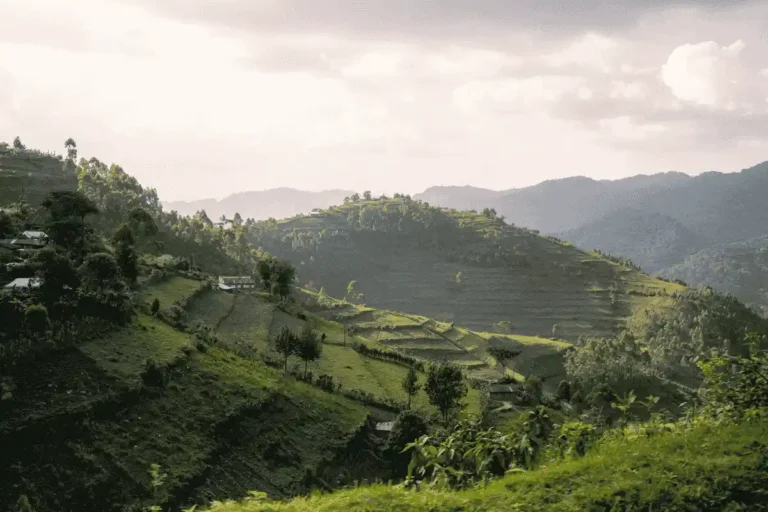
Lake Mburo National Park is very close to Kampala and Entebbe. Because of this, it often marks the beginning or the end of a Uganda safari. It is a perfect place to start your journey. And an even better place to finish it. Lake Mburo feels lighter and gentler than Uganda’s larger parks. The landscape matches the classic image of an African safari. It is bushy and green. Acacia trees dot the open plains. One of the park’s most special features is how close it is to everyday life. Farms surround the park. Here, you will see Ankole cattle grazing. These cows are famous for their long, curved horns. This mix of wildlife, open land, and local life gives Lake Mburo a unique appeal.

Lake-Mburo-National-park (1)

Leopards, giraffes and zebras

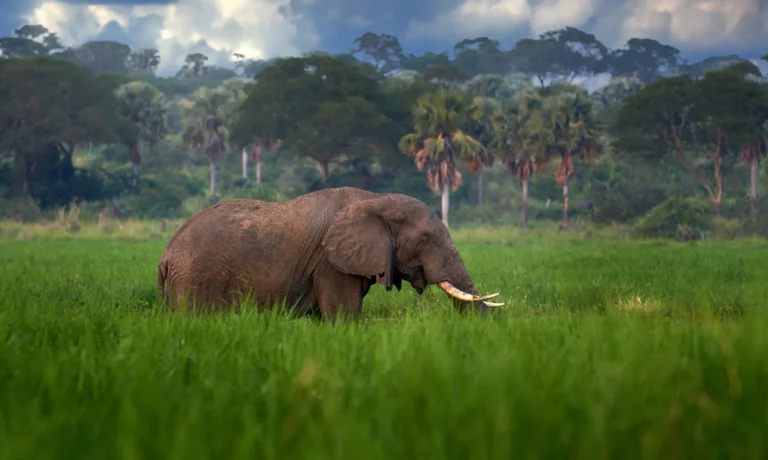
Like every park in Uganda, Lake Mburo National Park has its own special wildlife. There are no lions or elephants here. But that does not make the park any less exciting. 

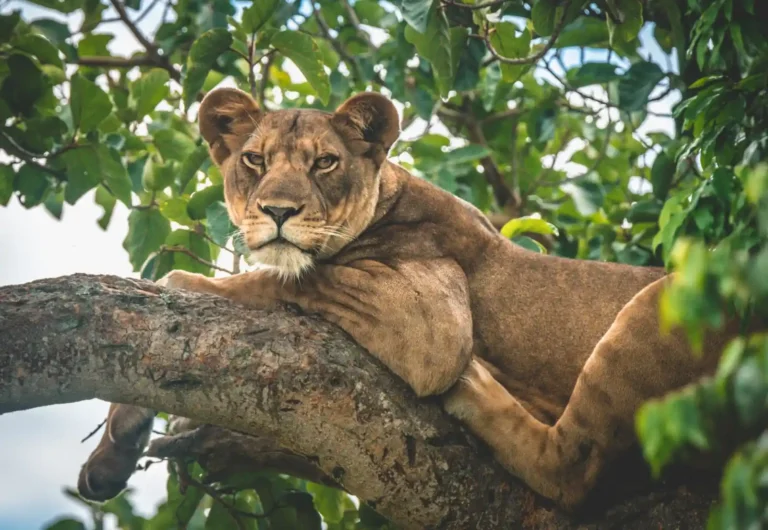
Lake Mburo National Park is famous for its leopards, giraffes, and large herds of zebras. It is one of the few parks in Uganda where night safaris are allowed. This gives you a rare chance to see leopards after dark, when they are most active. The park is also home to the eland antelope. This is the largest antelope species in the world and very rare. At the heart of the park lies Lake Mburo itself. 

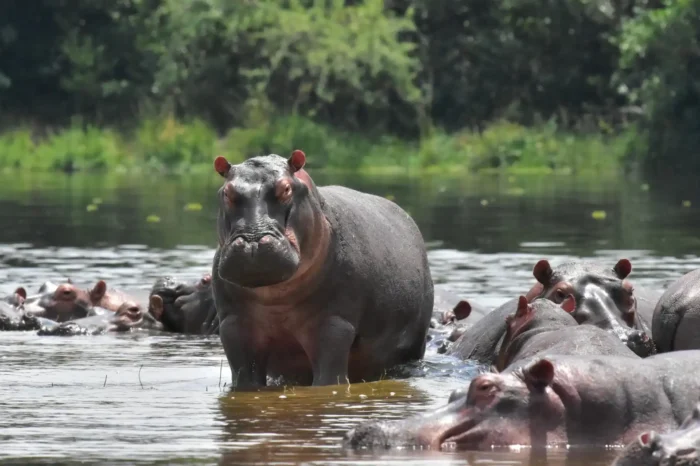
The lake is filled with hippos and crocodiles. Over 350 bird species have been sighted and recorded here. In short, Lake Mburo National Park offers rich and varied wildlife in a calm and intimate setting.

Lake Mburo's Activities You Can't Do In Any Other Park in uganda

Lake Mburo National Park is known for its unique safari experiences. Here, you can step out of the vehicle and explore on foot or by bicycle. This is a park where being active is part of the adventure. Because of this, Lake Mburo National Park is very popular with families. It is safe, relaxed, and fun for all ages. After all, what could be better than cycling or hiking together through a national park in the heart of Africa?

Walking-safari-in-Lake-Mburo-National-Park (1)

Walking Safari

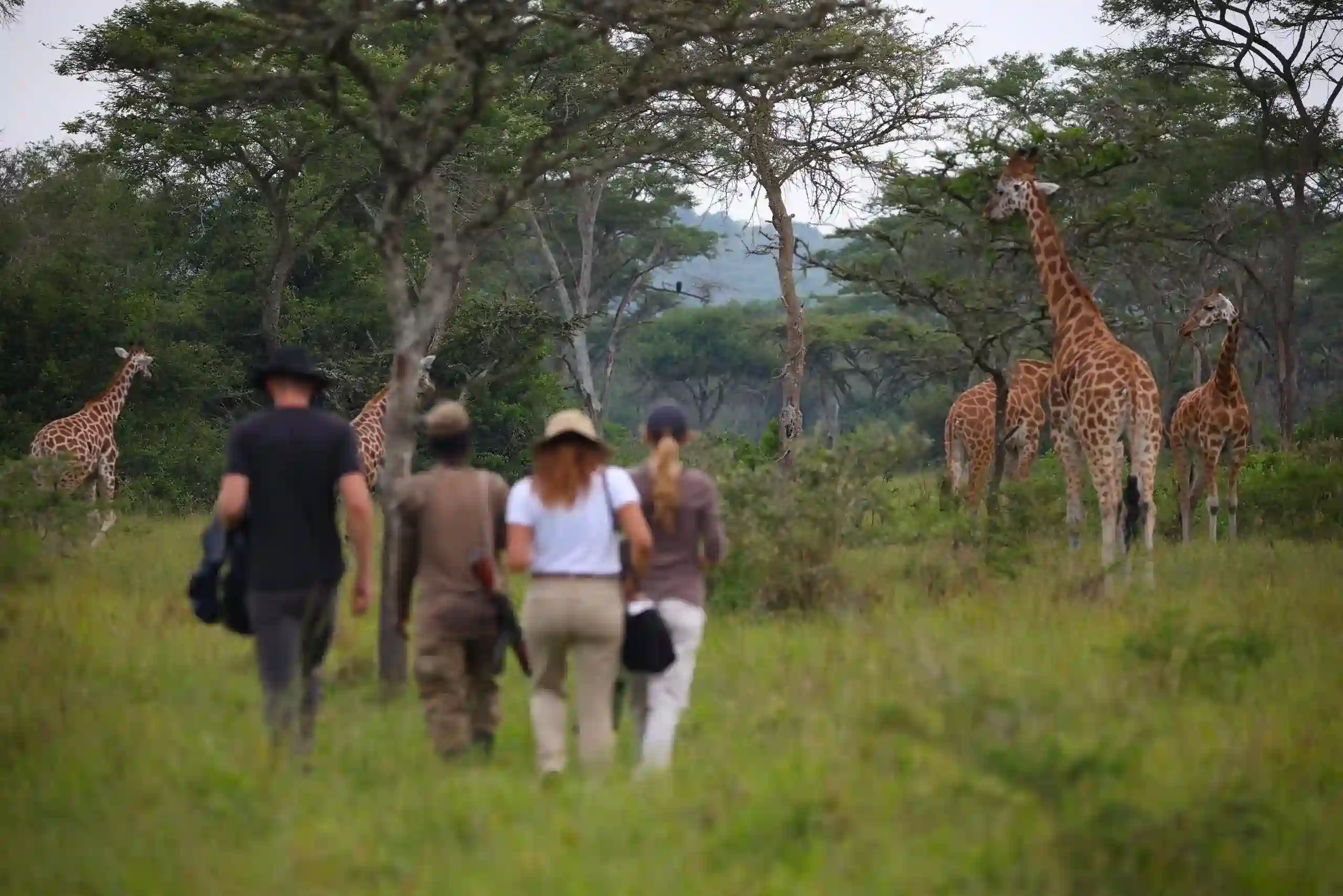
Lake Mburo National Park is one of the few savanna parks where walking safaris are allowed. You drive into the park and then continue on foot with a ranger. You see zebras and antelope up close. You walk toward tall giraffe families, often just a few dozen meters away. Even travelers who have seen much of Africa find this experience truly special.

horseback-riding-lake-mburo-or-hoima-web

Horse Riding

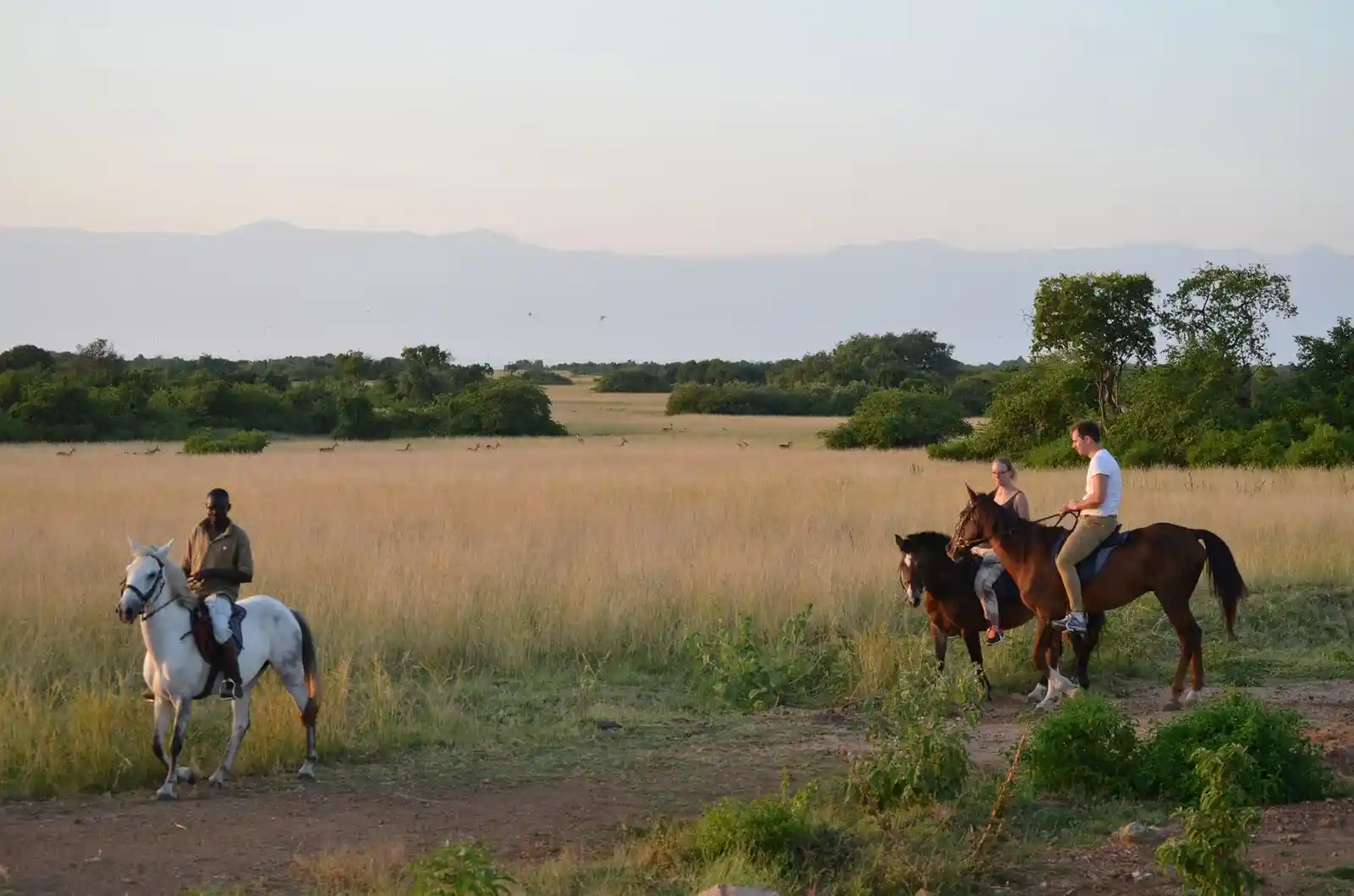
You can go on a horseback safari in Lake Mburo National Park. Spend several hours exploring the park, surrounded by zebras, giraffes, and antelope. The animals are calm around horses, so you can get closer than ever before. It’s a peaceful and unforgettable way to experience wildlife up close.

Leopard in Lake Mburo National Park (2)

Night Safari

The main goal of a night safari is to spot leopards and other nocturnal animals. Leopards are very hard to see during the day because the park is green and bushy, and they are mostly inactive. During the night safari, you go out with a ranger and a driver. A powerful searchlight is used to scan the bush. Most animals’ eyes glow green, but felines’ eyes glow red. If you see two red spots, you know a leopard is nearby. With luck, you may even watch leopards hunting or enjoying their prey. It is an exciting and unforgettable experience.

Mountain Biking in Lake Mburo National Park.webp

Mountain bike safari

You can go mountain biking in Lake Mburo National Park and in the surrounding areas. The routes outside the park are more challenging and faster. Inside the park, a ranger accompanies you, so the pace is slower. But the experience is unforgettable—you get very close to giraffes, zebras, and other wildlife. If you have to choose, ask yourself: do you want a wildlife adventure or a cycling challenge? Either way, it’s an exciting way to explore Lake Mburo National Park.

questions about Lake Mburo national Park

It depends on where your safari begins. If you are already staying near Lake Mburo National Park, then yes, a 1-day safari is definitely worth it. Many lodges around the park offer excellent day trips that include a game drive and a boat safari. In just one day, you have a good chance of seeing buffalo, giraffes, zebras, impalas, topis, bushbucks, Defassa waterbucks, hippos, crocodiles, and plenty of birds.

However, we do not recommend a 1-day safari from Kampala or Entebbe. The drive to and from the park takes around 8 hours in total, leaving only a few hours for wildlife viewing. You will also arrive during the hottest part of the day, when many animals are less active and the light is not ideal for photography. If your schedule allows, spending at least one night near the park is a much better option. It gives you more time to enjoy the wildlife and makes the journey far more relaxed.

Lake Mburo National Park is located in western Uganda, about 240 kilometres from Kampala. The drive takes around four hours, making it the closest savanna national park to both Kampala and Entebbe. It also lies along the main road to Bwindi Impenetrable National Park, making it an ideal stop before or after gorilla trekking.

Lake Mburo National Park can be visited throughout the year. The dry seasons, from June to August and December to February, are generally the best for game viewing. Animals gather around water sources, the roads are easier to drive, and walking safaris are more comfortable. The wet seasons, from March to May and September to November, transform the park into a lush green landscape. Birdwatching is excellent at this time, and the scenery is especially beautiful.

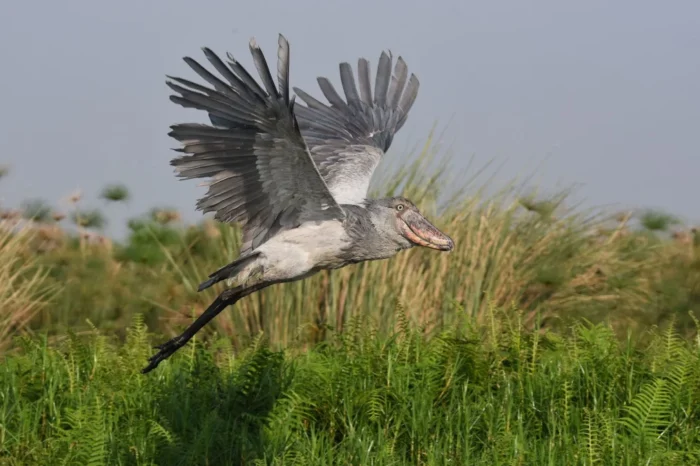
Lake Mburo is one of Uganda’s best birdwatching destinations, with more than 350 recorded bird species. The park is especially famous for the African Finfoot, Papyrus Gonolek, and the striking Shoebill, which is occasionally seen in the surrounding wetlands. Other commonly spotted birds include the African Fish Eagle, Saddle-billed Stork, Grey Crowned Crane, Lilac-breasted Roller, Malachite Kingfisher, Pied Kingfisher, Brown-chested Lapwing, and several species of herons, egrets, bee-eaters, hornbills, and weavers.

Yes. A boat safari on Lake Mburo is one of the park’s many activities. The cruise usually lasts about two hours and offers excellent views of hippos, Nile crocodiles, buffalo drinking at the shoreline, and a wide variety of water birds. It is also one of the best ways to experience the peaceful side of the park while enjoying the beautiful scenery.

Lake Mburo offers accommodation for every budget. Some of the most popular lodges include:

  • Mihingo Lodge: the park’s most luxurious lodge, famous for its horseback safaris and stunning views.
  • Kigambira Safari Lodge: a stylish lodge overlooking Lake Kigambira with excellent service.
  • Rwakobo Rock: one of the park’s most popular mid-range lodges, known for its peaceful setting.
  • Eagles Nest: a favourite budget option with beautiful hilltop views and safari tents.

Yes. Lake Mburo is one of the best national parks in Uganda for families. Unlike most safari parks, it offers activities suitable for both adults and children, including walking safaris, boat cruises, horseback safaris, cycling, and guided nature walks. The short driving distances between activities also make it a good choice for families travelling with younger children. Many lodges offer family rooms and spacious grounds where children can relax after a day of exploring.

The history of Lake Mburo National Park is closely tied to the Bahima pastoralists, whose traditional way of life helped shape and protect this landscape long before it became a national park.

The area was once known as Karo Karungi, meaning “the beautiful land.” For generations, the Bahima people moved freely across these grasslands with their famous Ankole long-horned cattle. They believed the health and beauty of their cattle depended on keeping the land healthy. Because of this, they avoided farming, fencing, and overusing the grasslands. Their cattle grazed naturally across the landscape, allowing the grass to recover while preventing the savanna from being overtaken by thick bush.

In many ways, it was this traditional pastoral lifestyle that preserved the open plains visitors still enjoy today.

In 1983, the area was gazetted as a national park, and many local communities were forced to leave their ancestral land with little consultation and no compensation. For the Bahima, it meant losing not only their grazing land but also an important part of their cultural identity.

Just three years later, in 1986, the government reviewed the decision. Parts of the park were degazetted, allowing local communities to return to some areas while the remaining park continued to protect its wildlife. Since then, conservation and traditional pastoralism have gradually learned to exist side by side.

Today, Lake Mburo remains one of the few places in East Africa where this unique relationship is still visible. It is not unusual to see Ankole cattle grazing alongside zebras and impalas, a reminder that people and wildlife have shared this landscape for generations. Surrounded by dairy farms and cultivated land, Lake Mburo stands as one of the last surviving examples of Uganda’s ancient, open rangelands, where nature and culture continue to exist together.

Visit Lake Mburo with Choose Uganda Safaris

Lake Mburo National Park can be visited throughout the year. However, the dry seasons from January to February and June to September are often the best times for wildlife viewing. During these months, many animals gather around water sources, making them easier to spot. The drier conditions also make the trails more accessible, creating excellent opportunities for game drives and walking safaris. Would you like to explore Lake Mburo National Park? Contact us for personal advice on safari options or request a free travel proposal. We would be happy to help you plan your safari experience in this beautiful part of Uganda.

Share

Lake Mburo National Park