Get fully prepared for your gorilla trekking tour
There is a lot of information about gorilla trekking on the internet.
However, advice from people who have taken part in these treks can make a real difference when planning your trip. Many itineraries allow two nights in the region: arriving one day, going gorilla trekking the next morning, and travelling on afterwards. This works fine.
However, we often recommend spending three nights in the area. Not because the gorilla trek itself takes several days, but because the southwest of Uganda has much more to offer.
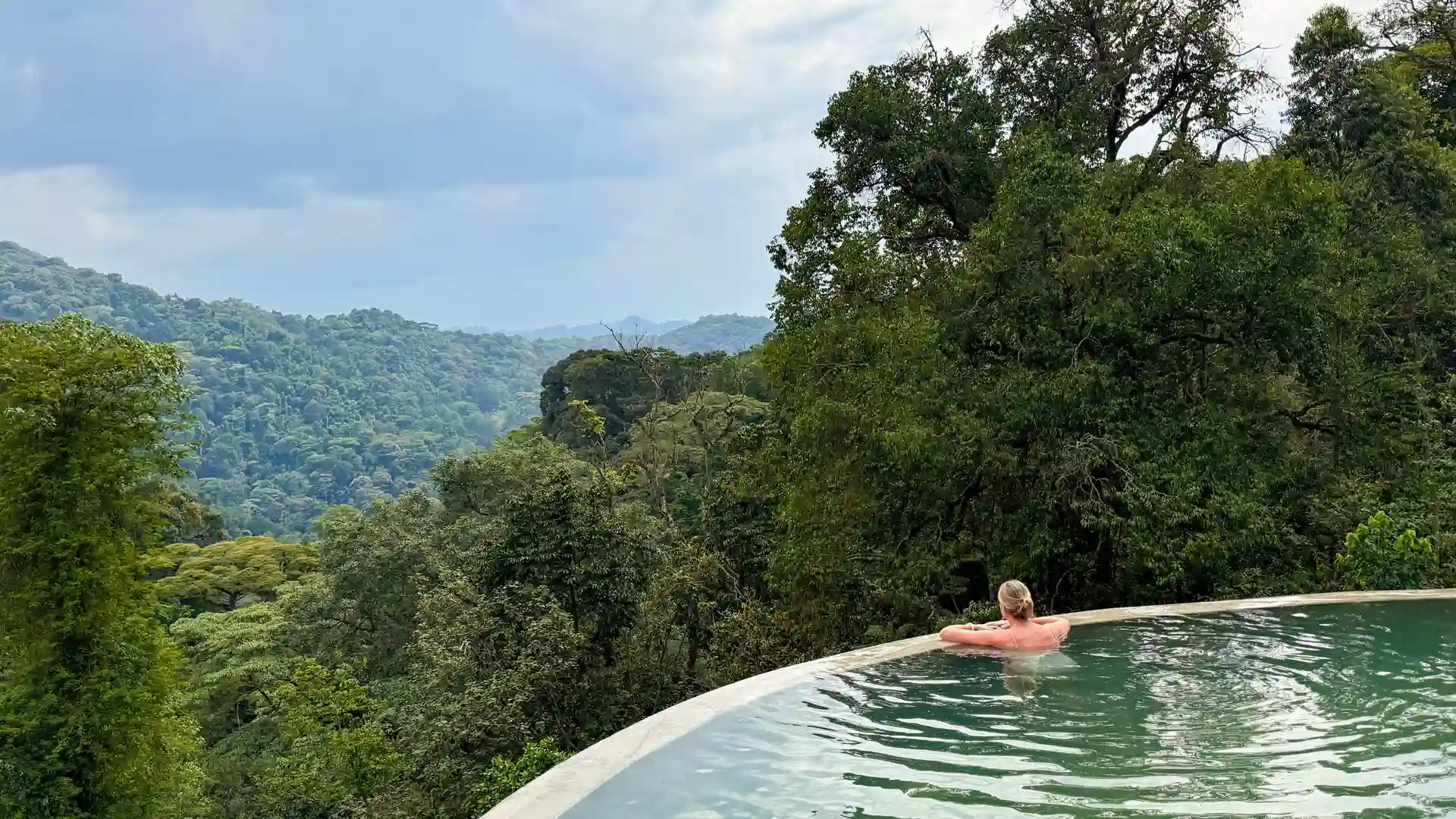
An extra night gives you time to enjoy the region without constantly being on the move. Your choice of accommodation also plays an important role. We look not only at the distance to the starting point of your trek, but also at the surroundings and what else you can enjoy during your stay.
CLICK HERE for more information about how many nights you should spend around your gorilla trek.
Preparing for your gorilla trek
Below, we take you through the most important things to consider when preparing for your gorilla trek in Uganda. We share practical advice based on our experience, so you know what to arrange before your trip and what to expect on the day.
1. Understand where you will go gorilla trekking
Gorilla trekking in Bwindi
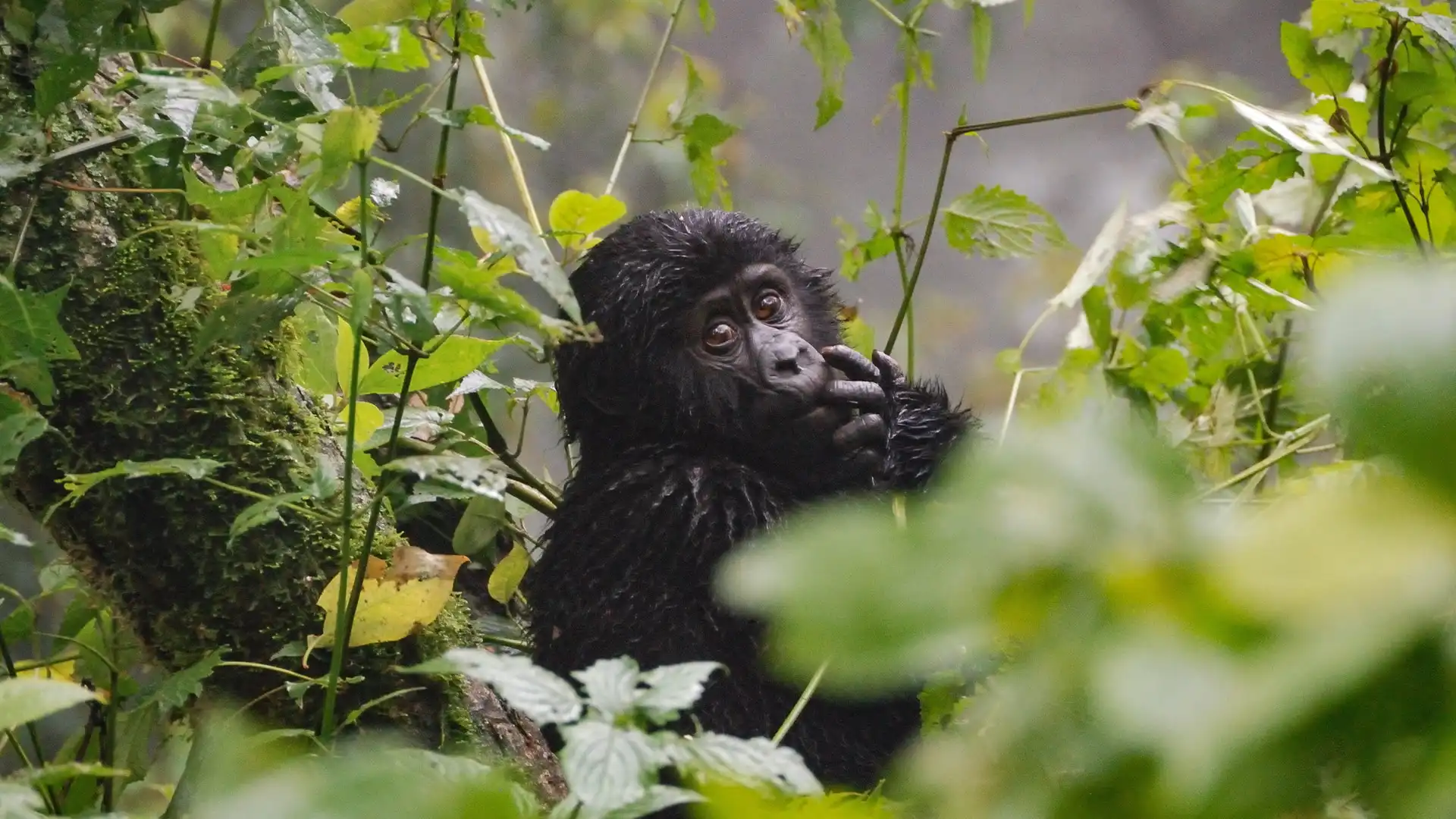
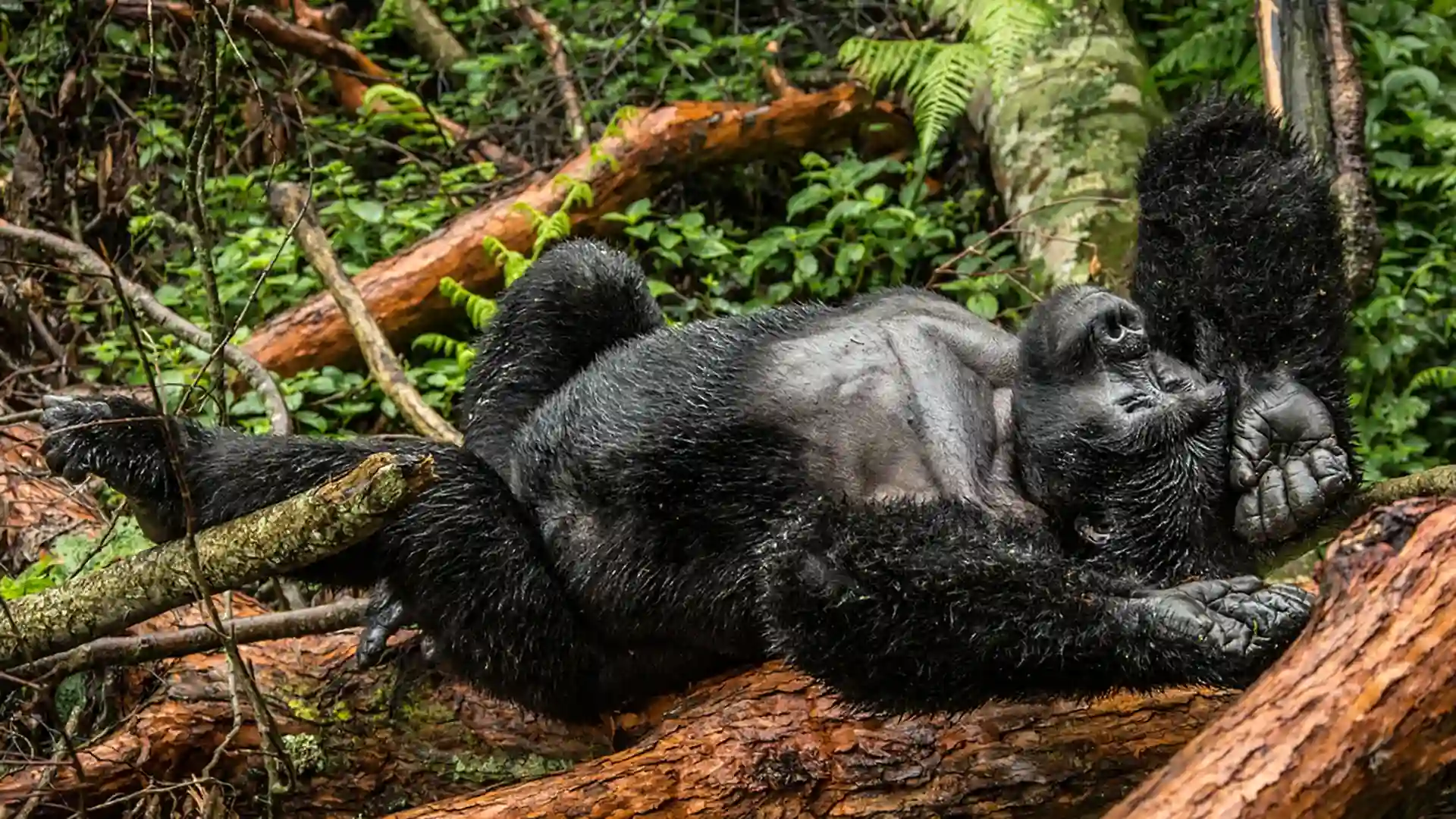
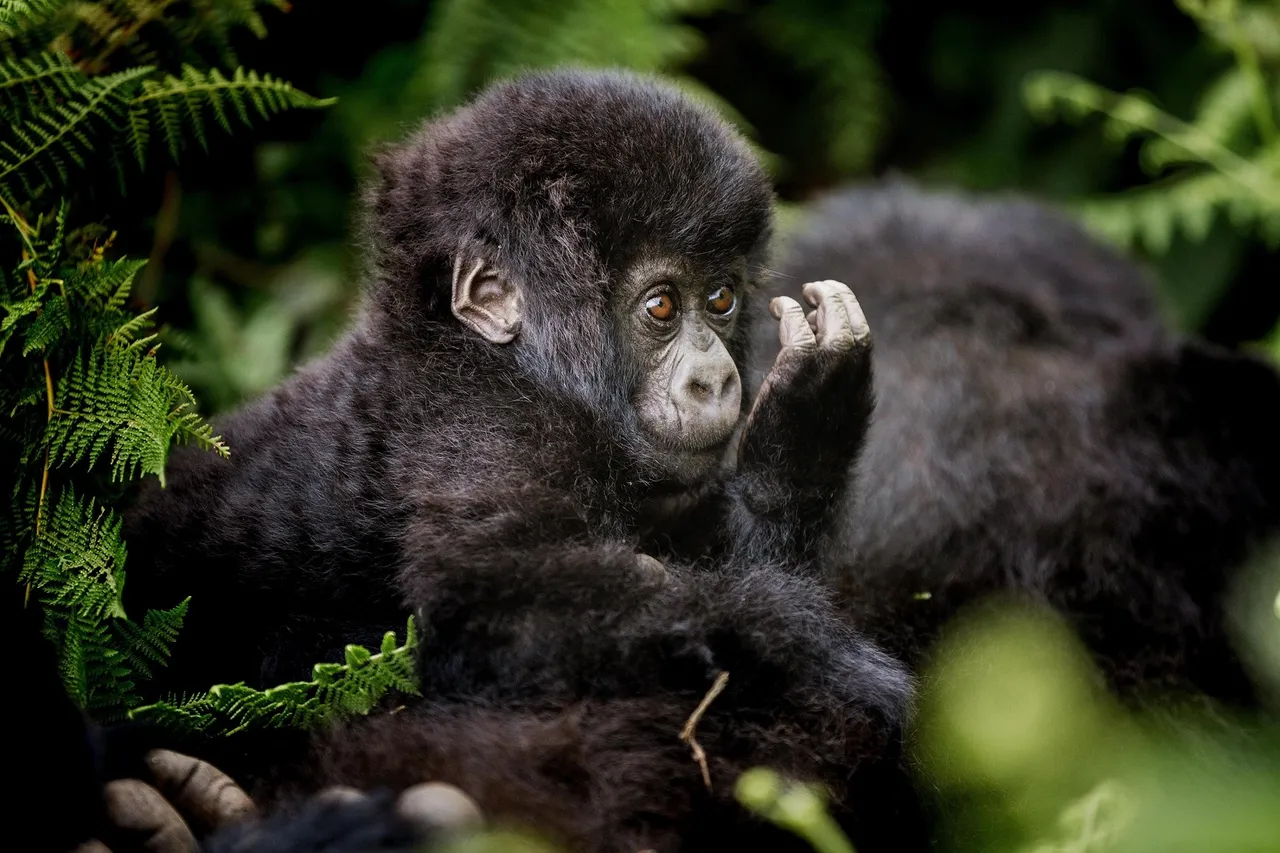
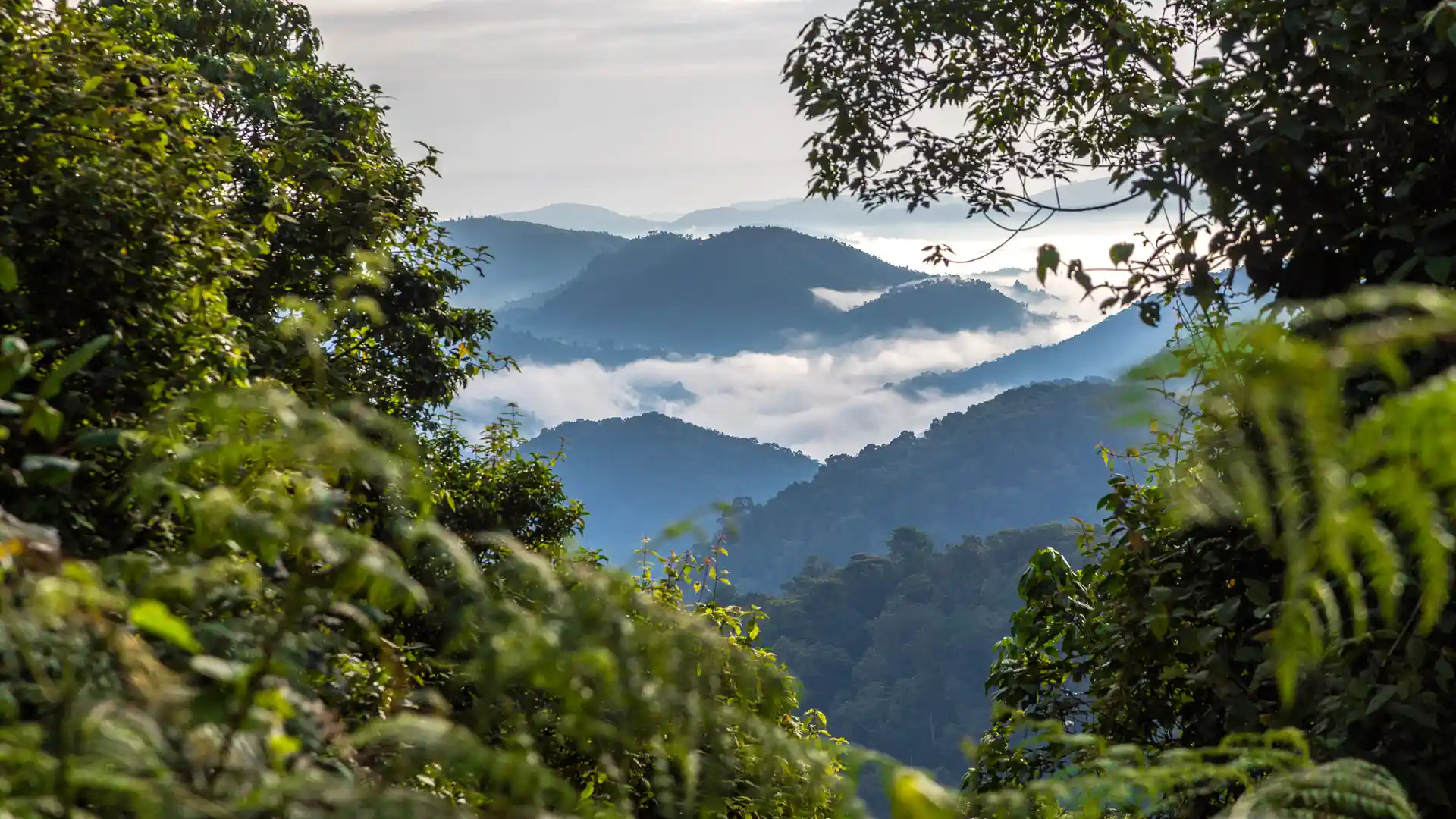
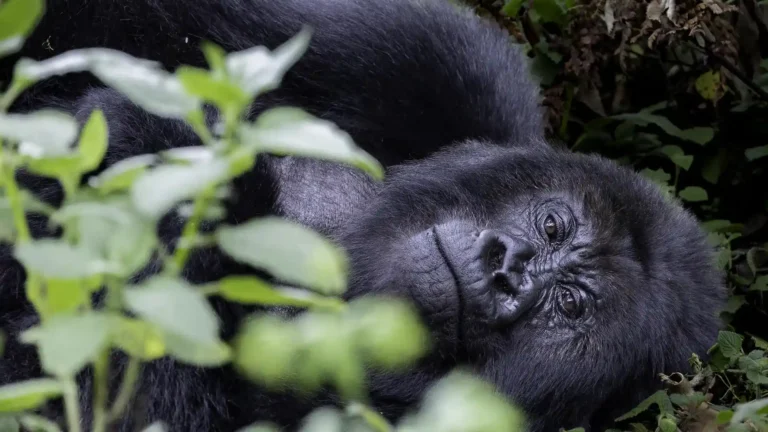
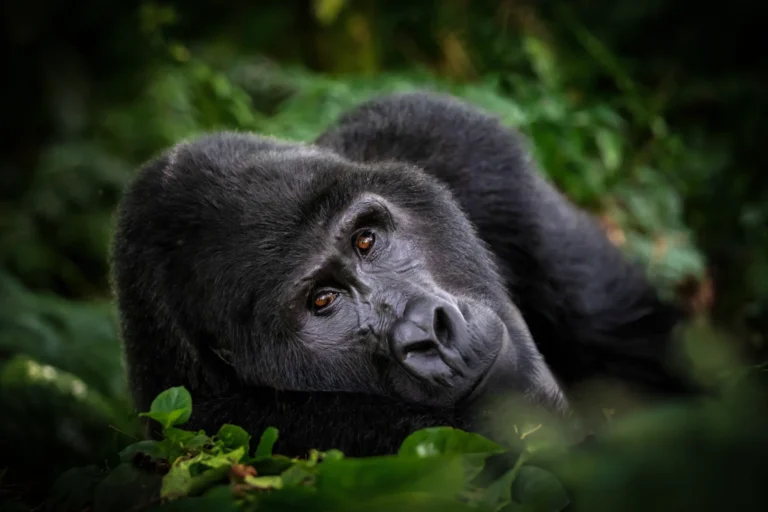
Bwindi is the first choice for most of our travellers. The park is a tropical mountain rainforest, with steep hillsides, deep valleys and dense green vegetation. We personally find this landscape the most beautiful setting for an encounter with mountain gorillas in Africa.
Bwindi is divided into gorilla trekking sectors: Buhoma, Ruhija, Rushaga, and Nkuringo. More than 50 families of gorillas live scattered across these areas and several can be visited by travelers. Therefore, there are many gorilla trekking permits available. And when planning a trip, we have more flexibility to take into account the route, the physical condition of travelers and accommodation.
However, that does not mean that every gorilla trek in Bwindi is the same. There are significant differences between the sectors. And even within a sector, the difficulty of gorilla trekking depends on where the gorilla families are located that day.
Gorilla trekking in Mgahinga
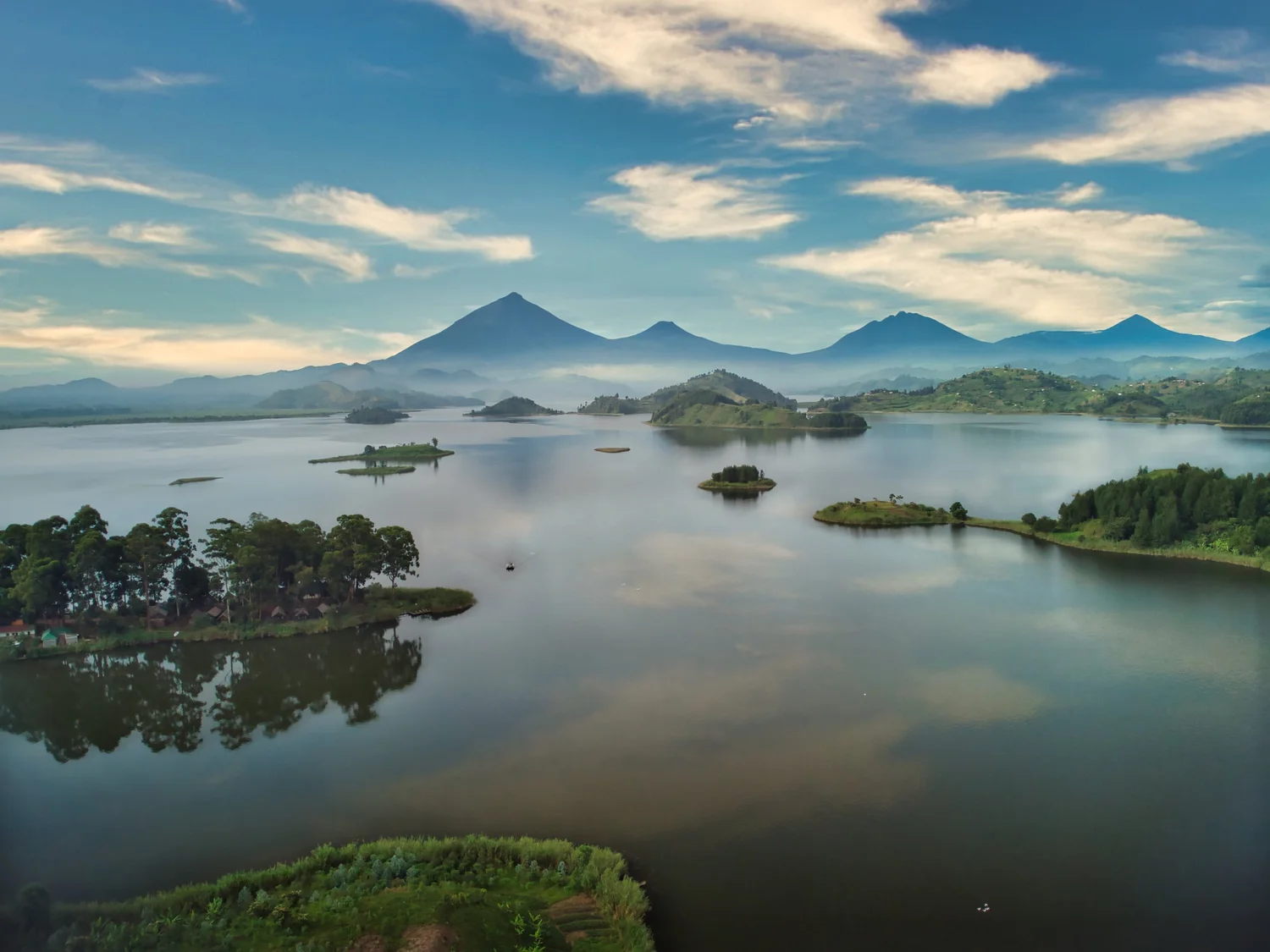
Mgahinga lies in the Virunga Mountains, close to the borders with Rwanda and Congo. Its landscape is dominated by volcanoes, mountain vegetation, bamboo forests, and beautiful views. The trek here is quite different from the dense rainforest of Bwindi.
You walk through more open terrain in some places.
Mgahinga has only one gorilla family open to visitors, which means there are fewer daily permits available than in Bwindi. Although some parts of the terrain may look easier to walk through, the steep volcanic slopes and changes in altitude can make the trek quite demanding.
So, Mgahinga is certainly not automatically the easier choice.
Mgahinga is also the place in Uganda where you can see the golden monkeys.
If you want to visit both gorillas and golden monkeys, we often find it wonderful to do a gorilla trek in Bwindi and then continue to Mgahinga for golden monkey trekking. This way, you get to explore two different parks and enjoy two very different forest landscapes.
Which sector in Bwindi is best to choose?
Bwindi has four sectors, named after the surrounding villages.
Each is located in a different part of the park, and choosing the right one is more important than many travellers realise beforehand. You select the sector when booking your gorilla trekking permit. .
But the gorilla family you will visit is usually only assigned on the day of the trek. This means that choosing a sector is not simply about finding an available permit. Your travel route, accommodation and physical condition are also important when deciding which sector suits you best.
- Buhoma is located in the north of Bwindi and is the most established trekking sector. It has a good choice of lodges, relatively easy access and generally less steep trekking routes. It fits well into itineraries that include Kibale Forest and Queen Elizabeth National Park.
- Ruhija is higher-altitude sector on the eastern side of Bwindi. It is quieter, with cooler temperatures, impressive views, moderate trekking conditions and fewer visitors. There are fewer lodges in this area.
- Rushaga is in southern Bwindi and has the highest number of habituated gorilla families, offering more permit availability for group tours. The terrain can be steep, but there are also opportunities for less strenuous treks due various gorilla families that be visited.
- Nkuringo is also in the south. It is the most physically demanding sector, set on a dramatic ridge with steep terrain and spectacular views. It is best suited to adventurous trekkers.
2. Secure Your Gorilla Permit Early
To go on a gorilla trek, you need a permit from the Uganda Wildlife Authority (UWA).
This allows to you access to a trek in a specific sector on a set date. The number of permits available each day is limited, as only eight visitors are allowed per gorilla family per day.
At Choose Uganda Safaris, we take care of arranging permits for our travelers. While planning your trip, we can check current availability through UWA online portal. This helps us to know early whether there is enough choice or whether we need to act quickly. Once you have confirmed your tour and we have received your deposit, we immediately buy the permits for your preferred trekking sector.
What if your preferred sector is already fully booked? We will look at the alternatives together. This may mean choosing another trekking sector, adjusting your route or travelling on different dates.
That is precisely why we recommend starting your planning well in advance, especially if you intend to travel during popular periods such as July, August or the Christmas holidays. This gives us more room to find permits that fit your preferred dates and the rest of your trip.
3. Get physically prepared
The difficulty of a gorilla trek can vary considerably.
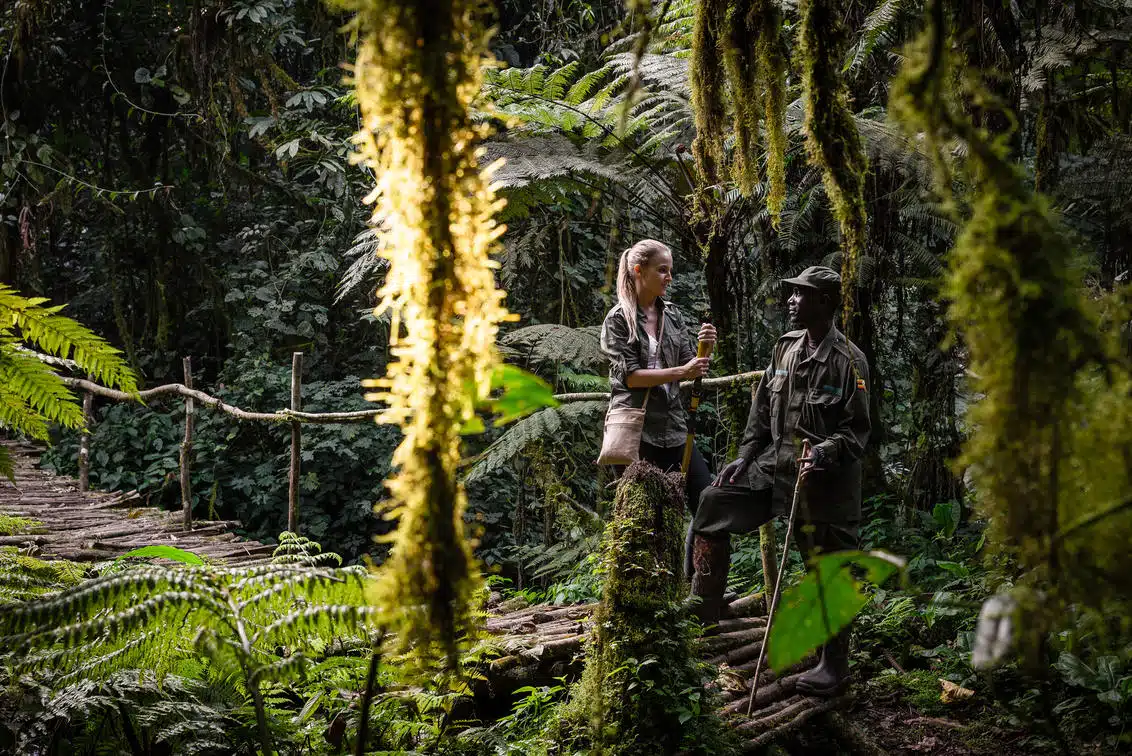
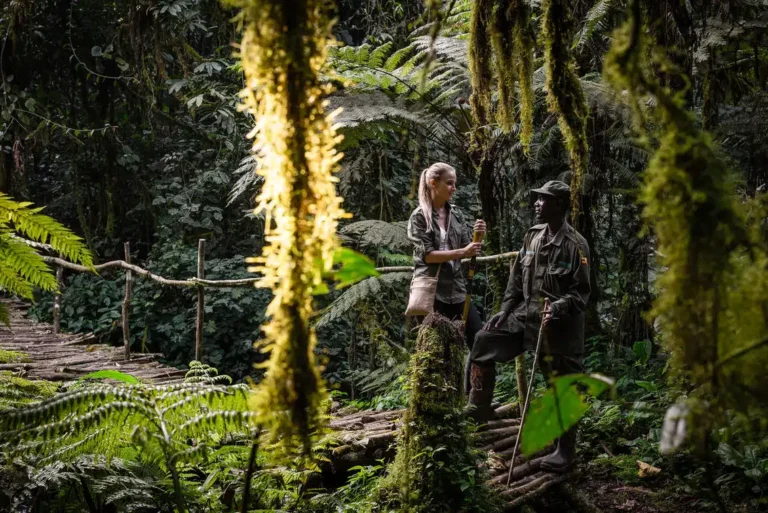
Gorillas move freely through the rainforest. Sometimes, they are found relatively close to the starting point. On other days, you may have to walk for several hours to find them. You hike along narrow paths, with steep slopes, and sometimes through dense vegetation.
Rain and mud can also make the trek more challenging.
You don’t need to be a top athlete. But a reasonable level of fitness is very important. If you hike often and you are used to some elevation changes, you generally have a good foundation.
However, we do not want to underestimate the physical exertion. Gorilla trekking can be quite tough, especially when the gorillas are far away or in a difficult part of the forest.
If you are worried about managing the trek, perhaps because of knee problems or because you are not used to long walks, talk to us beforehand. We can take your fitness level into account when planning your trip and see which trekking sector best suits your capabilities. Rushaga, for example, has several gorilla families, which can offer more options when arranging your trek.
You can also tell the rangers on the morning of the trek if you would prefer a less strenuous walk. They will try to take this into account, but ultimately, the gorillas decide where you go.
Of course, you can also indicate during the trek when you would like to take a break.
CLICK HERE for more information about how strenuous gorilla trekking can be.
4. Make Sure You Have right clothing and equipment
You don’t need to buy any special equipment for gorilla trekking.
But have having the right clothing and a few useful items will make the trek much more pleasant.
Start with a pair of sturdy hiking boots with good tread, long trousers and long-sleeved clothing.
A light lightweight waterproof rain jacket is also essential.
Gloves are useful when you need to hold on to branches or move through thick vegetation.
You should also carry at least two liters of drinking water, a few snacks and a backpack with rain protection. Even if fine weather, we recommend carrying a raincoat.
Weather in a rainforest can change quickly. And a tropical shower is simply part of the experience.
A walking stick can give you extra support on steep or slippery sections, and you can hire a porter to help carry your bag and assist you along the way.
If it rains during the trek, you will normally continue as planned. Rainfall can make the trails muddier and slippery. But that does not mean you will enjoy the encounter with the gorillas any less.
In fact, rain is simply part of trekking in a tropical rainforest. This is why good hiking shoes and a reliable raincoat are more important than the expectation of having a completely dry day.
5. Consider hiring a porter
During your gorilla trek, you can hire a local porter to carry your backpack and help you on steep or slippery sections of the trail where necessary.
The fee is $20, which you pay directly to the porter.
We actually recommend that everyone hires a porter. Not only due to the fact that it is nice to have your hands free during sometimes strenuous trek, but also because of the personal contact.
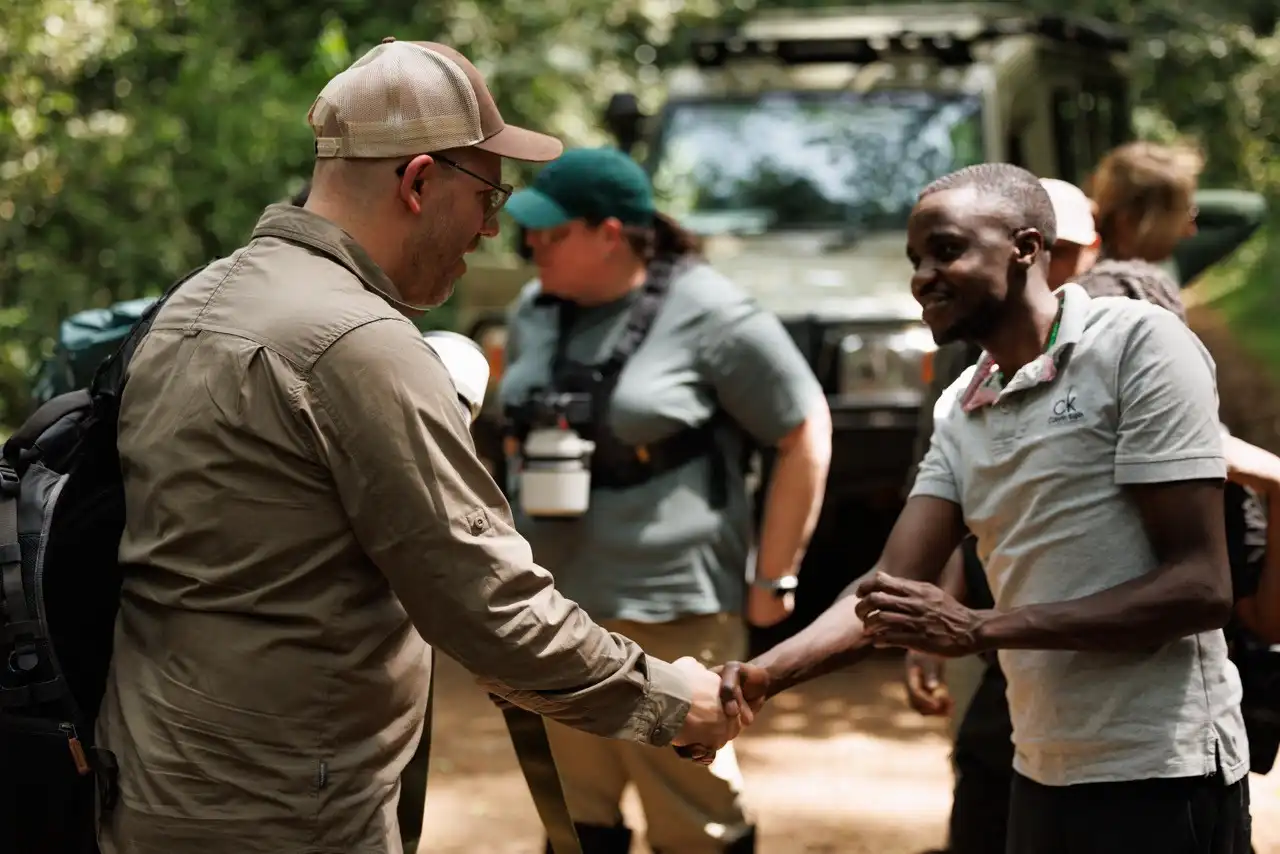
You spend several hours together, giving you an opportunity to get to know someone from the local community. This often leads to nice, casual conversations along the way.
Hiring a porter also provides a direct source of income for people living around the park. This kind of employment gives local residents a reason to value and support the protection of the forest and its wildlife. So, even you are perfectly capable of carrying your own backpack, we consider that a good reason to take a porter along.
6. Check the Age & Health Requirements
A gorilla trek is perfectly feasible for many travelers. However, there are a few requirements you should know about before planning your trip. For example, there is a minimum age of 15.
This is especially relevant for families travelling with young children. If you are coming to Uganda with younger children, we take this into account when putting together your trip. You can read more about this in our blog about Uganda with teenagers or Uganda with children.
Your health is equally important. .
Mountain gorillas are susceptible to human infectious diseases. So, you should not take part in the trek if you have contagious illness, such as a cold, flu or respiratory infection. If you develop symptoms of these illnesses before your trekking day, inform us as soon as possible. The park authorities may decide that you cannot join the trek to protect the endangered mountain gorillas.
Face masks are also required when you are near the gorillas. However, this is not a license to enter the forest with symptoms of illness. If you unexpectedly fall ill just before your trek, we will look at the available options together. Whether your permit can be transferred or refunded depends on the applicable conditions and the assessment by the park authorities.
It is also worth familiarising yourself with the rules for the gorilla encounter beforehand. You must keep a minimum distance of 7 metres from the gorillas. In practice, a gorilla may decide to come closer on its own. In that case, remain calm and always follow the instructions of your ranger guide.
Never try to stand closer yourself for a better selfie.
7. Taking photos ON a gorilla trek
You are welcome to take photos during your gorilla trek, but using a flash is not allowed.
You do not necessarily need a large telephoto lens, as the gorillas can sometimes be quite close.
In the dense rainforest, a long lens can also make it harder to get good shots. A camera or lens that performs well in low light is often more useful than having maximum zoom.
Remember to protect your camera from rain and moisture. A simple rain cover can make a big difference, especially in the rainforest where showers can come unexpectedly.
Our biggest advice, however, is not to spend the entire encounter looking through your viewfinder. You have a maximum of one hour with the gorillas, and you want to enjoy every moment of it.
Take photos, of course, but remember that some of the best memories are the moments you experience without a camera in front of your face.
8. Choose the Right Time for Your Gorilla Trek
You can go gorilla trekking at any time of the year. However, the drier periods, roughly from June to early September and December to February, are the most pleasant months. The hiking trails are usually less muddy during these times and thus generally easier to navigate.
But make no mistake: Bwindi is a tropical rainforest. Even in the dry season, heavy rainfall can happen. During the rainy months, the rainforest is beautifully green, and outside of popular holiday periods, there are usually fewer travelers. The trails can be slicker and muddier, but that does not make the encounter with the gorillas any less special.
We, therefore, not recommend planning your gorilla trekking trip by basing solely on the season. The overall route, gorilla permits availability, and personal interests are at least as important.
Do you want to know which months are most suitable for your entire safari in Uganda? Then also read our guide on the best time to visit Uganda.
Frequently Asked Questions gorilla trekking in Uganda
How long does gorilla trekking take?
The length of a gorilla trek varies from day to day. Sometimes you reach the gorillas in one hour, sometimes you are on the road for 6 hours.
When a family of gorillas is found, you may stay with them for not more than one hour. After that, you hike back to the starting point. So, we advise keeping the entire day free for the gorilla trek.
What are the chances of seeing gorillas?
The chances are very high, at around 99%.
Gorilla families open to visitors are monitored every day by experienced trackers and rangers. They usually know where each family is located and guide visitors through the forest to find them. However, we cannot absolutely guarantee that you will see them.
They remain wild animals in their natural habitat, although it is very rare not to find them.
Can you do a gorilla trek twice?
Yes, absolutely. Some travelers deliberately choose two treks in different sectors of Bwindi. Every gorilla family is different. And the route through the rainforest also varies. So, a second trek can provide a very different experience. You do need two separate gorilla permits for this.
Is a gorilla trekking safe?
Gorilla treks are led by trained and experienced rangers.
You also visit gorilla families that are accustomed to human presence. Before entering the forest, you will receive clear instructions on keeping a safe distance, how to behave and what to expect during the encounter. However, gorillas are still wild animals, and the trek takes place in natural terrain, so it is essential to follow the rangers’ instructions at all times.
Visiting gorillas during your Uganda Safari
For many travelers, gorillas are one of the main reasons to come to Uganda.
And we understand why. Few experiences leave such a lasting impression as spending time with a gorilla family in the wild. However, planning a gorilla trek involves more than simply booking a permit. The right trekking sector, accommodation and travel route all make a difference.
As Ugandan safari experts, we know these areas well and can help you find the best way to include gorilla trekking in your trip. We also recommend allowing enough time to explore the region around Bwindi. The gorillas may be the main reason for your visit, but there is much more to discover here, making it well worth staying a few extra days.
Would you like to combine gorilla trekking with encounters with other primates and wildlife? Have a look at our primate tours in Uganda or get in touch with us. We would be happy to help you plan a trip that suits your interests and travel plans.