Categories
- Accommodation
- Accommodation at Kibale Forest
- Active
- Active Tour Lodges
- Best Bwindi Guides
- Best Lodges
- Best Luxury
- Birding Guides
- Budget accommodation at Kibale
- Budget accommodation in Uganda
- Budget Hotels in Entebbe
- Budget Murchison Falls Accommodation
- Bwindi Guides
- Bwindi Lodges
- Bwindi National Park Guides
- Culture
- Culture & Nature
- Entebbe Hotels
- Exclusive Lodges In Bwindi
- Exclusive Lodges In Murchison Falls National Park
- Exclusive Lodges in Queen Elizabeth National Park
- Family
- Family Friendly Lodges
- Family Guides
- Good lodges
- Gorilla Trekking
- Gorilla trekking guides
- great blogs
- Guides
- Health Travel Informations
- High End Accommodation At Kibale
- Jinja Accommodation
- Kampala Hotels
- Kibale
- Kibale Guides
- Lodges in Mgahinga
- Luxury accommodation at Kibale
- Luxury Accommodation in Queen Elizabeth National Park
- Luxury Accommodation Options
- Luxury Hotels In Entebbe
- Luxury Lodges In Bwindi
- Luxury Murchison Falls Accommodation
- Midrange accommodation at Kibale
- Midrange Hotels In Entebbe
- Midrange Lodges In bwindi
- Midrange Murchison Falls Accommodation
- Murchison Falls Guides
- Murchison Falls Lodges
- Murchison Lodges
- Nature and Culture lodges
- News
- News and Blogs
- Popular
- Primate Lodges
- Primates
- Queen Elizabeth Guide
- Queen Elizabeth National Park Accommodation
- Queen Guides
- Related
- Related active
- Related animals
- Related waters
- Semi Luxury Lodges In Bwindi
- Semi-Luxury Entebbe Hotels
- Travel Guide
- Travel Inspirations
- Uganda Honeymoon Lodges
- Uncategorized


Discover Karamoja Region
When people think of a tour in Uganda, they often think of mountain gorillas, chimpanzees, wildlife safaris, and the green hills of the southwestern region. But far in the northeast of the country lies a place that feels like entering another land. A region of vast plains, remote mountainous areas, traditional pastoralists, and a culture that has developed largely outside the rest of Uganda for centuries.
Welcome to Karamoja.
A forgotten corner of Uganda
For many travellers, the Karamoja Region is one of the most surprising parts of their safari in Uganda. Not because it is the easiest destination to explore. Nor because you tick off the most famous known Uganda safari attractions here. But just because the Karamoja Region shows you a different part of Uganda that many people on safari tours skip: raw, pure, amazing, and completely different from the rest of the country.
At Choose Uganda Safaris, we thus do not view Karamoja Region as a standard stop that fits into every Uganda tour package. Karamoja is a destination for those travelers who are really adventurous and curious. Who don’t want to rush. And who not only want to just see Uganda, but also want to understand it better. The Karamoja Region is found in northeastern Uganda, bordering South Sudan and Kenya. The region covers approximately 33% of Uganda’s land surface, yet is visited by relatively few travelers on Uganda safaris. There are many reasons why. Karamoja Region is remote, distances are great, and for years the area was seen as a region with little to do.
However, whoever go the Karamoja Region find just the opposite. There you will find some of most beautiful landscapes in Uganda: dry savannah plains, rugged mountainous landscape, small villages, and roads where you sometimes drive for hours without seeing another tourist. It is not that there is nothing to see. It is because the Karamoja Region remains one of Uganda’s best-kept secrets. For us, that is exactly the strength of this area. Karamoja Region needs time, attention, and good local guidance. You will not just travel through here quickly. But those who take the time are rewarded with a special part of Uganda that you no longer experience so purely in many other places.
Who Lives in The Karamoja?
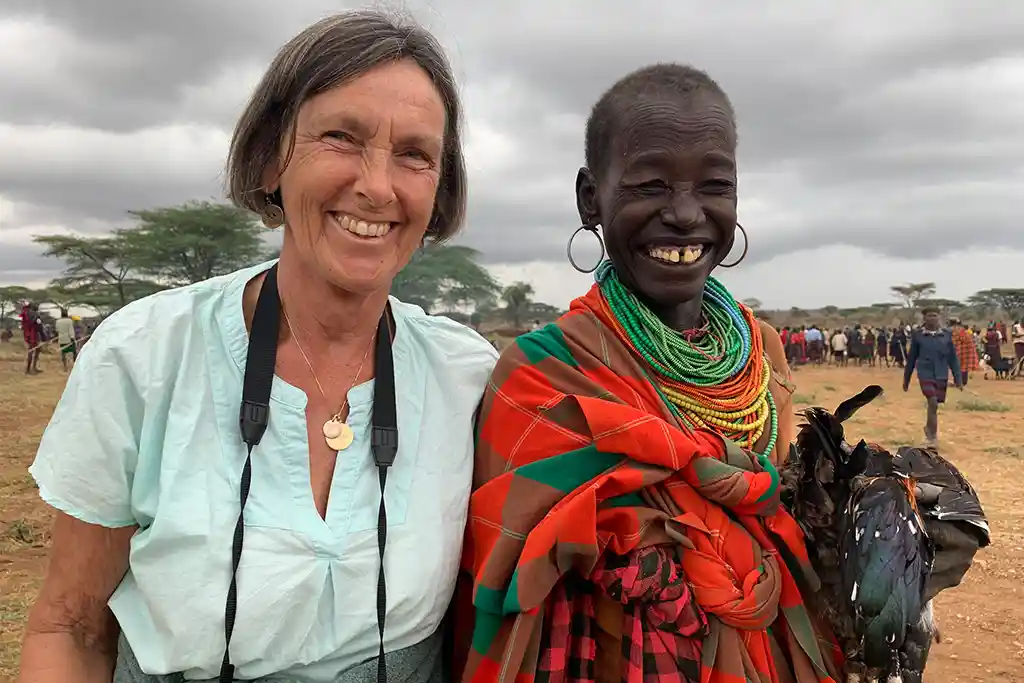
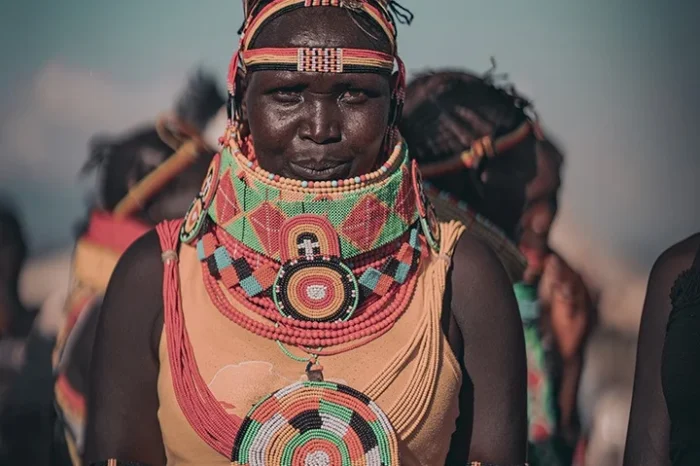
The well-known tribe of the Karamoja Region are the Karamojong. For generations, they have lived a semi-nomadic lifestyle centred around cattle. Cattle remain at the heart of their culture and plays an important role in daily life, traditions, and social status. Life in Karamoja has revolved around livestock, family, and community for generations. Besides the Karamojong People, various other ethnic groups reside in the area, including the Ik, Jie, Dodoth, Matheniko, and Tepeth. Each ethnic group has its own traditions, language, and history. It is exactly this cultural diversity that makes Karamoja Region so special. While the area has changed greatly in recent years, many traditional customs and habits remain an important part of daily life. It is exactly this combination of tradition and change that makes Karamoja so interesting to explore with attention.
A region with a turbulent history
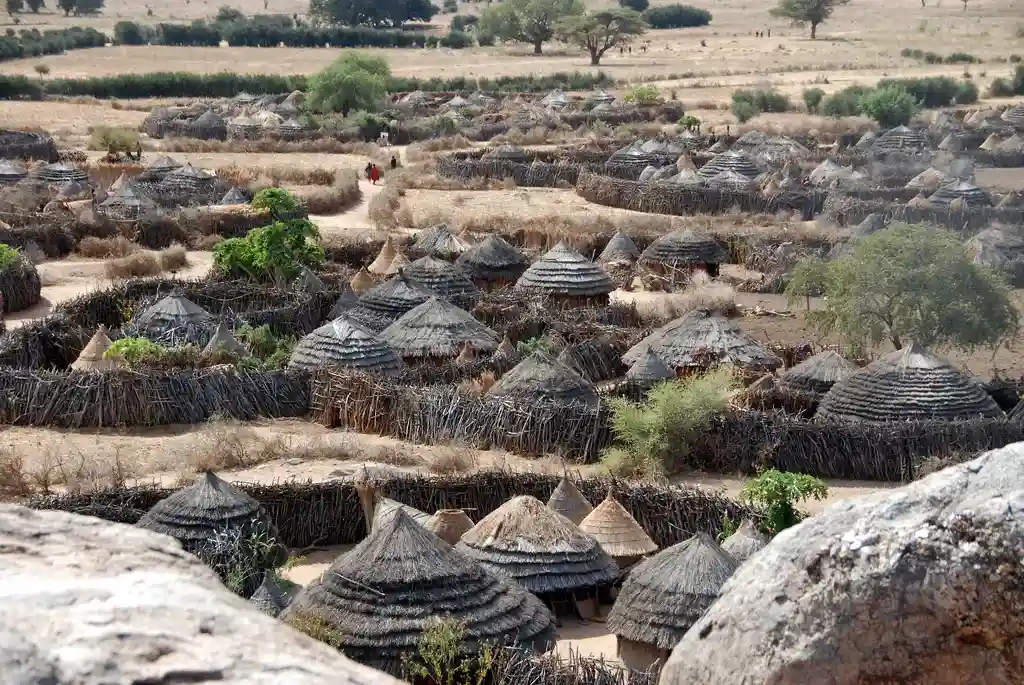
Those who visit the Karamoja Region sees a very beautiful region of Uganda. But behind that beauty also lies a complex history. Due to its remote location, the region of Karamoja remained relatively isolated from the rest of Uganda for a long time. At the same time, drought, poverty, cattle rustling, and the presence of weapons posed challenges for years. As a result, an image of Karamoja region emerged as an unsafe part of Uganda. That image is now largely outdated. In recent years, Karamoja area has undergone tremendous development. Roads have improved. Safety has increased significantly. And more and more travelers are discovering the area. At the same time, it remains an area where challenges exist. And where development sometimes proceeds more slowly than in other parts of Uganda. That is exactly why you get a unique glimpse here into a region that is constantly evolving.
Not an open-air museum
Some travelers expect to find a kind of open-air museum in Karamoja. It is not. Karamoja Region is not a place where people live for visitors. It is a living, evolving region where everyday life unfolds naturally. Children go to school, families care for their livestock, markets buzz with activity, and communities work towards a better future. That is exactly why a tour of Karamoja often feels so authentic. You are not watching a performance or a staged cultural display. You are experiencing a real place and meeting people who continue to live according to traditions that remain an important part of their identity. To truly appreciate Karamoja, all you need is an open mind. Bring your curiosity, show respect, and be willing to step beyond the familiar. The reward is a deeper connection with one of Uganda’s most authentic and fascinating regions.
How do you experience Karamoja Region with us?
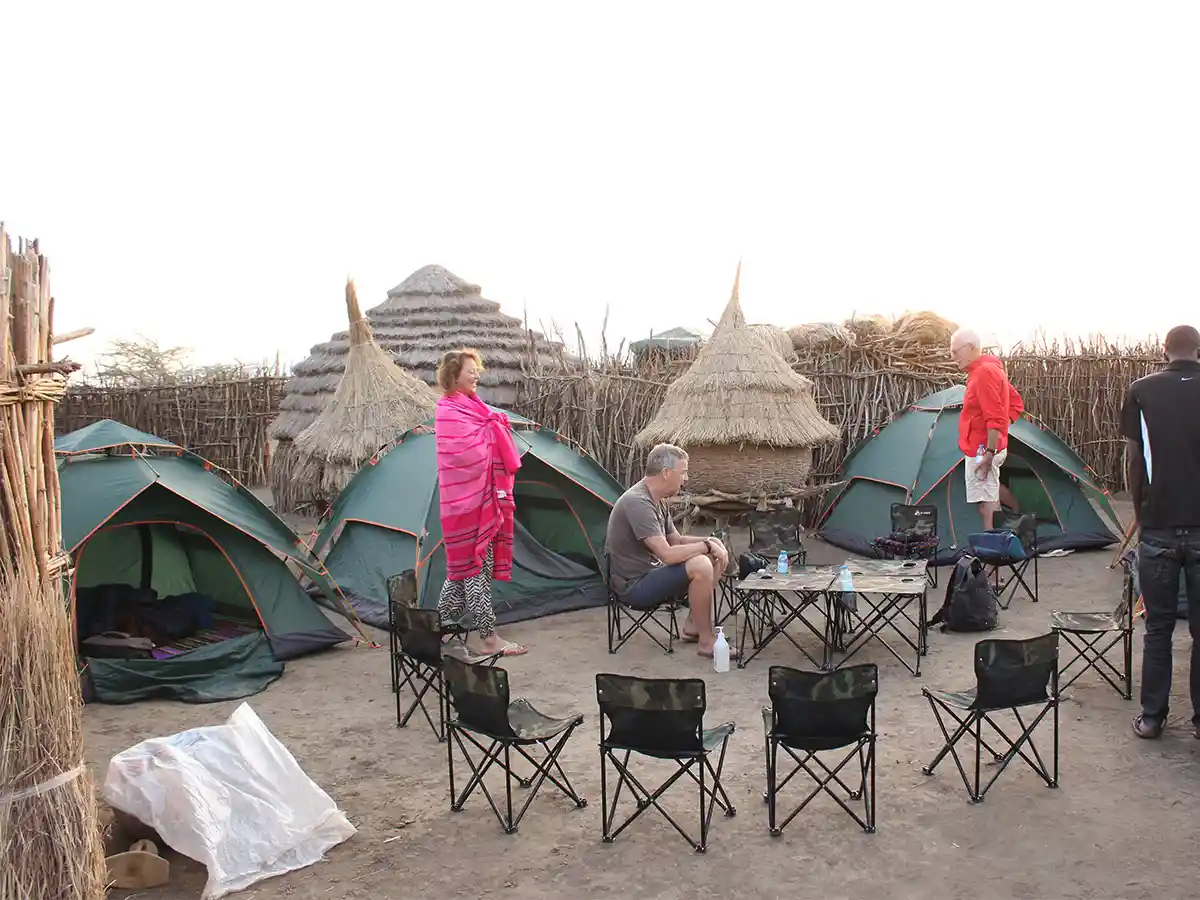
At Choose Uganda Safaris, we believe Karamoja Region is not something you experience from the back seat of a safari vehicle. That is why we focus on creating meaningful connections between you and the people who call this remarkable region home. You will visit local communities, walk through traditional villages, explore vibrant markets, and meet people who are happy to talk about their lives, their culture, and the changes the Karamoja area has undergone in recent years. This is always done with respect for the local community. Not a human zoo. No forced meetings. Instead, you enjoy genuine conversations and experiences. Because we are working with local guides in Karamoja, you gain access to places and stories that you, as an individual traveler, would often not easily discover.
Landscapes of Karamoja
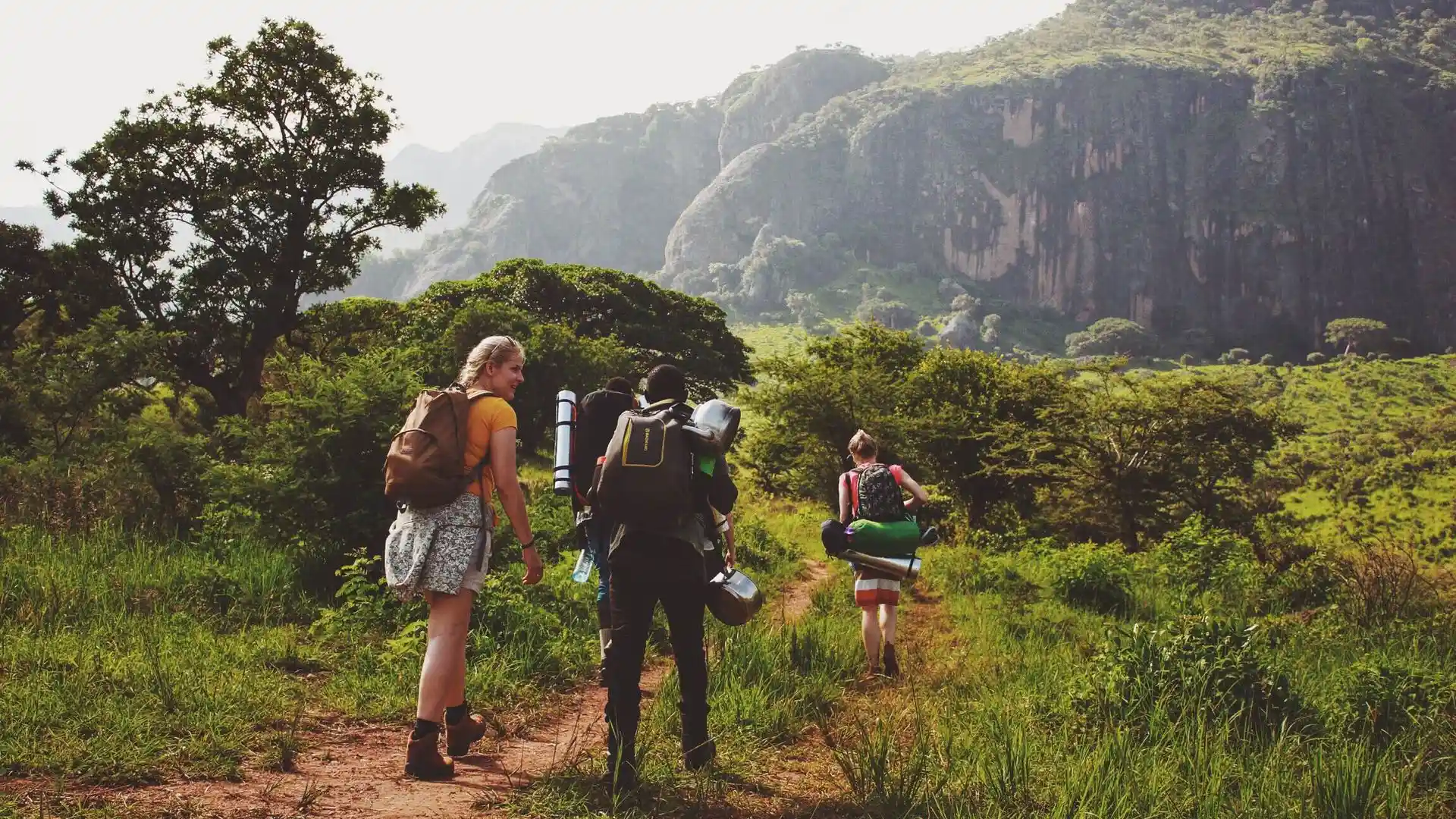
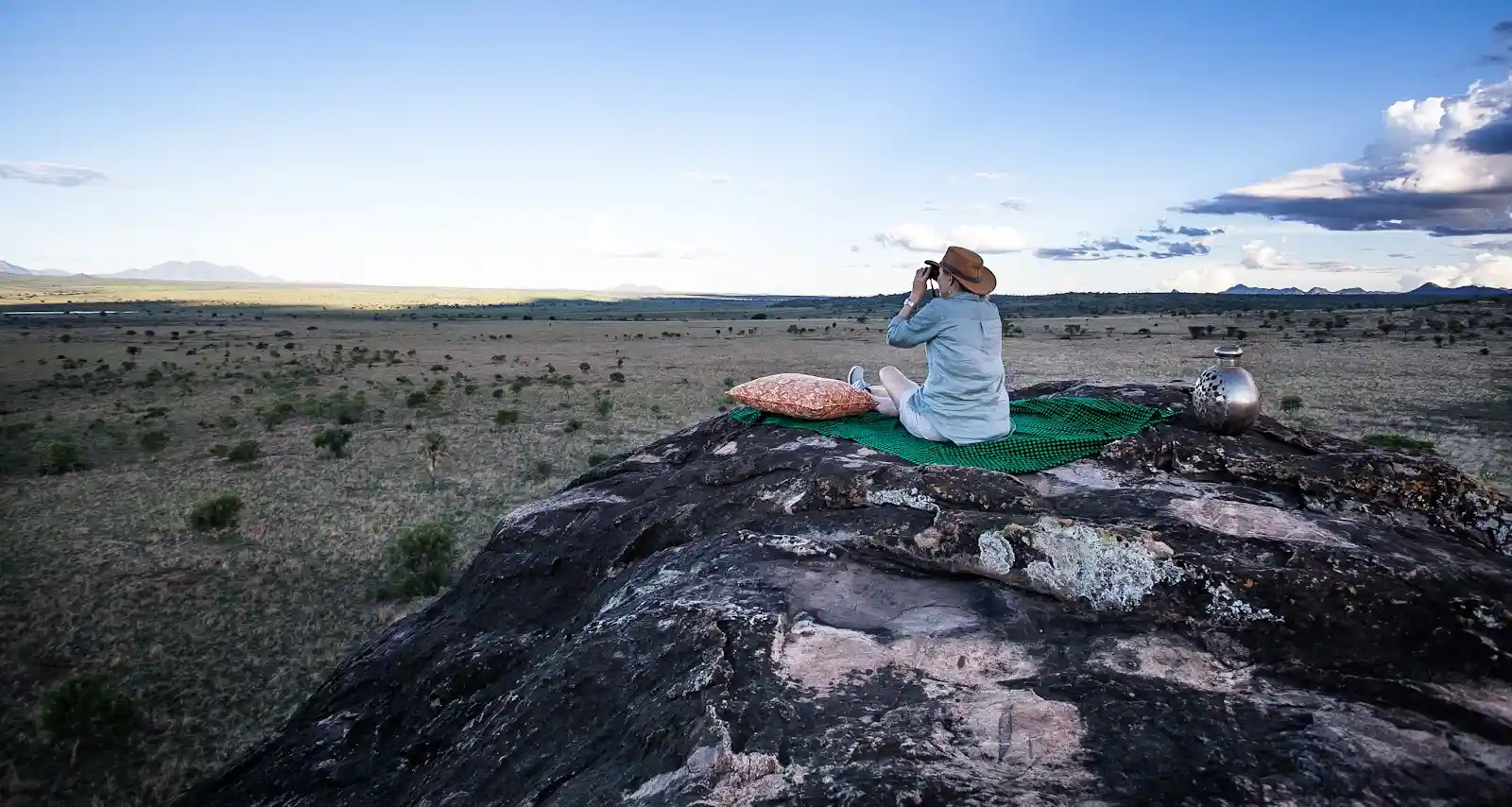
If you think culture is the only reason to visit Karamoja, think again. Karamoja is home to some of the most beautiful landscapes in Uganda. Vast savannas stretch towards the horizon, broken only by rugged mountain ranges, dry riverbeds, and remote valleys. In many places, the scenery feels more like Northern Kenya than the lush, green Uganda that most travellers know. For photographers, Karamoja is a dream. Possibly even more so for peace seekers. There are areas where you can walk or drive for hours without encountering anyone. That sense of space is something you find less and less in many other parts of East Africa.
Karamoja and wildlife
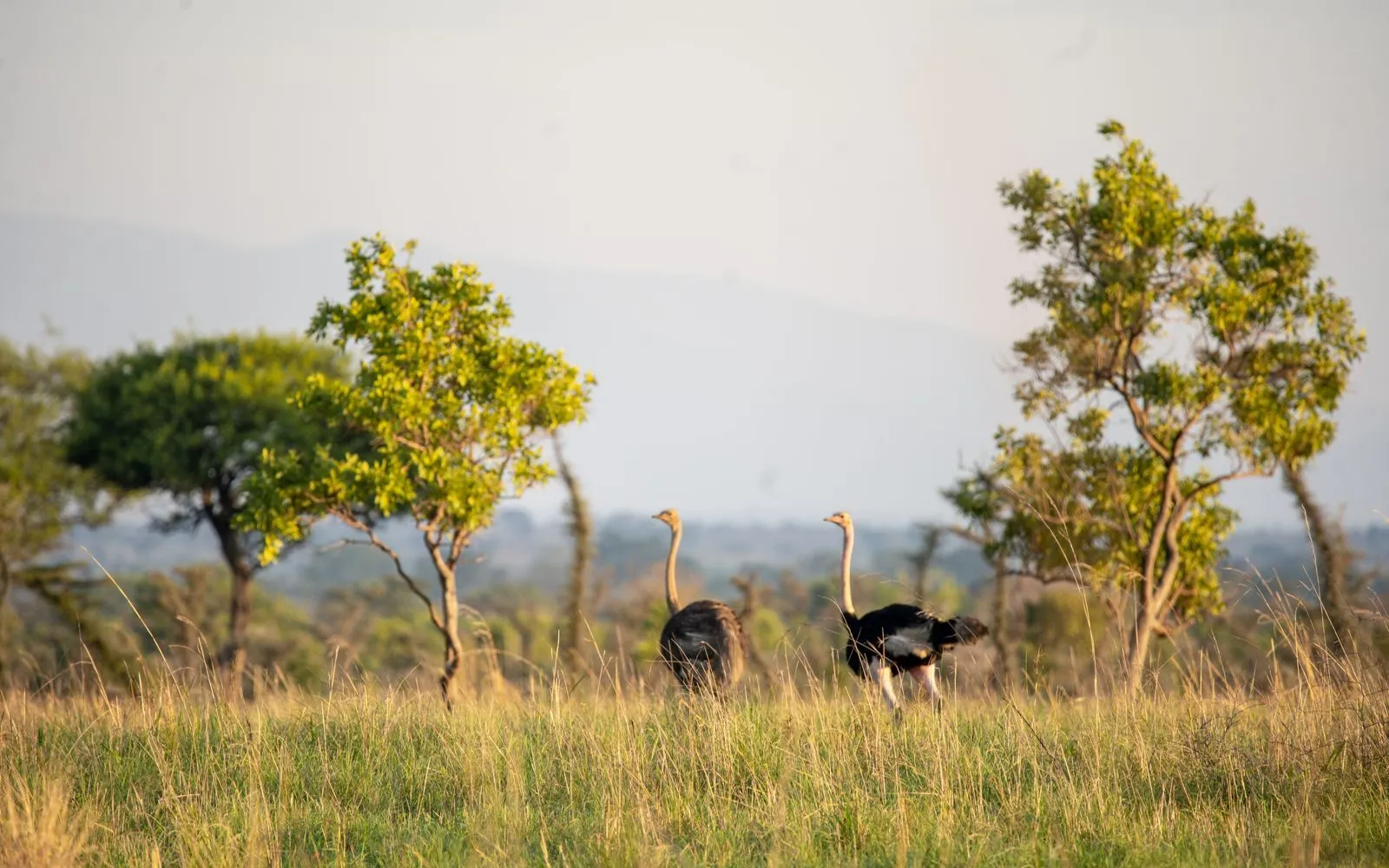
While Karamoja is mainly known for culture and landscapes, you can also encounter wildlife there. The most famous nature reserve in the region is Kidepo National Park. According to many safari enthusiasts, Kidepo is one of the most beautiful national parks in Africa. The combination of vast plains, mountain landscapes, and relatively few visitors create a safari experience that is becoming increasingly rare. No traffic jams of safari vehicles here during lion spotting. Sometimes you are on the road for hours without encountering another safari vehicle. Many travelers therefore combine a visit to Karamoja with a safari in Kidepo.
Is Karamoja Region right for you?
Karamoja offers a side of Uganda that may travelers never expect to find. While a classic Uganda safari tour often focuses on gorilla trekking, chimpanzee encounters, wildlife safaris, and the country’s famous national parks, Karamoja focuses much more on landscapes, culture, and meaningful connections with local communities. For most travelers, Karamoja is not a replacement for Uganda’s traditional highlights. Instead, it is the perfect addition. Gorillas and chimpanzees introduce you to the natural heart of Uganda. Karamoja introduces you to its human heart. It is precisely that combination that makes a Uganda tour so special for many travelers. Those who come to Karamoja discover a side of Uganda that even many Ugandans hardly know.
Planning your perfect tour?
Do you want to include Karamoja Region in your Uganda safari package? Then it is important to carefully consider whether this region fits your tour itinerary, travel pace, and style of travel. Karamoja Region is not a destination you can just add on casually. The distances are vast, the region requires thorough preparation, and the most beautiful experiences arise precisely when you take the time for it. Because we are Ugandans and know the country inside out, we know when Karamoja is a valuable addition to your Uganda trip.
And also when it isn’t. Sometimes the region fits beautifully into an adventurous tour visiting Kidepo Valley, local communities, and the less-visited northeast. Sometimes it is better to keep your trip through Uganda more compact and build in more rest in other places. We will honestly think along with you in this regard. This way, Karamoja doesn’t become a long detour, but a deliberate choice within a well-structured tour. Curious about what your tour of Uganda could look like? Request a no-obligation customized travel proposal.
Tours Featuring Karamoja Region
All can be customized to your budget, travel pace, and interests.
From $ 3531 per person
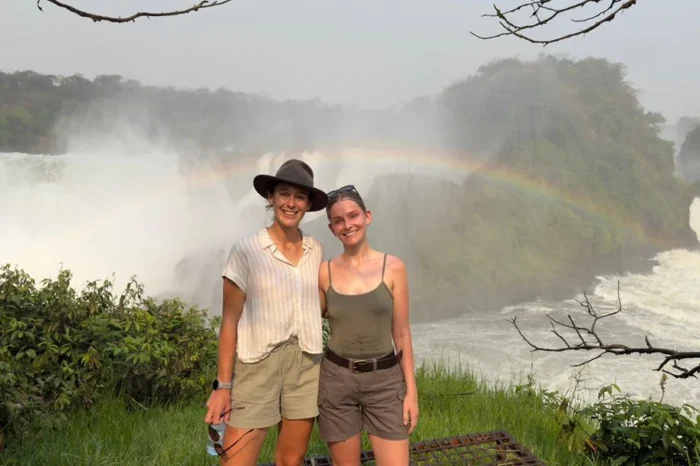
10 Day Uganda’s Hidden Treasures – Kidepo National Park & More
Entebbe – Mabamba – Bugoma Forest – Murchison Falls – Kidepo Valley – Gulu – Entebbe
From $9698 per person
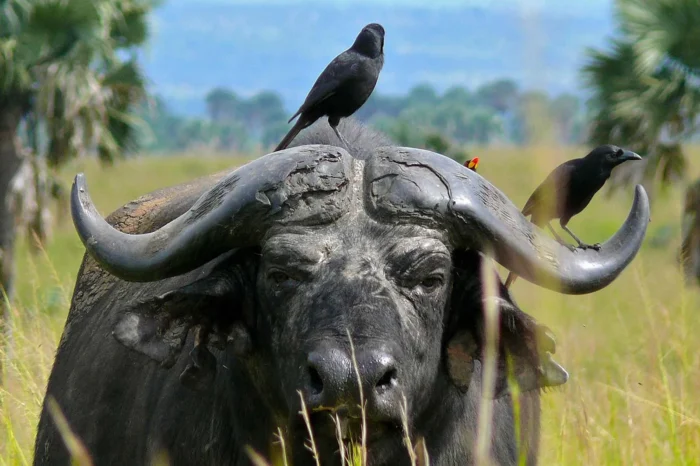
21 Day Uganda Ultimate Safari | Three Weeks In Uganda
Entebbe - Ziwa - Kidepo - Murchison Falls - Lake Albert - Kibale Forest - Queen Elizabeth - Ishasha - Biwindi - Lake Mburo –Mabamba- Entebbe
From $6794 per person
18 Days Safari Adventure: All Peals of Uganda
Entebbe – Jinja - Sipi Falls – Karamoja - Kidepo - Murchison Falls - Kibale Forest – Queen Elizabeth NP – Lake Mutanda/Bwindi - Lake Mburo - Entebbe
$2,915
7-Day Big Five, Kidepo, & Cultural Adventure
7 Day Big Five, Kidepo, & Cultural Safari From US $2,915 Per Person Tour Overview This 7-day safari takes you deep into Uganda's wild north, where incredible wildlife, breathtaking landscapes, and rich local culture come together in one …
Contact
Follow us on
Safaris BY Type
Packages
About Us
We founded Choose Uganda Safaris with a dream in hand: to organize the most beautiful trips for people who want to discover Uganda. Since then, we have built a passionate local team with one goal: to make your Uganda trip an unforgettable experience.
1
Chat