culture and nature TOURS in uganda

In Uganda, we have a rich, unique culture.

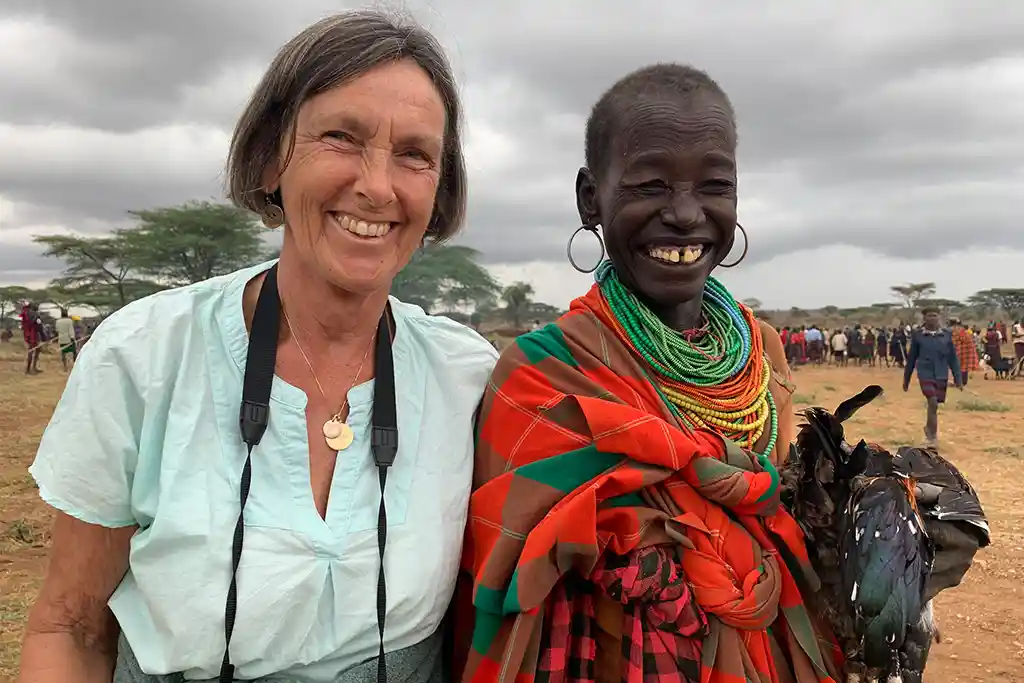
Uganda is home to over 56 different tribes, each with its own language, traditions, and customs. Safety and warmth go hand in hand here. Known as Africa’s friendliest country, Uganda greets visitors with genuine hospitality from the moment you land. You are welcome here. During the culture and nature tours, we aim to show you as much of real Ugandan life as possible. Your tour guide ensures plenty of interaction with local communities, giving you the chance to step into their world and experience daily life in a relaxed way. For example, you may take part in community activities such as cooking workshops with a group of women from the village or joining locals in the fields to plant or harvest crops.

The beauty of nature in Uganda

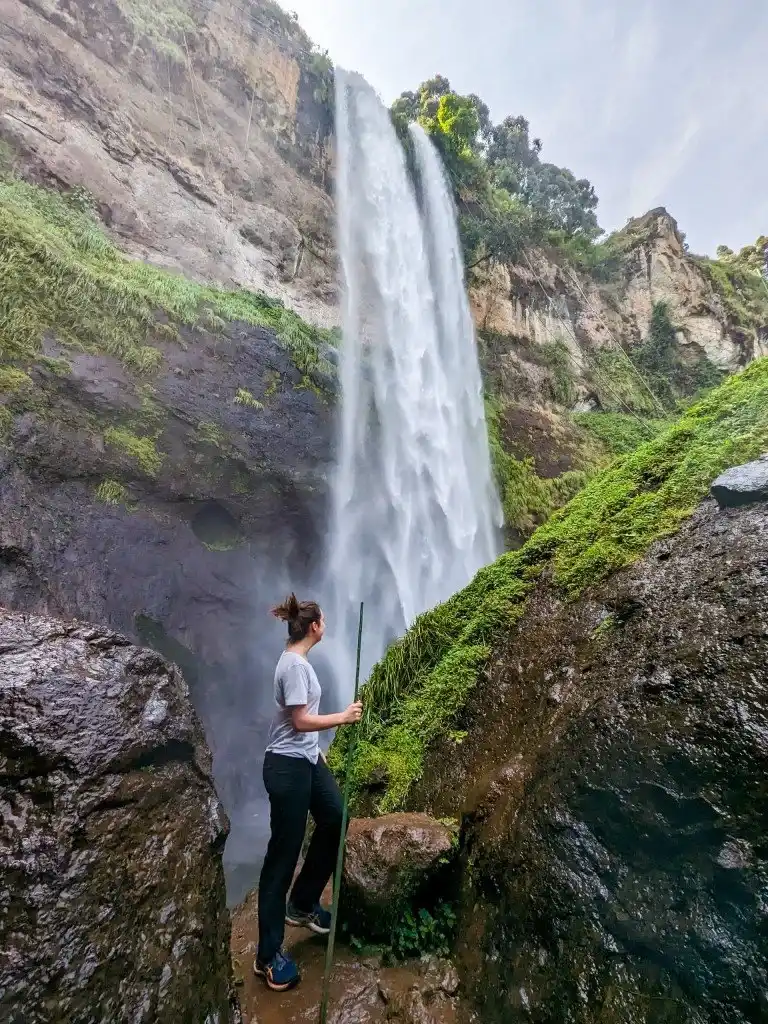
When it comes to nature, few places are as beautiful and diverse as Uganda. A short drive can take you into a completely different landscape. One moment you are in a deep green jungle among wild gorillas, and the next you are on the savannah surrounded by lions. Soon after, you may find yourself in a snow-capped mountain range. Each of these landscapes has its own vegetation and wildlife. In short, you experience remarkable variety and see a great deal in a short time.

Best culture and nature tours in uganda

All Can Be Customized

Responsible Culture and Nature Tours in Uganda

With our culture and nature tours in Uganda, we gently encourage you to step outside your comfort zone and discover a new world. We reveal the beauty of Uganda while carrying a strong sense of responsibility (both toward our guests and the local communities). We provide clear cultural guidance, including do’s and don’ts, so you can travel with respect and understanding. For us, contributing also means knowing what not to do. For example, we do not include visits to schools or orphanages. Our tours are designed to create a positive impact for Uganda and its people. If an activity does not meet that standard, we choose not to include it.

culture

Visiting tribes in Uganda

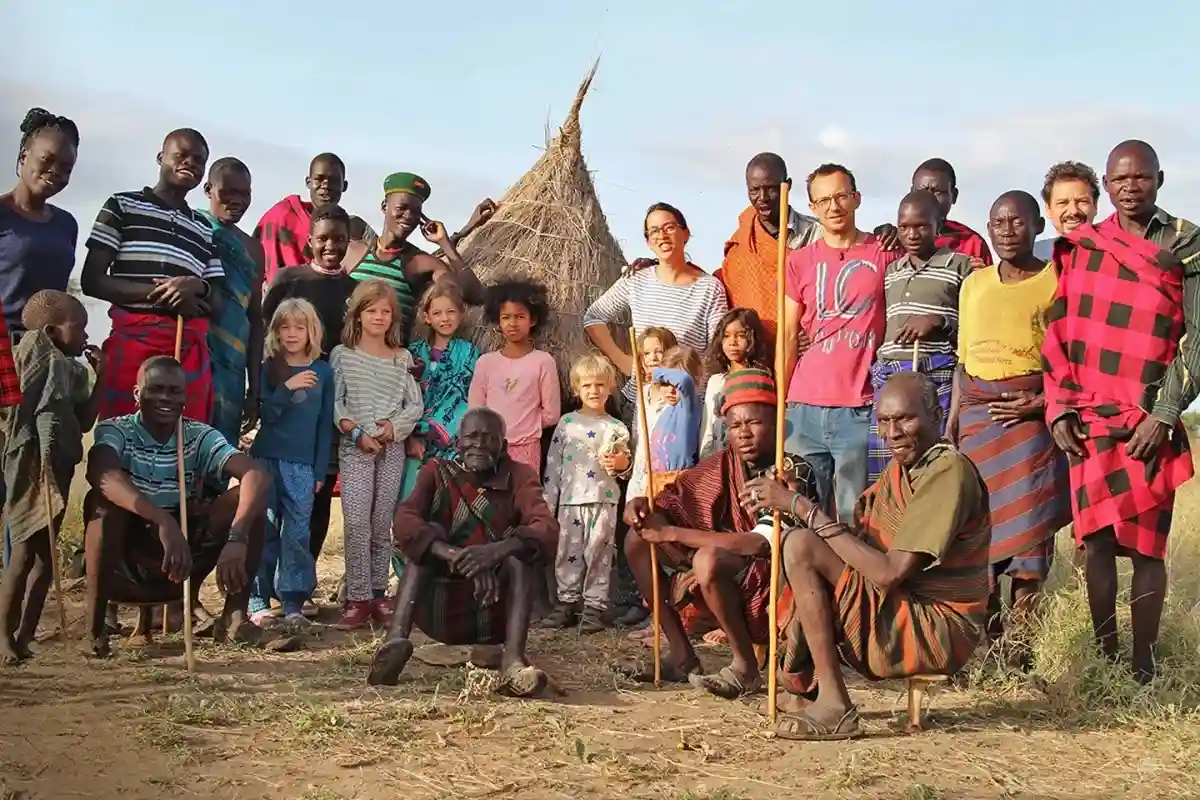
During our culture and nature tours in Uganda, you will have the opportunity to visit local tribes. One of these is the Karamojong in the remote northeastern region. They are nomadic cattle herders, and you will take part in their daily life, from preparing meals to herding cattle and joining village gatherings. They live by centuries-old traditions, and you are welcomed into their world in an authentic way, not as a staged performance. 

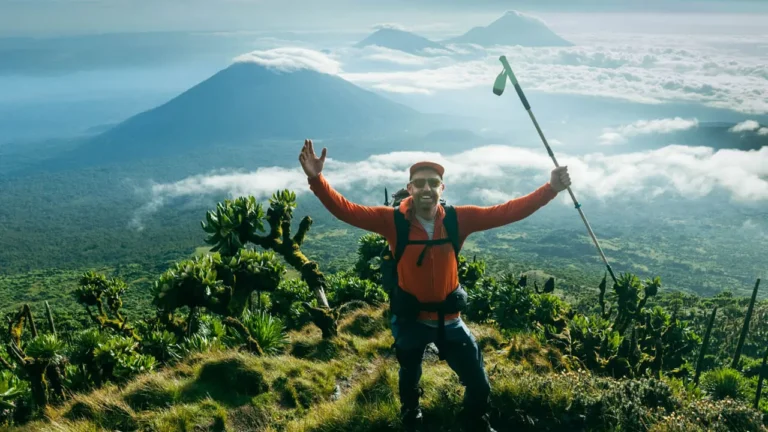
In addition, you may visit the Ik tribe, which is more remote and challenging to reach. They live in isolation high in the mountains. Reaching them requires a full-day hike to the summit of Mount Morungole, where you can observe and learn about their unique way of life in a truly untouched environment.

Sleeping in the most beautiful spots

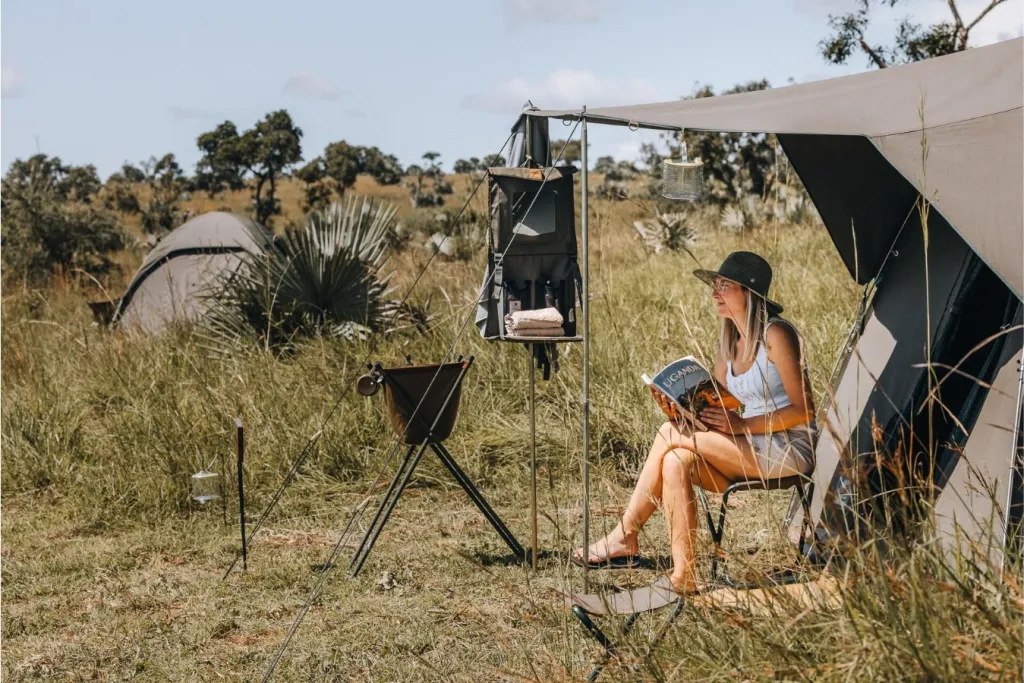
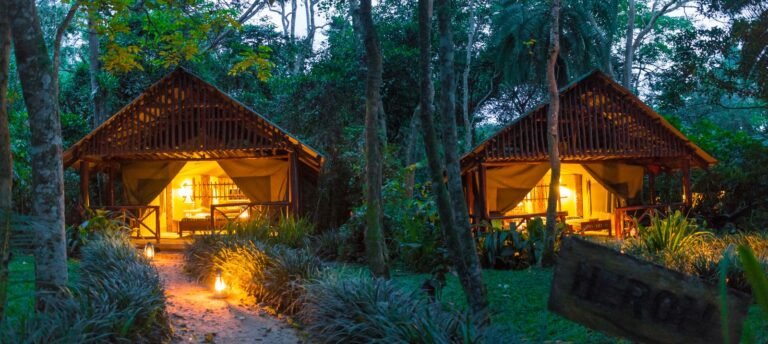
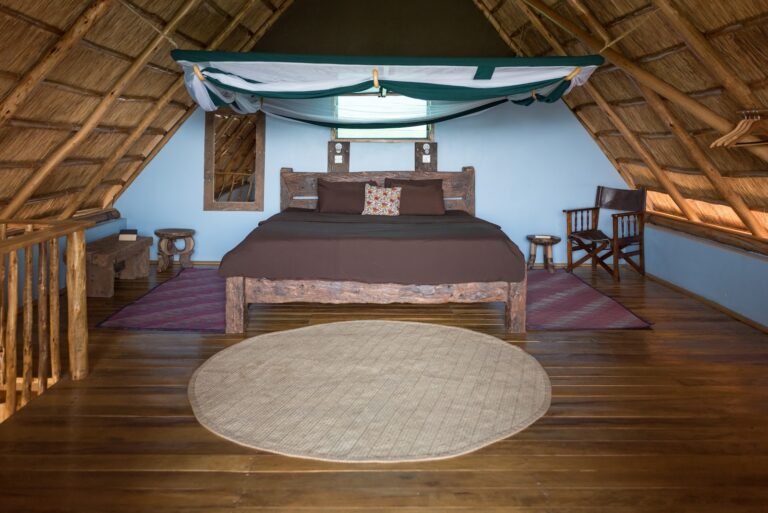
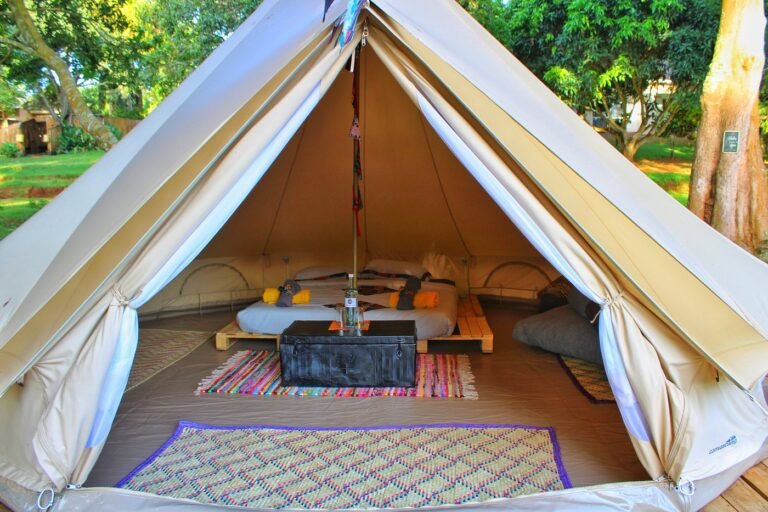
We a great experience in the Uganda tourism industry, we know very well what the finest and most beautiful places to stay are. We make a selection that suits you well. These are currently a few of our favorites during the culture and nature tours:

Kibale Forest Camp
Kibale Forest Camp

Kibale Forest Camp is one of the best budget and mid-range lodges near Kibale National Park,...


Murchsion River Lodge
Murchison River Lodge, Murchison Falls

Murchison River Lodge Murchison River Lodge Murchison River Lodge is a friendly, mid-range lodge...


Via Via Entebbe
Via Via Entebbe

ViaVia Entebbe offers several types of comfortable accommodation to suit every traveler—rooms,...


Frequently asked questions

About Culture and Nature in Uganda

Uganda culture and nature tours offer great variety. From stunning landscapes and wildlife to meaningful encounters with local communities, there is much to experience, and this may raise questions. We’ve answered the most frequently asked questions below. If you cannot find your question here, feel free to contact us.

Uganda is incredibly diverse. It offers everything from dense rainforest jungle and open savannah to mountain ranges and crater lakes. What you “must not miss” depends on your interests, but several destinations are featured in many Uganda safari tours:

Bwindi Impenetrable Forest National Park.

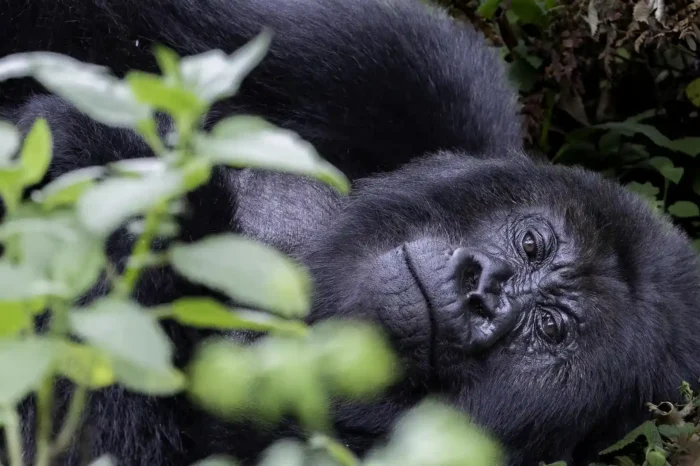
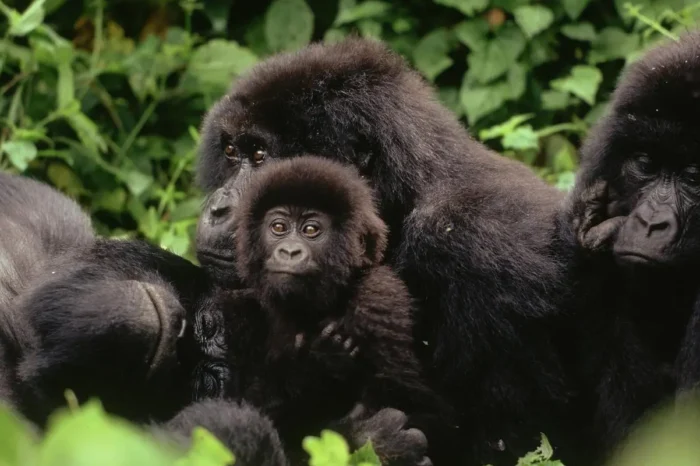
This is where you will find the mountain gorillas. Dense green jungle, steep terrain, and an experience that feels nowhere else as intense.

Queen Elizabeth National Park:

A diverse park with savannah, lakes, and abundant wildlife. Known for the boat trip on the Kazinga Channel and the tree-climbing lions in Ishasha.

Kibale Forest National Park:

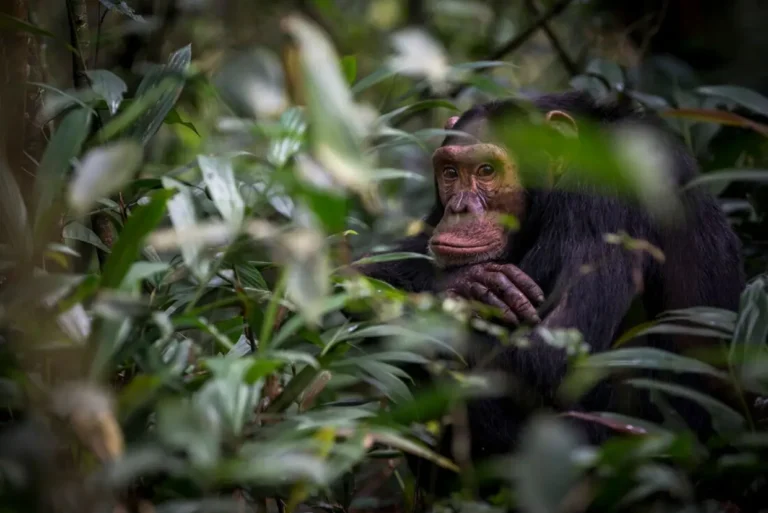
The best place for seeing wild chimpanzees in Uganda. Green, accessible rainforest jungle with a high chance of encounters.

Murchison Falls National Park:

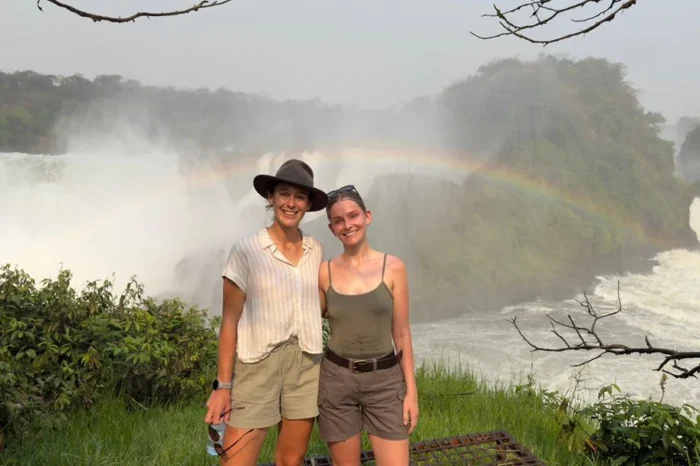
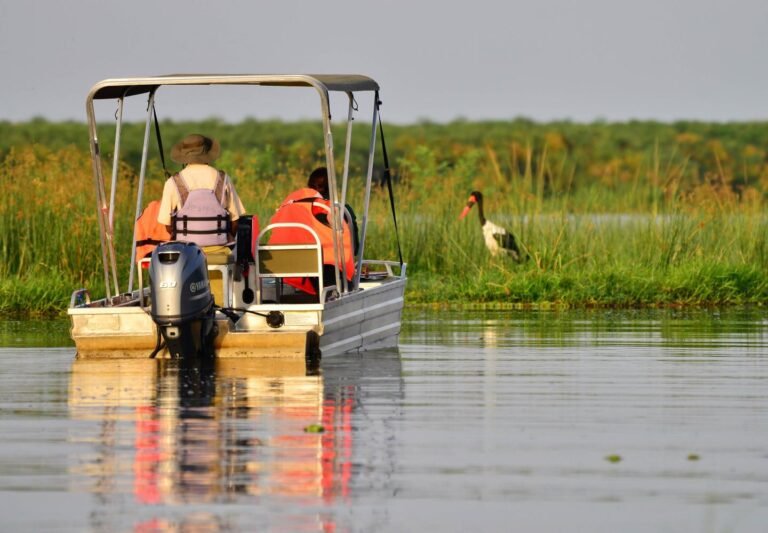
The wildlife-rich game park. A diverse and beautiful landscape. Here you see the Nile River squeezing through a narrow gorge and go on safaris in open savanna.

Lake Mburo National Park.

Smaller scale and quieter. Ideal for active travellers. You can go a walking, cycling safari or horseback safari.

If you have a bit more time during your culture and nature tour in Uganda, Kidepo Valley National Park and the Karamoja Region are absolutely worth a visit. This remote region in the north feels raw and pristine and is considered by many to be one of the most beautiful places in Africa.

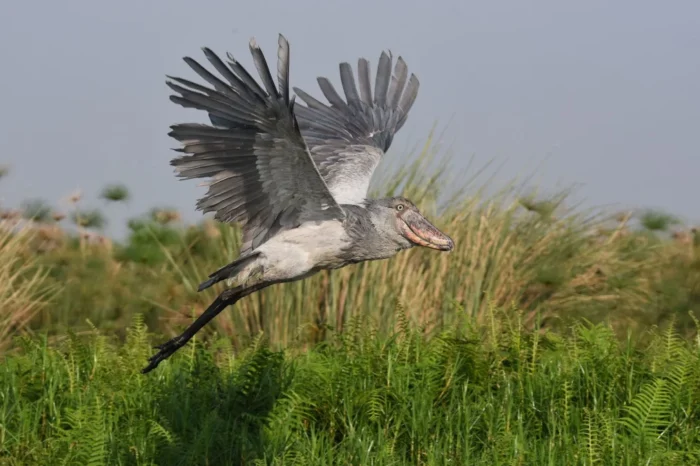
Also, Mabamba Swamp near Entebbe Airport is worth a visit. This marshland on the shore of Lake Victoria is the best place to spot the rare shoebill stork in Africa and offers a completely different, peaceful nature experience.

What makes Uganda truly unique is the combination of all these landscapes. No single park tells the full story. That is why we always plan together with you to match your interests and pace, creating a balanced journey that never feels like a checklist.

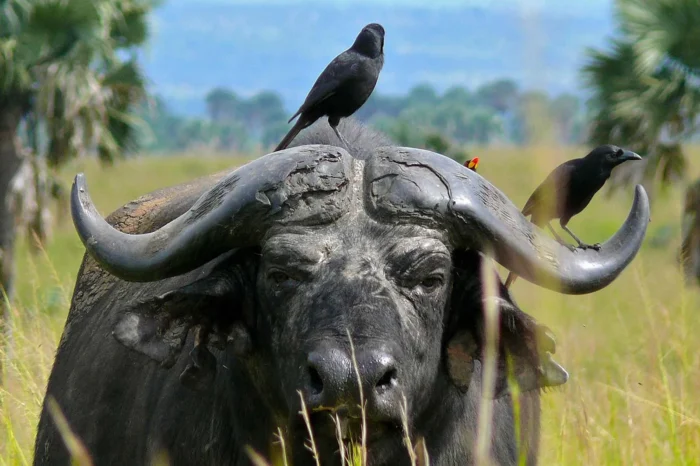
Uganda offers an incredible wealth of flora and fauna. During your tour, there is a strong chance of seeing elephants, giraffes, lions, zebras, and large herds of buffalo. Leopards are also present, although they are more elusive and harder to spot. 

What makes Uganda especially unique is its primates. Chimpanzees and mountain gorillas live in its rainforests, offering a completely different and often deeply moving wildlife experience. The country is also a true paradise for birdwatchers, with almost 1100 species recorded. Among the most famous is the rare shoebill stork. What you see can vary depending on the region and the time of year.

Yes, we intentionally include regions where tourism is still small-scale. One example is the Karamoja region, where the landscape is rugged and visitor numbers remain low.

In these areas, you experience the country in a more authentic and untouched way. There is more peace, more space, and a stronger feeling of travelling off the beaten path.

Compared to destinations such as Tanzania or Kenya, Uganda is generally less touristy. This is noticeable throughout the country, and even more so in its remote regions.

Uganda is remarkably diverse in its natural landscapes. Within a single journey, you move seamlessly between savannahs, lakes, dense rainforests, and mountain regions.

This variety is reflected in its wildlife as well. You may see large herds on the savannah, primates deep in the jungle, and an exceptional diversity of bird species throughout the country.

It is this constant change and richness of environments that makes Uganda so special. No two days feel the same, and each region reveals a completely different side of the country.

We aim to let encounters unfold as naturally and sincerely as possible. In Uganda, there are undoubtedly organized cultural visits and performances. These can be valuable and constitute a vital source of income for some local communities.

At the same time, we notice that this does not always align with how we want to shape travel. Thus, we typically choose to let contact with the local population develop in a relaxed way. For instance, along the way, at a local market, or during safari activities with a local guide.

When we organize a more focused meeting, we always do so together with the community itself. They determine what is shared and in what way. This ensures it remains respectful and balanced. The premise is simple. Not a staged experience, but a genuine introduction.

Uganda stands out through a rare combination of great cultural diversity and an open, welcoming atmosphere. The country is home to more than 50 ethnic groups, each with its own language, traditions, and customs.

At the same time, the culture feels very approachable. Because Uganda is still relatively untouched by mass tourism, encounters often happen naturally and spontaneously. Instead of formal or staged tourist settings, you find yourself in the middle of everyday life.

This creates a more personal and genuine form of contact than in many other safari destinations. People are curious, easy to engage with, and generally very open toward visitors.

As a result, culture in Uganda is not something you simply observe, it is something you gradually become part of as you travel.

Ugandan cuisine is simple, fresh, and based on locally grown ingredients. Many meals are built around filling staples that reflect everyday life.

A well-known dish is matoke, steamed plantains often served with a meat or vegetable stew. Posho (a maize-based porridge) and rice are also common staples, usually accompanied by beans, chicken, beef, or goat.

You will also find dishes such as groundnut stew, a rich peanut-based sauce, along with chapati and the popular street food known as the rolex; a rolled chapati filled with egg and vegetables, simple but very flavourful.

In areas near lakes, fresh fish is widely available, including tilapia and Nile perch.

During your trip, meals are typically served in lodges, where local and international cuisine are often combined. This allows you to enjoy Ugandan flavours while still having familiar options for comfort.

Yes, absolutely. During your Uganda safari tour, you will regularly pass by local markets. These are vibrant places where everyday life unfolds, and where it is often possible to make a spontaneous stop.

Local events such as market days or small community celebrations are less predictable and usually cannot be planned far in advance. That is part of what makes them authentic. If something meaningful is happening during your journey, we will gladly include it in the itinerary.

Your tour guide plays an important role in this. Our guides know the region, the people, and the rhythms of daily life. They know where something is happening, when it is worth stopping, and how to connect naturally with local communities. This often leads to moments you would not easily experience on your own.

We always ensure these experiences fit naturally into the journey, not planned for the sake of it, but included when they genuinely add value.

Yes, that happens almost automatically. As you travel across Uganda, you move through everyday life. You will pass villages, local markets, and often share brief, spontaneous moments with the people you meet along the way.

We intentionally avoid staged village visits or scripted encounters. Instead, we focus on allowing contact to develop organically, as part of the route and rhythm of the trip itself.

Where it adds value, and always in close cooperation with a local guide and the community, we may arrange more in-depth introductions. This could include visiting a coffee farmer or meeting communities such as the Karamojong or the Ik in the northeast.

Because Uganda is still relatively untouched by mass tourism, these interactions often feel genuine, unplanned, and personal. That is exactly what makes them so meaningful.

Yes, in general, travelers feel very welcome in Uganda. The country is widely known for its friendly, open, and hospitable people. Locals are often genuinely curious, happy to engage in conversation, and willing to help without expecting anything in return.

Outside the more tourist-developed areas, interactions often feel especially spontaneous and personal. Because tourism is still developing in many parts of the country, visitors are frequently seen as guests rather than passersby.

This creates a warm and memorable travel experience. At the same time, showing respect for local customs and culture is always appreciated and helps strengthen these positive connections.

In short, you are not treated as just a tourist, you are welcomed as a guest. And that difference is often clearly felt.

Religion is an important and visible part of everyday life in Uganda. The majority of the population is Christian, alongside a significant Muslim minority and some traditional belief systems.

During your journey, you will notice this naturally. Churches and mosques are part of the everyday landscape, and religion often appears in daily conversations and community life.

For travellers, this has little impact on the experience itself. Uganda is generally an open and welcoming country where different faiths coexist peacefully. Respecting local customs is appreciated, but there are no strict rules that significantly affect your safari.

Yes, that is possible. In northeastern region of Uganda, you can meet communities such as the Karamojong and the Ik.

These encounters are always arranged in close cooperation with local guides, ensuring they take place in a respectful and natural way. We avoid staged performances or standardised village tours, focusing instead on genuine moments that fit naturally within the environment and the journey.

The interaction is usually simple, small-scale, and personal. Because of this, it feels authentic and meaningful, without ever being forced.

During your safari in Uganda, there are several ways to experience local life in a natural and authentic way. Rather than staged shows, the focus is on genuine encounters that fit within the surroundings.

You might visit a coffee farmer or a local brewery, or take part in a guided walk where a local guide shares insights about everyday life in the region. A stop at a roadside or village market also offers a real glimpse into daily routines and culture.

In northeastern Uganda, it is also possible to meet communities such as the Karamojong or the Ik, always together with a local guide.

We ensure that all these experiences are organised on a small scale, with respect, and in a way that fits naturally into the itinerary. This is what makes them feel authentic and truly meaningful to the journey.

Uganda is known for its remarkable variety of landscapes. During a safari, the scenery changes constantly, sometimes even within a single day.

In the south, you find dense rainforests such as Bwindi, where mountain gorillas live among misty hills and towering trees. Moving west and north, the landscape opens into wide savannahs in parks like Murchison Falls and Kidepo, home to abundant wildlife.

In addition, Uganda features rolling green hills with tea plantations, crater lakes around Fort Portal, vast wetlands, and the Nile River, which flows through the country as a natural lifeline. Large lakes such as Lake Victoria, along with smaller remote lakes, add moments of calm and contrast throughout the journey.