Kidepo National park

Kidepo National Park – a beautiful combination of landscape, culture and wildlife

Kidepo Valley National Park is the park for purists. Those who embark on the long journey to the far northeast of Uganda (Karamoja region) are rewarded with an Africa as it was 50 years ago. There are no convoys of safari vehicles, no cell phone reception in the bush, just endless expanses. 

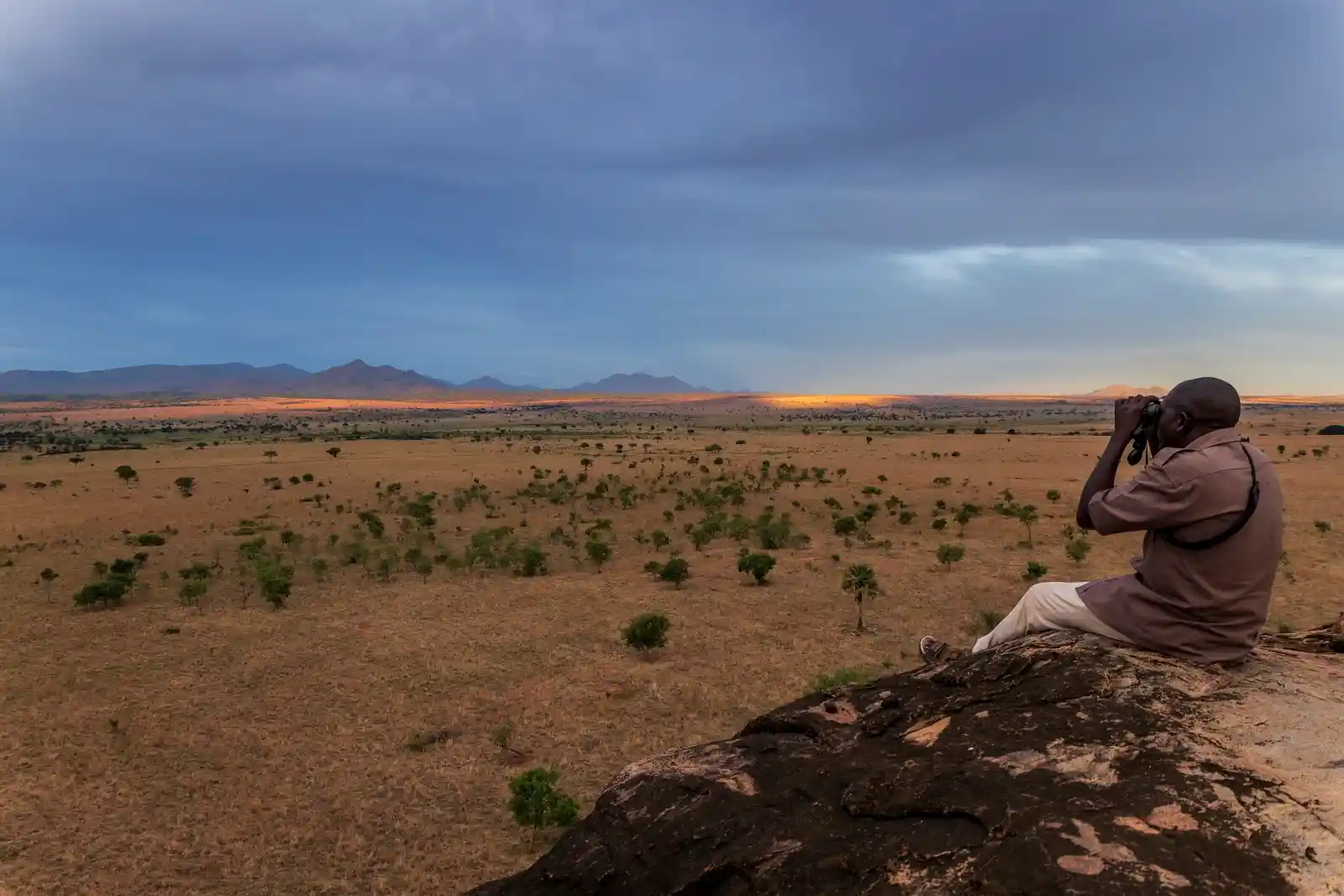
The scenery is almost biblically awe-inspiring: golden grasslands stretch to the horizon, where they abruptly meet the blue, jagged peaks of Moutain Morungole. The national park’s name reflects the harsh reality of life in this semi-region. “Kidepo” derives from the Karamojong word “akidep,” which means “to pick up” or “to gather.” It refers to the fruit of the Borassus palm trees that line the sandy, arid valley. In the droughts, people came here to collect the fallen palm nuts, often their only means of survival.

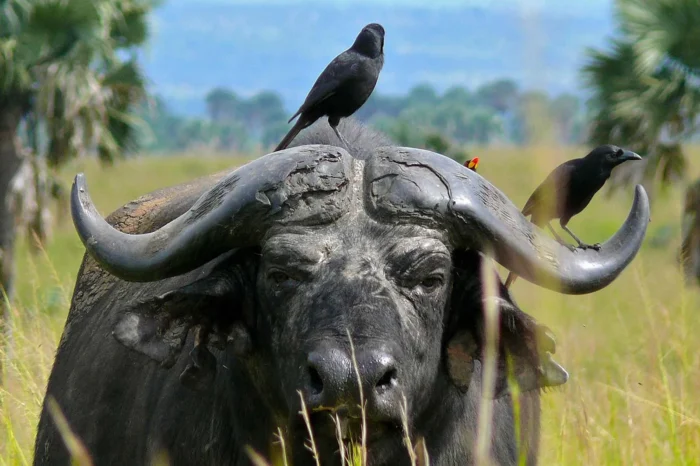
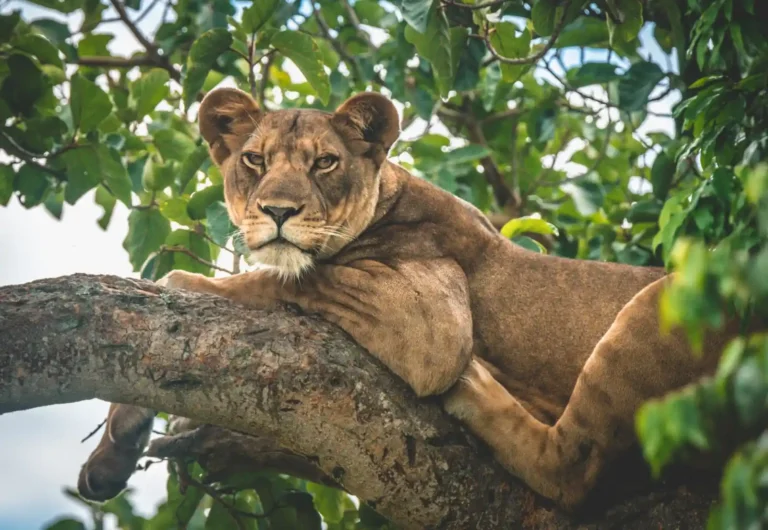
Life in Kidepo National Park is concentrated in two valleys. The Narus Valley is a life-saving oasis; here, water flows even during the dry season, which is why massive herds of buffaloes congregate here, constantly pursued by lions that often perch atop kopjes (the granite outcrops), keeping watch. The Kidepo Valley proper, on the other hand, is typically a dry riverbed of white sand, bordered by palm groves. Anyone driving or walking through Kidepo Valley National Park experiences the solitude of the wilderness, interrupted only by the occasional sprint of a cheetah or the cry of an ostrich. Around the park, there are unique cultural activities: you can visit a nomadic tribe and a local community. Plenty of reasons to visit.

A few facts about Kidepo Valley National Park

There are a number of things you should know about Kidepo Valley National Park:

  • Kidepo is the most remote park in Uganda. It’s located in the northeast, on the border with South Sudan. If you have like 18 days on a safari in Uganda, Kidepo is easy to fit in. If you are traveling to Uganda for less than two weeks, it becomes more difficult to include Kidepo.
  • The climate is different from the rest of the country: there is one rainy season (April to August) and one dry season (September to March).
  • They are very difficult to spot, but cheetahs live in Kidepo Valley National Park
  • Around Kidepo National Park you can do special cultural activities.
  • Kidepo Valley National Park is known for its large herds of elephants and buffalo.
  • Since March 2026, the Uganda Wildlife Authority (UWA) has been reintroducing rhinosto Kidepo National Park. They are gradually releasing rhinos back into the park to rebuild the population.

One of the main reasons to visit Kidepo: the landscape

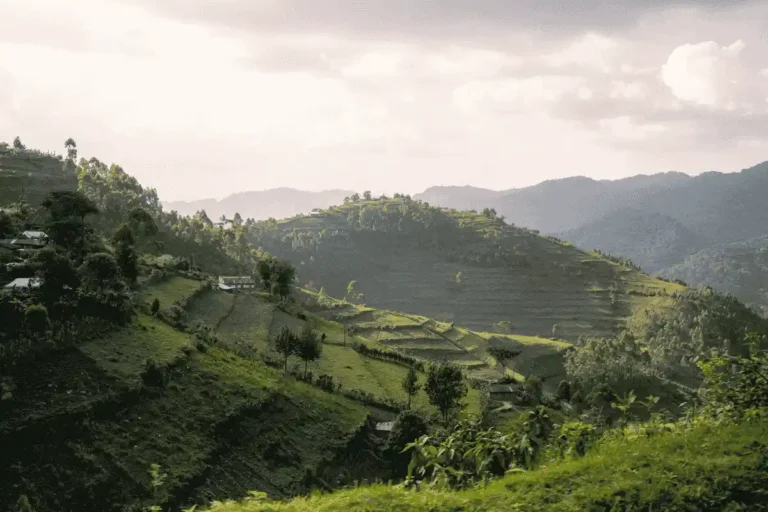
Kidepo Valley National Park safari begins with the unique road leading to it. You drive on unpaved roads, through quite rural villages. Kidepo National Park is best described as a large valley. It is a flat landscape, encircled by a mountain range. It is impressive, beautiful to drive through the park. 

And the beauty of Kidepo Valley National Park: you will hardly encounter another tourist. You can drive around for hours without seeing any other visitor. It feels like it’s truly yours. Unlike the rest of Uganda, the northern region of the country features only one dry and one rainy season. The national park is very green during the rainy season. In our opinion, it is at its most beautiful then. But for wildlife viewing, the dry season is better. Moreover, the landscape is still stunning even when it is dry: the green slowly changes to golden yellow. You can see far, over the grasslands.

Kidepo-Valley-National-Park

There are large herds of wildlife, but they are a bit more difficult to spot

When it comes to viewing wildlife, Kidepo National Park is hit-or-miss. Because the national park is big and shared with South Sudan, it is quite possible that you will see few wild animals. 

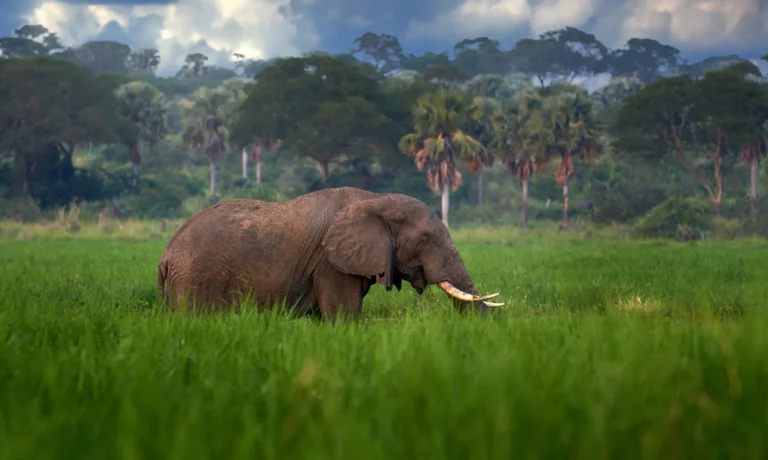
But with a bit of luck, you can have a very special wildlife experience in Kidepo. For example, there are massive herds African bush elephants. During the rainy season months, they are a bit harder to spot. They regularly leave the national park then to search for food. During the dry season months, they often stay in the Kidepo valley, because that is where the water is available the longest. 

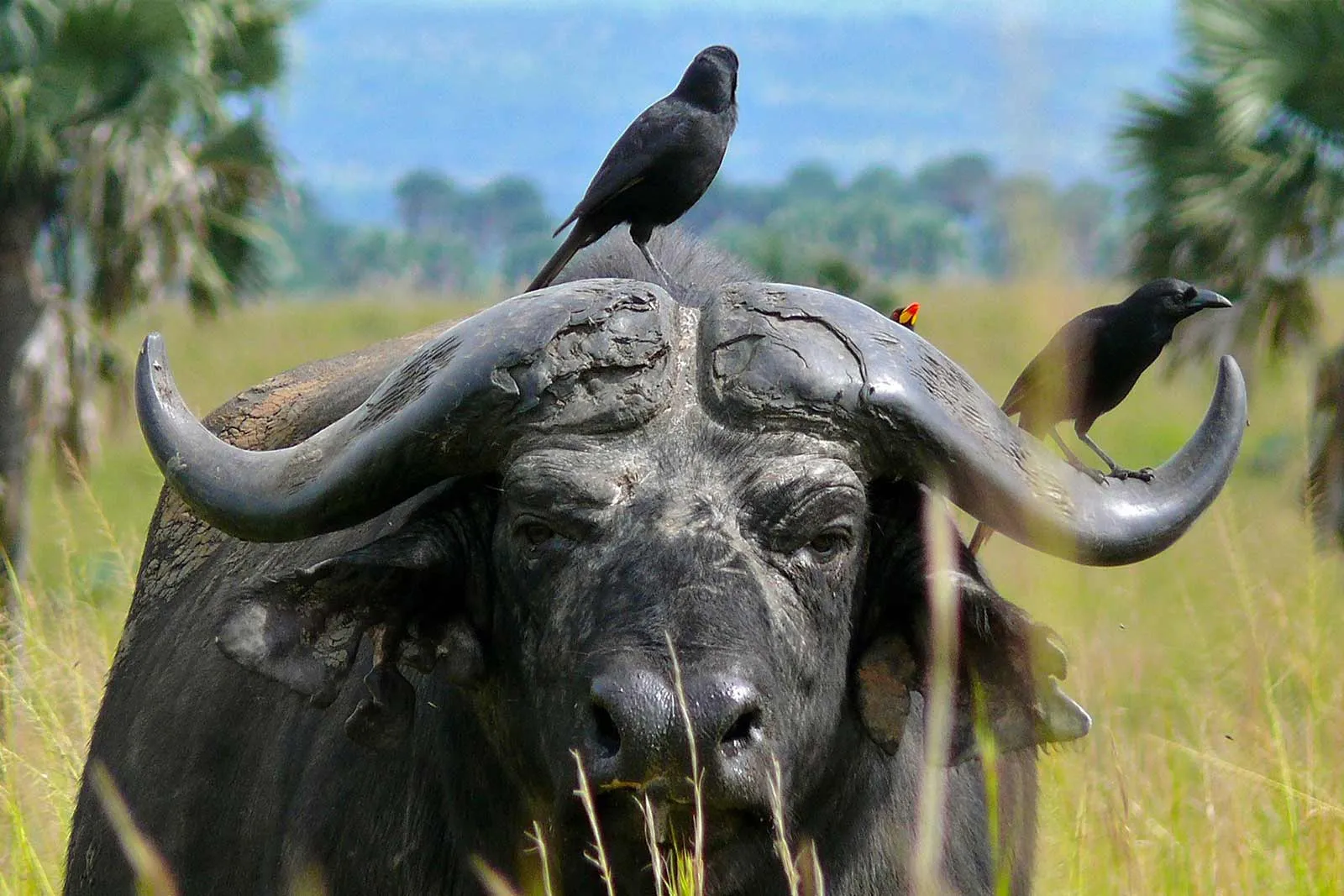
Aside from elephants, there are large herds of  Cape buffalo. So large that you think: is this the Big Migration? Furthermore, there are ostriches in Kidepo National Park. There are zebras and giraffes. For a long time, there was a healthy  population of lions in Kidepo National Park, although it has declined slightly in recent years. Leopards are still present, but (as they should) they do not show themselves easily. And then there are the cheetahs- the fastest land animals.  Also to spot them, you really need to be very lucky: Kidepo is vast park and the number of roads is limited.

uGANDA

Rhinos in Kidepo National Park

What makes Kidepo National Park extra special now is that, starting in March 2026, you can once again encounter rhinos in the wild here. With the reintroduction of this iconic animals, the ecosystem is being restored step by step – making a safari here feel even more like a journey back to how Africa once was. In summary: The vast, fantastic landscape and the beautiful routes – you get all of that in Kidepo National Park regardless. Spotting wildlife is a bit trickier. So view wildlife as a bonus, the cherry on top of your safari cake. 

Safari & cultural excursions

In Kidepo Valley National Park, you can, of course, enjoy the classic game drive. But you can also enjoy walking safaris, just like in Lake Mburo National Park.  In Lake Mburo National Park, you are guaranteed to be surrounded by zebras and giraffes. In Kidepo Valley National Park, it is more about finding tracks, plants, and insects. The focus is more on the landscape, less on the animals. During your walk, you will learn all about the area and its surroundings.

If you are staying in Kidepo National Park for a while, you can also take cultural excursions. For example, from Kidepo Valley, you can trek Mount Morungole. There, you will visit the “Ik” – a tribe that lives high up on the mountain. They have their own language and customs. If culture is high on your list, this is one of the most authentic experiences you can have in Uganda. It’s untouched. It’s raw. Besides visiting the “Ik” tribe, you can also visit the local Karamajong community. 

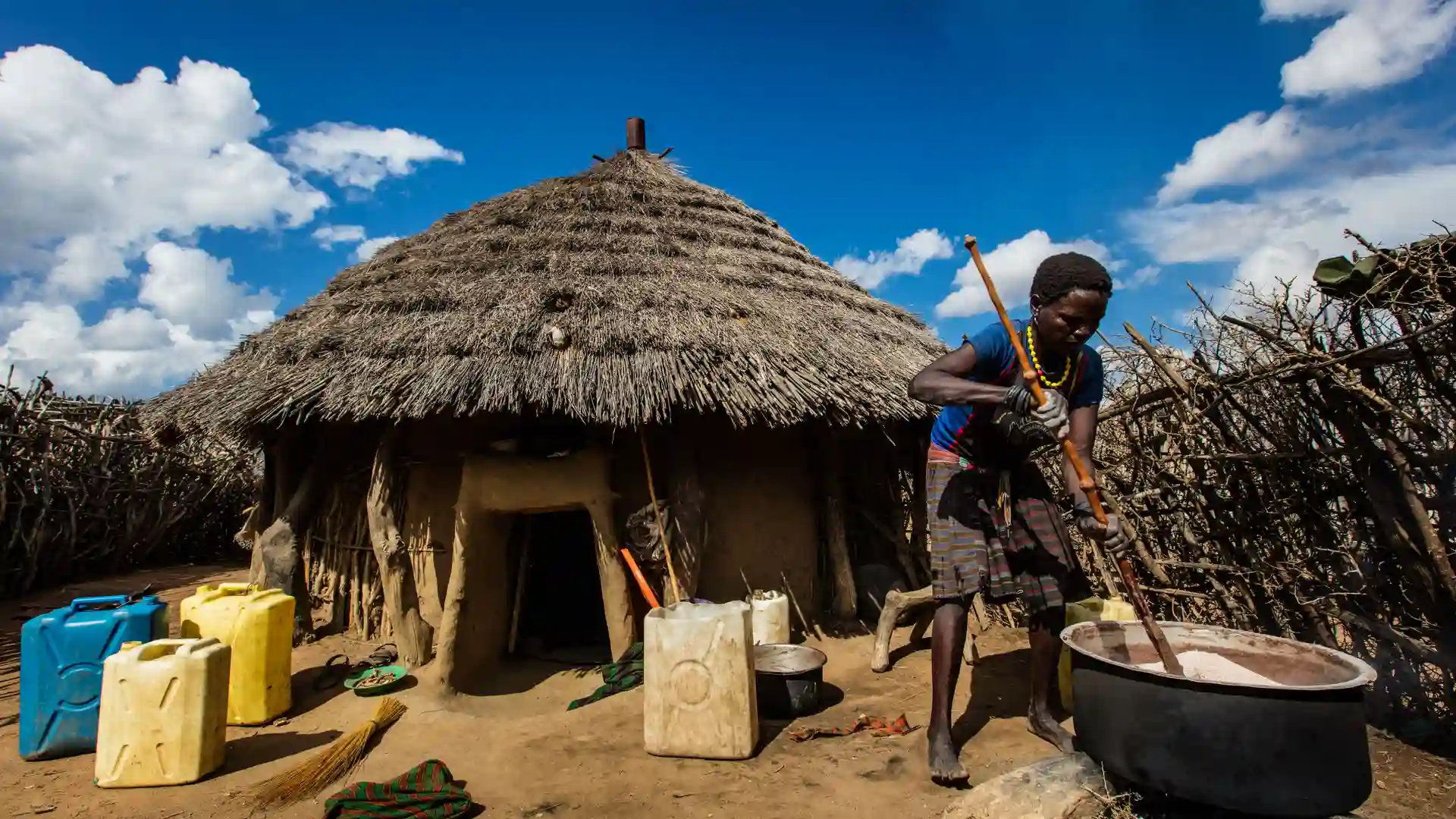
You will see how people live around the park. How they raise livestock. How they store harvested crops. So, besides the beautiful scenery and the chance for unique wildlife encounters, Kidepo Valley National Park is the perfect opportunity to add more culture to your trip.

Karamoja

Faqs about Kidepo National Park

We see some tour operators offer 3-day Kidepo Valley National Park safaris. But in our opinion, you should allow least 4 days for a drive-in trip that visits only Kidepo. And 5 or more days for an itinerary that combines it with other destinations. This is because Kidepo National Park lies more than 550 kilometers/340 miles northeast of the capital Kampala (or nearby Entebbe International Airport) by road. The drive to the park takes more than 10 hours in either direction. In other words, a 3-day safari to Kidepo will involve 2 full days of driving, leaving only 1 day to tour the park. Therefore, if your time is that limited, you would be better to book a safari somewhere closer to Kampala or Entebbe, such as Murchison Falls National Park or Queen Elizabeth National Park.

Kidepo Valley National Park is home to a varied range of savannah wildlife, including all the Big Five. On a safari, you can be almost sure of seeing African bush elephant, Cape buffalo, Common warthog, Rothschild’s giraffe, the ground dwelling patas monkey and Burchell’s zebra. You are also likely to see many antelope including oribi, Jackson’s hartebeest, bohor reedbuck and possibly eland. The carnivores most likely to be encountered are jackal (side striped), but lucky visitors might also see lion, leopard, cheetah and/or spotted hyena. Kidepo National Park is home to several dry-country species that are otherwise absent from or uncommon in Uganda, including aardwolf, bat-eared fox, lesser kudu and Guenther’s dik-dik. The park also has an alluring checklist of almost 500 bird species, and it’s the only Ugandan stronghold for the likes of ostrich, secretary bird and rose-ringed parakeet.

The easiest reserve to visit in combination with Kidepo Valley is Ziwa Rhino and Wildlife Ranch. This small reserve lies alongside the main road coming from Kampala and offers the thrill of tracking wild white rhinos on foot. On an itinerary of at least 5 days (but better 6, 7, 8 or 10 days), you should be able to combine Kidepo Valley and Ziwa with Murchison Falls, Uganda’s largest national park. Highlights of Murchison Falls National Park include boat safaris on a stretch of the Nile River that teems with hippos, crocodiles and waterbirds, and chimp trekking in the neighboring Budongo Central Forest Reserve.

Some longer safaris to Kidepo Valley include other attractions in eastern Uganda, such as the culturally fascinating Karamoja district, Sipi Falls on the slopes of Mt Elgon, and white-water rafting on the Nile near the city of Jinja (on the shore of Lake Victoria). Because Kidepo lies in the far northeast of the country, it is very remote from busier and more popular southwestern parks such as Bwindi Impenetrable National Park, Queen Elizabeth National Park and Kibale Forest National Park. These two regions are usually only combined on safaris of 2 weeks or longer.

Accommodations in this remote park are somewhat limited. The more established of these is Apoka Safari Lodge and the state-run Apoka Rest Camp, which feature a prime location in the wildlife-rich Narus Valley. The smarter budget friend options but less central Kidepo Savannah Lodge and Namoni Lodge are delightful lodges that a wonderful view over the plains.

Because it lies in a semi-arid region, Kidepo Valley National Park receives low rainfall even in the Wet season and can be visited at any time of year. The most fruitful time for wildlife game viewing is usually the Dry season (September to March), when large animals tend to gather around permanent water sources. Climatically, there is a lot to be said for going to Kidepo National Park during the Wet season (April to August), when daytime temperatures are more comfortable and the countryside is attractively green. If you plan on gorilla trekking or chimpanzee trekking during your Uganda safari holiday, it is probably best to focus on seasonal factors that affect these activities, rather than Kidepo Valley National Park, when deciding on the timing of your visit.

A 4- or 5-day Kidepo safari by road will usually cost around US$250 to US$400 per person per day for a private safari with budget to mid-range accommodation, when two people share the vehicle. The exact price depends mainly on your accommodation, number of travellers, route and activities. Kidepo is one of Uganda’s more remote national parks, so getting there by road adds considerably to the cost. A typical safari price includes a private 4×4 safari vehicle, driver-guide, accommodation, meals, park entry fees and the activities included in your itinerary. Always check the inclusions carefully, as different operators quote their prices differently. Flying to Kidepo saves considerable driving time, but the safari will cost more because of the domestic flight.

Tours Featuring Kidepo Valley National Park

All can be customized to your budget, travel pace, and interests.

Expert Uganda travel Guides

Ishasha Wilderness Camp tree climbing lion-7611
Visit the rare tree-climbing lions in Uganda

We have an endless amount of wildlife in Uganda Mountain Gorillas, chimpanzees, the Big Five, the shoebills But one of the most special wildlife experiences is perhaps a visit to the rare...


Uganda safaris
Which national parks does Uganda have?

Uganda has 16 national parks And they are scattered throughout the country Each national park has a unique landscape, unique vegetation, and unique wildlife So during your tour, you see something...


Best Time To Visit Uganda (2).webp
Best Time to Visit Uganda | Dry Vs Rainy Season

You can come for a tour of Uganda at any time of the year The country is always beautiful and travelling around is easy in every season The climate is pleasant However, there are some differences...


Share

Kidepo Valley National Park