What's The Terrain Like?
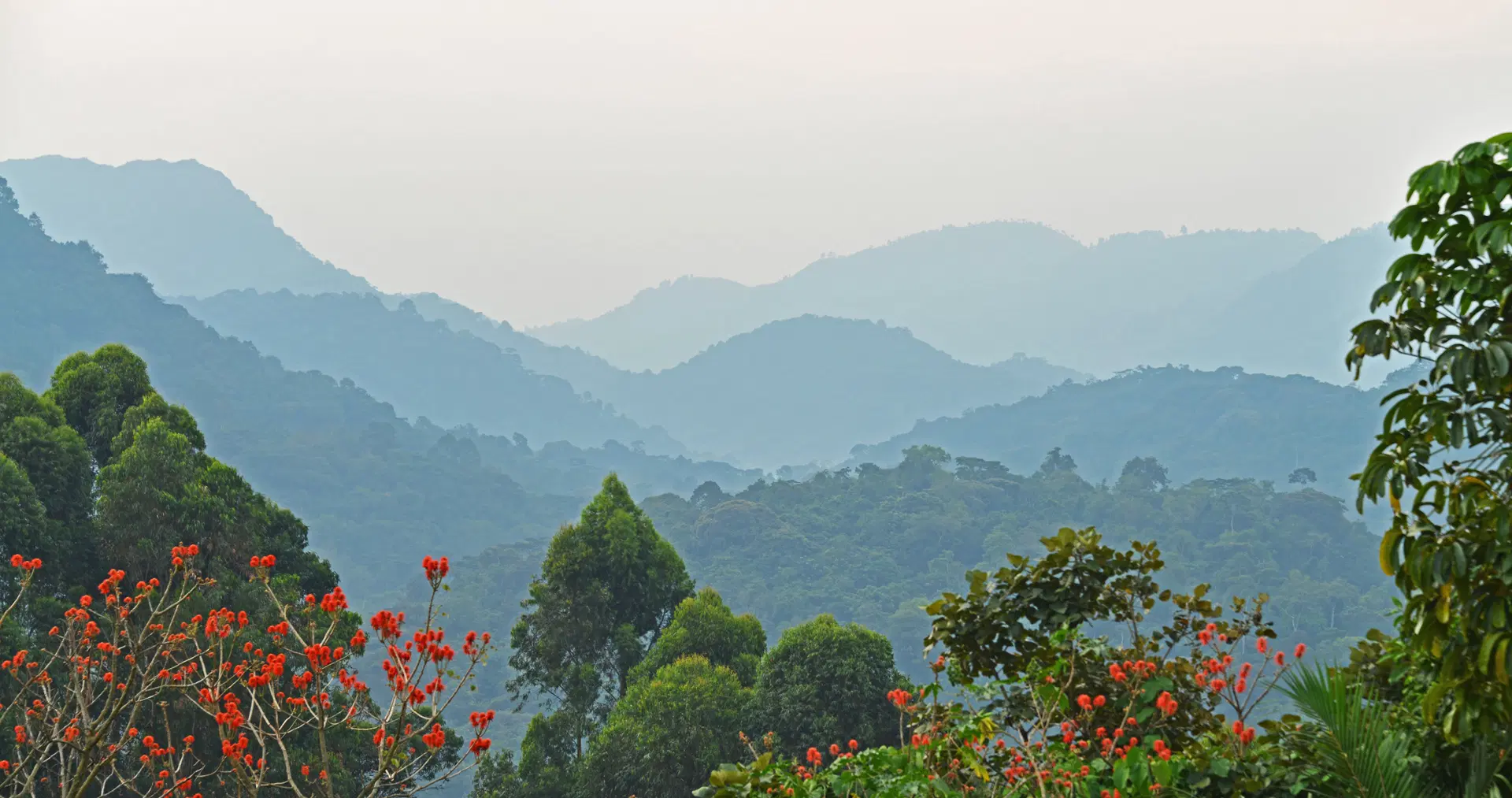
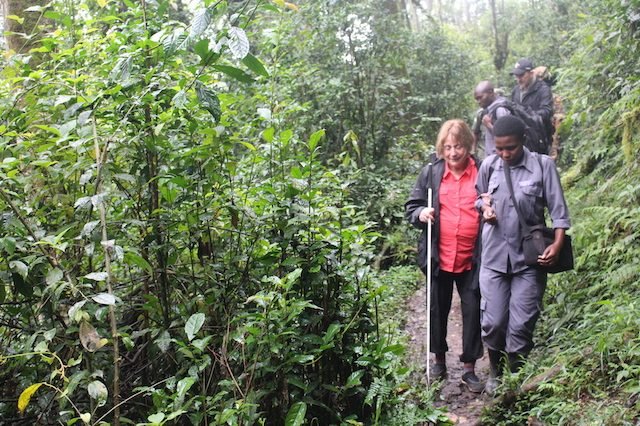
On a gorilla trek, you will hike through dense rainforest and rugged mountain terrain. Expect steep slopes, uneven ground, thick vegetation, and sections that can become muddy and slippery after rain. There are no neatly maintained hiking paths deep inside the forest. The trails are often narrow, and fast-growing vegetation can quickly cover them. Sometimes, your guides have to clear a way through with a panga, a type of machete, before you can continue.
The forest can feel wild and untamed. You may climb steep slopes, squeeze between dense vegetation, and carefully find your footing on wet ground. The conditions can change quickly, especially after rain. Good balance and a reasonable level of fitness are important.
But you do not need to be super athletic or spend hours in the gym before your trip. The pace is usually slow, and your guides will give you time to rest when you need it. Rangers and porters are there to support you when the terrain becomes more challenging.
Good hiking shoes with a strong grip are essential. Sturdy gardening gloves are also useful for protecting your hands and giving you a better grip when moving through the vegetation. Add some patience and a positive attitude, and you will be well prepared for the forest.
At What Altitude Are the Gorillas?
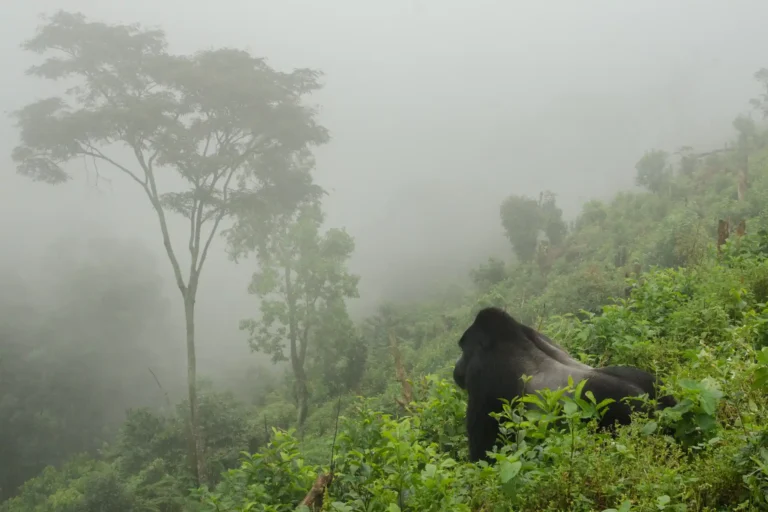
Mountain gorillas live in mountainous areas. But you are not climbing to the top of a volcano to see them. Bwindi Impenetrable Forest National Park ranges from about 1,160 to 2,706 metres above sea level. The gorillas can be found at different elevations within this vast mountain forest. Exactly how high you trek depends on where your gorilla family is on the day.
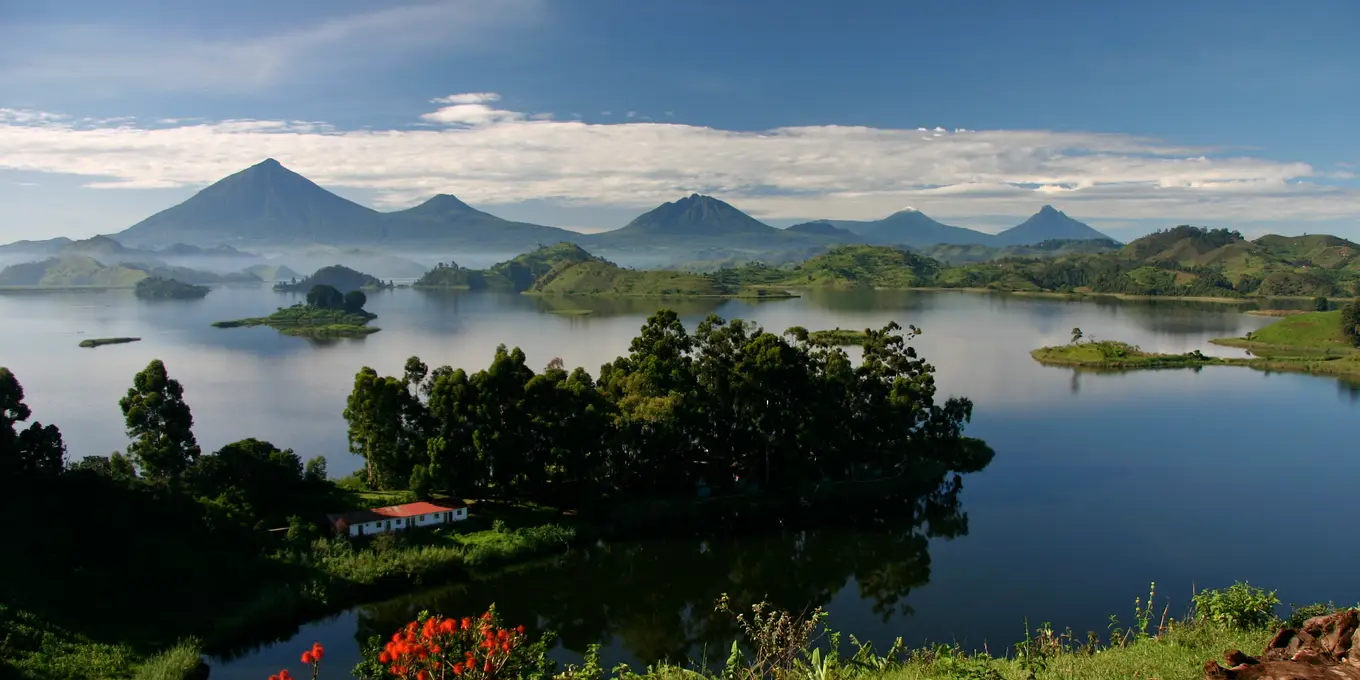
In Mgahinga Gorilla National Park, the forest sits on the slopes of the Virunga Volcanoes. The park includes Mount Gahinga at 3,474 metres, Mount Sabyinyo at 3,669 metres, and Mount Muhabura at 4,127 metres. Your gorilla trek, however, does not mean climbing to the summit of these volcanoes.
You will notice the altitude more when the trail starts climbing. You may breathe faster and feel tired sooner than usual. Dehydration can also be an issue, so drink plenty of water. We recommend carrying at least two litres for the trek, along with some energy-giving snacks. You will be surprised how thirsty you can get on the trail.
How Long Does the Gorilla Trek Take?
Rangers will try to assign you to a gorilla family that is suitable for your fitness level. Some treks can be short and relatively easy, taking about an hour to find the gorillas. Others can be longer and more challenging, lasting three hours or more before you reach them.
This walking time does not include the special one hour you spend with the gorillas. After your encounter, you walk back to the trailhead and return to your vehicle.
On average, the entire gorilla trekking experience takes about half a day. But there is no fixed duration. It depends on where the gorilla family is that day, the terrain, the weather, and how far the gorillas have moved.
If you have any physical concerns or health issues, please let us know when booking. You can also mention this to the rangers during the briefing on the morning of your trek. They will do their best to assign you to a gorilla family that is easier to reach.
We can also take your fitness level into account when planning your trek. This is particularly useful in Bwindi, which is divided into four gorilla trekking sectors: Buhoma, Ruhija, Rushaga and Nkuringo. The terrain varies between the sectors, and some are more demanding than others. Buhoma is generally considered one of the easier areas for gorilla trekking, making it a good option for travellers who would prefer a less strenuous trek.
What Weather Can You Expect?
Gorilla trekking takes place in the rainforest, so rain is always a possibility. It can be bright and sunny when you leave the trailhead, then suddenly turn wet as you climb deeper into the forest.
Temperatures can also change quickly. You may feel warm and humid while climbing, then cool down when you stop or when the forest becomes damp and shaded. Early mornings can be cool, while the combination of sunshine and humidity can make the climb feel warmer later in the day.
The best approach is to come prepared for changing conditions. Wear light, breathable layers that you can add or remove as needed. A waterproof jacket or poncho is essential, as are sturdy hiking boots with good grip. A hat and sturdy gloves are useful too, especially when moving through thick vegetation.
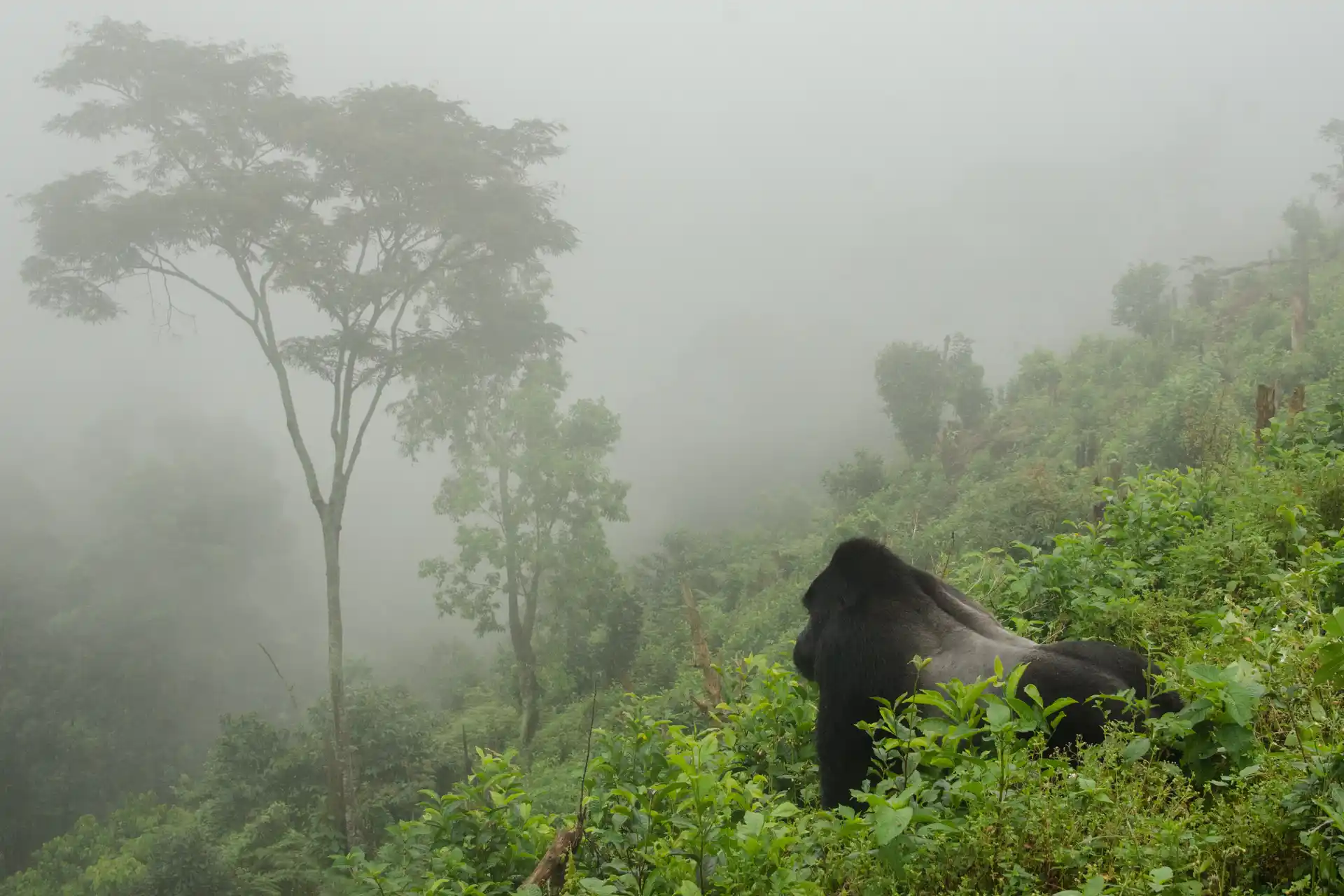
Keep your water and snacks in a small backpack, preferably protected in a waterproof bag. And don’t let the possibility of rain put you off. Some of the most memorable moments in the forest happen when the rain comes down, the vegetation glistens, and the gorillas emerge from the mist. With the right gear and a little flexibility, you are ready for whatever the forest brings.
Read more: Best Time to Visit Uganda
What Help Can You Get?
Gorilla trekking is guided by expert rangers, supported by porters and, of course, your Choose Uganda Safaris driver guide. Our guides know the gorillas well and can advise on what to pack, ensure you have enough water, and help organise walking poles.
At the gorilla trekking briefing point, rangers will explain the trek and give you the chance to hire a porter. Porters are invaluable. They carry your belongings and help you navigate tricky trails, making the hike much easier.
For visitors who need extra support, there is even a simple chair-style stretcher service (Sedan chair). It usually cost USD 300. Originally an emergency solution, it now allows older or less-able guests to safely reach the gorillas. With the right team, equipment, and guidance, almost anyone can enjoy a gorilla trek comfortably. Our travel consultants can arrange all these services to ensure your trek is safe, fun, and unforgettable.
Want To Go Gorilla Trekking?
Choose Uganda Safaris has extensive experience guiding visitors of all fitness levels. If you are interested in gorilla trekking but have concerns about fitness or other needs, rest assured; we have answered hundreds of similar questions. Our team can guide you on the best options and help you make an informed decision about whether gorilla trekking is right for you. We tailor advice to your abilities, preferences, and comfort, ensuring your experience is safe, enjoyable, and unforgettable. If you are worried about your fitness or which season to travel in, then contact us.