What You Need to Know About Malaria in Uganda?

To get straight to the point: malaria is present in Uganda. You need to be well prepared for it, but there is no reason to worry. With the right preparation, malaria is very easy to prevent and manage. But what exactly is malaria? How is it spread, and how can you protect yourself? In this guide, we cover the important things to know about malaria in Uganda, so you can travel prepared and enjoy your time here with peace of mind.

Mount-Gahinga-Lodge-22.avif

What is malaria?

Malaria is a disease caused by parasites. These parasites enter the body through a mosquito bite. Once in the body, they affect the blood. Common symptoms include fever, chills, headache, sweating, and muscle pain. Some people also feel tired or sick to the stomach.

Malaria is most common in tropical regions. Uganda lies in the tropics, so malaria is present here. The warm climate and many water sources make it easier for mosquitoes to breed. We have plenty of lakes, rivers, swamps, and wetlands. These are beautiful parts of the country, but they are also ideal places for mosquitoes to bread. Mosquitoes lay their eggs in water.

We have a lot of water bodies: lakes, rivers, swamps, and wetlands. Those are perfect conditions for mosquitoes to lay their eggs.

How Malaria Is Spread?

As you know, malaria is spread through a bite of an infected mosquito. But there is no special “malaria mosquito” that you can recognize. The mosquitoes that spread malaria look like ordinary mosquitoes. 

A mosquito can pick up malaria parasites when it bites someone who is infected. The parasites develop inside the mosquito. If that mosquito later bites another person, it can pass the parasites on. 

This is how malaria is spread from one person to another.

How to Protect Yourself from Malaria?

You can do a lot to protect yourself against malaria. Here are simple and practical steps.

Visit a Medical Professional for tailored advice:

Before you travel, visit a doctor or travel clinic. They will advise you based on your health, age, and travel plans. They will also consider other medicines you take. This helps avoid side effects or interactions.

Take Preventive Medication:

Some travellers choose to take malaria prevention tablets. There are three main antimalarial medicines commonly used in Uganda. They all require a doctor’s prescription and a personal consultation, as the best option depends on your medical history, other medicines you take, and how long you will be travelling.

  • Atovaquone-proguanil (Malarone): A daily tablet, usually started one or two days before entering a malaria area and continued for several days after leaving. It is a popular choice for shorter trips.

Doxycycline: Daily antibiotic, started one or two days before travel, continued for four weeks after. Increases skin sensitivity and requires sun protection.  

  • Mefloquine (Lariam): A weekly tablet that needs to be started earlier, usually two to three weeks before travelling.

For a detailed comparison, see the CDC’s malaria guidance for travellers. Your doctor can advise you on which option is most suitable for you.

Protect Yourself from Mosquito Bites:

Preventing mosquito bites is the most important step. It is easy and effective. Apply mosquito repellent with DEET or similar ingredients. Use it on exposed skin. This works very well and is safe when used correctly. Reapply in the evening and at night.

Wear Protective Clothing:

Mosquitoes are most active in the evening. Wear long sleeves, long trousers, and socks after sunset. Light-colored clothes work best. This creates a physical barrier against bites.

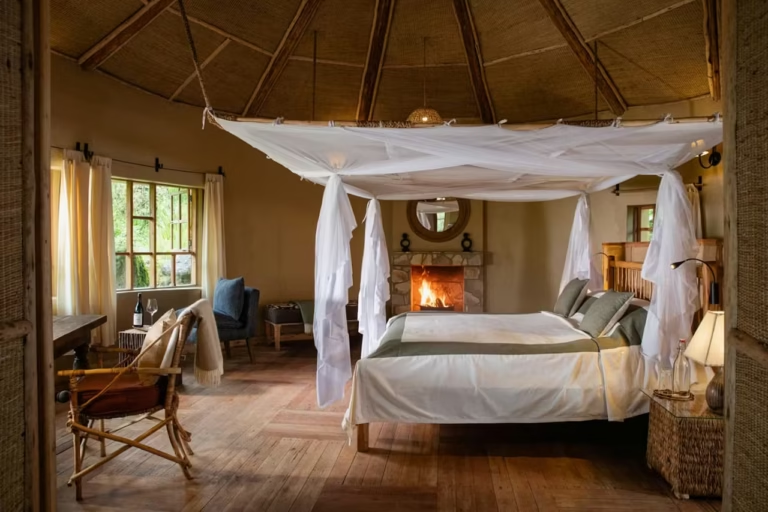
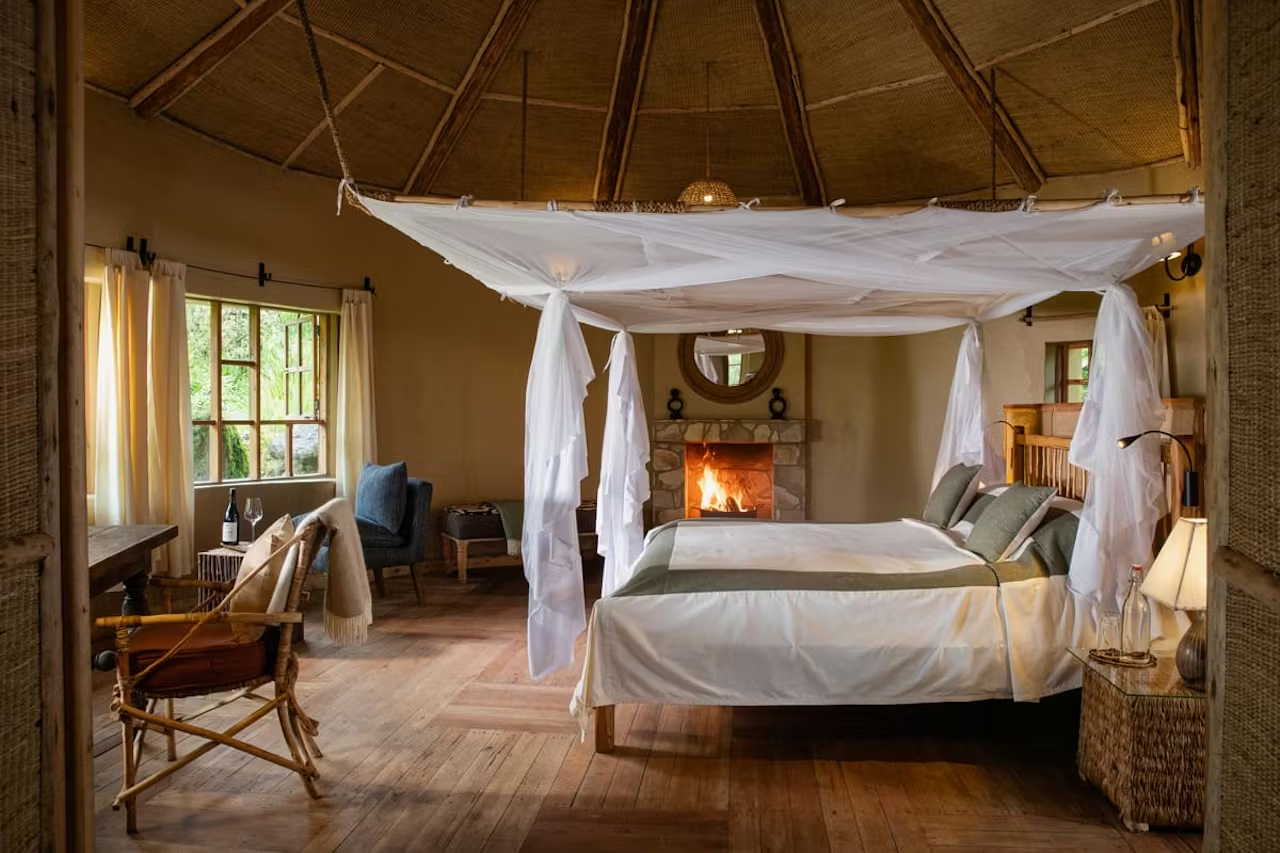
In addition to taking your own precautions, the Uganda safari lodges and hotels where you stay also take mosquitoes seriously. Mosquito nets are widely available, and many lodges spray the rooms before bedtime. Staff may also check the room and make sure your mosquito net is properly closed before you go to sleep. Together with your own precautions, these simple measures can help reduce the risk of malaria during your stay.

Elevation Considerations

Mosquitoes aren’t able to transmit malaria as well at higher elevations (above 2000 – 2500 meters). So, some areas of Bwindi Impenetrable National Park, and upper slopes of Rwenzori Mountains are therefore lower risk. That said, most Uganda safari itineraries move between altitudes, and the benefits of anti-malarial medication apply to the entire trip rather than individual sections. Don’t assume that a night at high altitude means you can skip your meds.

Malaria Can Take Time to Show Symptoms

Should you contract malaria, you may not develop symptoms while you are still in Uganda. 

Sometimes, you only start feeling sick after you have returned to Europe, for example. And that can be a disadvantage. Getting malaria treated in Uganda can be much easier than dealing with it after you return home. In Europe, healthcare is not always set up to deal with tropical diseases. This can mean that you become more unwell, spend more time dealing with the illness, and have a more difficult experience.

If you develop symptoms while you are still in Uganda, you can visit a local clinic. They will test your blood and, depending on the level of infection, give you tablets or an injection. With the right treatment, you can often be back to normal within a few days.

You don't have to worry.

If you take the precautions mentioned above, you run virtually no risk of contracting malaria. In all the years we have been organising safaris, we have not had any problems with malaria among our travellers. As a travel company in Uganda, we are naturally good at organizing tours—we are not doctors—but you do not need to worry. The chance of being bitten by a malaria mosquito is already minimal. And if you do get bitten, you won’t necessarily get sick. If your immune system is working properly, the disease won’t even break through. So, we can say with peace of mind: by all means, come to Uganda. However, because we have a tropical climate here, you should take some extra protection into account.

Frequently Asked Questions

Even with precautions, no method is 100% perfect. If you feel unwell, act quickly. Symptoms often feel like flu. Fever, chills, headache, or weakness are common signs. In Uganda, testing is fast. A simple blood test gives results in minutes. Treatment starts immediately. Most people feel better within a few days.

Malaria is common in Uganda. Because of this, healthcare providers recognize it quickly. Clinics have experience. Medication is readily available. Diagnosis is fast. In some Western countries, malaria is rare. Doctors may not suspect it immediately. This can delay treatment. So, if symptoms appear while you are still in Uganda, treatment is often easier and faster.

The risk of malaria for travelers who prepare well is very low. Using repellent, wearing proper clothing, sleeping under nets, and following medical advice makes a huge difference. Many tour operators, including us, have guided travelers for many years. We have seen very few malaria cases among our guests. Good preparation works.

You might also like

Entebbe.webp
Coming to Uganda? Latest health rules at Entebbe Airport

This page is updated regularly and offers health travel information about Uganda Here, you will find the latest updates on disease outbreaks, entry requirements, and health screening at Entebbe...


Food in Uganda
What to expect in terms of food in Uganda?

Many travellers often wonder what the food in Uganda will be like You might be surprised by how much variety there is You can try delicious local dishes, enjoy fresh tropical fruits, or choose...


Mount-Gahinga-Lodge-22.avif
What You Need to Know About Malaria in Uganda?

To get straight to the point: there is malaria in Uganda You need to be well prepared for it, but it is nothing to worry about What exactly is malaria How can you prevent getting it In this blog, we...


Share

What You Need to Know About Malaria in Uganda?