3 Days Uganda Gorilla Trekking & Safaris

Three Day Uganda Tours

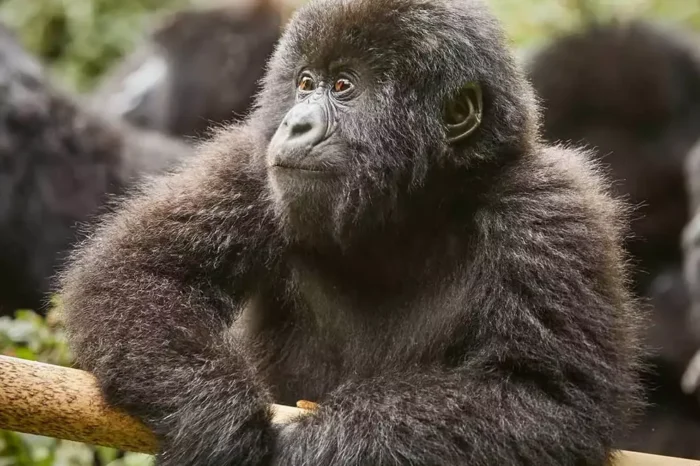
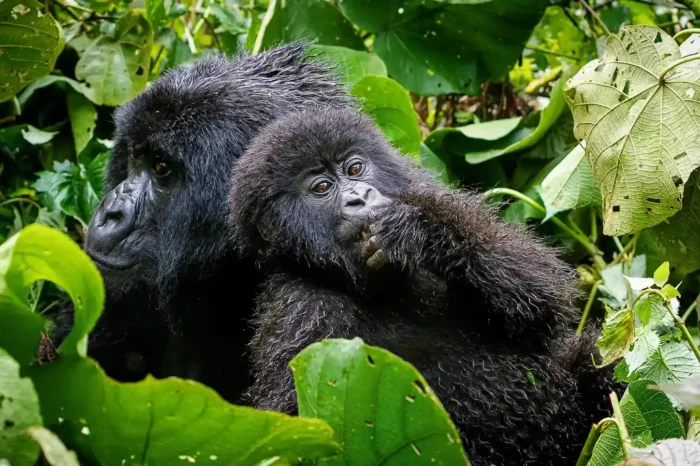
Uganda offers so much scenery and wildlife that the biggest dilemma on a 3-day safari is often choosing where to go. Or maybe it is not a dilemma at all. If gorilla trekking is high on your travel list, the decision becomes easy. Bwindi Impenetrable Forest and Mgahinga Gorilla National Parks are the most affordable places in Africa to see wild mountain gorillas. Both are popular choices for a 3-day Uganda tour. 

But gorillas are not the only option. You can also go chimpanzee trekking in Kibale National Park, or enjoy classic savannah safaris in Murchison Falls National Park and Queen Elizabeth National Park. On this page, we look at all the options so you can choose the safari that fits you best.

Uganda 3-day gorilla Trekking & safari trip and packages

All Can Be Customized
Frequently asked questions

3-Day Uganda Gorilla Trekking & Safari Tours

A three day Uganda tour often raises questions. To ensure you are well prepared, we have answered the most important questions for you below.

Is 3 Days Enough Time to See Gorillas in Uganda?

Absolutely. A 3-day gorilla trekking safari is the minimum time needed if you are travelling by road from Kampala or Entebbe. The drive to Bwindi Impenetrable Forest or Mgahinga Gorilla National Park takes at least 10 hours. Because of this, you need one night before and one night after your trek in a lodge near the park.

It is doable, but it can feel rushed. You will spend a lot of time on the road. If you prefer a more relaxed journey, you can choose to fly. This saves travel time, but it is slightly expensive.

Another option is to extend your trip. Many travellers combine gorilla trekking with Queen Elizabeth National Park or Kibale National Park for a richer experience. Some safaris even start and end in Kigali, Rwanda. The drive from Kigali to Bwindi or Mgahinga is much shorter, around 3 to 6 hours depending on the trekking area. This route is popular, especially because Uganda gorilla permits cost US$800 per person, compared to US$1,500 in Rwanda.

So yes, 3 days is enough. But how you plan it makes all the difference.

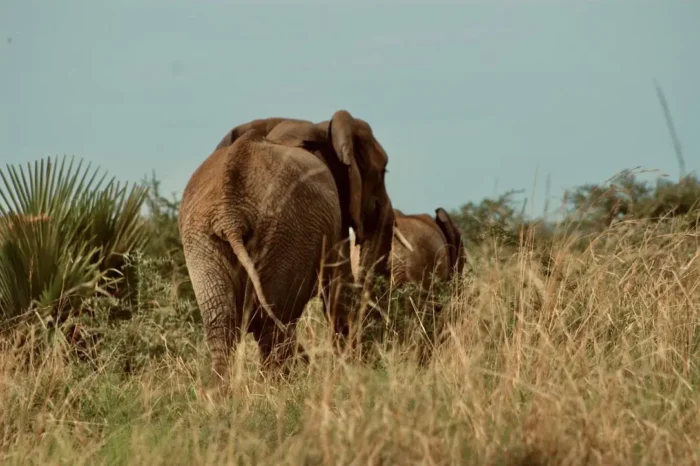
Gorilla trekking in Bwindi or Mgahinga is the most popular choice for a 3-day Uganda safari. But it is not the only option. If you want to see the Big Five, a great choice is Murchison Falls National Park. This itinerary usually includes two nights in the park, plus a stop at Ziwa Rhino and Wildlife Ranch to track white rhinos on foot.

Murchison Falls is full of highlights. You can take a boat trip on the Nile to the base of the falls, where you will see hippos, crocodiles, and many bird species. On game drives, you may spot elephants, buffalo, giraffes, lions, and sometimes even leopards.

Queen Elizabeth National Park is another option. It offers four of the Big Five, but no rhinos. It is often better combined with Bwindi on a longer trip rather than used alone for just three days.

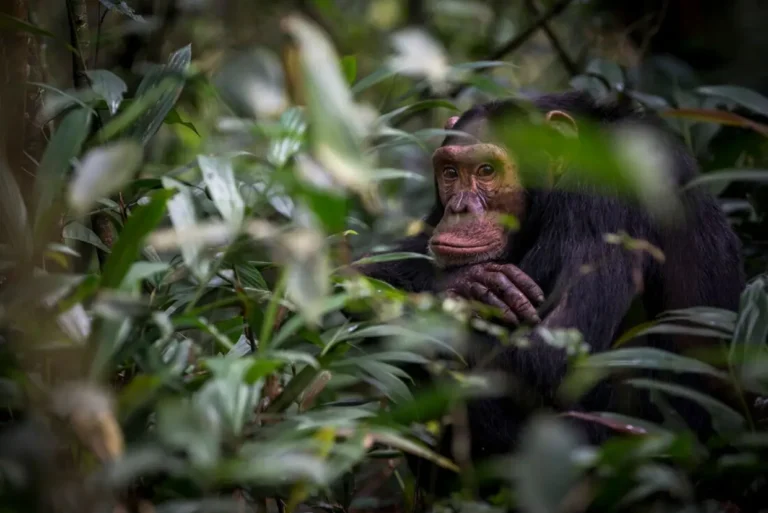
If gorillas feel out of reach, chimpanzee trekking in Kibale National Park is a strong alternative. The park is also known for crater lakes, forest monkeys, and rich birdlife.

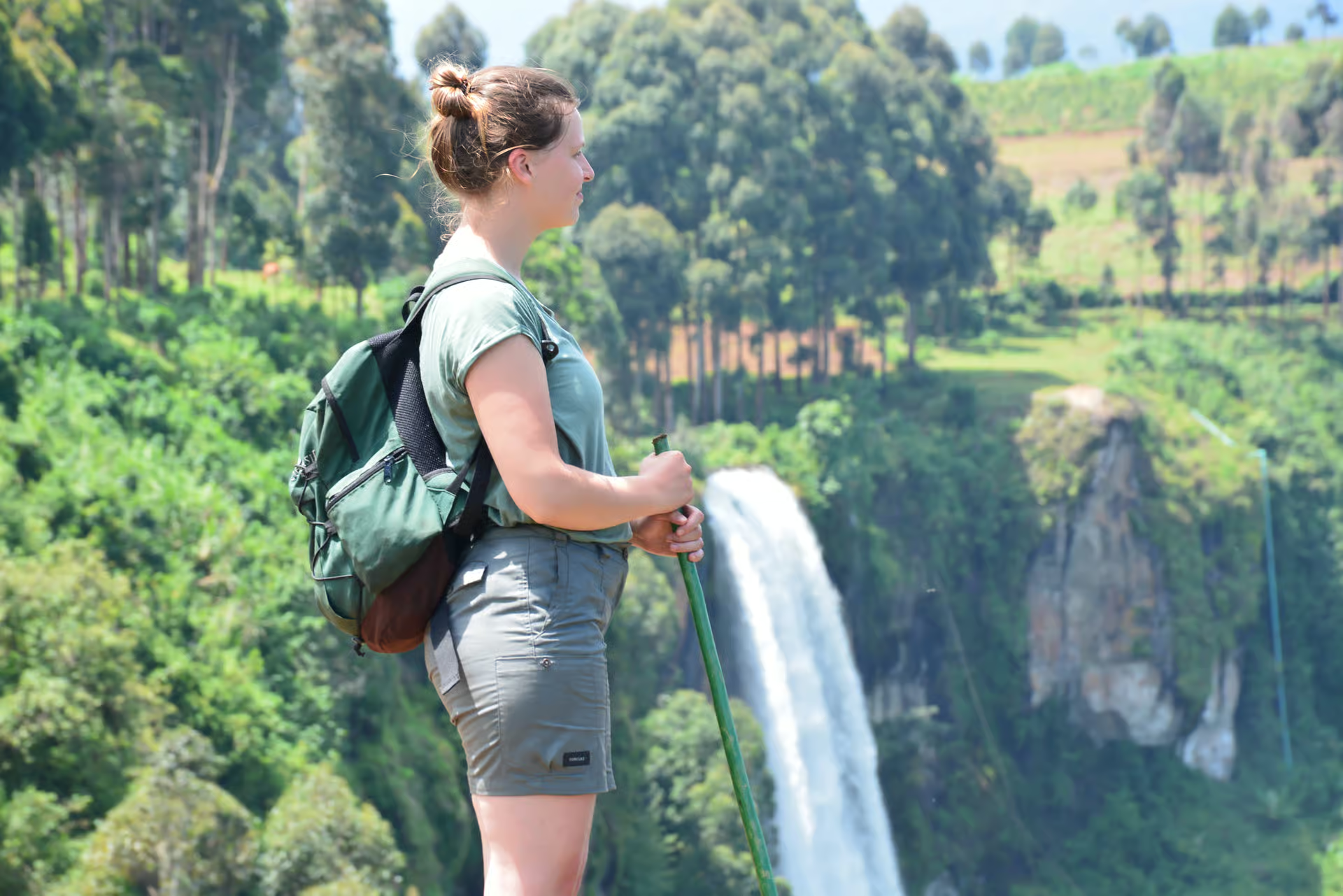
For something more active, you can combine white-water rafting on the Nile near Jinja with a visit to Sipi Falls on the slopes of Mount Elgon. This option is perfect if you prefer adventure and scenery over classic game drives.

In short, a 3-day safari in Uganda can take many forms. It depends on what kind of experience you want most.

Uganda offers accommodation for almost every budget. If you want to keep costs low, budget lodges and camps are usually the most affordable option. They are available in most national parks and major tourist areas.

For more comfort, there are many mid-range lodges and tented camps. These are simple, relaxed, and often set in beautiful natural surroundings.

At the top end, you will find luxury lodges. These are stylish, modern, and designed to blend into the wilderness while offering high levels of comfort and service. In most cases, your stay is on a full-board basis. This means your accommodation includes breakfast, lunch, and dinner.

See the Uganda Safari Lodges.

The best time to visit Uganda is during the two dry seasons. These run from June to August and from December to February. September and October are also generally good months to travel, with fairly stable conditions.

The main rainy season is from March to May, with April usually being the wettest month in most parts of the country. Travel during the rainy season is still possible, but it can be more challenging, especially for gorilla and chimpanzee trekking. Forest trails can become muddy and slippery, and occasional storms may affect the experience.

In savannah parks like Murchison Falls and Queen Elizabeth, rain has less impact on travel overall. Wildlife viewing is still possible throughout the year. 

In general, Uganda can be visited year-round, but the dry seasons offer the easiest and most comfortable travel conditions.

Read more about the best time to visit Uganda.

A 3-day Uganda safari can cost anywhere from US$650 per person to more than US$2,500. This usually includes accommodation, meals, transport, park fees, and the services of a driver and guide. The price range is wide because safari options are very different.

One of the biggest factors is gorilla trekking. A gorilla permit costs US$800 per person. Because of this, any safari that includes gorillas is more expensive. The cheapest 3-day gorilla safari usually starts around US$1,450 to US$1,700 per person.

If you do not include gorilla trekking, the cost is much lower. A budget 3-day safari to parks like Murchison Falls usually costs between US$700 and US$900 per person. Accommodation also affects the price. So does whether you travel by road or use domestic flights.