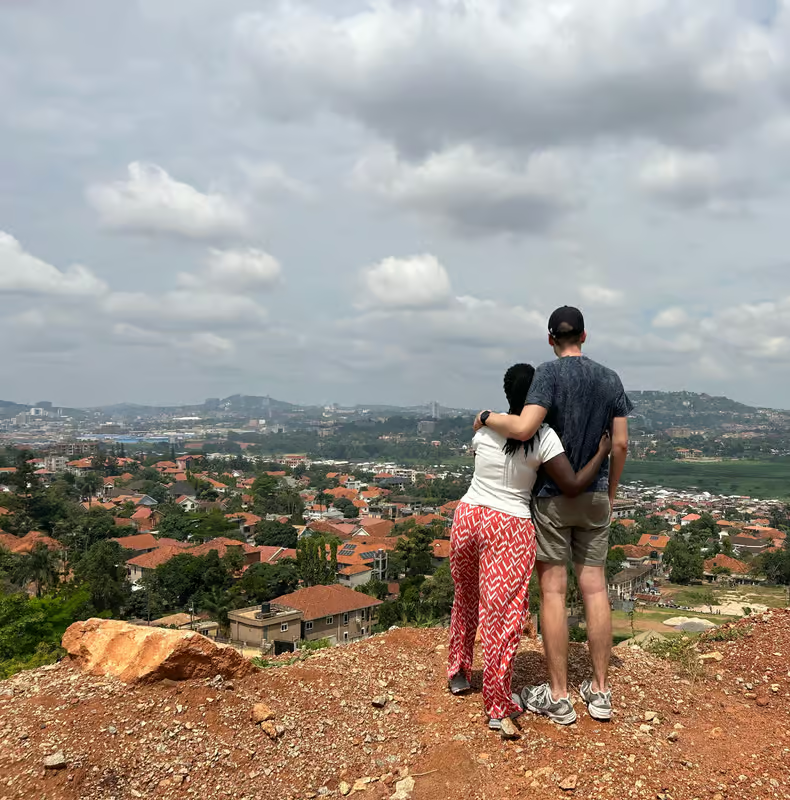
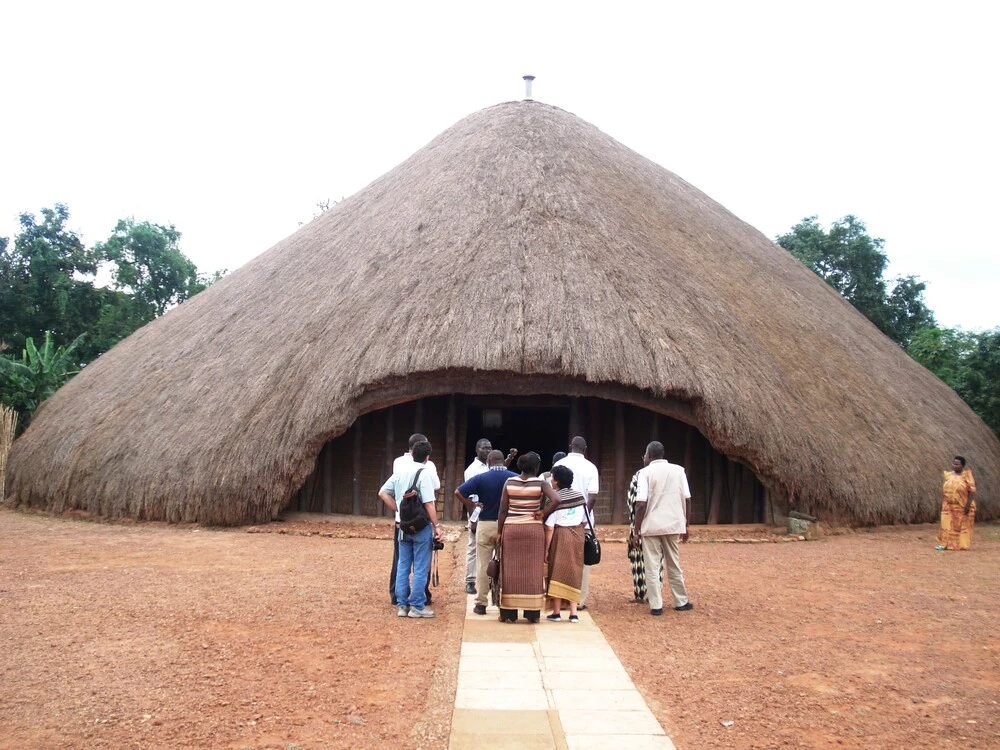
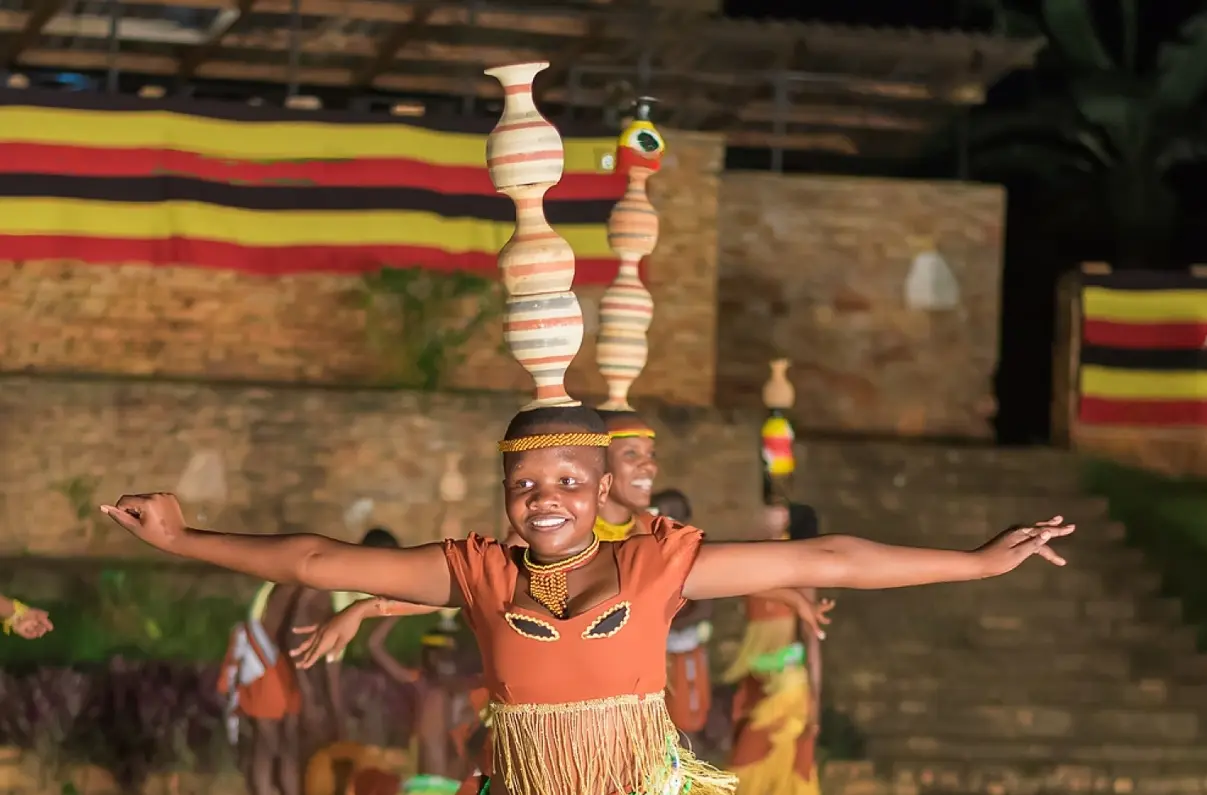
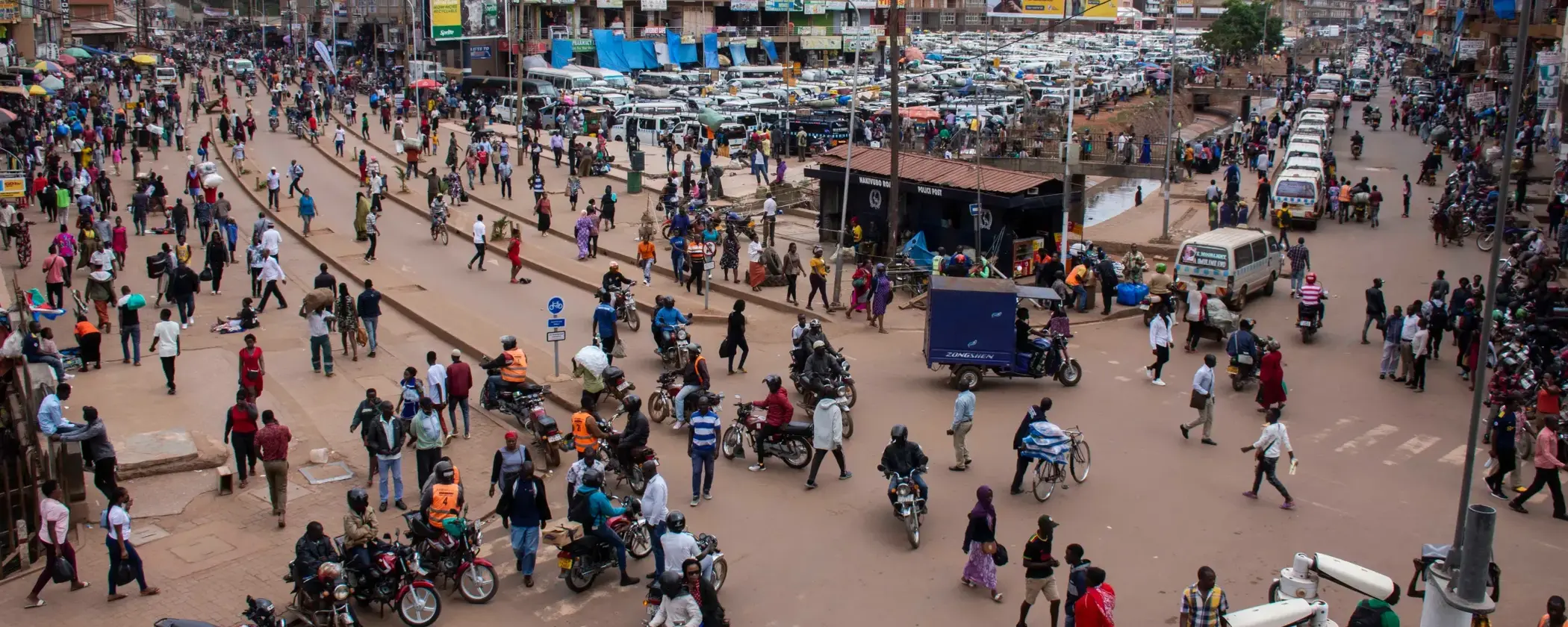
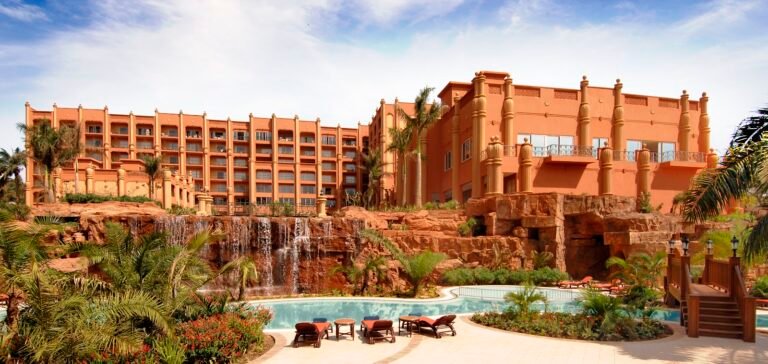
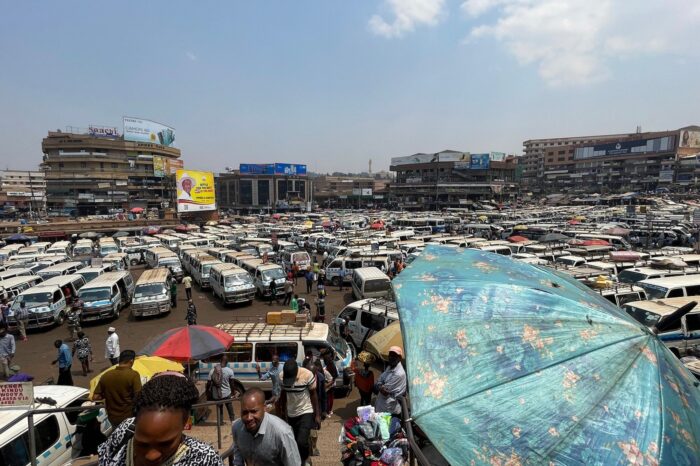
Like Rome, Kampala was built on seven hills. Today, however, the city has grown far beyond those original hills and stretches across more than 20 of them.
But the name Kampala originally belonged to just one hill: Old Kampala Hill. Long before Kampala became Uganda’s capital, Old Kampala Hill was part of the Buganda Kingdom. The hill was used as a hunting ground by the Kabaka, the King of Buganda, and was known for its many impalas, the antelopes that lived in the area. The story of the name begins in the late 19th century, when British influence was expanding in Buganda. Following agreements between the British and the Buganda Kingdom, British colonial authorities established a presence in the area.
In 1890, Captain Frederick Lugard arrived in Buganda on behalf of the Imperial British East Africa Company and established a fortified post on Old Kampala Hill in 1890. The hill later became the first headquarters of the British administration in what developed into the Uganda Protectorate. The British referred to the area as the “Hill of the Impala.” The Baganda people called it “Akasozi k’Empala,” meaning Hill of the Impalas. Over time, the expression was shortened to “K’empala”, and eventually became Kampala. As the settlement grew outward from Old Kampala Hill, close to the Kibuga, the traditional capital of the Buganda Kingdom, the name Kampala gradually came to describe the expanding town rather than just the hill itself.