Where gorilla trekking takes place
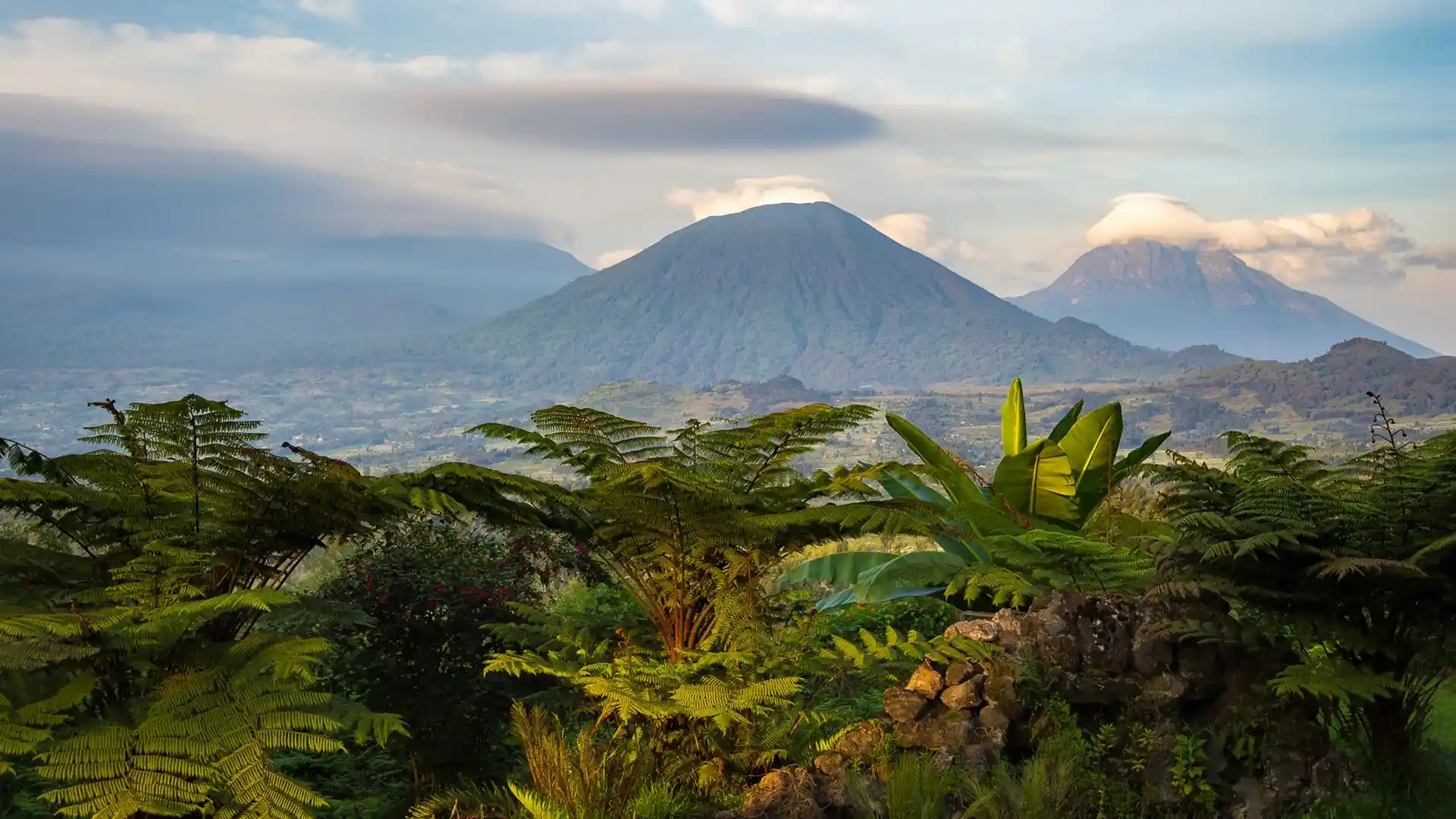
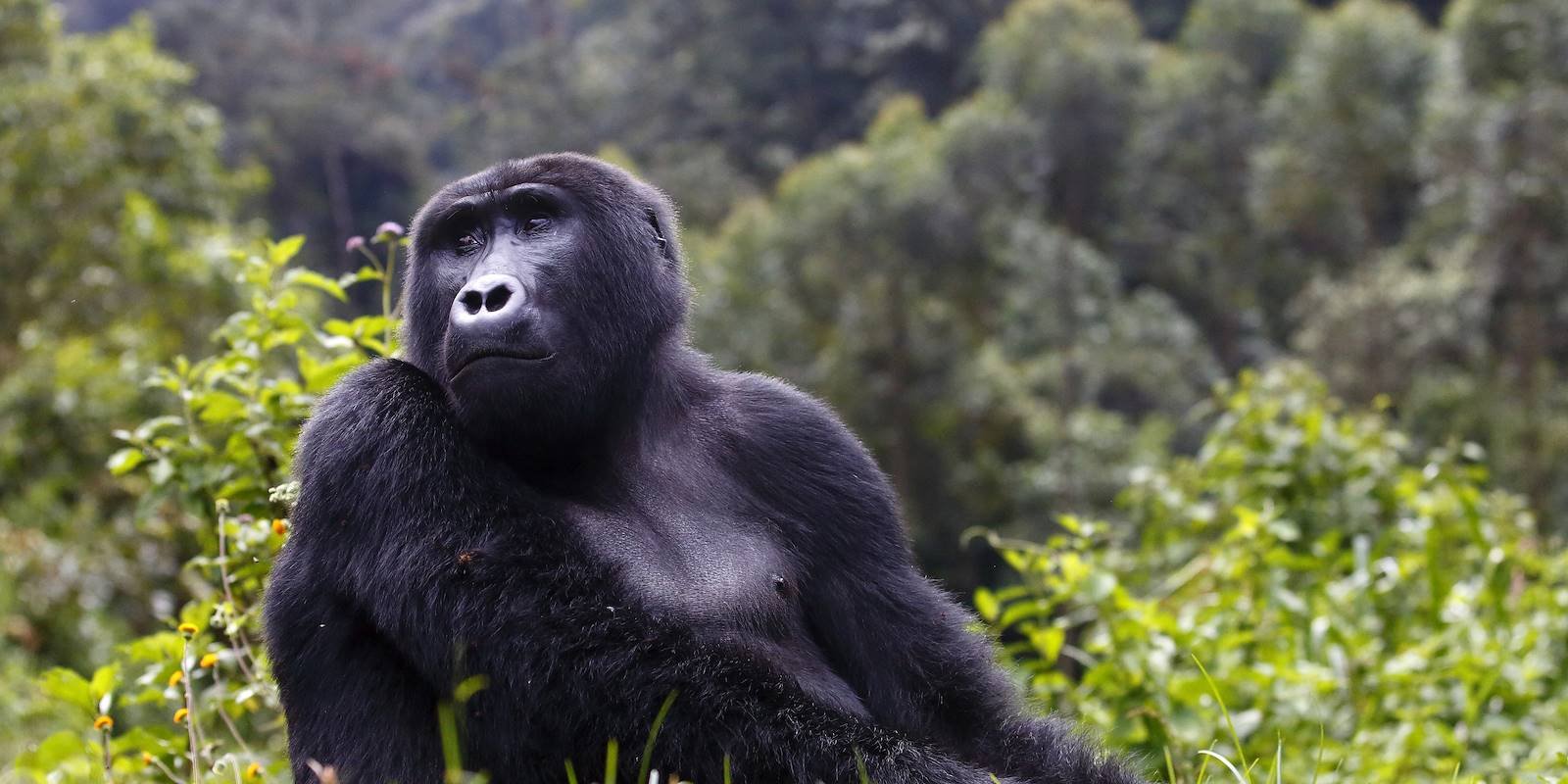
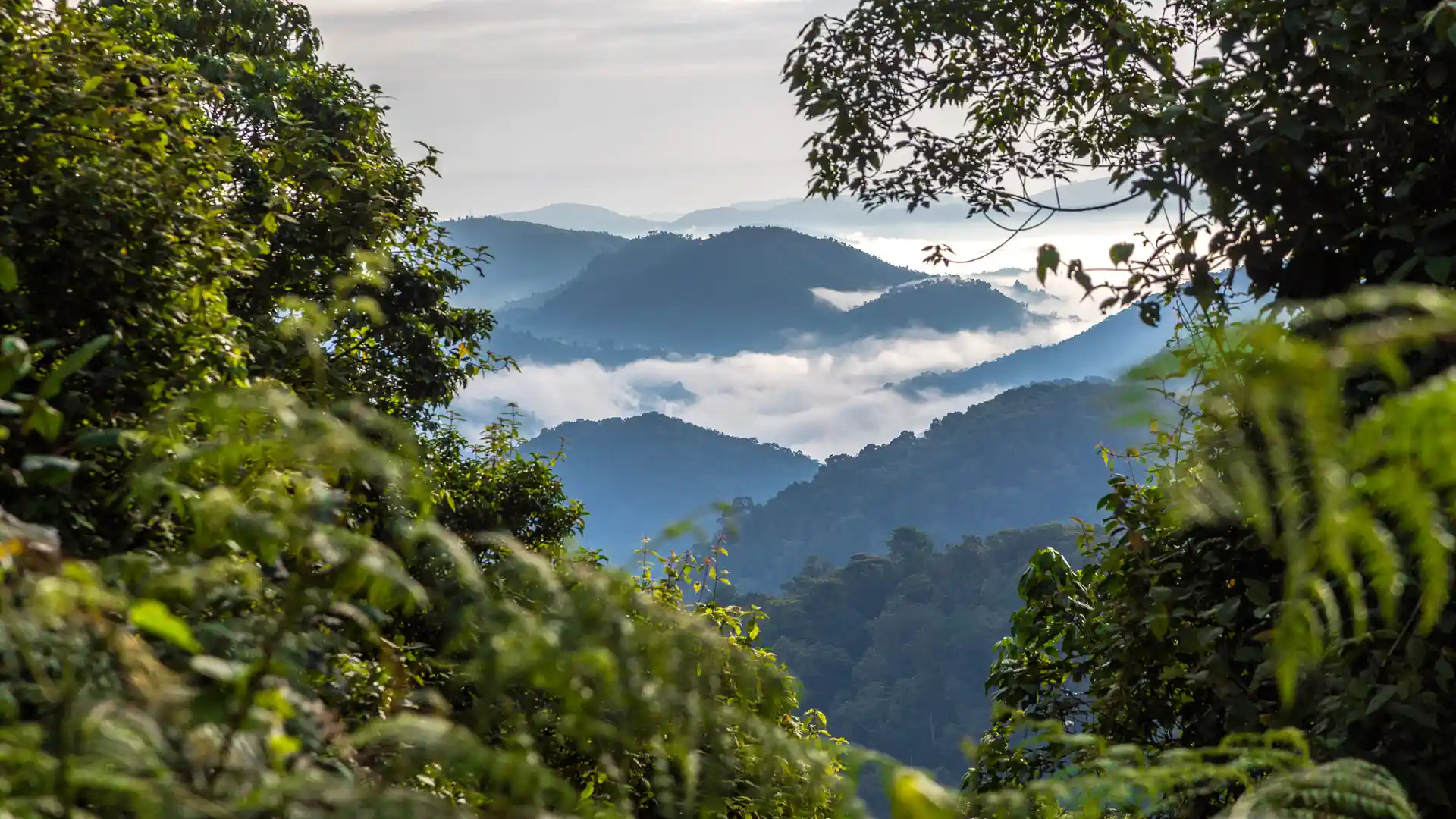
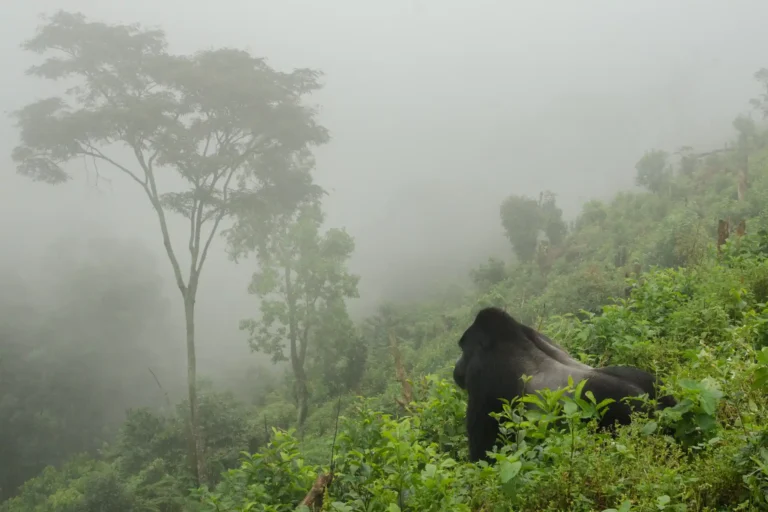
In Rwanda, gorilla trekking only takes place in Volcanoes National Park, part of the Virunga Mountains. Here, you hike through mountain forests, bamboo vegetation, and sometimes more open volcanic landscapes. In Uganda, gorilla trekking takes place in Bwindi Impenetrable Forest National Park and Mgahinga Gorilla National Park.
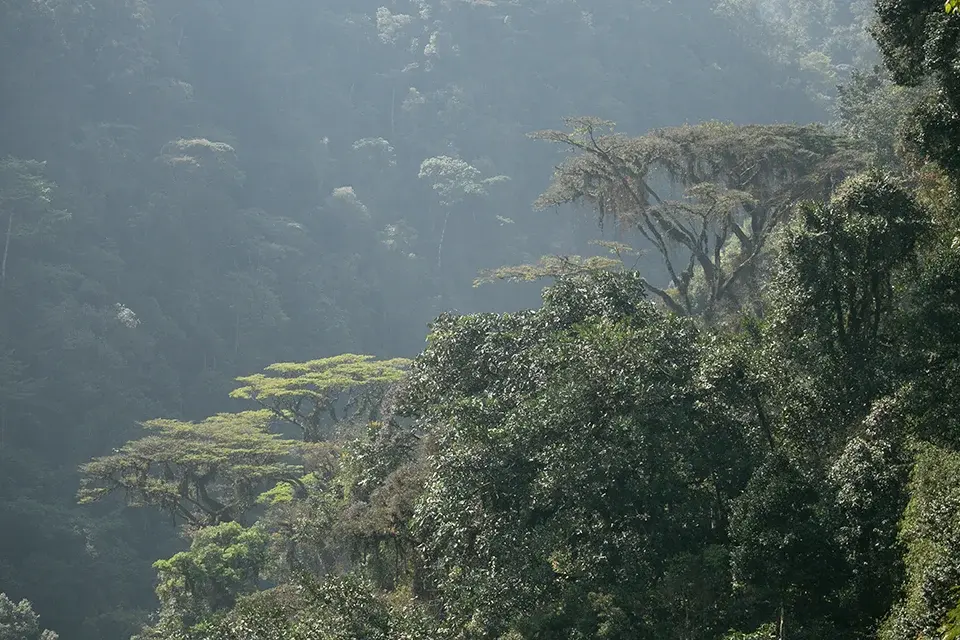
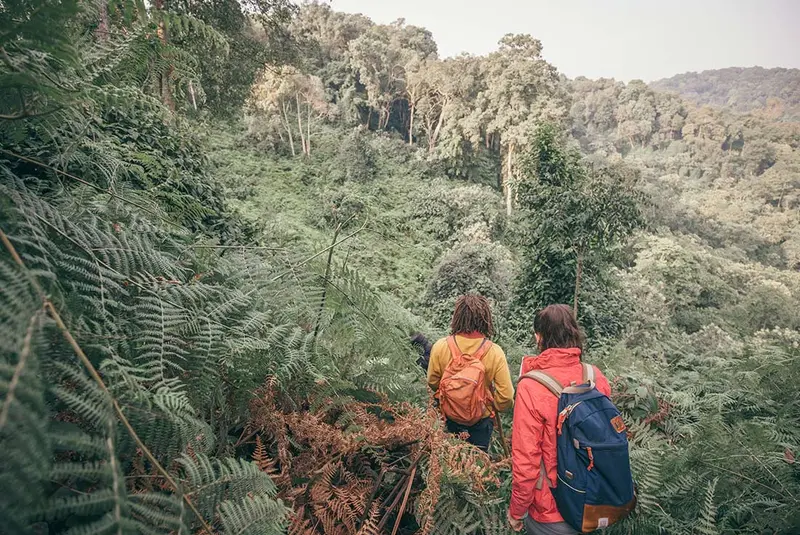
Bwindi is particularly known for its dense tropical rainforest jungle. You hike through a lush, wet environment filled with towering trees, mosses, ferns, streams, and waterfalls.
Mgahinga is different. It is also part of the Virunga Mountains, so its mountain forest landscape has more in common with Volcanoes National Park in Rwanda.
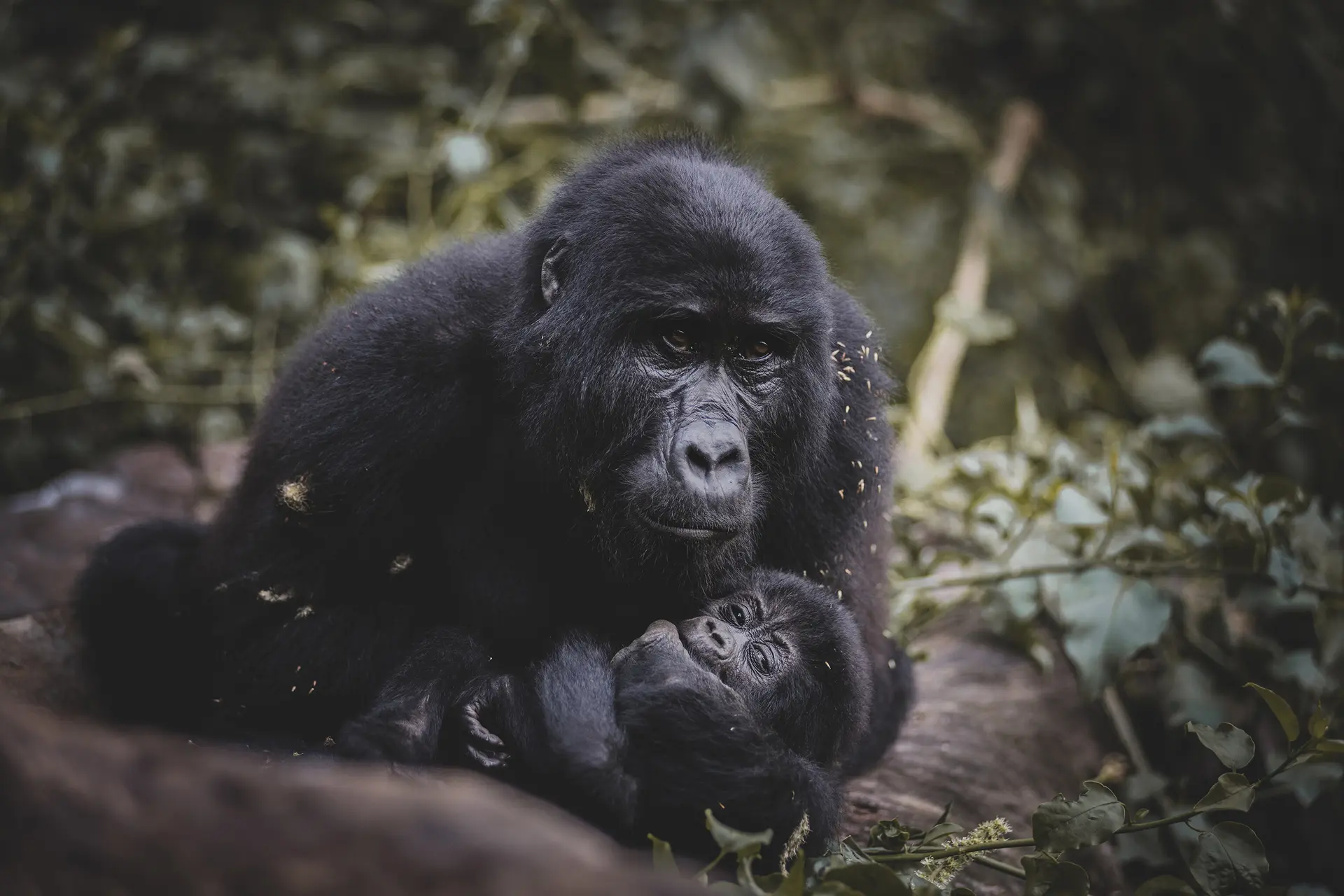
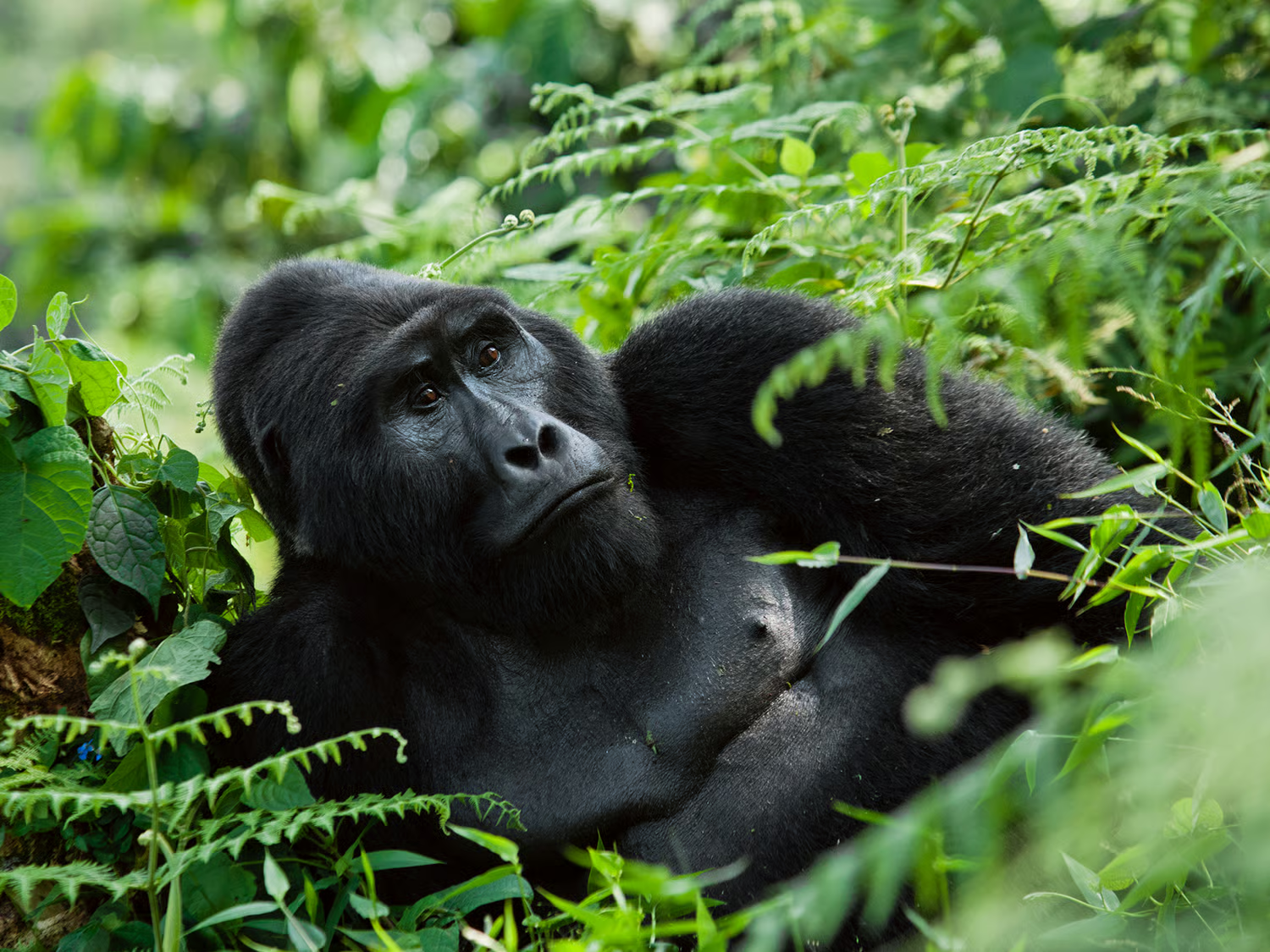
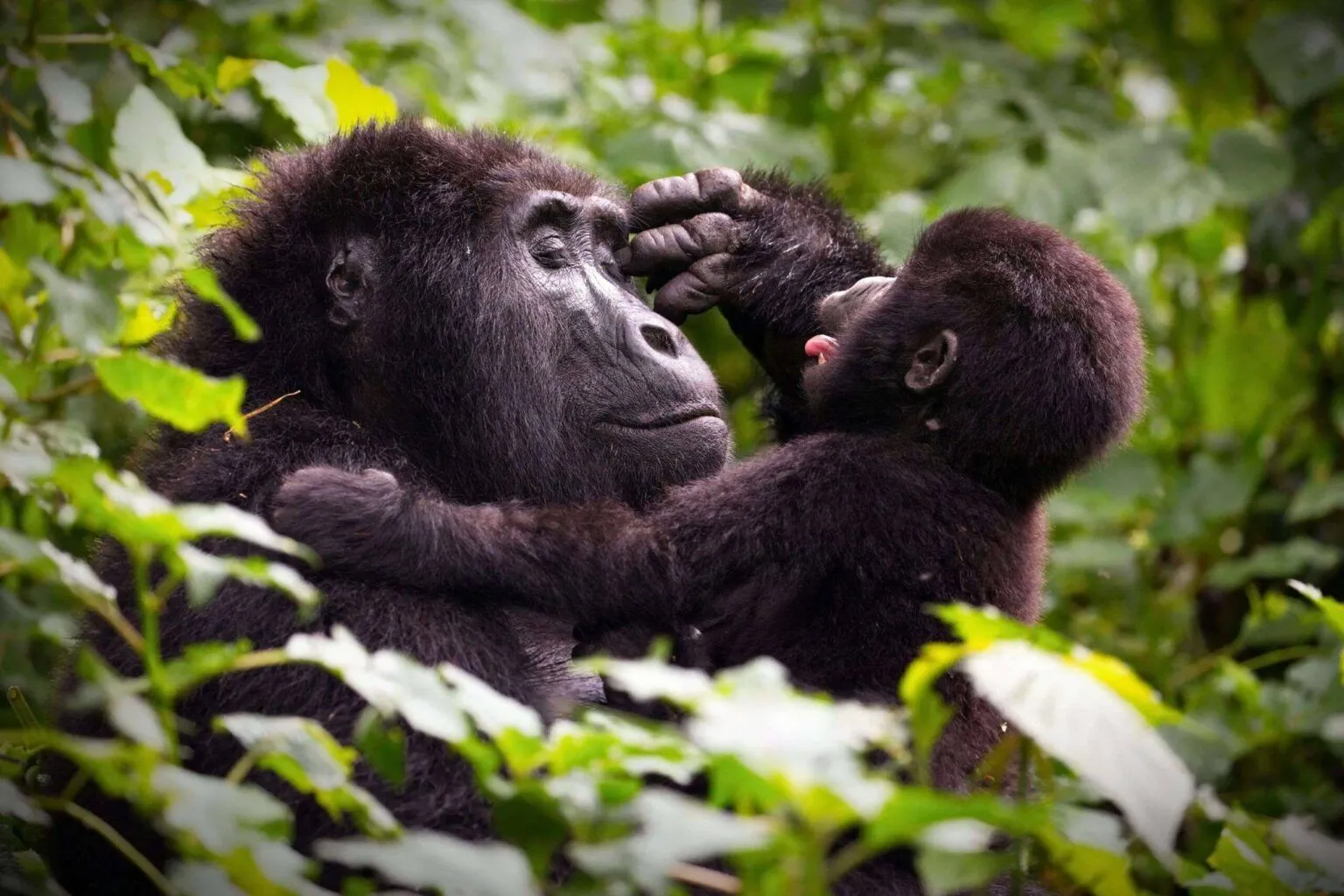
Personally, we find that encounter in the middle of Bwindi’s green rainforest the most beautiful. But that is, of course, a matter of taste.
Accessibility: How Do You Get There?
Rwanda offers a practical advantage if you are short on time. Volcanoes National Park is relatively easy to reach from Kigali, with a drive of about 3 hours. This makes it possible to include gorilla trekking in a relatively short trip.
Uganda requires a little more planning. The drive from Entebbe or Kampala to Bwindi Impenetrable Forest National Park takes approximately 8 to 10 hours, depending on the trekking sector you are visiting. Unlike Rwanda’s Volcanoes, Bwindi has 4 different trekking sectors: Buhoma, Ruhija, Rushaga and Nkuringo.
This is something worth considering when planning your trip. The sector you choose determines not only where you stay, but also how far you travel to reach the trekking starting point. Some roads are rough, so travelling in a good 4×4 vehicle makes the journey more comfortable.
However, you do not necessarily have to make the entire journey by road. There are domestic flights from Entebbe to Kihihi and Kisoro airstrips, depending on the sector you are visiting. The flight takes approximately 1 hour and 45 minutes. From there, you continue by road to your lodge. It is usually a short drive of about 1 hour and 30 minutes.
Another option is to fly into Kigali and cross into Uganda by road. The journey to Bwindi takes approximately 4 to 5 hours, depending on the trekking sector. This can be a good alternative if you want to visit the gorillas in Uganda but would prefer to avoid the long drive from Entebbe.
The difficulty of trekking
A gorilla trek in Uganda can feel more adventurous. Hikes can be longer and more challenging, particularly in Bwindi Impenetrable Forest, the terrain is often steep and the forest dense. This makes the experience more intense and less predictable. In Rwanda, treks are generally a little easier, with more clearly defined trails and, in many cases, shorter hikes. That can be pleasant, but sometimes comes at the expense of the feeling of truly venturing deep into the rainforest.
Moreover, this does not mean that every trek in Uganda is difficult or that trekking in Rwanda is always easy. Much depends on where the gorillas are on the day of your visit. Each gorilla family has its own territory, and some are easier to reach than others.
Weather also makes a difference. After heavy rain, forest paths can become muddy and slippery.
This is particularly worth considering in Bwindi, which receives plenty of rainfall throughout the year. Rwanda has more defined trails, but trekking in Volcanoes National Park also has its challenges. The park lies at a higher altitude, which can make walking more demanding, especially if you are not used to hiking at higher elevations.
You do not have to be a top athlete to go gorilla trekking, but a reasonable level of fitness is important. If you hike regularly and are used to walking on uneven ground and some slopes, you generally have a good foundation.
Still, we do not want to underestimate the effort involved. A gorilla trek can be quite demanding, particularly when the animals are in a difficult-to-reach area.
Are you unsure whether you can manage the trek physically, perhaps because of knee problems or because you are not used to walking long distances? We are happy to discuss this with you before the trip. When planning your safari, we can take your fitness level into account and look at which trekking sector might be more suitable.
Rushaga sector in Bwindi, for example, has several habituated gorilla families, which can offer more options when arranging a trek.
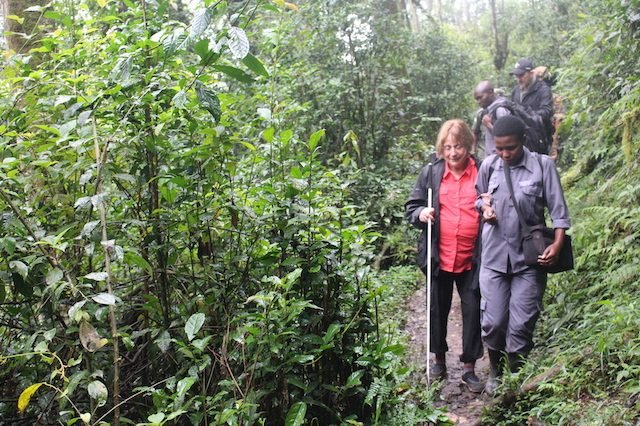
On the morning of the trek, you can also tell the rangers if you would prefer a less strenuous hike. They will try to accommodate your request where possible, although the final route depends on where the gorillas are. You can also ask for breaks along the way whenever you need them.
Read more: How strenuous is gorilla trekking?
Gorilla permits and availability
If you want to go gorilla trekking in Uganda or Rwanda, you need a permit. The number of permits available each day is limited, as a maximum of eight visitors can visit each habituated gorilla family per day.
There is a difference, however, in the number of gorilla families available for trekking. Rwanda has 12 habituated gorilla families in Volcanoes National Park. Uganda offers more options, with more than 25 groups in Bwindi Impenetrable National Park and one in Mgahinga Gorilla National Park. This means Uganda generally has more permits available each day.
In Uganda, gorilla permits are issued by the Uganda Wildlife Authority (UWA) and can only booked through a tour operator. For Bwindi Impenetrable National Park, you need to choose a trekking sector and date when arranging your permit. At Choose Uganda Safaris, we check permit availability on the UWA permit booking portal during the planning of your trip. This helps us see whether your preferred sector and date are available or whether we need to consider alternatives.
Once you confirm your trip and pay the deposit, we purchase the permits for your chosen sector and date. If your preferred option is no longer available, we discuss the alternatives with you. This might mean choosing another sector, adjusting the route or travelling on a different date.
For this reason, we recommend planning well in advance if you intend to travel during busy periods, particularly July, August and the Christmas holidays. The earlier we start, the more options we may have.
In Rwanda, you can book a permit through a tour operator or directly through the Rwanda Development Board using its Irembo platform. In both countries, you do not need to choose a particular gorilla family when booking. The park authorities assign a family on the day of your trek.
Price Difference
The biggest difference between gorilla trekking in Uganda and Rwanda is the price. A regular gorilla trekking permit costs US$800 per person in Uganda, compared to US$1,500 in Rwanda.
Uganda also offers a different option: the gorilla habituation experience.
The gorilla habituation permit costs US$1,500 per person and allows you to spend up to four hours with a gorilla family in a group of no more than four visitors. The main difference is the time you spend with the gorillas and the purpose of the visit.
During habituation, you join researchers and trackers as they work to get a gorilla family used to human presence. The gorillas are not yet fully habituated, so the encounter can be less predictable than a regular trek.
Accommodation
There are differences in accommodation between Uganda and Rwanda.
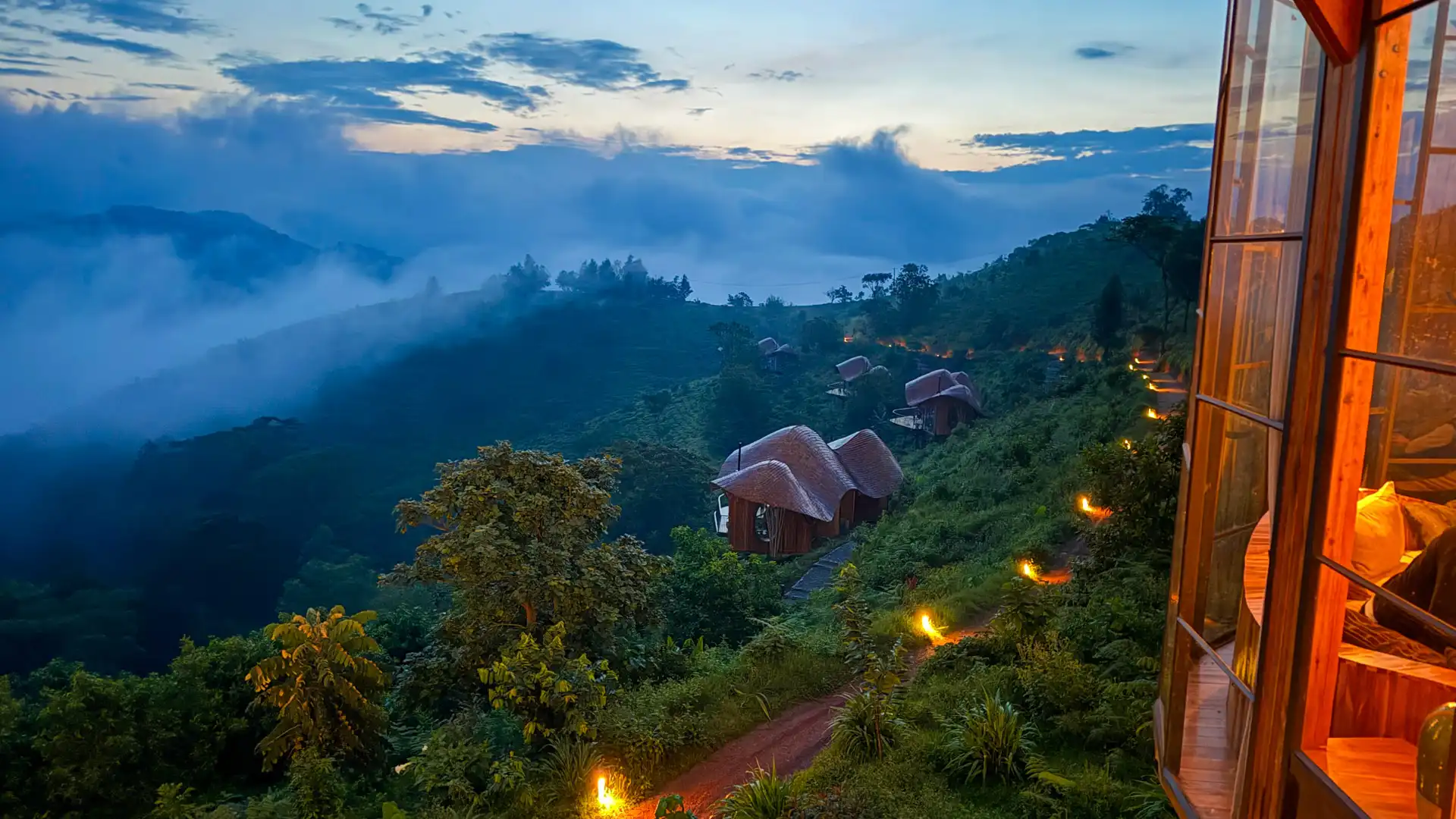
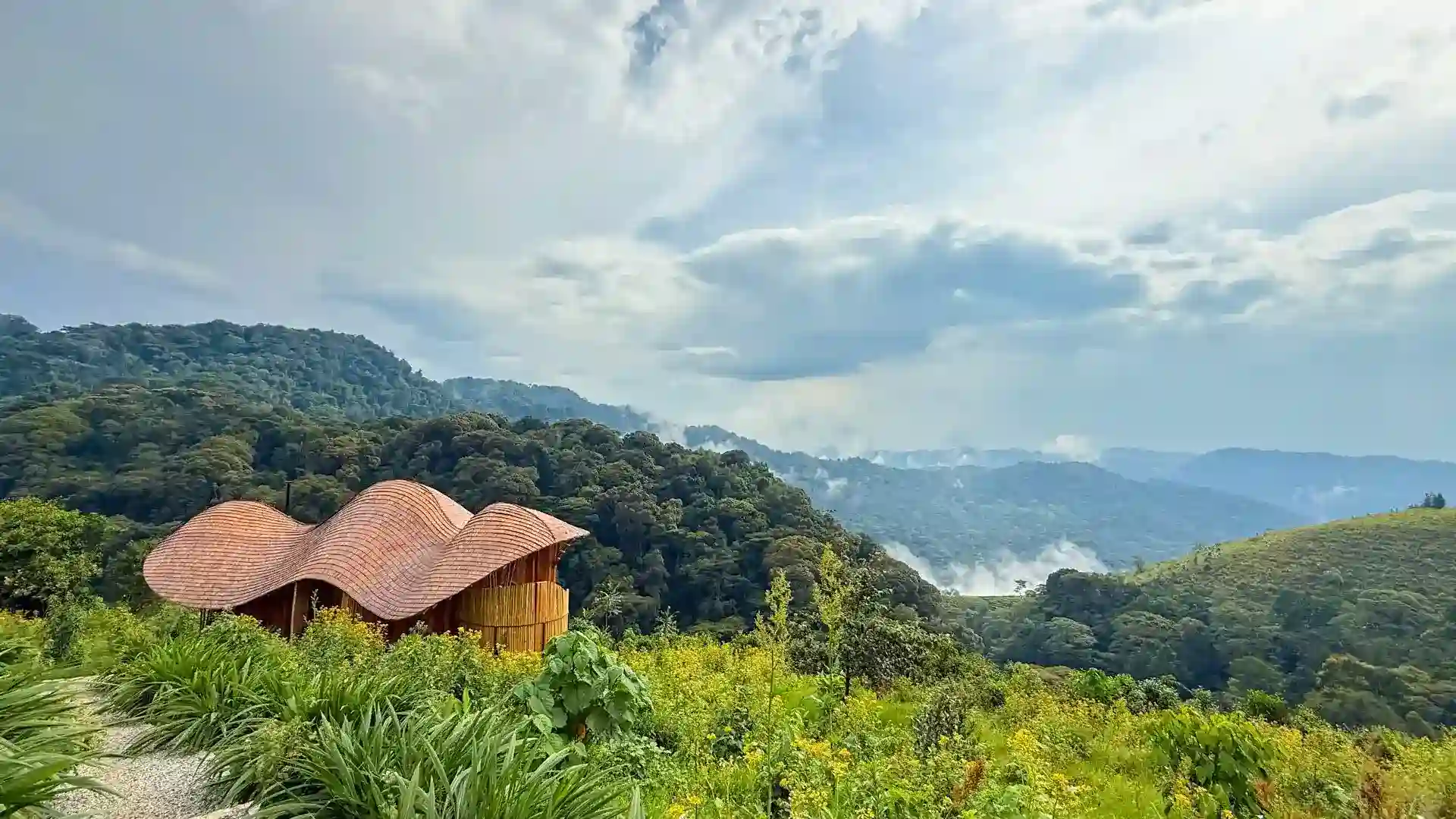
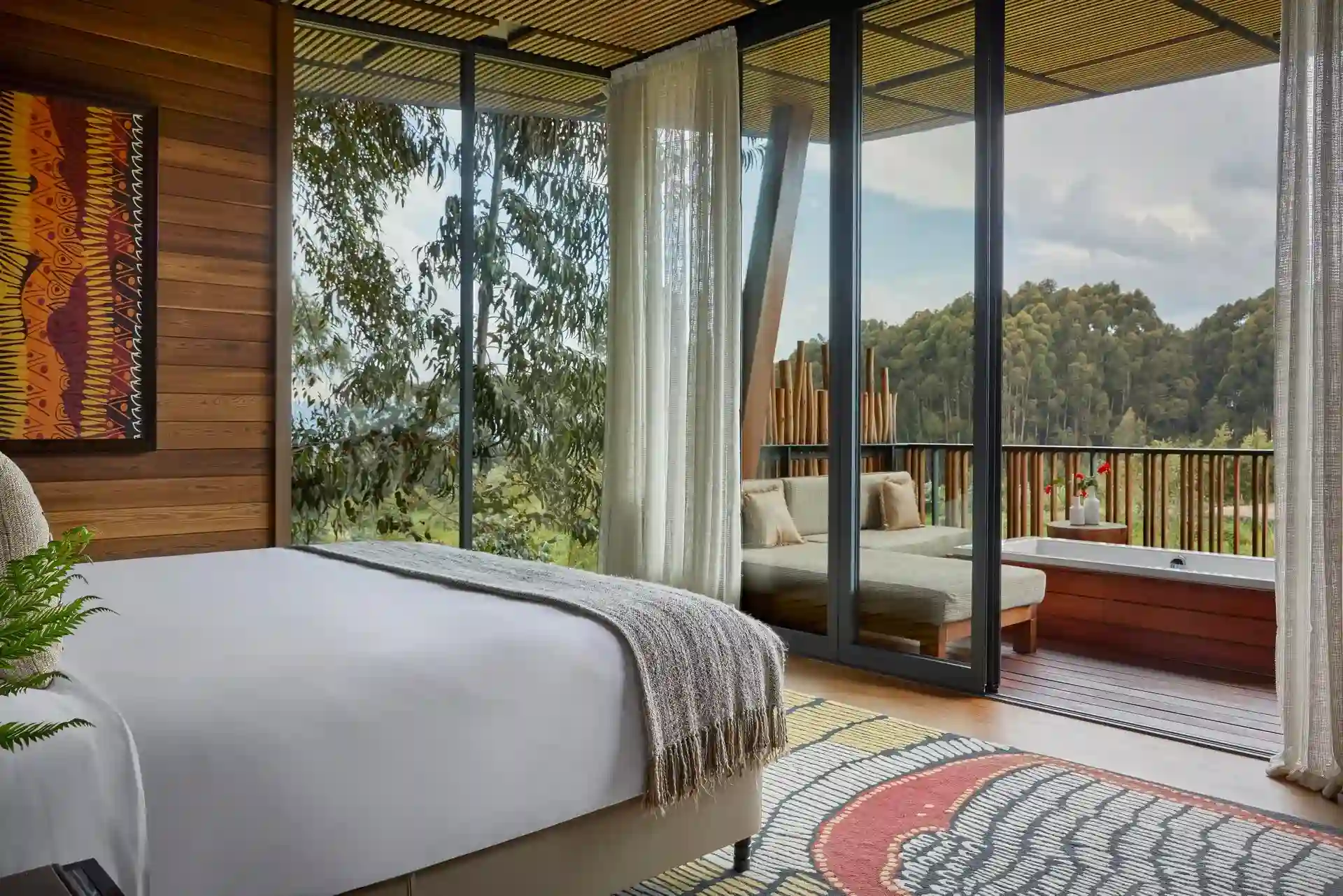
Rwanda positions itself distinctly in the luxury segment, and this is reflected in the range and prices of some accommodations. Uganda, on the other hand, has a wider choice of mid-range accommodation, making it easier to find options for different budgets.
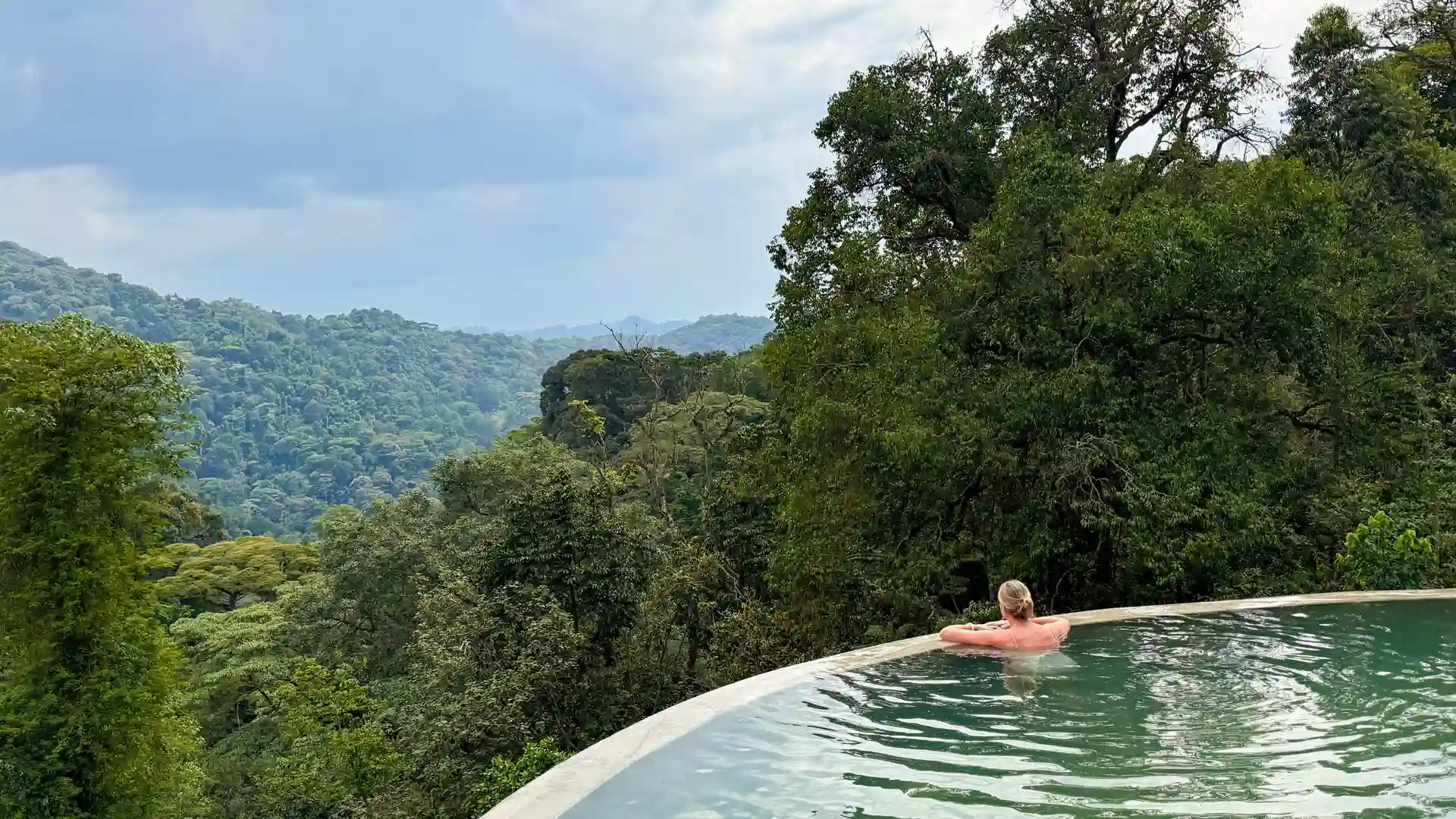
The setting can also be different. In Uganda, some lodges are right next to Bwindi’s forest boundary, giving you a rainforest setting.
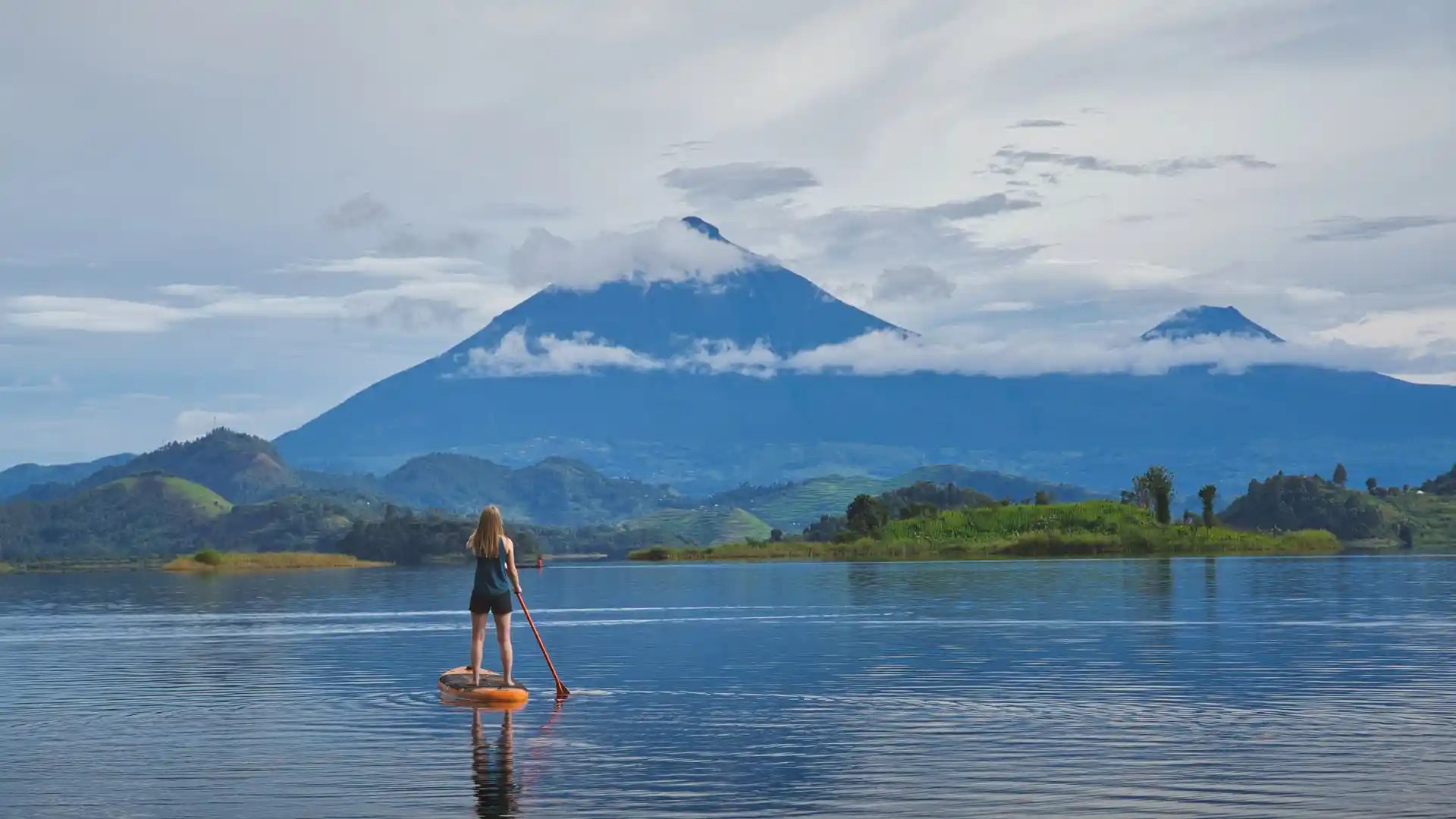
In Rwanda, many lodges offer views of the surrounding mountains or lakes.
When booking accommodation in Uganda, it is important to consider where you will go gorilla trekking. Bwindi has four trekking sectors: Buhoma, Ruhija, Rushaga and Nkuringo.
Your lodge should ideally be close to the sector where your trek starts. The roads can be steep and rough, so even a relatively short distance may take longer than expected. It is worth considering this when planning your accommodation and permit.
In Rwanda, all gorilla treks start at the park headquarters in Kinigi.
Trip duration
In Uganda, gorilla trekking usually requires more time, especially if you are travelling from Entebbe. We recommend spending at least two nights in the Bwindi or Mgahinga area. This gives you time to arrive, go gorilla trekking the following morning, and continue your journey afterwards. That works fine, but we often recommend staying for three nights.
Not because the gorilla trek itself takes several days, but because the southwest of Uganda has much more to offer. You could visit beautiful Lake Mutanda, take part in a Batwa cultural experience, go for a walk around your lodge, or visit Mgahinga for a golden monkey trek or a hike up Mount Gahinga. And perhaps, after the gorilla trek, you just want to do absolutely nothing. Enjoy a nice lunch, take in the view, and let the morning’s experiences sink in.
In Rwanda, two nights around Volcanoes National Park are also a good option. Because the park is relatively close to Kigali, shorter trips are possible too. You can even arrange a gorilla trek as a day trip from Kigali, although this means an early start and a long day. With more time, you can explore other parts of Rwanda instead of making gorilla trekking the only activity on your trip.
You may also like: How to plan a relaxed safari in Uganda?
Overall Safari: Uganda or Rwanda?
Uganda is particularly attractive if you want to combine a visit to the gorillas with an extensive tour. Here, you can visit the chimpanzees in Kibale Forest National Park, go on safari in savannah parks, hike mountains, cycle, and explore different parts of the country.
There is plenty to add to your itinerary. This also makes a difference when comparing the overall cost of a trip to Uganda and Rwanda. The gorilla permit is only part of the expense. Transport, accommodation and the other activities you include all contribute to the final price.
We organize tours in Uganda ourselves, so naturally we have a preference for our own country. However, for someone with limited time who primarily wants to visit the gorillas, Rwanda can be a very logical choice. For anyone with two or three weeks who wants to discover more of East Africa, we would certainly recommend considering Uganda.
Frequently Asked Questions
What Level of Fitness Is Required for Gorilla Trekking?
Gorilla trekking involves uphill walking at high altitude, so a reasonable level of fitness is recommended. The pace is generally manageable, as it is not a race or a forced march. However, the steep slopes, uneven terrain and altitude can make the trek physically demanding. The time spent walking varies depending on where the gorillas are found.
Tip: We strongly recommend hiring a porter. Their help goes beyond carrying your daypack. They can give you a helping hand on steep, slippery and muddy sections of the trail, making the trek easier and safer. It is also reassuring to know that someone is there to help if you lose your footing, especially when carrying valuable items such as a camera.
What Are the Chances of Seeing the Gorillas?
Nothing is guaranteed with any wildlife safari. But the chances of seeing mountain gorillas are very high. Trackers head into the forest early each morning to locate the gorilla families. Once they find them, they keep in contact with the trekking guides by radio and share their location. This helps your guide know which direction to take when your trekking group sets off. As a result, most visitors successfully see the gorillas during their trek.
Why Are Gorilla Permits More Expensive in Rwanda Than in Uganda?
This largely comes down to government policy. Rwanda has opted for fewer permits at a higher price. It issues 96 permits per day, based on eight visitors per gorilla family across its 12 habituated families. Uganda can accommodate more visitors because gorilla trekking takes place in two national parks, with over 200 habituated gorilla families available in Bwindi and one in Mgahinga.
Can I Combine Rwanda and Uganda in One Trip?
Yes, this is possible. Usually, people spend most of their time in Uganda, where there are more options for a broader safari, and then visit Volcanoes National Park in Rwanda. The journey involves a scenic but lengthy road transfer across the border.