Mountain Gorillas
1. Gorilla trekking in Uganda: a once-in-a-lifetime thrill
Gorilla trekking is the best-known way to see mountain gorillas in the wild.
Your day begins early at the park headquarters. You must arrive on time. Permits are strict, and late arrivals risk losing their place. During the briefing, your passport is verified and you are assigned to a small group of no more than eight trekkers. Each group is then allocated a specific habituated gorilla family.
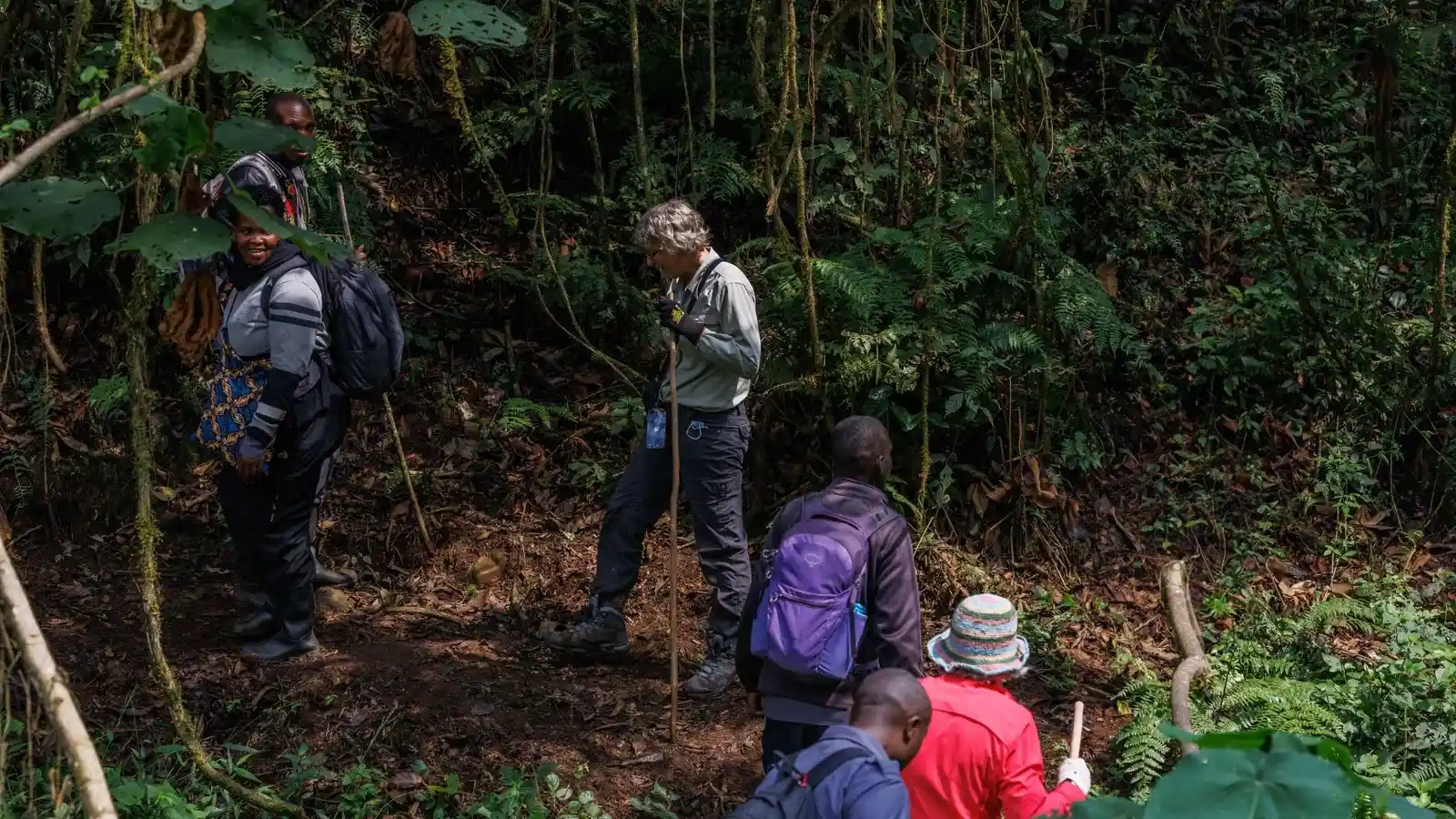
Behind the scenes, professional trackers have already entered the forest at first light. They locate the gorillas and monitor their movement. As you begin your trek in Bwindi or Mgahinga Gorilla National Parks, your ranger stays in constant radio contact with them.
‘This ensures an efficient and purposeful approach through the forest. The trek itself varies. It can be relatively short or physically demanding, depending entirely on the gorillas’ location that day.
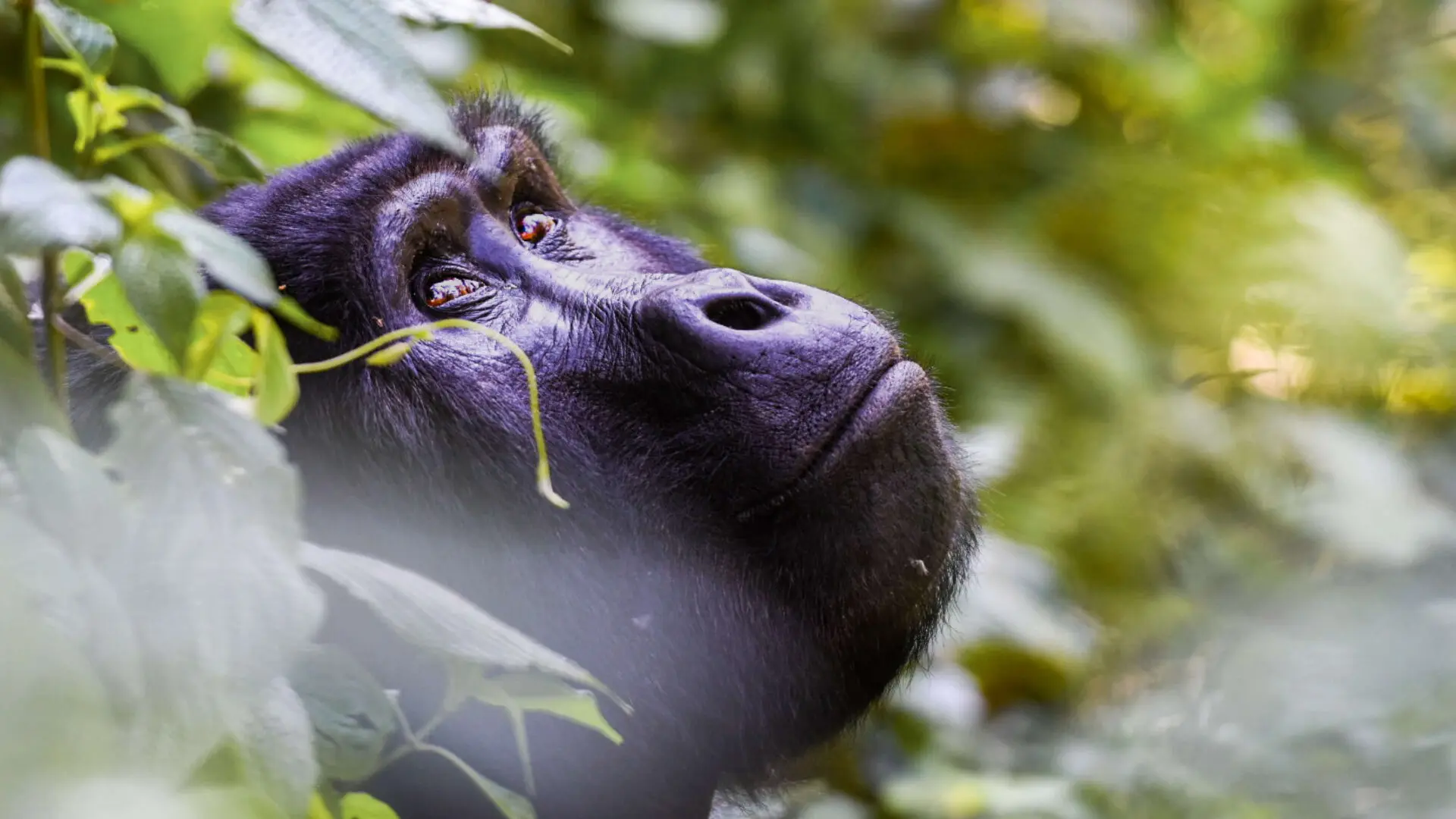
Once you find your gorilla family, you are allowed one precious hour them. They are fully habituated /used to human presence. So, they continue their daily life while you observe.
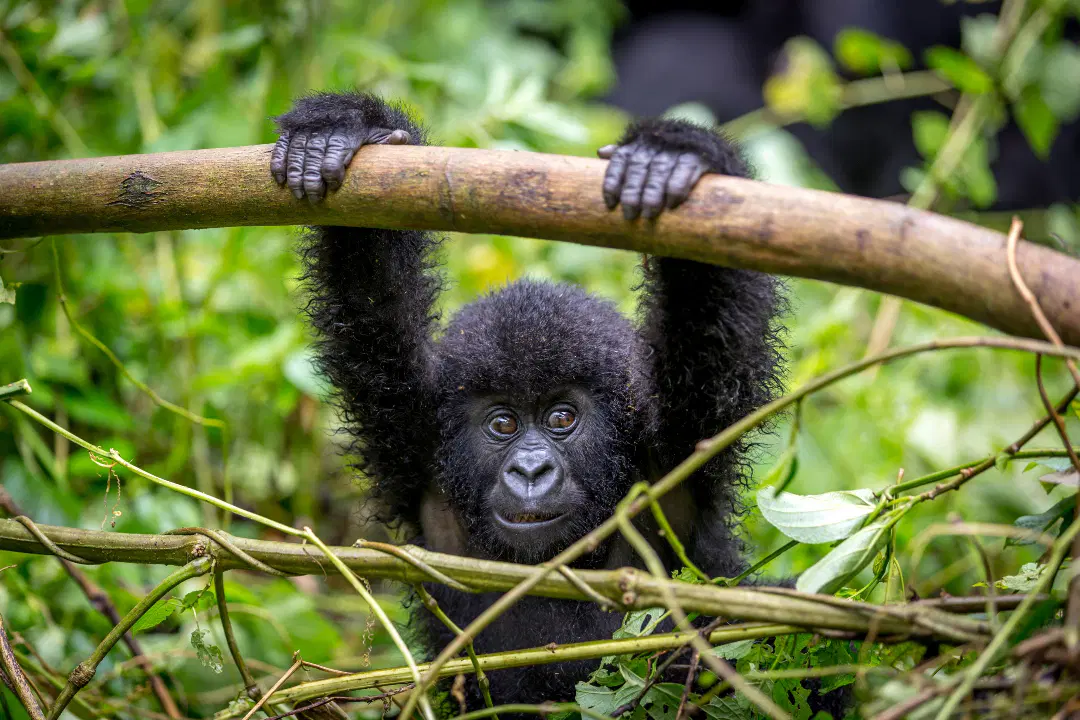
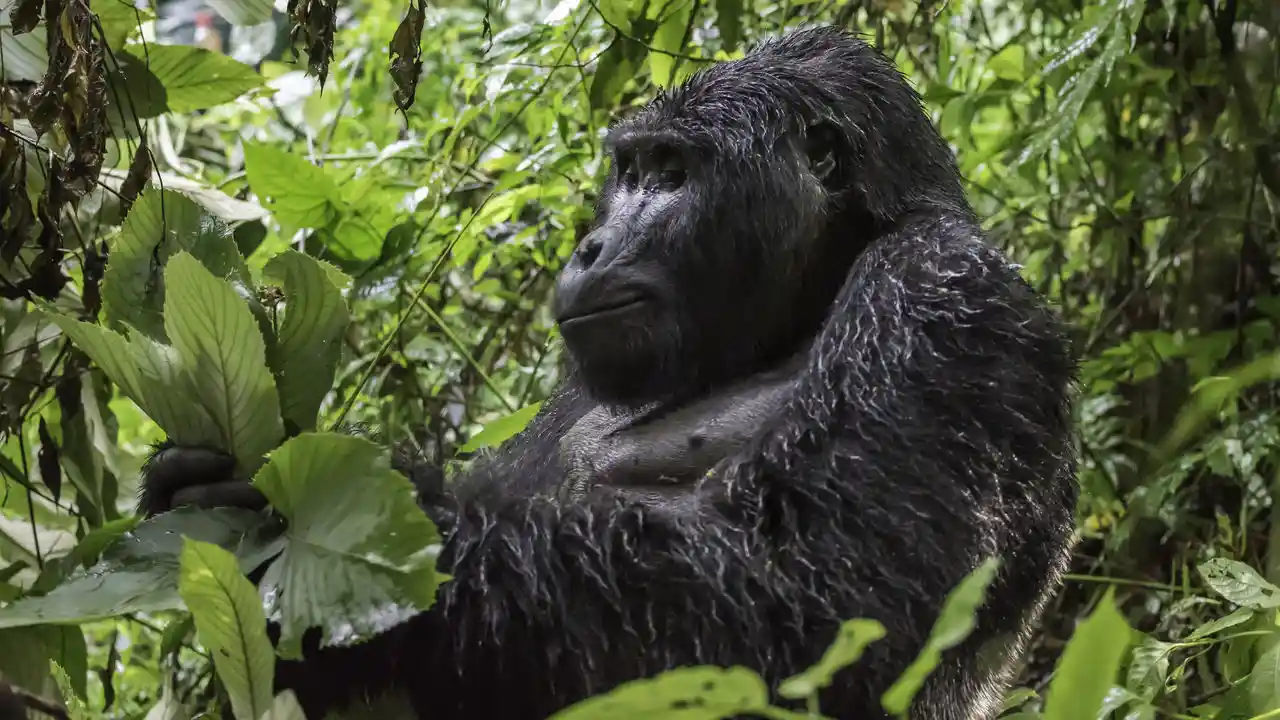
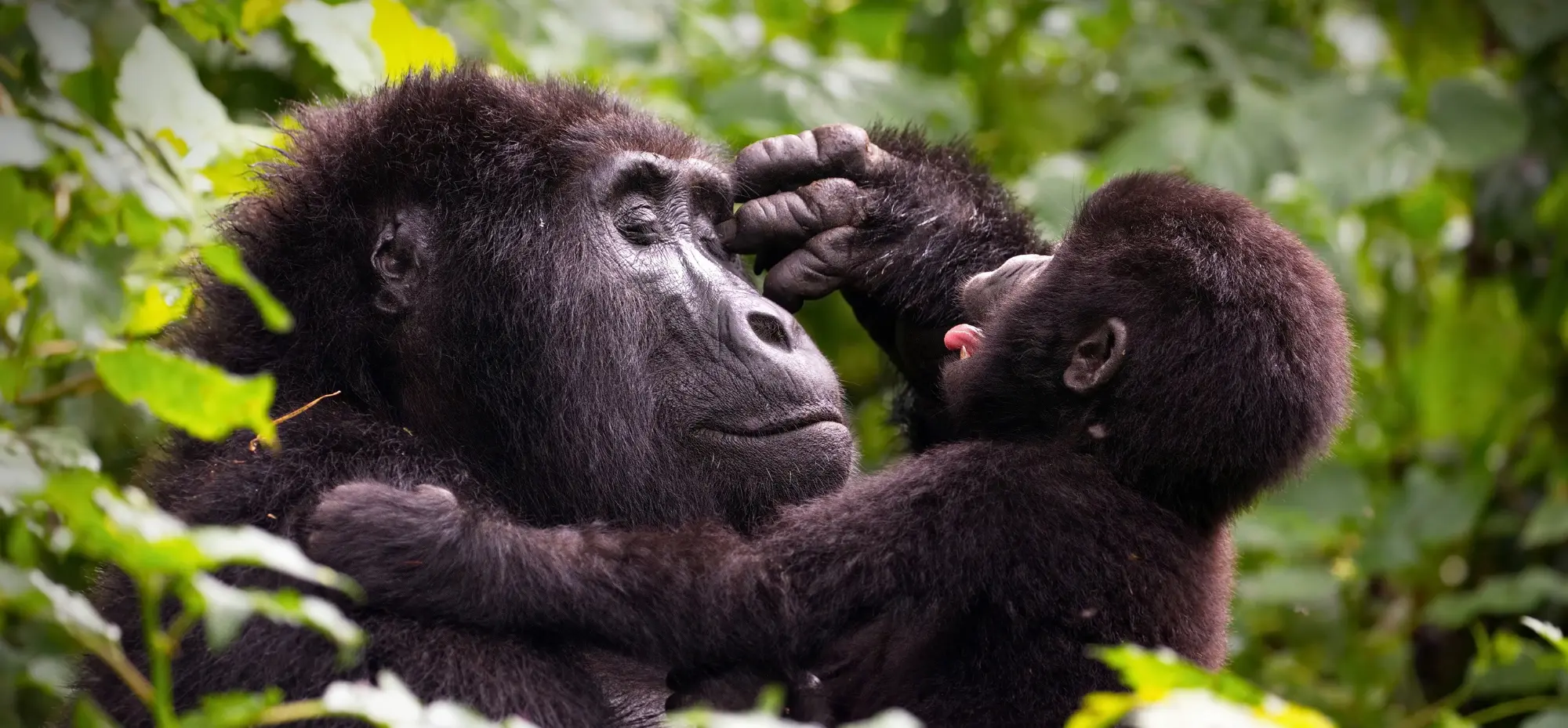
Mothers grooming their young. Juveniles playing laze in the trees or play. The giant silverback calmly surveys the scene. The experience is intimate, emotional and surprisingly quiet.
What to expect:
- A can last from 45 minutes to 7 hours, depending on where the gorillas are located
- One full hour in the presence of a habituated mountain gorilla family
- Clear and strict rules designed to protect both you and the gorillas
- A short but deeply powerful and emotional wildlife encounter
Gorilla trekking is the perfect choice if you have limited time, or if this is your first primate experience. The time with the gorillas is brief, but the impact is lasting and often life-changing.
2. Gorilla habituation: a deeper look behind the scenes
The gorilla habituation experience is very different from standard trekking.
Instead of visiting a fully habituated family, you join researchers and rangers working with gorillas that are still getting used to human presence. This is part of a slow and careful conservation process, where trust is built step by step. There are no advance trackers locating the gorillas for you.
You search for them together with the habituation team, following signs like nests, footprints, and feeding trails. This makes the experience feel more raw and more adventurous.
Only four visitors are allowed each day, making it very exclusive. Once you find the gorillas, you can spend up to four hours with them—far longer than the one hour on a normal trek. In areas like Bwindi Impenetrable National Park, this happens mainly in the Rushaga sector.
Because these gorillas are not fully used to people, their behavior can be more unpredictable and dynamic. You learn how researchers identify individuals, observe their social structure, and watch how they slowly accept human presence. This experience feels less like tourism and more like being part of real fieldwork.
It is more physically demanding and more expensive than standard trekking, but for those who want depth, time, and a deeper connection, it is unmatched.
What makes it different:
- Up to 4 hours with the gorillas, giving you much more time to observe and understand their behavior
- A strong focus on research and conservation, working alongside rangers and habituation teams
- Gorillas that may be more cautious, curious, or unpredictable as they get used to human presence
- A longer and often more physically demanding day in the forest
This experience is ideal if you are curious about what happens behind the scenes. It is not just about seeing gorillas, it is about understanding the real work of conservation on the ground, especially in places like Bwindi Impenetrable National Park. It requires patience, time, and a reasonable level of fitness, but for the right traveler, it is one of the most rewarding wildlife experiences in Africa.
Chimpanzees
1. Chimpanzee trekking: fast-paced & energetic
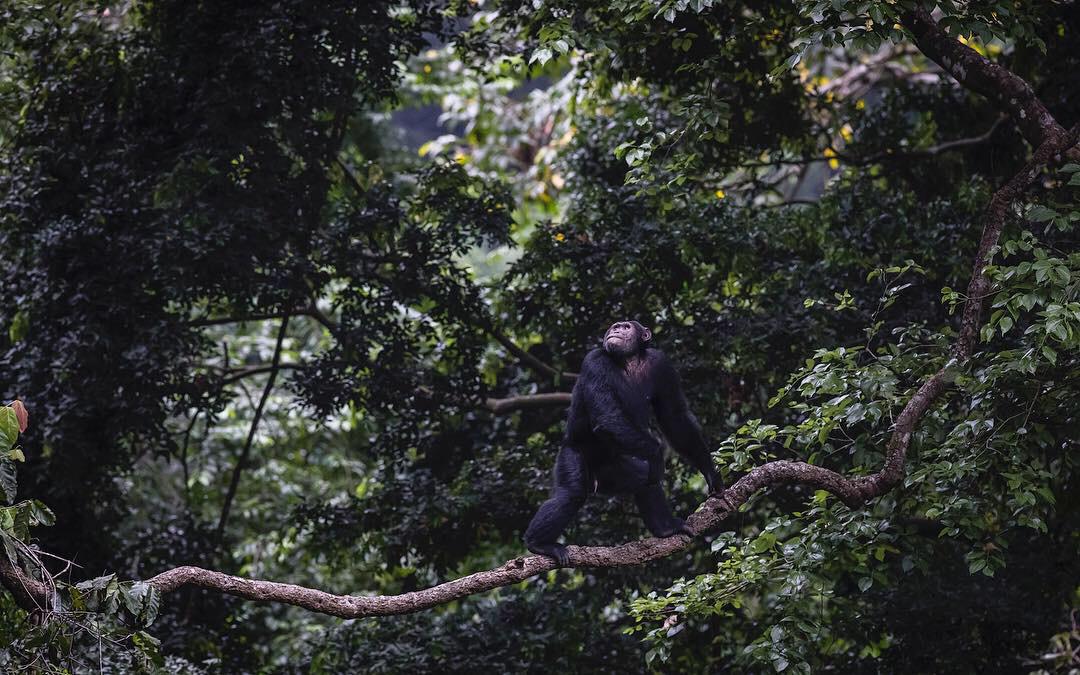
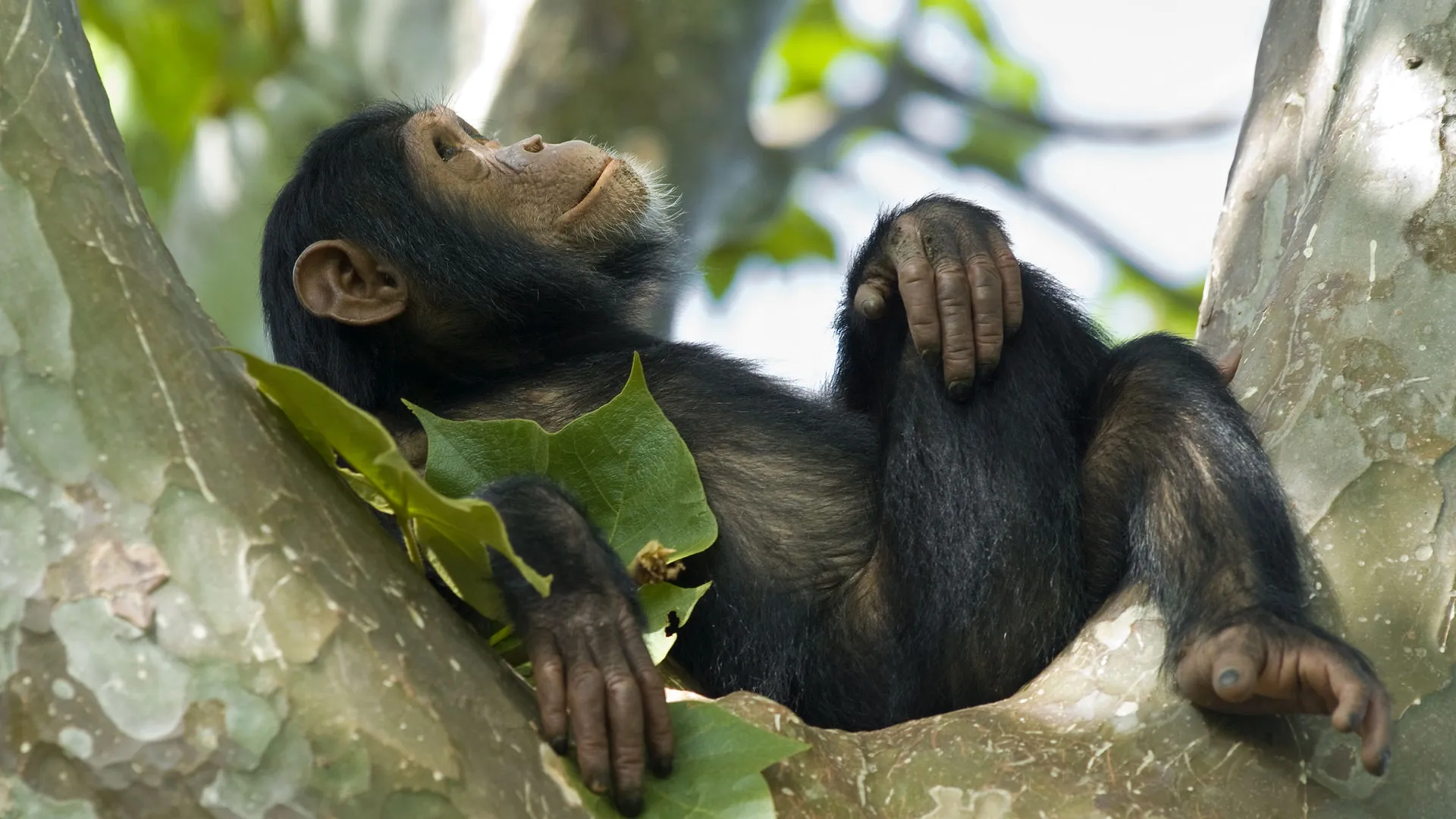
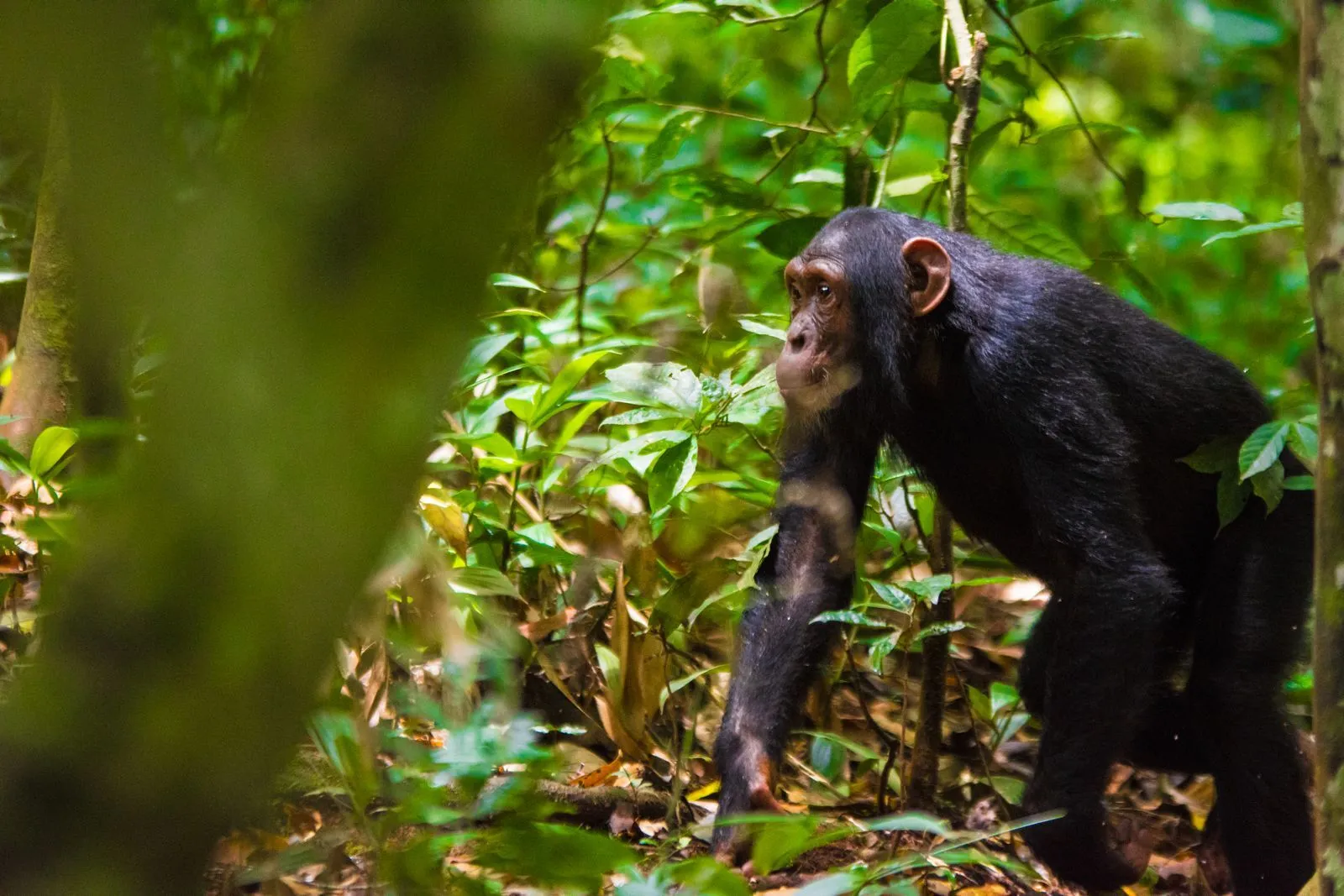
Chimpanzee trekking has a very different rhythm from mountain gorilla trekking. The pace is quicker. The energy is higher. While gorillas are often calm and stay on ground, chimpanzees are always on the move.
They climb trees, call, feed, and chase each other through the forest. One moment they are there, the next they are gone. It can feel like a game of hide-and-seek.
In forests like Kibale Forest National Park, Kalinzu Forest, Bugoma Forest, and Queen Elizabeth National park, you track them with experienced rangers, following sounds and fresh signs.
The search can be exciting and unpredictable. Once you find them, you spend about one hour observing their behavior. They are often high in the trees, moving quickly, interacting loudly, and showing strong social bonds. It is lively. It is dynamic. And it keeps you fully engaged from start to finish.
expect:
- A dynamic trek that can be physically active and fast-moving
- Loud calls and screams echoing through the forest
- Chimpanzees constantly on the move, often high in the trees above you
- A more wild, unpredictable, and energetic feeling overall
If you enjoy action and don’t mind that sightings can be brief and fast-changing, chimpanzee trekking is a perfect fit for you.
2. Chimpanzee habituation: spending a day in their world
A chimpanzee habituation experience is intense, in the best possible way.
It is longer, deeper, and far more immersive than a normal trek. Your day starts very early, often before the forest fully wakes up in places like Kibale Forest National Park and Budongo Forest. Together with rangers and researchers, you head out to locate the chimpanzee community at their nesting site.
From the moment you find them, you stay with them as they begin their day. You follow their movements as they feed, travel, interact, and sometimes disappear into thick forest before suddenly reappearing again.
During this experience, you witness rare behaviors that are not usually seen on a standard trek. This includes hunting, tool use, and complex social interactions between individuals.
It is educational, and physically demanding, but also one of the most powerful ways to truly understand chimpanzees in the wild.
Key differences:
- Several hours with the chimpanzees, often a half or full day in the forest
- Very early starts and long, active walks through different forest areas
- A deeper and more detailed understanding of chimpanzee behaviour and social life
- Less predictability, with more space for discovery and real adventure
This option is ideal if you are truly fascinated by primates, naturally curious, patient, and happy to get a little muddy along the way.
So… Trekking or Habituation?
There is no right or wrong choice. It simply depends on your travel style and what kind of experience you want. Both are incredible in their own way.
Choose trekking if you:
- Have limited time
- Want a powerful but well-structured wildlife experience
- Prefer a clear, guided activity with set timing
Choose habituation if you:
- Enjoy immersive, hands-on, educational experiences
- Are physically fit and patient
- Want to see real conservation work happening in the field
One thing is certain: whether you choose gorillas or chimpanzees, the experience in the wild is deeply moving. It is humbling, emotional, and grounding. It reminds you that deep in the forest, we are only visitors. And very privileged ones at that.