Best Uganda Gorilla Trekking Tours

Uganda Gorilla trekking Tours

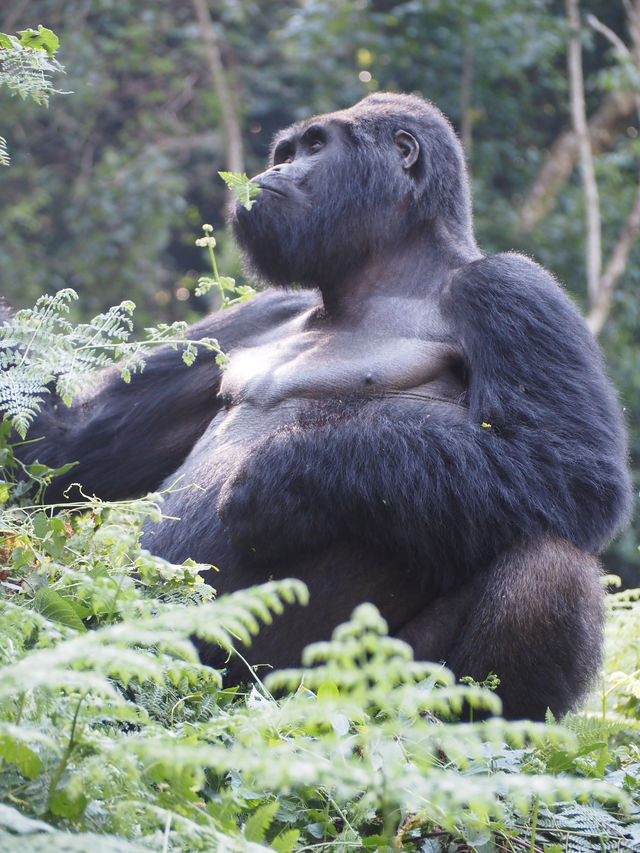
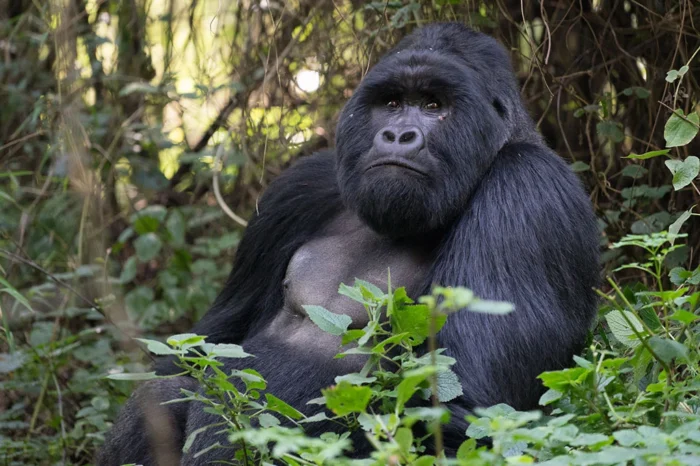
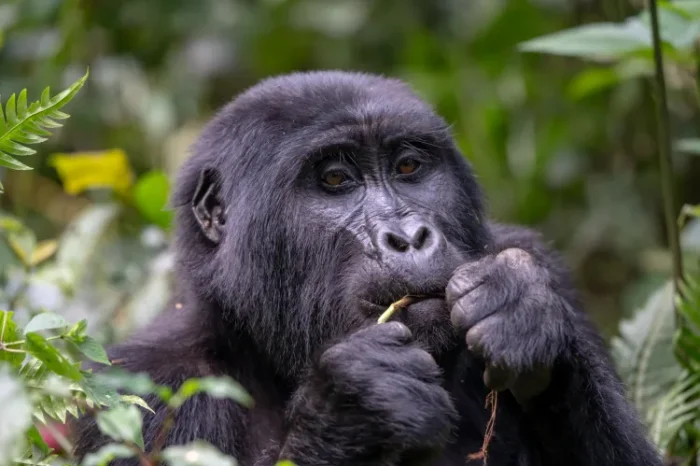
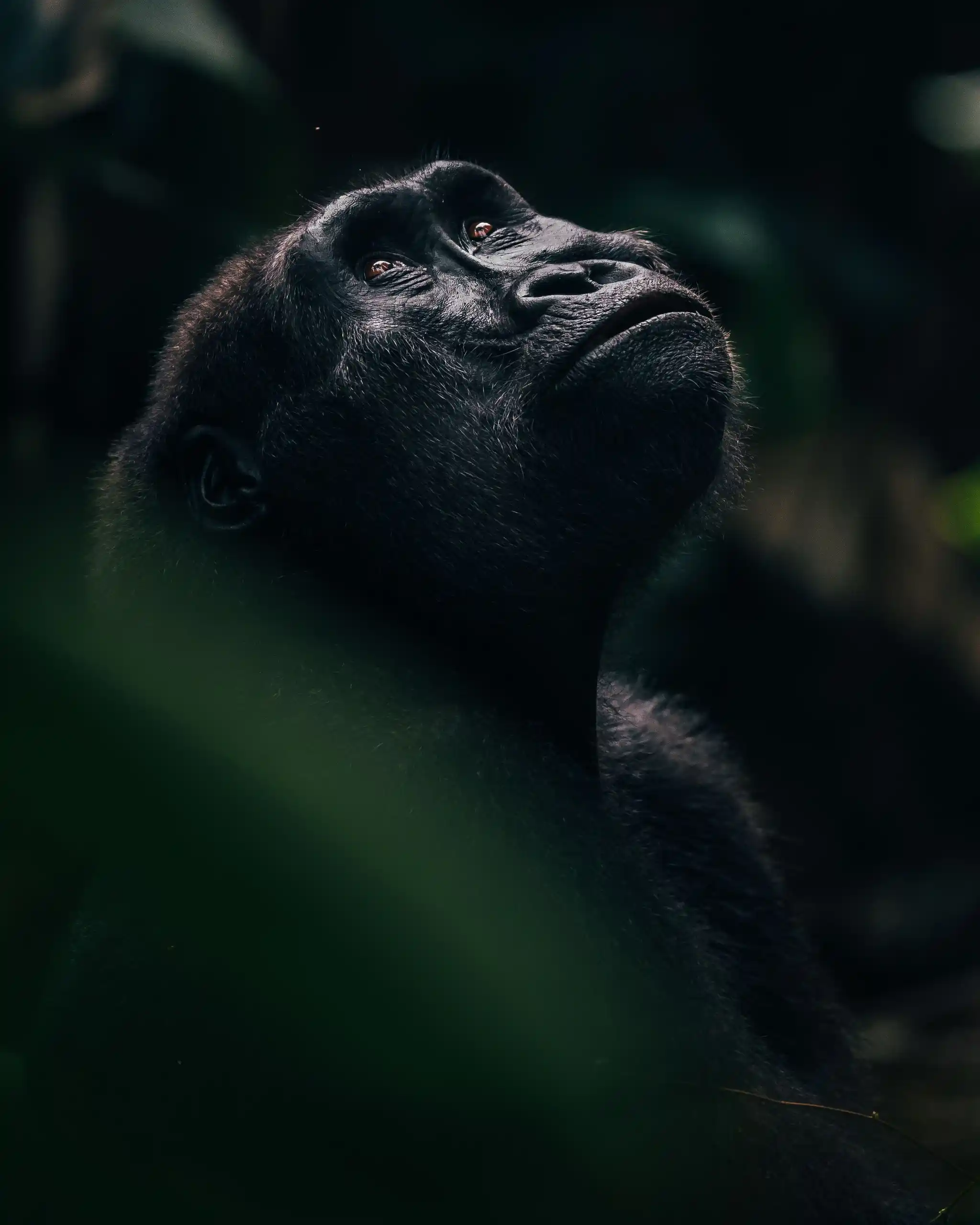
Uganda is a diverse country. It has so many things to offer. But around 80 percent of the people who visit Uganda come to see mountain gorillas in the wild. Gorillas are truly impressive animals. 

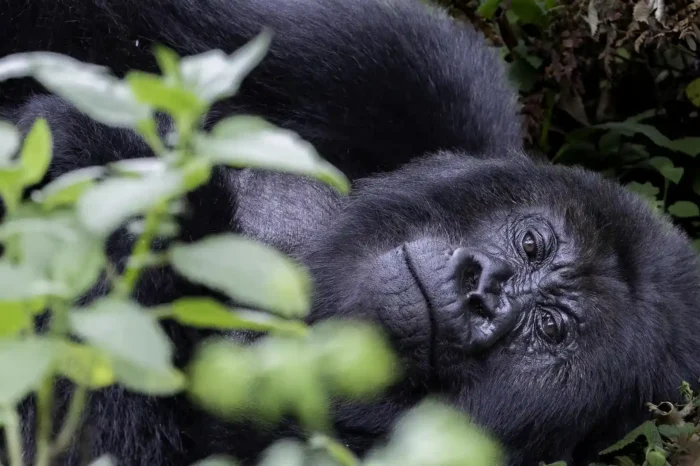
When you see them from just a few meters away, you realize how closely related we are. Don’t be surprised if you feel emotional. You won’t be the first to shed a tear. On this page, we will tell you everything you need to know so that you can be well prepared for your gorilla trekking tour in Uganda.

Gorillas are threatened with extinction

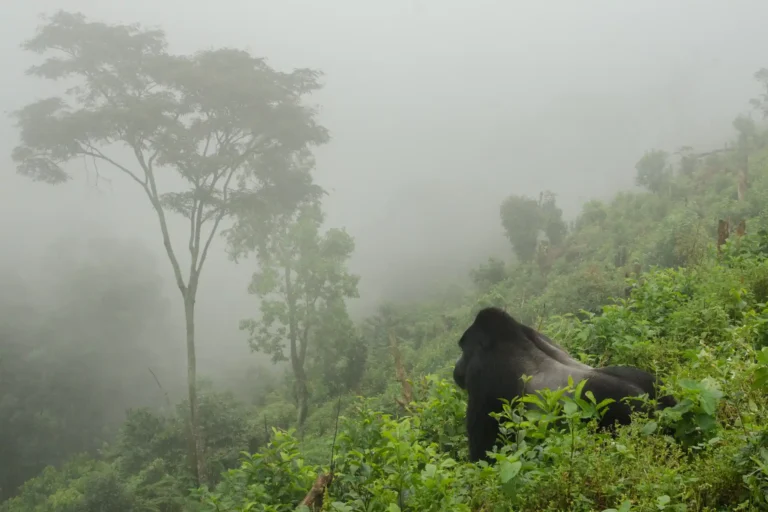
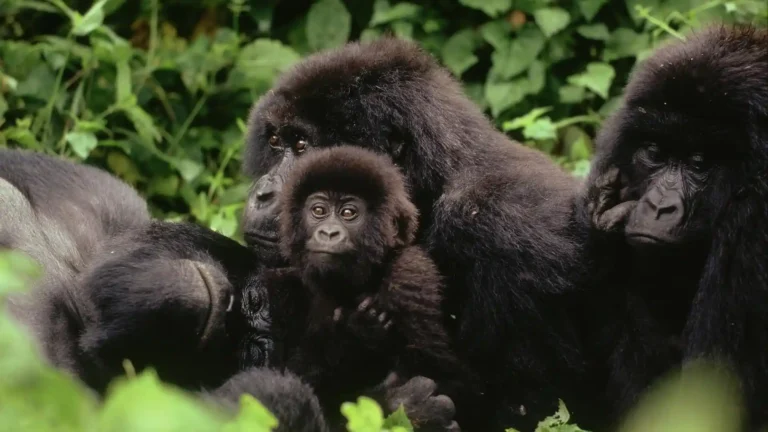
Mountain gorillas are classified as Endangered by the International Union For Conservation of Nature (IUCN). Fewer than 1,100 individuals remain in the wild today. About 543 of them live here in Uganda. The only other places on Earth where you can see mountain gorillas are the neighboring countries of Rwanda and the Democratic Republic of Congo.

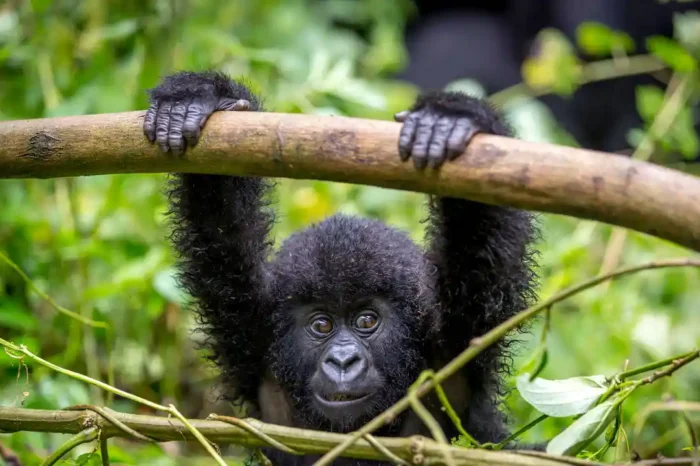
Despite being endangered, the gorilla population in Uganda is slowly increasing. Many young gorillas have been born in recent years, a hopeful sign for the future of the species. Keep reading and discover everything you need to know to prepare for your gorilla trekking experience in Uganda.

Best Uganda Gorilla Trekking Packages

ALL CAN BE CUSTOMIZED

With your gorilla visit, you contribute

A gorilla trekking permit currently costs a standard $800 per person. 

During the low season months of April, May, and November, a lower rate of $600 per person applies. That is a considerable amount, but it is more than just access to a trek. Of course, it offers a unique experience, one that forms the absolute highlight of a safari to Africa for many travelers. 

But at the same time, you contribute directly to protecting the endangered mountain gorillas and their natural habitat. 

Money from permits is used by the Uganda Wildlife Authority (UWA) to protect national parks, monitor gorilla families, and for conservation in the region. Partly as a result of this, the Uganda gorilla population has grown slowly in recent years.

Bwindi's gorilla families and trekking sectors

Where can you see gorillas in Uganda?

You can see mountain gorillas in two national parks in Uganda.  Bwindi Impenetrable National Park is the most famous and home to several gorilla families. Mgahinga Gorilla National Park is smaller but just as special.  With Choose Uganda Safaris, a visit to the mountain gorillas in Bwindi is included as standard.  Are you staying longer in Kisoro? Then you can choose to also visit the mountain gorilla family in Mgahinga.

Silverback - Arial View - 1.webp

Gorilla trekking in Bwindi Impenetrable national park

Most travellers with Choose Uganda Safaris will see gorillas for the first time in Bwindi Impenetrable ForestThis is the best place in Uganda for gorilla trekking, with around 25 habituated families and more than 540 gorillas. Because of this, the chances of seeing the “gentle giants” are extremely high. 

Compared to Mgahinga National Park, gorillas in Bwindi also tend to move shorter distances, which can make trekking a bit more predictable.

Bwindi is divided into four trekking sectors: Buhoma, Ruhija, Rushaga, and Nkuringo. Each sector works act as a self-standing gorilla trekking destination, with its own gorilla families, permits, and accommodation options. Buhoma is the best option if you are coming from the north, for example from Queen Elizabeth National Park. It is the most established sector and offers the widest choice of comfortable and luxury accommodation.

If you are travelling from Kigali or Kisoro, Rushaga is the easiest sector to reach. It is very popular because it has the highest number of permits available.  

Rushaga is also the only place in Bwindi where you can do the gorilla habituation experience. Nkuringo is the most remote and physically demanding sector. The hikes here can be tougher, but the scenery is stunning and visitor numbers are lower, which makes the experience feel more exclusive. 

Ruhija is quieter and cooler, and it is especially known for its excellent birdlife. It is a great choice for nature lovers, although accommodation options here are more limited compared to the other sectors.

The gorilla habituation experience

It is also possible to take part in the Gorilla Habituation Experience in Bwindi Impenetrable National Park. During this special activity, you join researchers and a habituation team to search for a gorilla family that is still getting used to human presence. Once you find them, you can spend up to four hours with the gorillas. This gives you a much deeper look into their behaviour and social life. You also learn how trust is slowly built between humans and wildlife. 

The experience is more physically demanding than regular trekking. It is also more expensive. It costs USD 1,500 per person and it will cost USD 1800 in 2027.  But for many travellers, it is one of the most rewarding wildlife experiences in Africa.

Uganda gorilla Trekking tours (1).webp

Gorilla trekking in Mgahinga Gorilla National Park

Besides Bwindi Impenetrable Forest, you can also visit mountain gorillas in Mgahinga Gorilla National Park in the Virunga Volcanoes. This park has one habituated gorilla family, known as the Nyakagezi group. Mgahinga feels very different from Bwindi Impenetrable National Park. 

Bwindi is thick and dense, sometimes truly “impenetrable.” Mgahinga, on the other hand, is more open, which often makes trekking easier and more comfortable. 

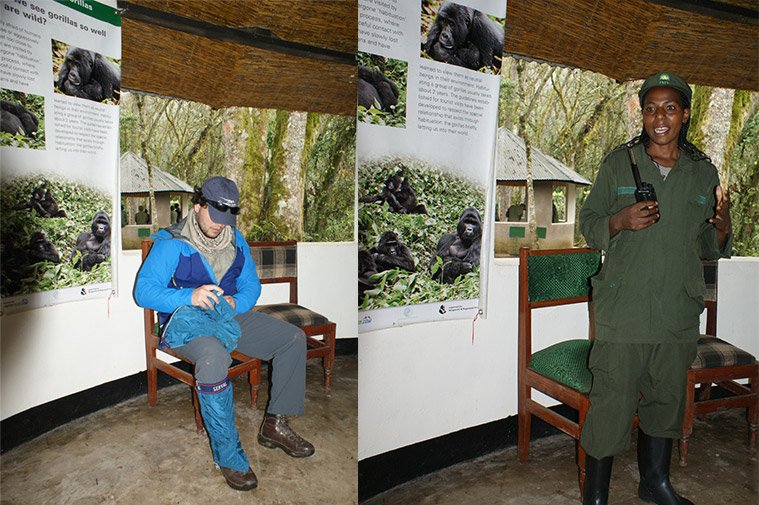
Just like in Bwindi, your day starts early at the park headquarters. Your details are checked. You receive a briefing. And you can hire a porter if needed. Then you head into the forest with experienced, armed rangers, as animals like buffalo and forest elephants also live in the park. 

Although most travellers choose Bwindi, we highly recommend trekking in Mgahinga too. The scenery is different. The park is quieter. The whole experience feels more peaceful and exclusive. The gorillas here can also look slightly different, which makes the visit even more special.

8-Day Uganda Safari
Frequently asked questions

About Uganda gorilla trekking tours

Gorilla trekking in Uganda is a unique wildlife experience. It is an adventure where you trek for gorillas in mountainous rainforest. You hike through a dense jungle on steep, narrow footpaths behind a ranger guide who slashes a path through the foliage with a machete. We can imagine that you have so many questions about this. We have already answered the most important questions for you below. Is your question not listed? Feel free to contact us.

Yes, an encounter with these fascinating creatures is the highlight of a trip to Africa for many people. Gorilla trekking in Uganda is much more than just seeing the mountain gorillas. It begins with trekking through a beautiful rainforest jungle, where you go in search of gorilla families together with a local ranger guide.

Then, suddenly, you stand face to face with a mountain gorilla in its natural habitat. That moment often makes a deep impression. Their strength, their calmness, and their human-like behavior cause everything to stand still for a moment. Because this happens in the wild, without barriers or fences, it feels special and real. For many people, this is the kind of wildlife experience that stays with them for a long time.

The decision is made. You have secured your gorilla permit through Choose Uganda Safaris. With proper preparation, you will fully enjoy your gorilla trekking experience on the day of the actual encounter.

SHOE FOR GORILLA TREKKING

For gorilla trekking, good strong hiking boots or shoes are very important. The trails can be muddy, slippery, and uneven. So, your shoes need to give your feet and ankles proper support. A firm sole with good grip will help you walk safely on steep forest paths. It is best to get advice from a specialist outdoor shop so you choose boots that are suitable for mountain hiking in rainforest conditions.

GARDENING GLOVES

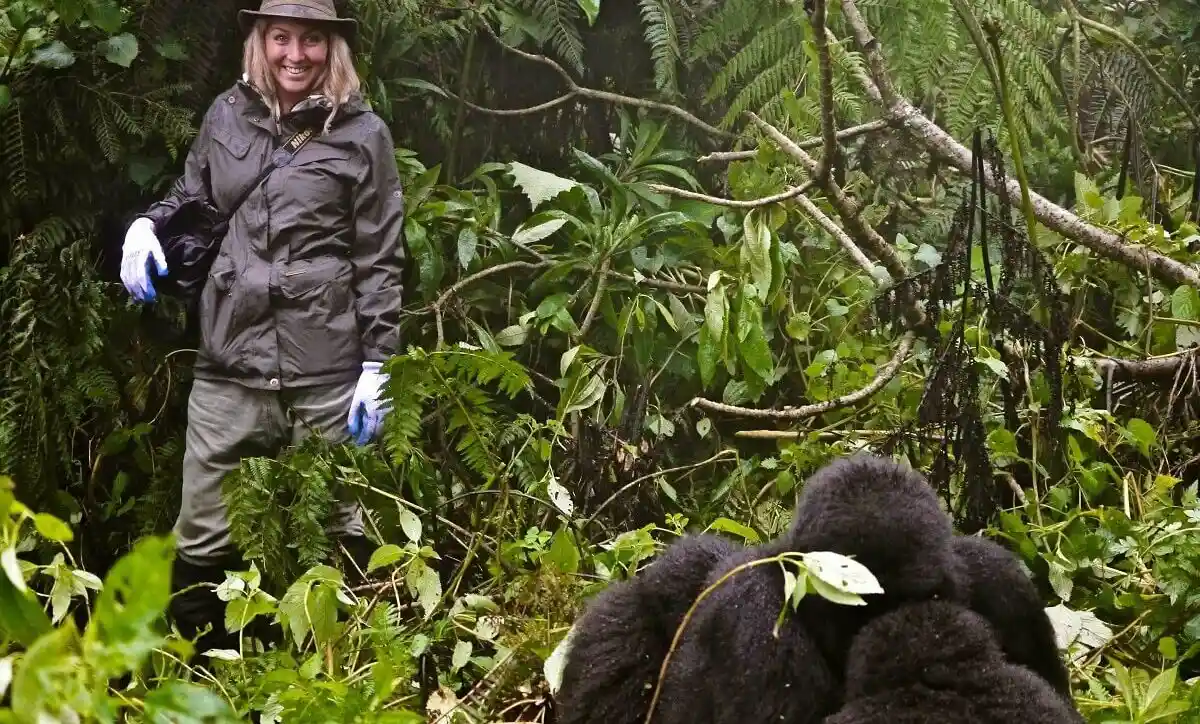
During gorilla trekking, you will often need to pull yourself up or down using branches, vines, logs, or rocks. The forest can be rough, and sometimes sharp thorns or nettles are hidden where you place your hands.  Small insects can also bite or sting unexpectedly. For this reason, it is a good idea to bring strong gardening gloves. They protect your hands and make climbing through the forest much more comfortable. You can simply take them off when you are with the gorillas.

RAINWEAR

In a rainforest, rain can fall at any time. Sometimes it is a short shower of 10–15 minutes, but in some seasons, it can last for hours. That is why good rain gear is very important for gorilla trekking. Choose lightweight, breathable rainwear that is easy to move in. A rain cover for your backpack is also useful to keep your belongings dry. 

You can also use a poncho instead of a rain jacket and trousers. It is quick to put on and very practical when rain starts suddenly. Some ponchos even have space for your backpack.  The only downside is that ponchos can get caught on branches or thorns when you move through thick vegetation. It is hard to know in advance how dense the forest will be on your trekking day. So, it is best to be prepared for both open and thicker sections of jungle.

GLUCOSE AND ENERGY BARS

It is a good idea to bring a few packets of dextrose and energy bars (power bars) with you during gorilla trekking. They help keep your energy levels and blood sugar stable, especially on longer or more demanding hikes. Walking up and down steep forest slopes can be tiring. Sometimes you need a quick boost to keep going. In those moments, a small energy snack like a bar or some dextrose can really help you recover and stay strong throughout the trek.

A DAY BEFORE YOUR UGANDA GORILLA TREK TOUR

The morning of gorilla trekking can feel a bit rushed because you need to arrive at the meeting point on time. That is why it is best to prepare everything the day before. Pack your day bag early, so nothing is forgotten in the morning. It is also a good idea to arrange a packed lunch with your lodge or hotel in advance. This saves time in the morning. Ensures you have enough food and energy during the trek. You may spend several hours in the forest.

MORE THINGS YOU NEED TO KEEP IN MIND FOR GORILLA TREKKING

Gorilla trekking starts early in the morning. You must arrive at the meeting point on time. 

If you are late, your place may be given to someone else. Before the trek begins, there is a briefing at 8.00 am. All participants (maximum eight per group) are registered and your passport details are checked.

After the word of welcome, the lead ranger announces the rules:

The rangers are in charge. They tour the forest every day and know it best. Their instructions must always be followed. They are responsible for both your safety and the wellbeing of the mountain gorillas.

If you are sick, you cannot join the trek. You may receive a partial refund and, at a reduced fee, join a guided nature walk instead.

If you feel unwell during the trek, you will return with a ranger. In this case, no refund is given. This rule protects the gorillas from human diseases, which can be very dangerous to them.

The minimum age is 15 years. This helps protect the gorillas from illness and ensures all trekkers are physically and mentally ready for the hike.

A walking stick is available at the starting point. It is not required, but it is very helpful on steep or muddy sections.

You may not see them, but armed rangers and security teams are present in the forest. They protect both visitors and gorillas from poachers.

Always stop before taking photos or looking around on narrow forest trails. The paths are often steep and uneven, and it is easy to lose your balance.

On almost all treks, gorillas are found (around 99.9% success rate). In the very rare case that they are not located, you may receive a partial refund, and the trek is treated as a nature walk.

Searching for gorillas continues until around 3:00 PM. After that, the return must begin for safety reasons. It is not safe to be in the forest after dark because of limited visibility and wildlife such as forest elephants. Rangers always do everything possible to find the gorillas within the allowed time.

When you reach the gorillas, you leave your bags behind with the security team. You continue with only your camera or binoculars.

No flash photography, eating, or drinking near the gorillas.

You are allowed one hour with the gorillas. This time is precious. Stay aware of others in your group and share viewing space kindly.

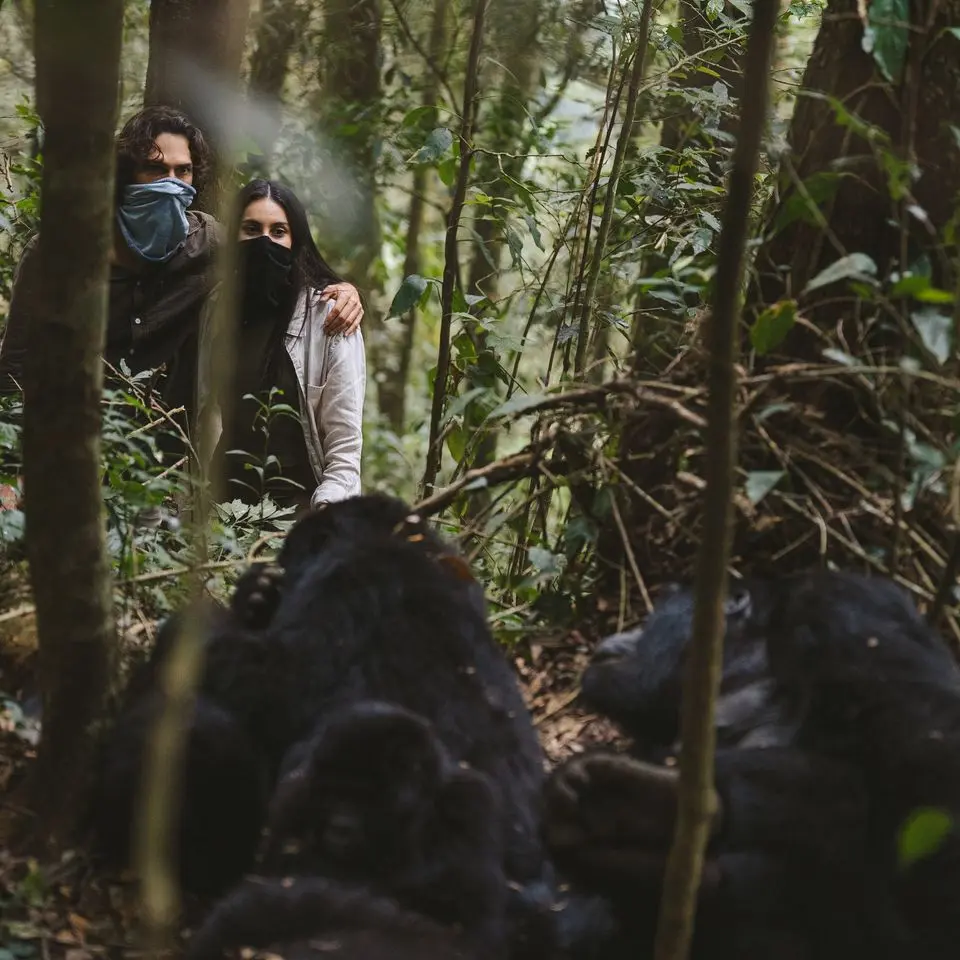
You must keep a minimum distance of 7 meters. This protects both you and the gorillas from disease.

Sometimes gorillas may come closer on their own. Always follow the ranger’s instructions calmly.

Speak in low voice and avoid loud movements.

Silverbacks and young males may show mock charges. This looks dramatic but is usually just a display. Stay calm and do not run.

Gorillas are wild animals. They are used to humans, but they are not tame. Always respect their space and behaviour.

Do not look directly into a silverback’s eyes for long periods, and do not imitate chest-beating.

Do not shake branches or disturb vegetation.

Take all your rubbish back with you. Always carry a small bag for waste and leave nothing in the forest.

CLASSIFICATION OF VISITOR GROUPS

Visitors are grouped based on their fitness level and age. 

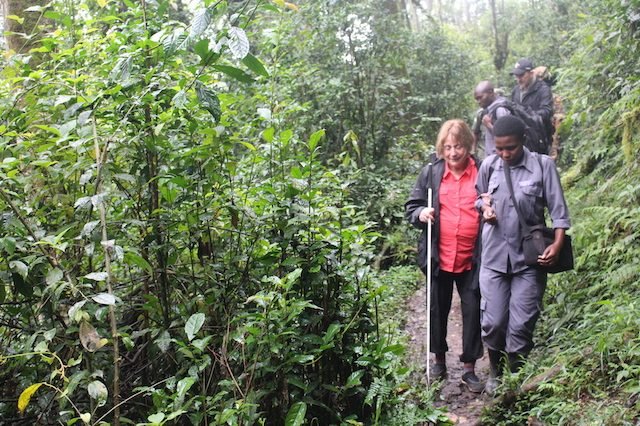
Elderly travellers and those with lower fitness are usually assigned to gorilla families that are easier and quicker to reach. This helps keep the trek comfortable and safe. 

Younger travellers or those with an average fitness level may be assigned to groups that require a longer or more challenging hike. This depends on where the gorillas are located that day.

HIRING PORTERS

The pace of the trek is set by the slowest person in the group. 

Rangers place them at the front and guide the group carefully so everyone can keep up comfortably. 

It is highly recommended to hire a porter to carry your backpack. The cost is about USD 20 per porter. This is not only practical, but also a meaningful way to support the local community. 

Many porters are students or young people earning an income through this work.

Porters also assist you on steep and slippery sections, helping make the trek easier and more enjoyable. The choice is yours, but most travellers find it very helpful.

Both rangers and porters are friendly, supportive, and focused on making your experience safe and successful. 

There are regular breaks during the trek. And it’s essential to drink enough water to stay hydrated.

THE ENCOUNTER WITH THE GORILLAS

The excitement builds as you begin to see fresh signs of gorillas: broken branches, dung, or nests made from flattened grass. Then your guide quietly says, “They’re close.” 

In that moment, everything changes. Your heart starts to race.

When you finally see that first glimpse of black fur in the green forest, it is something you will never forget. Take a moment. Pause. Really take it in.

The one hour you spend with the gorillas goes by very quickly. Take photos, but also put your camera down sometimes and just watch. These are memories you will carry for life.

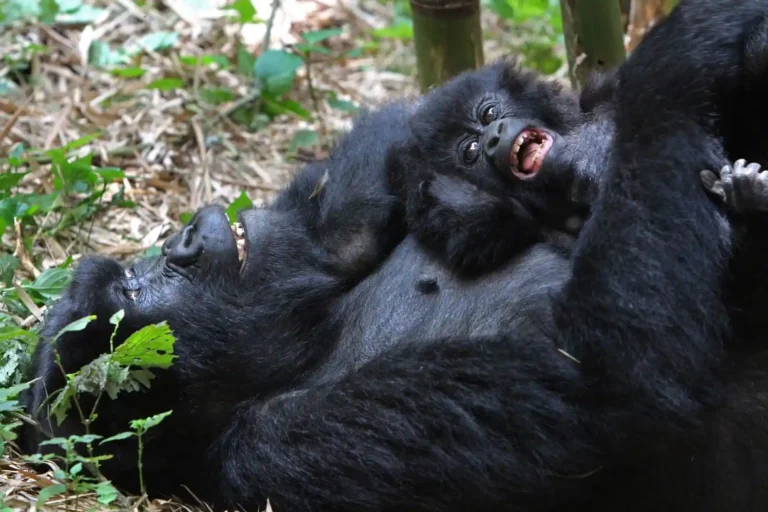
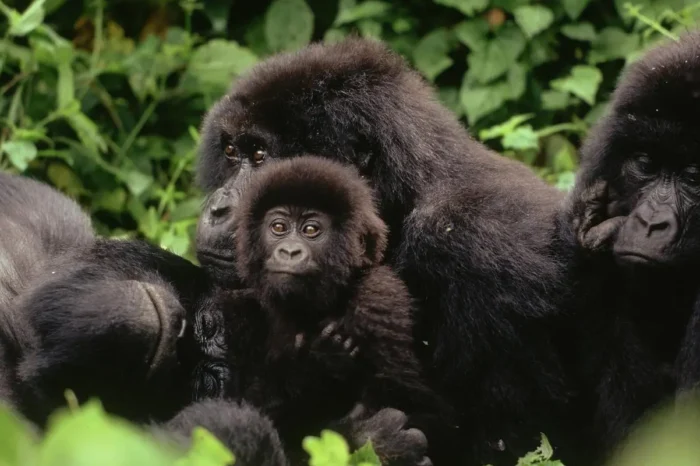
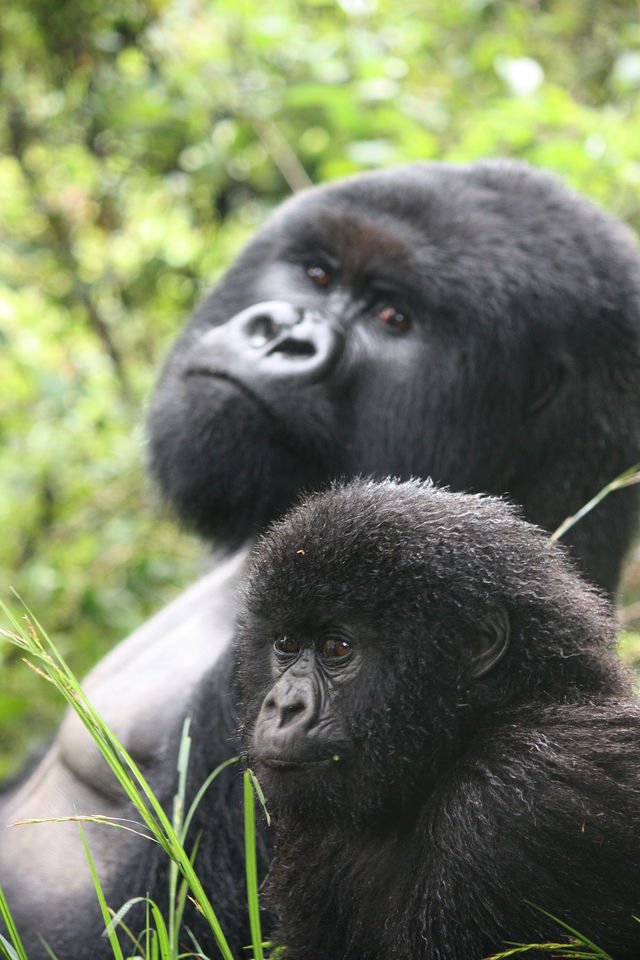
You will notice how calm and tolerant the gorillas are. They may look at you for a moment, curious, and then continue with their day. Mothers care for their young. Juveniles play. A silverback watches quietly over the group. 

Sometimes a young gorilla may come a bit closer out of curiosity. When this happens, the guide will gently guide the situation with a soft sound or instruction.

It is important to remember that this is a true privilege. Not long ago, people feared that mountain gorillas might disappear completely. Today, every visitor plays a small role in their protection. 

By respecting the rules, you help ensure their future. Even if you feel tempted to move closer or stay longer, always follow the guidelines and trust the rangers.

THE ENCOUNTER WITH THE GORILLAS

After your time with the gorillas, you still need to walk back. 

While the climb up can be tiring, the descent can be just as challenging. 

Good hiking boots are very important, even more so on the way down. 

The trail can be steep and slippery, so take your time and watch every step.

Depending on how far you trekked, the return walk usually takes another 1 to 2 hours. 

Stay focused until you reach flatter ground. If you want to take photos, always stop first before using your camera. One small slip can happen very quickly if you are not careful.

At the end of the trek, a small celebration awaits. 

Gorilla trekking is not just a highlight of your trip, it is often a once-in-a-lifetime experience. The mix of adventure, nature, and the knowledge that your visit helps protect these animals makes it truly special.

You will also receive a personal certificate from the Uganda Wildlife Authority as a souvenir of your achievement. 

It is a simple but meaningful reminder of an unforgettable day.

Around the parks, you may also find local crafts like wood carvings for sale. Buying these supports local communities and helps create a strong connection between people and conservation. 

Protecting mountain gorillas, their forest home, and all wildlife is something we all share responsibility for.

There are two main seasons for gorilla trekking in Uganda: the dry season and the rainy season. Both are good, and you can see gorillas all year round.  The dry season runs from June to August and from December to February. 

Many people prefer dry season because the forest paths are usually less muddy and easier to walk on. Trekking feels more comfortable. But remember, this is rainforest. So, it can still rain at any time. The rainy season runs from March to May and again from September to November. 

During these months, it rains more often. The trails become wetter and more slippery, so trekking can feel a bit harder. But gorilla trekking still takes place every day in Uganda. The gorillas do not hide because of rain. 

One big advantage of the rainy season is that permits are often easier to get, even at short notice. 

And in the months of April, May, and November, gorilla permits are cheaper, reduced from USD 800 to USD 600. 

Many lodges also lower their prices, so the trip becomes more affordable. 

The forest is also very beautiful during the rainy season. 

Everything turns deep green, rivers are full, and the whole landscape feels fresh and alive.

The length of a gorilla trek can vary from day to day. On average, the search for the gorillas takes between 1 and 4 hours, but sometimes you find them much sooner, while on other days the trek can take longer. It all depends on where the gorilla family is moving in the rainforest that day.

Once the gorillas are found, you are allowed to spend a maximum of one hour with them. During that time, you can quietly observe their behavior, take photos, and simply enjoy the experience of being so close to them in the wild.

After the visit, you walk back through the forest together with the guides and rangers.

Because you never know exactly how long the search will take, every trek feels different and adventurous. And for most travelers, the moment you finally stand face to face with the gorillas makes every step completely worth it.

  • Bring at least two litres of water per person. You will sweat a lot while hiking, so it is important to stay hydrated, even if it rains.
  • Pack a dry pair of socks and leave them in your vehicle at the starting point. If your feet get wet during the trek, changing into dry socks afterwards feels amazing. You can also keep a spare pair of shoes in the car if you like.
  • You may bring binoculars and a camera if you want to capture or observe more details.
  • Try to pack everything in a small daypack so your hands stay free. Carrying things in your hands quickly becomes uncomfortable on steep or uneven trails.
  • If you bring a camera or binoculars, wear the strap diagonally across your shoulders. This helps prevent neck and back strain, especially during longer walks. Even light equipment can feel heavy after a while.
  • Don’t forget your passport. It is checked during the gorilla trekking briefing before you start.

Whether gorilla trekking feels hard or easy really depends on where the gorillas are on the day. Sometimes you can reach them in about an hour, but on other days the trek may take 3, 4, 5, or even 6 hours. There is no fixed distance, because the gorilla families move freely in the forest.

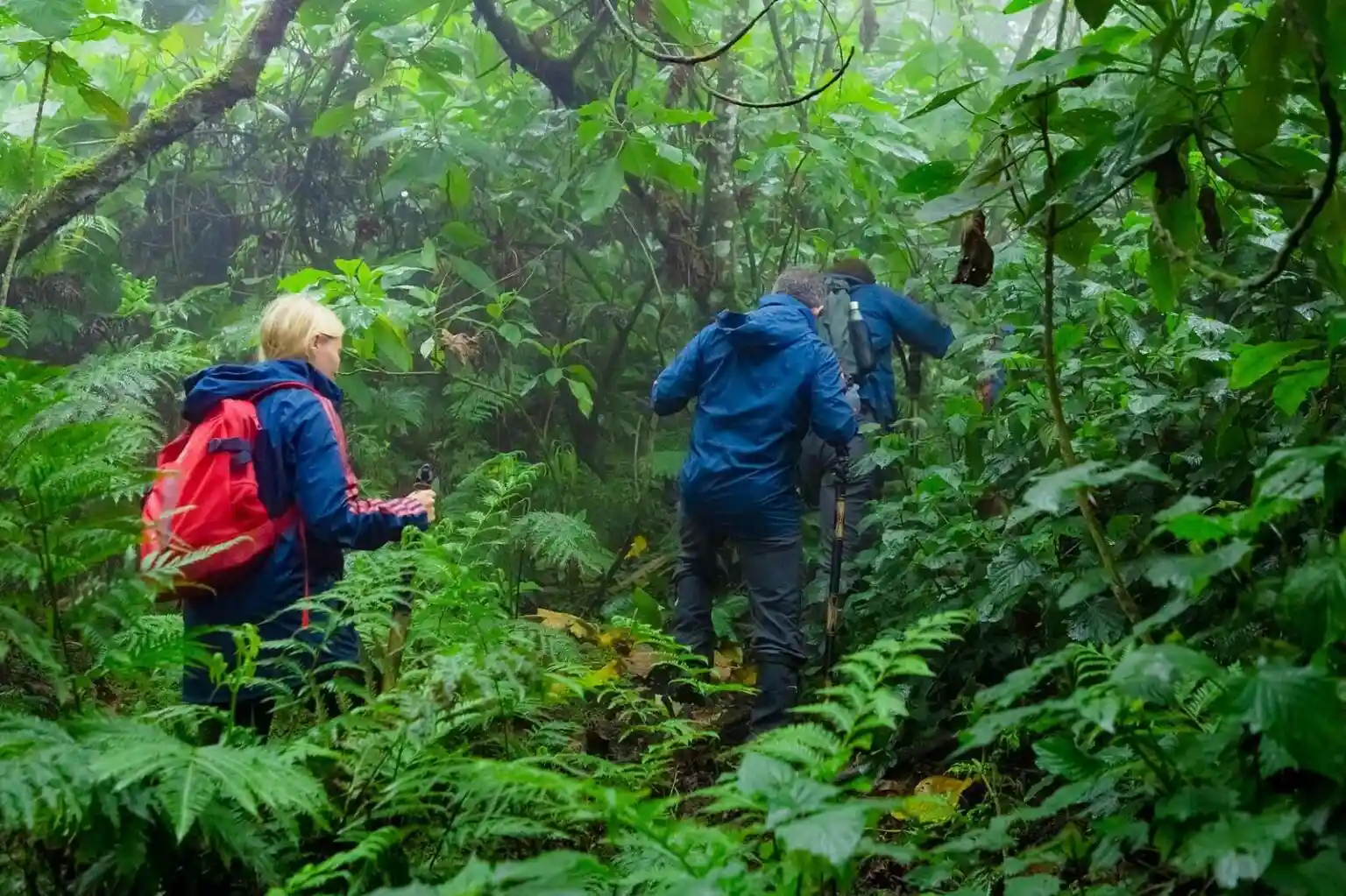
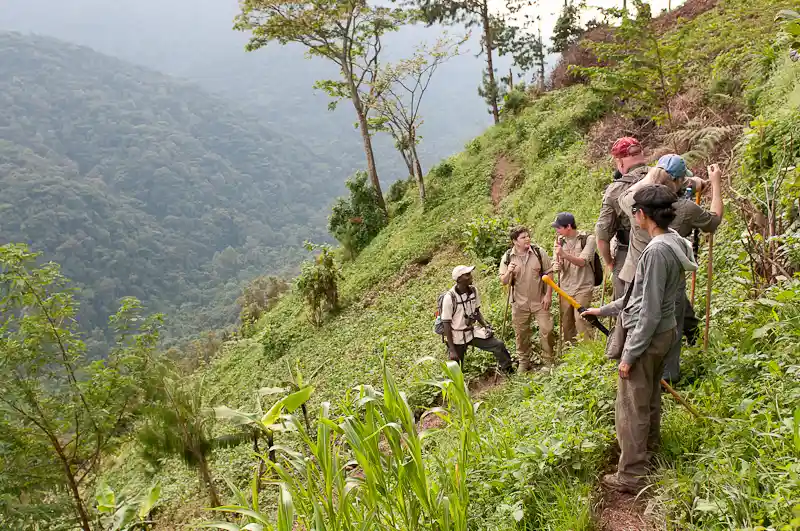
You will be walking in steep, mountainous rainforest terrain with constant ups and downs. There are no proper hiking paths. Instead, you follow narrow animal trails, often made by forest elephants. These paths can be muddy, slippery, and sometimes completely covered by fast-growing vegetation. 

In some sections, rangers may need to clear the way with a panga (machete). In Bwindi Impenetrable National Park, travellers can sometimes request a lighter trekking option in advance. For example due to age or health. 

If you book with Choose Uganda Safaris, we always pass this request on for you when arranging your permit. However, it is important to understand that this cannot be guaranteed. Gorilla locations change daily. The difficulty of the trek depend on where each family has moved.

One thing many travellers don’t expect is how variable the day can be. If the gorillas are close, you may find them within 15–30 minutes, spend one magical hour with them, and be back at the starting point in around two hours total. On other days, it can be a full half-day adventure deep in the forest. 

That unpredictability is part of what makes gorilla trekking so real and so special.

Want know more? Read our blog about the difficulty of gorilla trekking.

During a gorilla trek, there is an official rule to keep a minimum distance of seven meters from the mountain gorillas. This is done to protect both the gorillas and visitors, especially because diseases can easily spread between humans and gorillas.

In reality, the gorillas often decide the distance themselves. Sometimes they remain deeper in the forest, but at other moments a curious gorilla may slowly come closer to the group. Those unexpected moments are often what make the experience feel so powerful and unforgettable.

Throughout the encounter, the rangers carefully monitor the situation and make sure everything remains calm, safe, and respectful for both people and animals.

Because of this, the experience feels incredibly close and personal, while still remaining natural and responsible.

The minimum age for gorilla trekking is 15 years. However, with a signed letter from the parents, we can apply for an exemption for children who are at least 13 years old. 

This rule exists for several important reasons.

First, children may find it hard to stay calm in stressful moments.

A gorilla may sometimes do a mock charge if it feels unsure or threatened. This is rare, but it can happen. A trained ranger knows how to handle this calmly.

A child, however, may panic, scream, or try to run when faced with the intimidating bark of a 200-kg silverback. That can make the situation more dangerous, as a gorilla will typically give chase to a running visitor.

There is also the physical side. Gorilla trekking can be long and demanding. 

You walk through steep hills, thick forest, mud, and uneven ground. This requires stamina, focus, and determination. Many adults already find it challenging. For children, it can be too much.

If you are travelling with younger children, there are still great options. Many lodges offer child-friendly activities, babysitting services, and safe nature walks.

Want know more? Read our guide to travelling in Uganda with children.

In high season, a gorilla permit in Uganda currently costs 800 USD per person. In the low season months of April, May and November, the permit price is reduced to USD 600. 

For comparison, the same gorilla permit cost USD 1500 in Rwanda.

This amount is set by the Uganda Wildlife Authority and is the same for all Uganda Tour Operators.

What you get for that is difficult to put into money. Accompanied by knowledgeable local ranger guides, you head into the jungle in search of a gorilla family. As soon as you find them, you get to stay with them for one hour.  

A close-quarters encounter with a silverback male mountain gorilla can be a hair-raising experience, especially if you have only ever seen large wild animals from the safety of a car. 

Yet despite their intimidating size, mountain gorillas are remarkably nonaggressive animals, entirely vegetarian and quite safe to be around. It is an experience you won’t find anywhere else on Earth like this.

Yes, the gorilla trekking permit is not cheap. Our advice is: do not view it as an expense, but as a once-in-a-lifetime experience that makes your Uganda safari adventure unforgettable.

Read more: How much does a Uganda safari cost?

Gorilla trekking in Uganda is strictly regulated precisely to protect the primates and their natural habitat. 

The activity is done by a limited number of visitors every day. And each trekking group is allowed to spend a maximum of 1 hour with gorillas.

During gorilla trekking, you will always set out with expert local ranger guides who not only know the gorillas but also ensure that the gorilla trekking rules are followed. This includes keeping a sufficient distance and respecting the gorillas’ natural behavior.

What many people do not know is that Uganda gorilla trekking tours make a direct contribution to gorilla conservation. A large part of the money from the gorilla permits is invested in the protection of national parks, research, and the support of local communities.

Precisely as tourism is well organized at gorilla parks, a visit actively contributes to the conservation of these special wild animals. That makes the adventure not only impressive but also valuable in the long term.

Reaching Bwindi and Mgahinga takes time, but the journey is part of the adventure.

If you travel from Kampala or Entebbe International Airport, the drive takes at least 10 hours without stops. Because of this, many travellers choose to fly.

You can book a domestic flight to Kihihi (for Buhoma or Ruhija) or Kisoro (for Rushaga, Nkuringo and Mgahinga). This saves time and makes the journey much easier.

It is also good to know that Bwindi is closer to Kigali in Rwanda. 

Many travellers start their trip from there and drive to the park.

If you are already on safari, Bwindi fits well into a longer route. From Queen Elizabeth National Park, the drive takes about 3 to 6 hours, depending on where you start and which sector you visit. 

From Lake Mburo National Park, the journey takes around 5 to 7 hours.

Read more? Should you fly or drive to Bwindi

Best gorilla trekking lodges in uganda

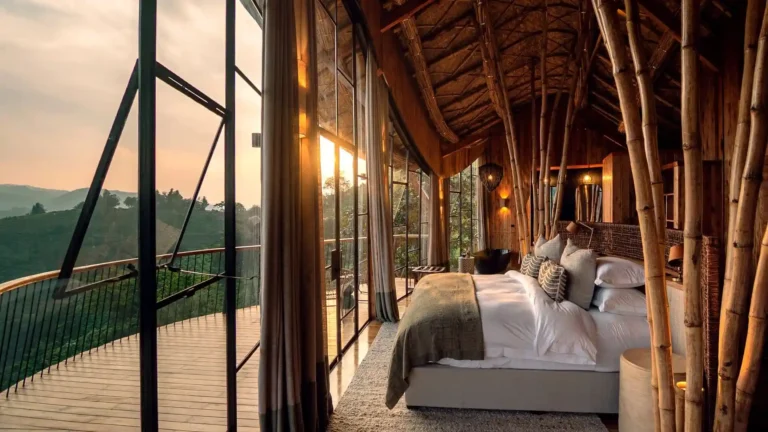
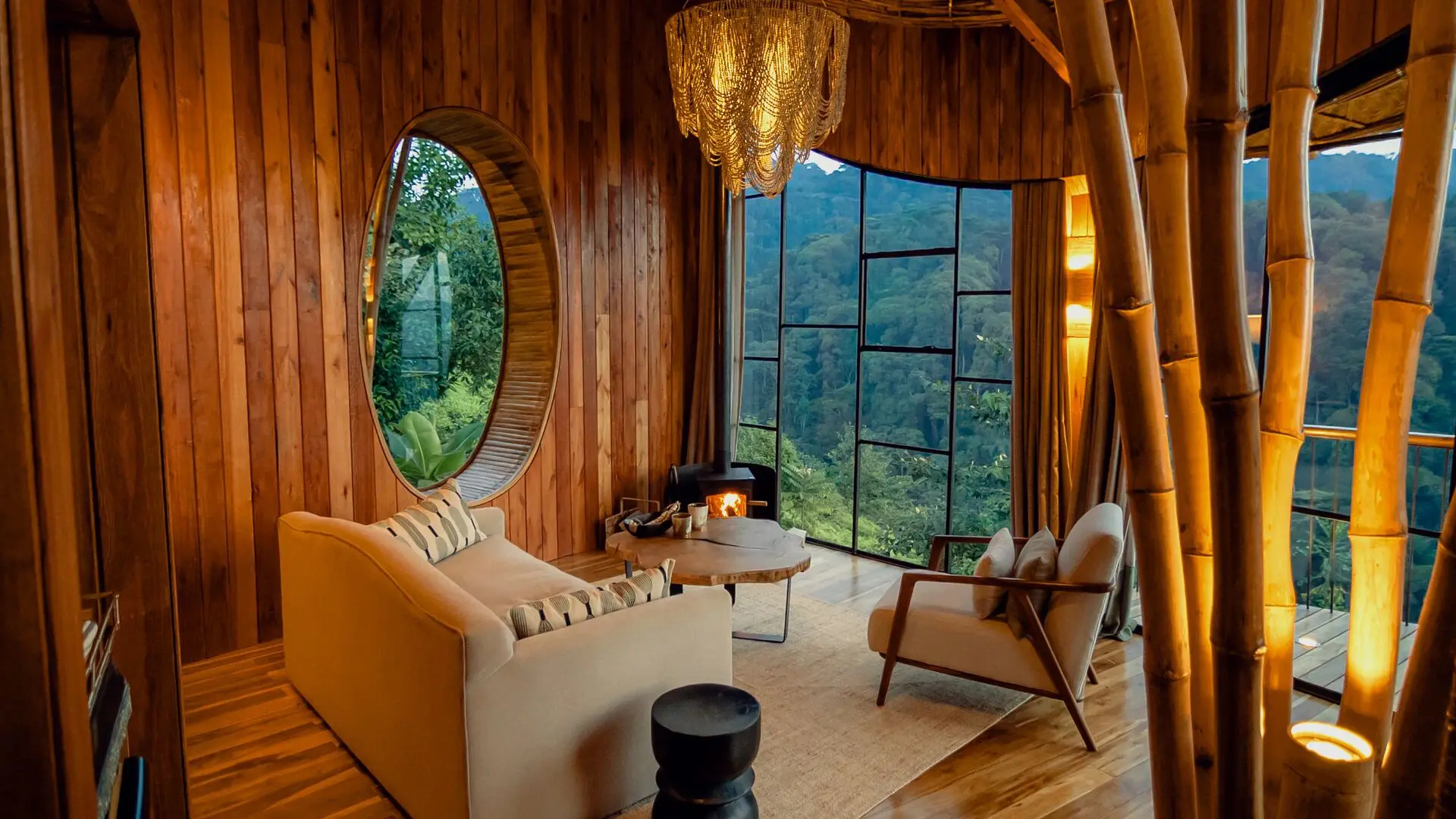
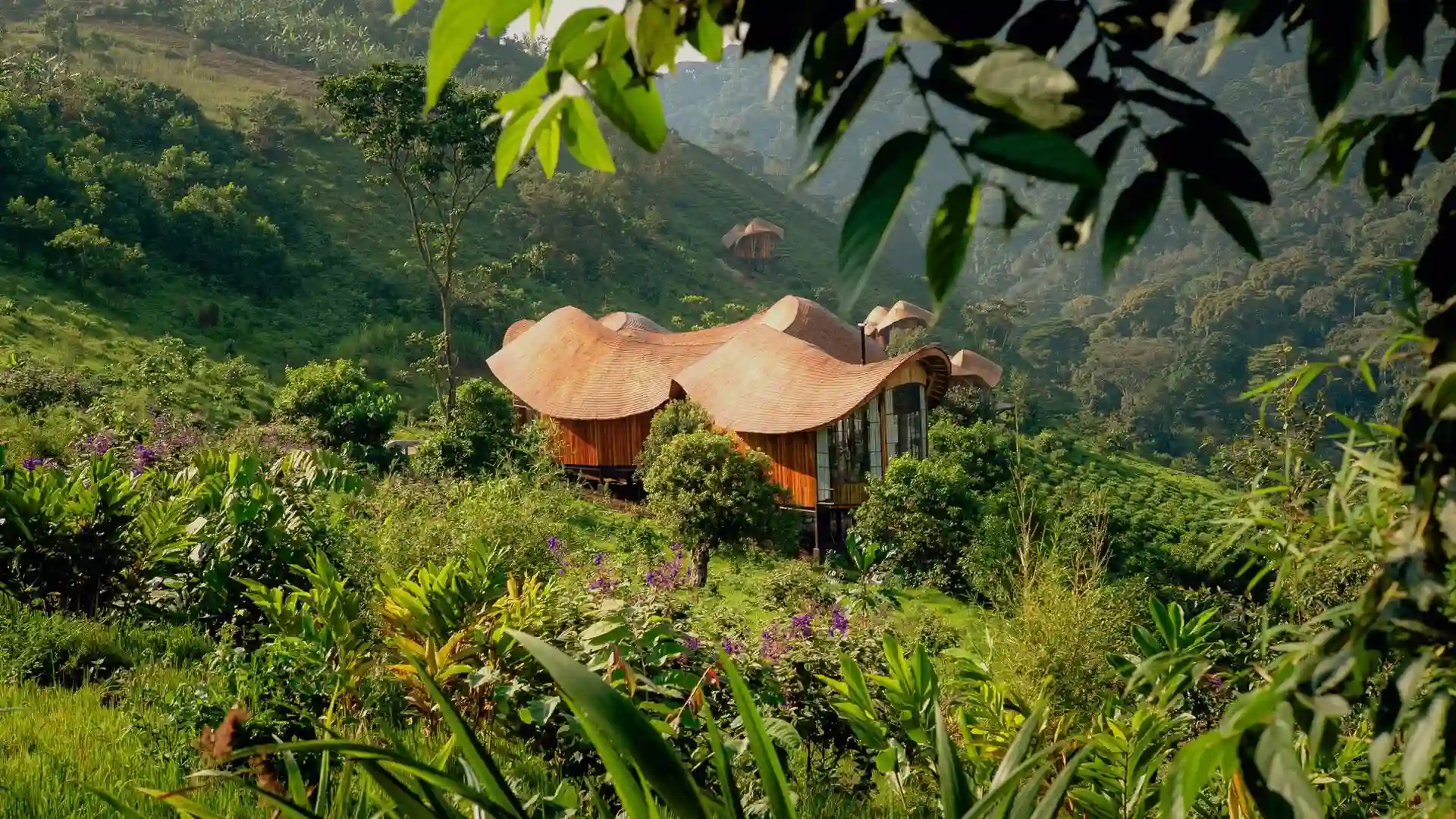
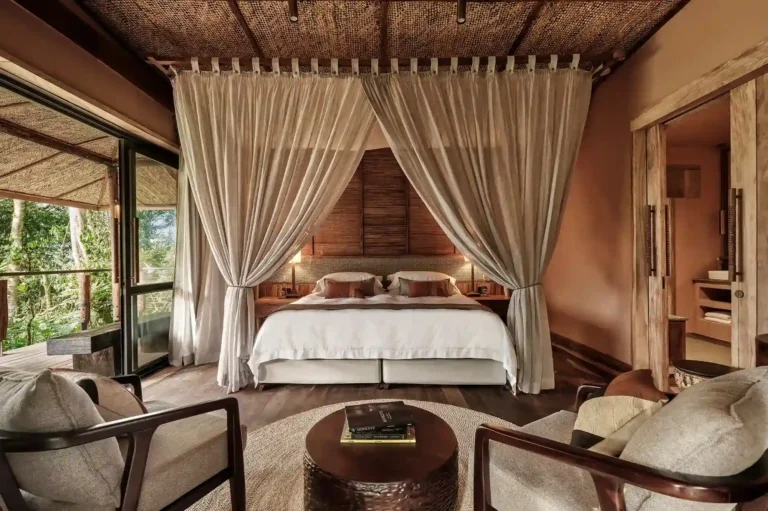
Choosing the right place to stay will enhance your gorilla trekking experience. Options include Buhoma Lodge and Mahogany Springs LodgeOther options include Nkuringo Gorilla Lodge, which has an elevated view of the forested valleys and nearby hills, ideal if your trekking permit lands you in the southern part of Bwindi and Gorilla Safari LodgeHigh-end lodges are expanding in the coming years, including the rebuilt A&K Sanctuary Gorilla Forest Lodge, Clouds Mountain Gorilla Lodge, Volcanoes Bwindi Lodge and Asilia Erebero HillsFor Mgahinga National Park, Mount Gahinga Lodge and Mutanda Lake Resort are is ideal.

Gorilla trekking Guides