Uganda’s Culture : Perhaps the Most Special Part of Your Safari

When we speak to people preparing for their safari in Uganda, the conversation usually centres on mountain gorillas, chimpanzees, and wildlife safaris. And of course, these are some of the experiences that bring people here. But when trip is over, something else often stands out as one of the biggest highlights: the culture.

Uganda's Culture

Culture Is Everywhere in Uganda

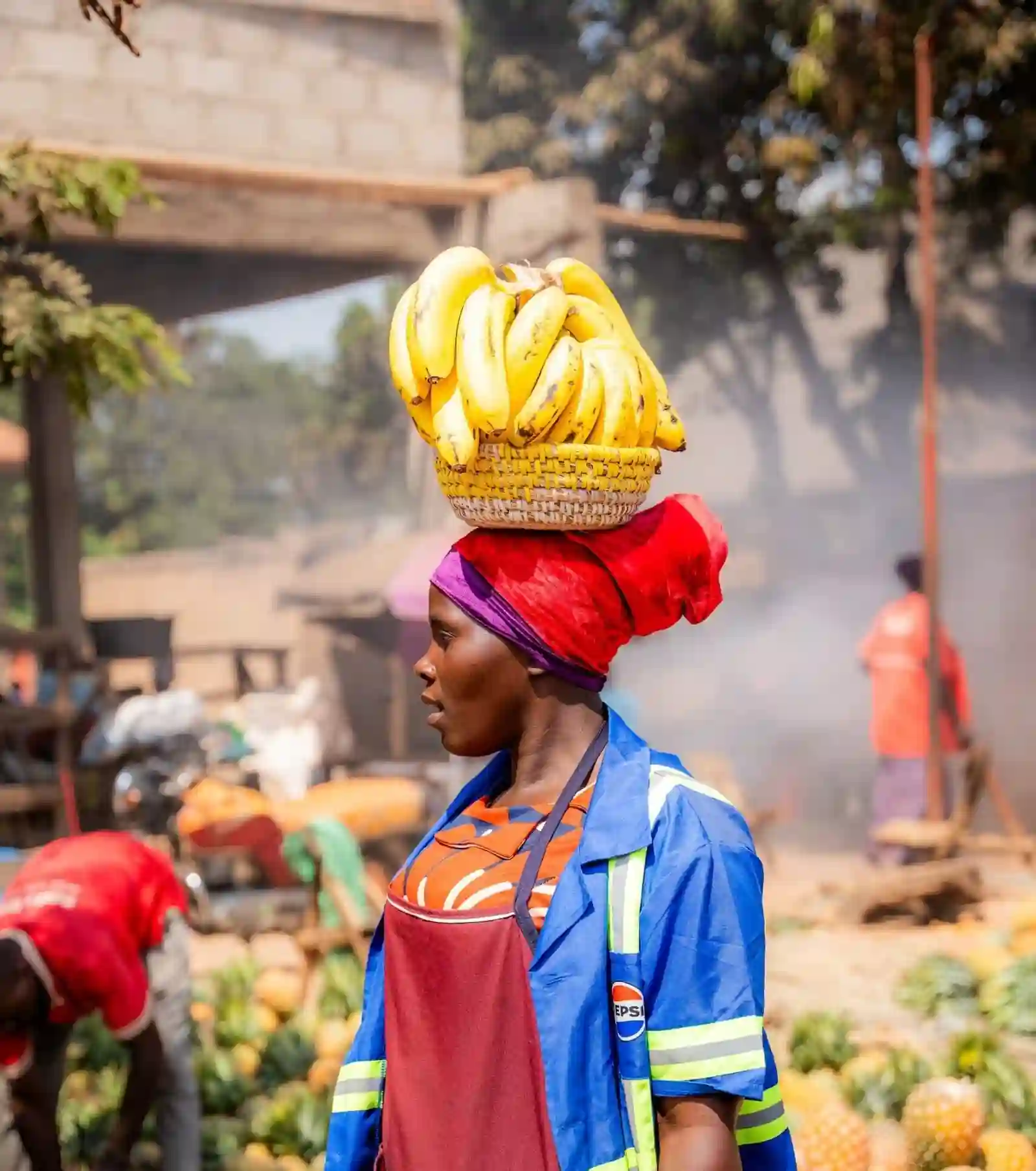
You will see a lot of culture during your safari in Uganda. It happens naturally as you travel. After all, your journey through Uganda cannot do without culture, without the Ugandans. 

As you move from A to B, you see how people go about their daily lives, you hear them talking, and you eat along the way. Daily life unfolds right before your eyes. 

These small moments are part of the journey too. They give you a glimpse into everyday life, and little by little, you become part of it. For us, that is culture in its purest form.

Your tour guide naturally gives you context for what you see, so you can understand it better. He explains what is happening and tells you the real stories behind everyday life. You are free to ask any questions and talk about anything that catches your attention. 

Even if culture is not something you came to focus on, it will still find you along the way. It is simply part of the journey. Before you know it, you are right in the middle of it.

Culture

You can also Actively seek out Local cultural Experiences in Uganda

You can, of course, add more cultural experiences to your tour in Uganda

There are many possibilities. You can join a cooking workshop, learn a traditional dance, try local food, or go for a community walk. Perhaps you are interested in Uganda’s different tribes. Or maybe you would like to see what village life and farming are really like.

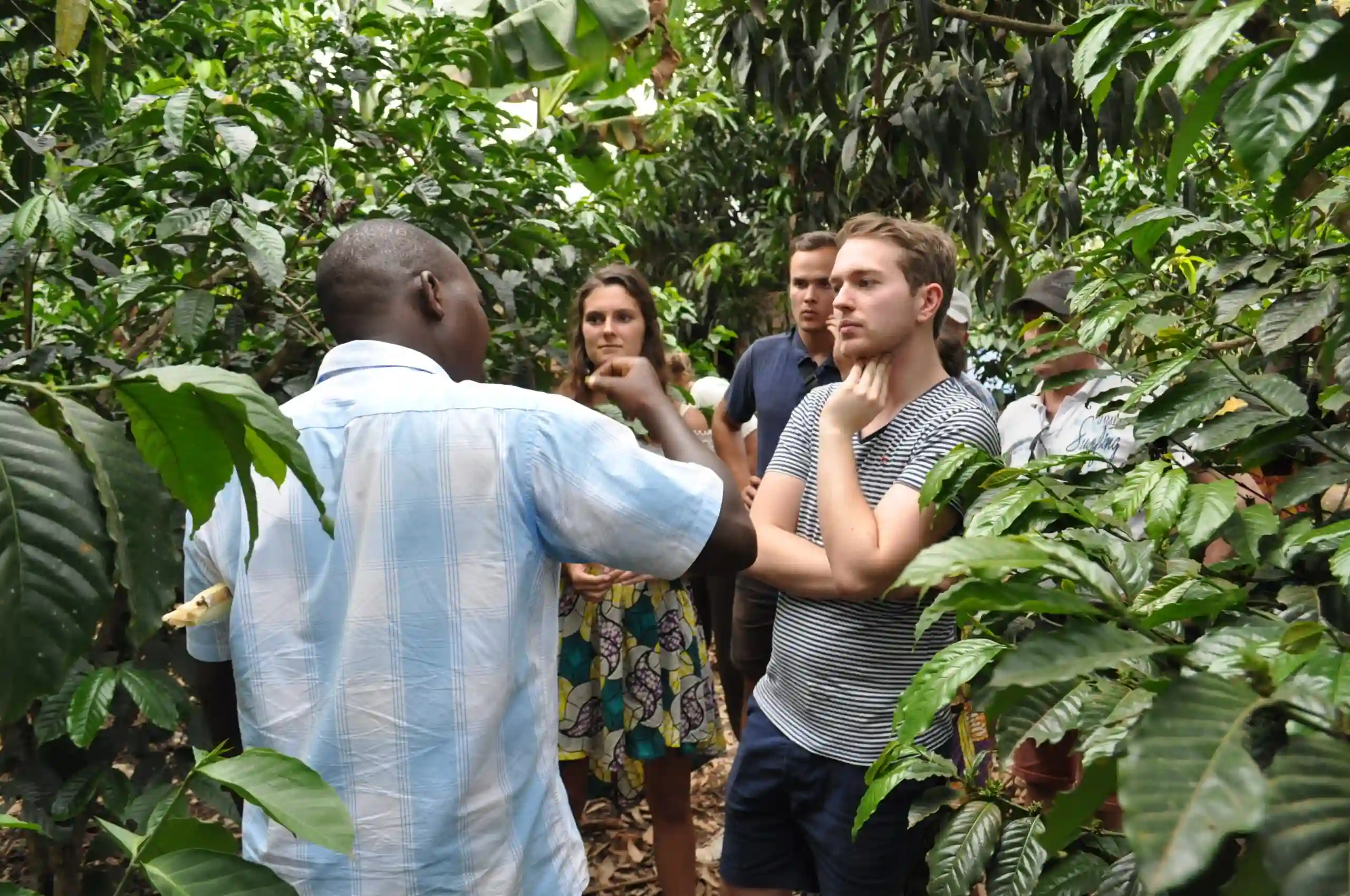
You can also visit a local coffee farm and meet the family who runs it. You learn how they work and how coffee is grown and prepared. You are not just visiting a farm. You are being welcomed into someone’s home. Around Lake Mburo National Park, you can also spend time with cattle farmers and join them in the morning as they milk their cows by hand.

There are many ways to experience Uganda’s culture. The choice depends on what interests you and what you would like to discover during your journey.

Coffee Tour.webp

Don't worry: you won't end up in a play.

When people hear “cultural activities,” they often imagine a performance put on for tourists. And we understand why. After seeing experiences like that, many travellers think: not again. In Uganda, tourism is still less massive than in Tanzania and Kenya, and many cultural experiences feel more natural and personal. But even here, you can find yourself in situations where you think: this is just a bit too overdone.

We believe culture is best experienced when it does not feel like an activity at all. When we organise your trip, you will not be pulled into a theatrical performance. You are not forced to dance along – we make sure you feel comfortable and can experience the culture in your own way. With us, you can discover Uganda’s culture naturally, respectfully, with peace of mind.

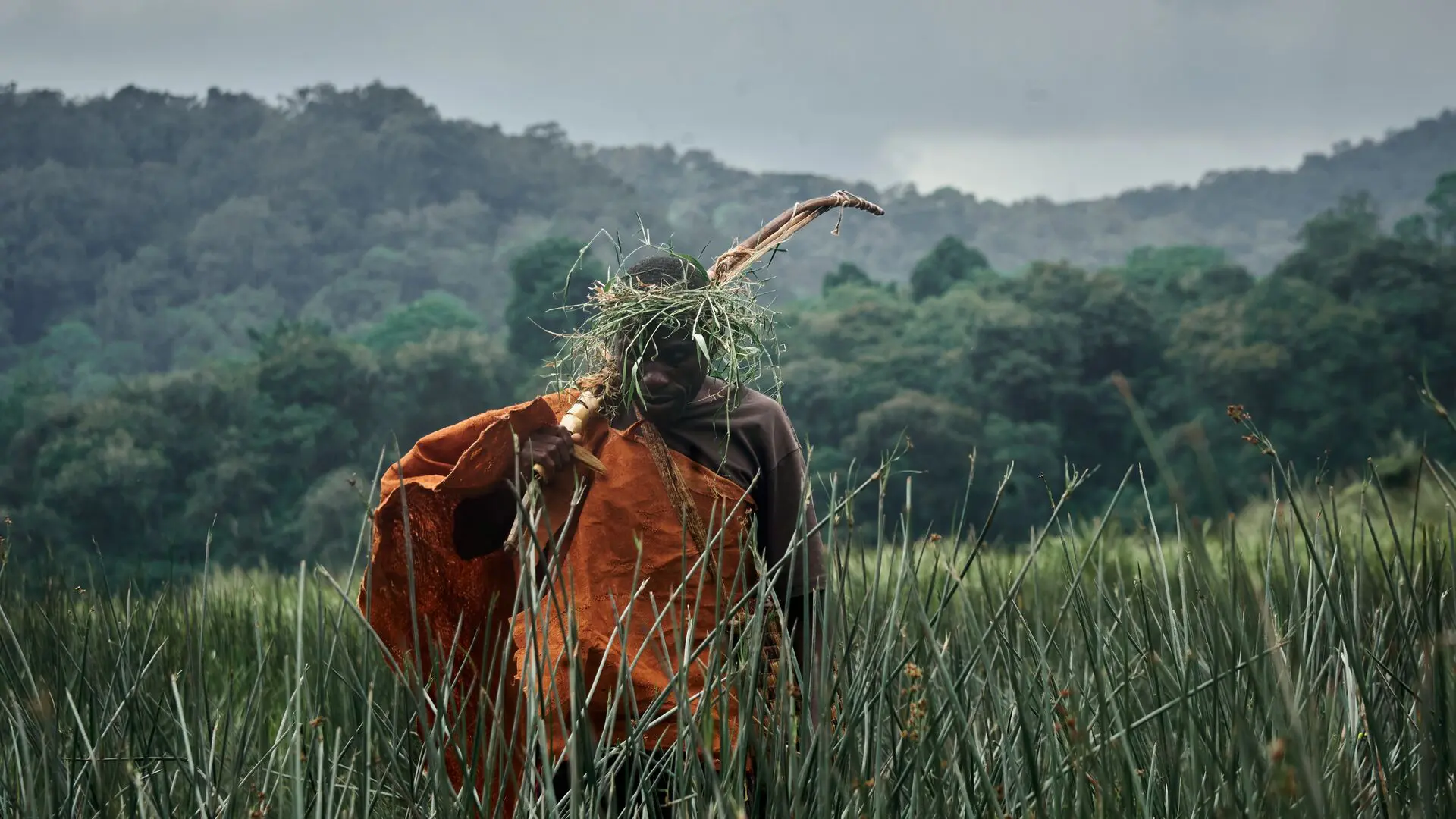
Asilia-Africa-Erebero-Hills-Bwindi-Batwa-Heritage.jpg

We only engage in cultural activities that contribute

We have a simple rule: every cultural activity we include in our Uganda tour packages should give something back to the community. We do not support activities that disrupt local life or put people in uncomfortable situations.

Schools and orphanages are a good example. The desire to meet local communities is understandable, but unplanned visits can interrupt lessons and may not be in the best interests of the children. Imagine a group of Ugandan tourists walking into a primary school in your country simply to look inside a classroom. It would feel strange. We see it the same way here in Uganda.

There is also a bigger picture to consider. Short visits from tourists do not always create a meaningful or lasting benefit for the people involved. That is why we prefer to support community-led initiatives and educational projects through established channels, where local organisations can decide what support is needed and how it can best be provided.

We choose our cultural experiences carefully. We want the people you meet to benefit from your visit, and we want every experience to be respectful, meaningful, and worthwhile for both you and the community.

We design your tailor-made trip

When you visit Uganda, you will naturally experience its beautiful culture. If you would like to experience a little more, we can add cultural activities that match your interests and passions. There is always a connection to be made, and we are happy to help you find the right experiences for your trip. 

If you would like to explore some ideas together, simply please let us know. We can brainstorm with you and find experiences that fit naturally into your journey. Curious about a trip that brings together culture and nature? Take a look at our culture and nature tours in Uganda.

Frequently Asked Questions

We are allowing this to unfold as naturally and sincerely as possible. Uganda has organized cultural visits and performances. These can be valuable and constitute an important source of income for some communities. At the same time, we notice that this does not always align with how we want to shape travel. Therefore, we usually choose to let contact with the local population develop in a relaxed way It could be at a market, along the road, or during an activity with your local guide.

If we arrange a specific cultural experience, we do it together with the community. They decide what they want to share and how they want to share it. This keeps the experience comfortable and respectful for everyone. For us, it is simple: we want you to meet people, not watch a staged performance.

Uganda stands out for its cultural diversity and the open, welcoming atmosphere you experience as you travel. We have more than 50 tribes, each with its own languages, traditions, food, and customs. At the same time, culture here rarely feels separate from everyday life. Because Uganda is still relatively less visited, many encounters are spontaneous and relaxed. You are often not in a typical tourist setting. You are simply right in the middle of daily life.

This makes contact with local people more personal and less staged than in many other African safari destinations. People are generally curious about visitors and often happy to have a conversation. Sometimes it is just a few words along the way, but these small encounters can tell you a lot about the country. That is what makes culture in Uganda special. It is not something you simply visit. It becomes part of your journey.

Ugandan food is simple, fresh, and based on local products. Most dishes revolve around hearty staples that fit well with everyday life.

One of the foods you are most likely to try is matoke. These are green bananas that are steamed and usually served with a meat or vegetable stew. Posho, made from maize flour, and rice are also common. They are often served with beans, chicken, beef, or goat.

You will also find groundnut sauce, chapati, and the famous rolex. A rolex is a popular street food made with eggs and vegetables rolled inside a chapati. It is simple, filling, and delicious.

Around Uganda’s lakes and rivers, fresh fish is also common. Tilapia and Nile perch are among the fish you may find on the menu.

During your safari, most meals are served at your lodge or hotel. You will usually find a mix of Ugandan and international dishes, so you can enjoy local food while still having familiar choices.

Yes, absolutely. During your safari in Uganda, you will often pass local markets. They are lively places where you can see everyday life, meet people, and sometimes stop for a little while along the way. Local events, such as market days, community celebrations, and smaller festivals, are harder to plan in advance. They depend on what is happening at the time of your visit. If there is something interesting taking place during your trip, we can include it when possible.

Your tour guide plays an important role here. Our guides know the areas you visit and often know what is happening locally. They know when it is worth making a stop and how to introduce you to local people in a natural and respectful way.

We do not add these experiences simply to fill the itinerary. If something is happening that genuinely adds to your journey, we will make the most of it.

Yes, very naturally. When you travel through Uganda, you travel right through daily life. Along the way, you pass through villages, stop at local markets, and spontaneous contact often develops with the people you meet.

We do not usually organise standard village visits or staged meetings simply for the sake of meeting locals. We prefer these encounters to happen naturally and fit into the journey.

In some cases, together with a local guide, we can organize a more focused introduction. This could include a visit to a local coffee garden or a meeting with communities such as the Karamojong or the IK in the northeastern region of Uganda.

Yes, in general, you will feel very welcome in Uganda. Ugandans are known for being friendly and hospitable. People are often curious about visitors, happy to have a conversation, and willing to help when they can. Outside the more touristy areas, these interactions can feel even more natural. Tourism is not equally developed across the country, so in many places you are simply welcomed as a guest rather than treated like a tourist passing through. Of course, it is always important to respect local customs and the way of life of the people you meet.

Religion is an important part of everyday life in Uganda. Most Ugandans are Christian, with a significant Muslim community as well as people who follow traditional beliefs. You will notice this as you travel. Churches and mosques are found throughout the country, and religion regularly comes up in daily life and in conversations with locals.

For visitors, religion generally has little impact on the safari itself. Uganda is a welcoming country where people of different faiths live alongside one another. As with culture in general, a respectful attitude towards local beliefs and customs is always appreciated.

Yes, that is possible. Depending on your route, you can meet communities such as the Batwa in southwestern Uganda, or the Karamojong and IK in the northeast.

We organise these experiences together with local guides and make sure they take place in a respectful and natural way. There are no staged shows or standard village visits. Instead, we focus on genuine encounters that fit naturally into your journey.

The experience is usually small and personal. You have time to talk, ask questions, and learn about the community and its way of life. That is what makes these encounters special. They feel real, without being forced or turned into a performance.

There are many ways to experience everyday life in Uganda during your trip. You do not have to choose a formal cultural activity. Some of the most interesting moments happen naturally along the way.

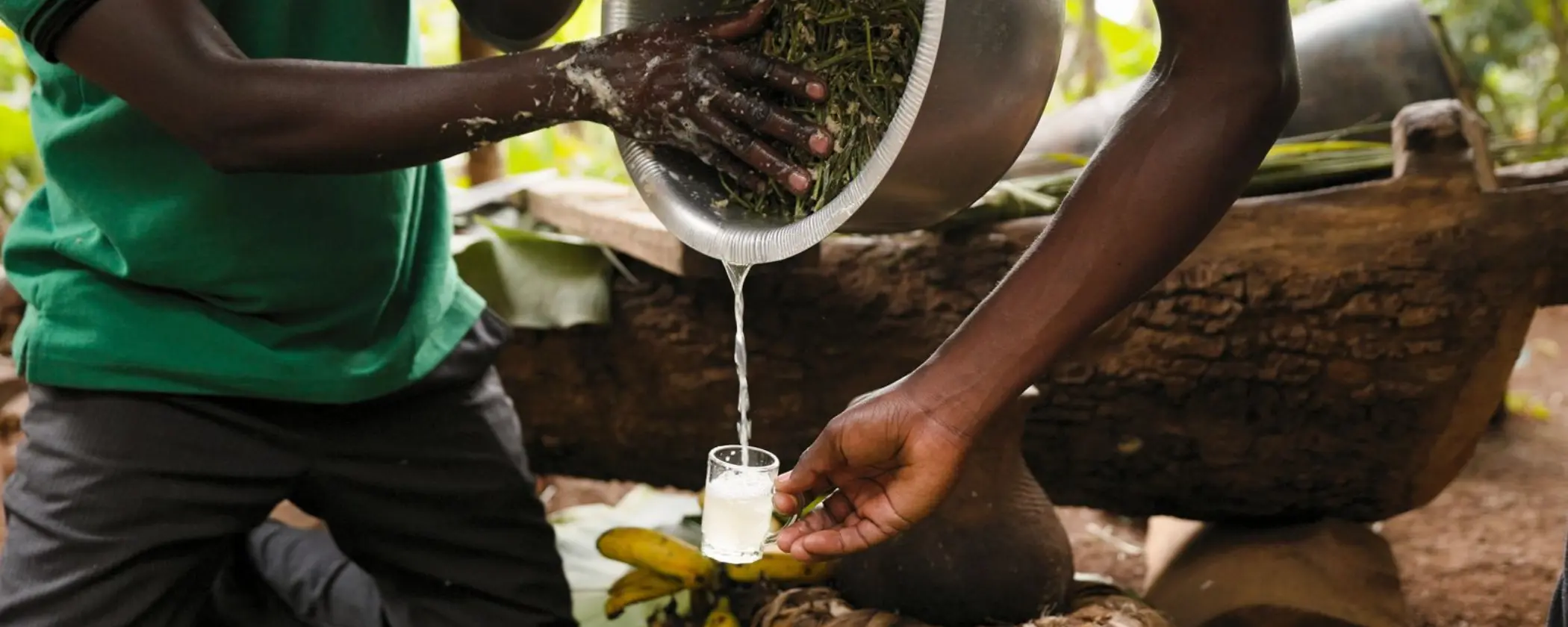
You could visit a local coffee farmer, stop at a small brewery, or take a guided walk where you learn more about life in the area. A stop at a local market can also give you a real glimpse of everyday Uganda.

If your journey takes you to northeastern Uganda, you can also meet communities such as the Karamojong or the IK with a local guide.

We keep these experiences small, respectful, and relevant to your route. The idea is not to collect cultural activities, but to give you the chance to experience Uganda in a way that feels natural and meaningful.

You might also like

Food in Uganda
What to expect in terms of food in Uganda?

Many travellers often wonder what the food in Uganda will be like You might be surprised by how much variety there is You can try delicious local dishes, enjoy fresh tropical fruits, or choose...


Uganda Family Tours
Uganda’s Culture – Perhaps the Most Special Part of Your Safari

When we speak to people preparing for their safari in Uganda, the conversation usually centres on mountain gorillas, chimpanzees, and wildlife safaris And of course, these are some of the experiences...


Coffee in Uganda.webp
Coffee in Uganda: coffee, culture, and the people who grow it

When we mention Uganda, many people immediately think of massive silverback gorillas strutting their stuff in thick montane rainforest And luckily this is true! Much less known is that Uganda is also...


Share

Uganda’s Culture – Perhaps the Most Special Part of Your Safari