Uganda has dozens of regional languages
From Luganda to Lusoga and Rutooro– there are too many languages to name. English has been the official language in Uganda since independence in 1962. This means, for example, that children learn it at school and that it is frequently used in business contexts.
The multitude of languages spoken across Uganda is closely linked to the country’s history. In fact, before colonial rule, the area that is now Uganda was made up of several kingdoms, chiefdoms and communities, each with its own language and cultural traditions. During the colonial period, the British brought many of these different territories together to form what we now know as Uganda.
English has been the official language in Uganda since 1962.
You can always make yourself understood.
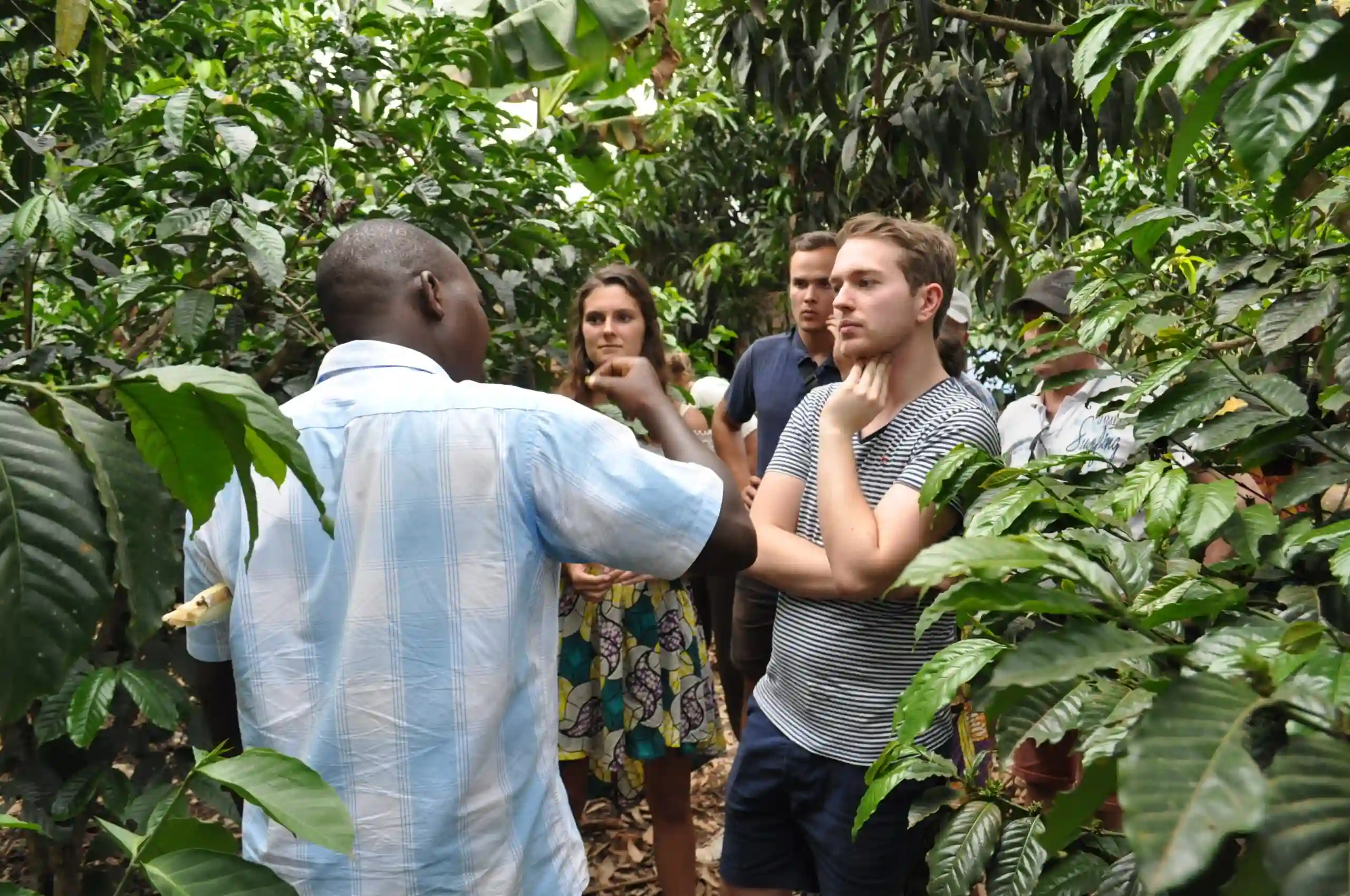
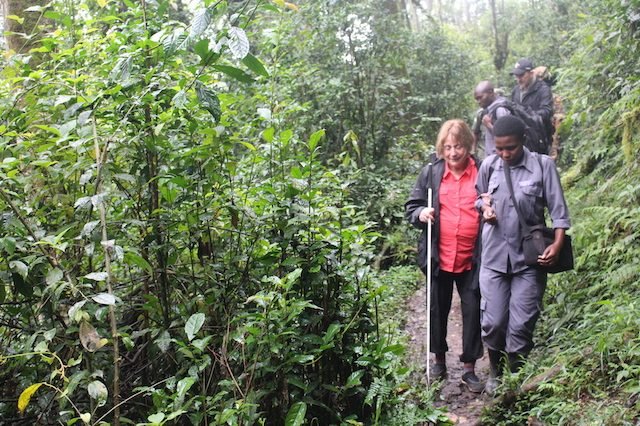
Especially in the capital city, Kampala, people speak good English. So, communicating is usually easy. If you leave the city and travel further into the countryside, you may find that fewer people speak English. But even in the most remote areas, there is usually someone who can help translate when needed. So, wherever you are, you can make yourself understood. And if that doesn’t work, you will always have your tour guide with you to help you along the way.
Will You Need to Learn a Local Language?
No, you do not need to learn a local language to travel in Uganda. English is enough. You can enjoy your trip without learning any local words. But learning a few words can be fun. It shows respect. It makes people smile. Simple words like “hello” or “thank you” are always appreciated.
For example, in Luganda:
- Hello: Nkulamisuzza (formal) or Ki kati (casual)
- How are you: Oli otya?
- I’m fine: Ndi Bulungi
- Good morning: Wasuze otya nno? –
- I’m fine: Nddi bulungi
- Thank you: Weebale / Neyanzinza
- Thank you so much: Weebale nyo
- Have a nice day: Siiba bulungi
- Yes: Ye
- No: Nedda
- Goodbye: Weraba
- Good evening: Osiibye otya nno?
- Madam / Mrs.: Nyabo
- Sir: Sebo
- Banana: Amatooke
- Good night: Sula bulungi
- Good bye (to one person): Weeraba
- Good bye (to more than one person): Mweeraba
- Yes, please: Wangi
- What did you say / pardon me: Wangi or Ogambye ki?
- Ok: Kale
- No thanks: Nedda
- I do not know: Simanyi
- What time is it?: Sawa mmekka?
- How much money?: Sente mmekka?
- I am / My name is: Nze
- I feel cold: Mpulila empewo
- I am tired: Ndi Mukoowu
- I like: Njagala
- I do not like: Saagala
Do not worry about pronunciation. People appreciate the effort more than perfection.