Who are the Karamojong people?
The Karamojong people are one of Uganda’s best-known ethnic groups. They live mainly in the Karamoja region in the northeastern part of the country.
Traditionally, the Karamojong are a semi-nomadic people whose live revolve around livestock. Cattle are much more than a source of wealth. They also play an important role in social status, marriages, and traditional ceremonies.
While Karamoja has changed considerably over the past decades due to improved infrastructure, education, and economic development, many cultural traditions remain visibly present in daily life.
It is precisely this mix of old tradition and changing ways of life that makes a visit to Karamoja region so interesting. You get a glimpse of a culture with deep roots, while also seeing how people are adapting to life today.
Why does Karamoja feel so different from the rest of Uganda?
Many travellers describe Karamoja as one of the most special regions of Uganda. There are several reasons why it feels so different from the rest of the country.
The landscape
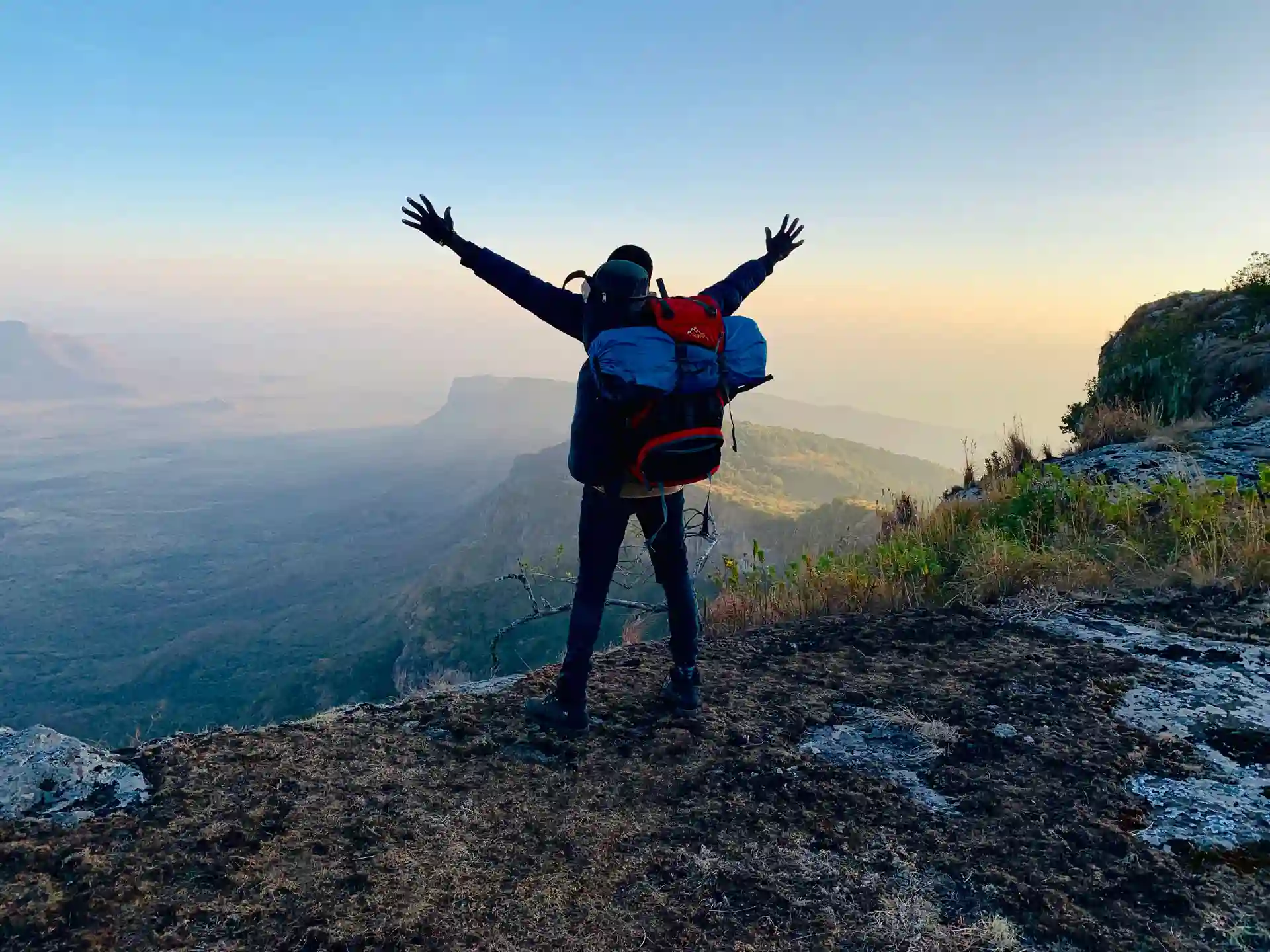
While much of Uganda is green and fertile, Karamoja has wide open savannah plains, rocky outcrops, dry riverbeds and impressive mountain ranges, including Mount Moroto. In some places, the scenery feels more like northern Kenya than the Uganda many travellers know.
Less tourism
Karamoja is still outside the classic tourist routes that most travellers follow through Uganda. You won’t find large crowds of tourists here, and you are likely to meet far fewer foreign visitors than in the country’s better-known national parks. As a result, the region feels authentic and unspoiled.
A cultural identity of its own
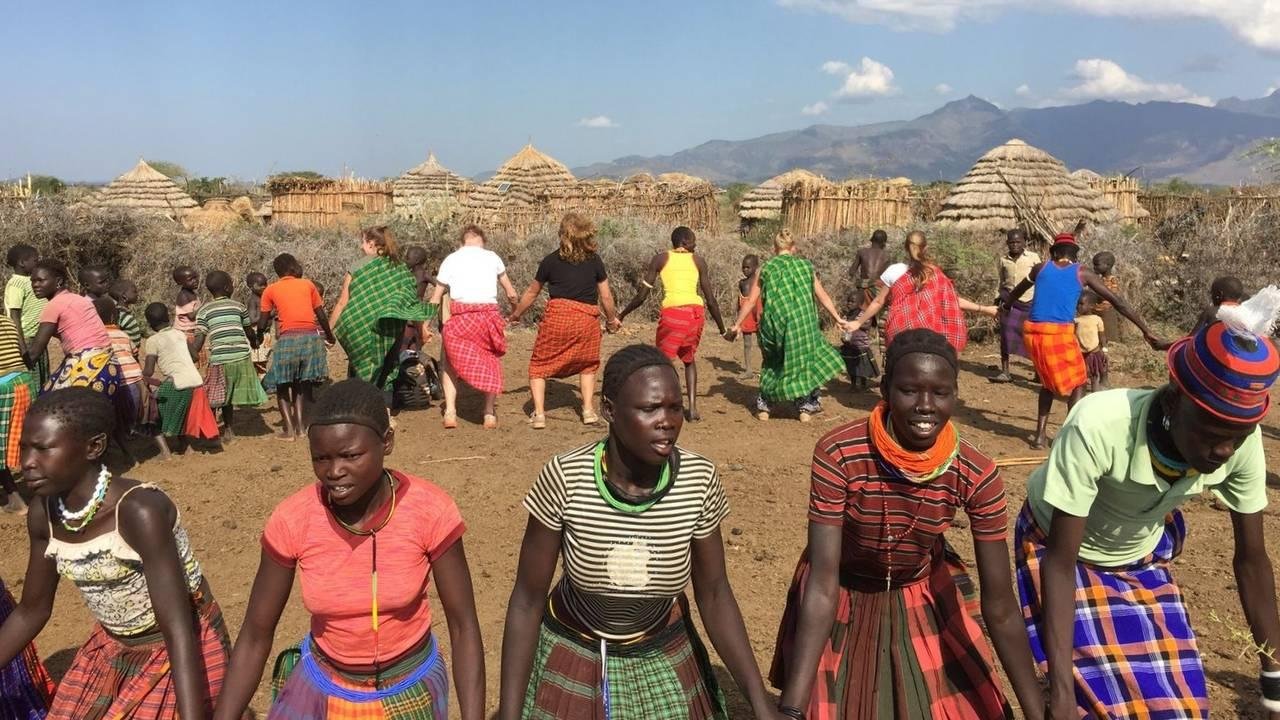
The Karamojong have their own traditions, clothing, music and dances, which make the region culturally distinct from many other parts of Uganda. These traditions are still visible in everyday life and are an important part of the region’s identity.
For many travellers, this combination of striking landscapes, relatively little tourism and a distinctive culture makes Karamoja feel like a destination within a destination.
What does a visit to the Karamojong entail?
One common misconception is that visiting the Karamojong means simply walking through a traditional village and looking at it as if it were an open-air museum.
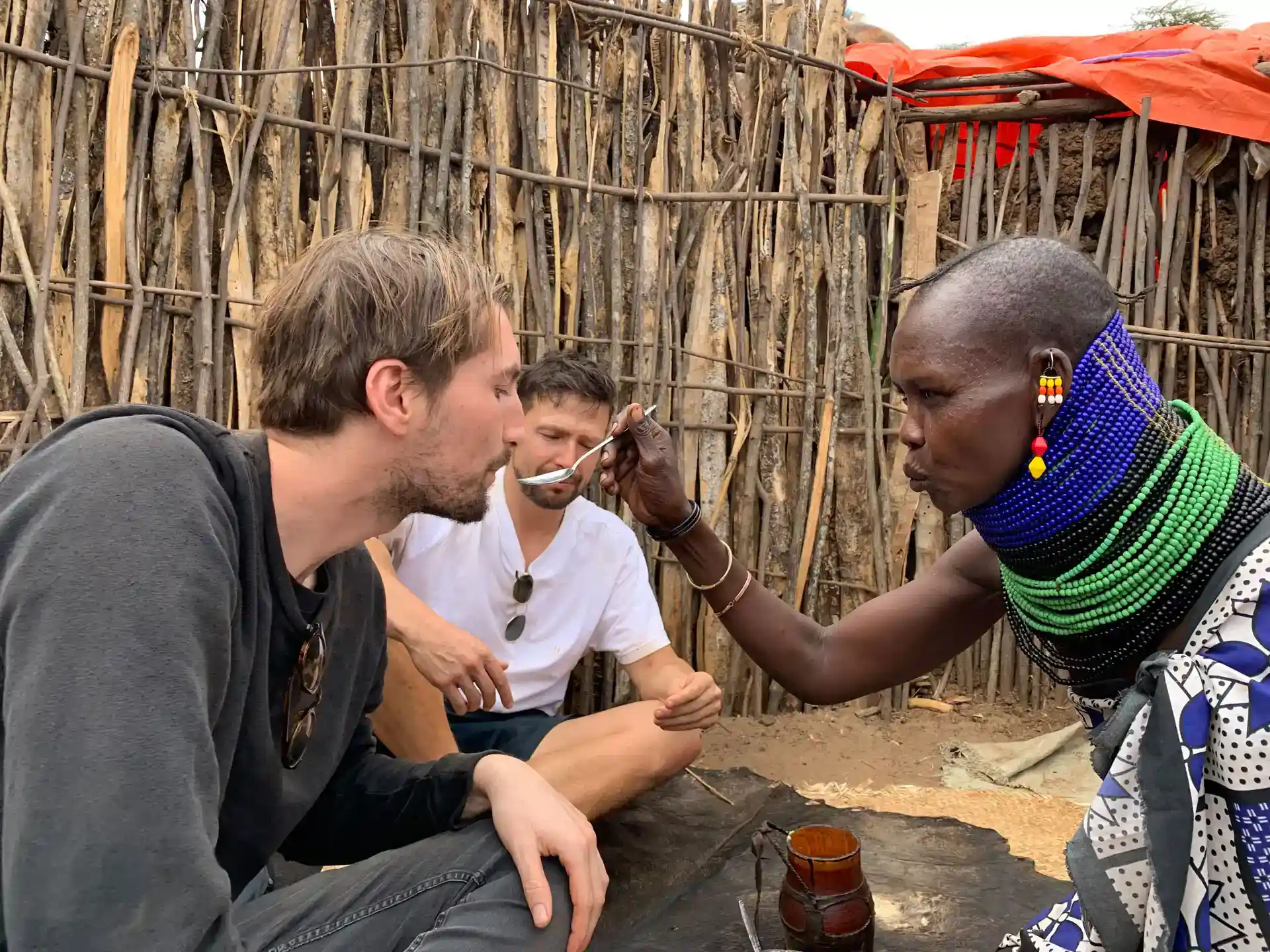
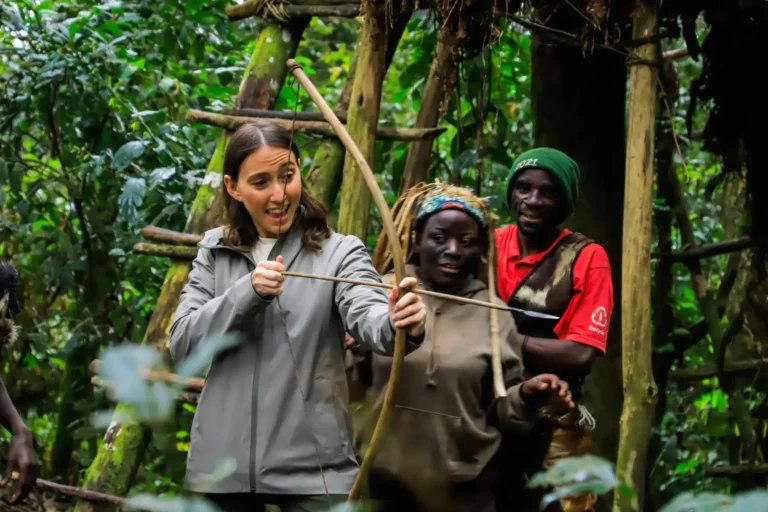
A well-organised visit is about much more than that. It is an opportunity to meet local people, learn about their way of life and gain a better understanding of their culture.
Depending on where you visit, you may have the opportunity to:
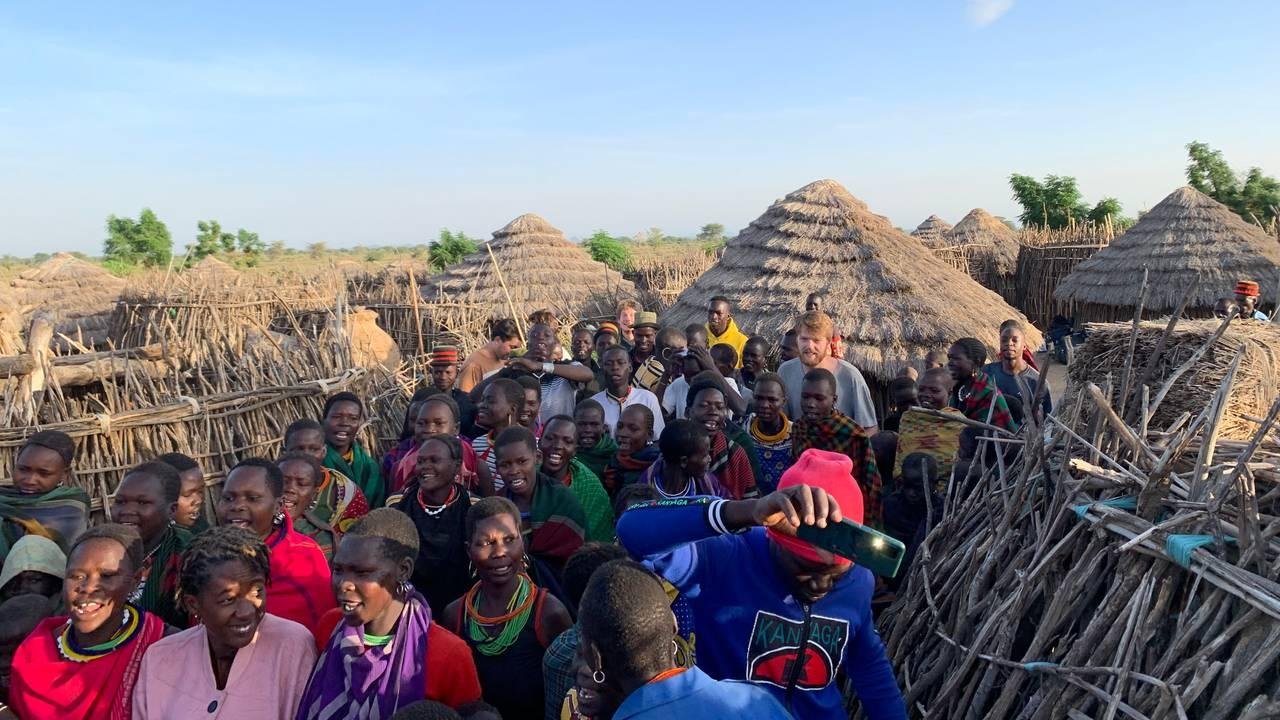
- Visit a traditional village.
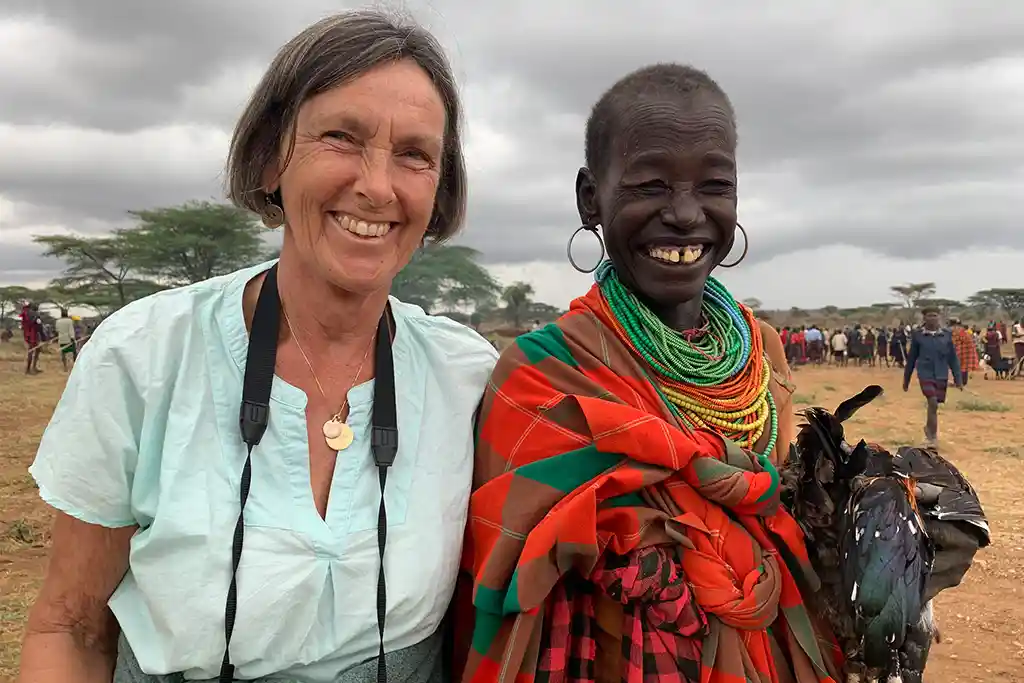
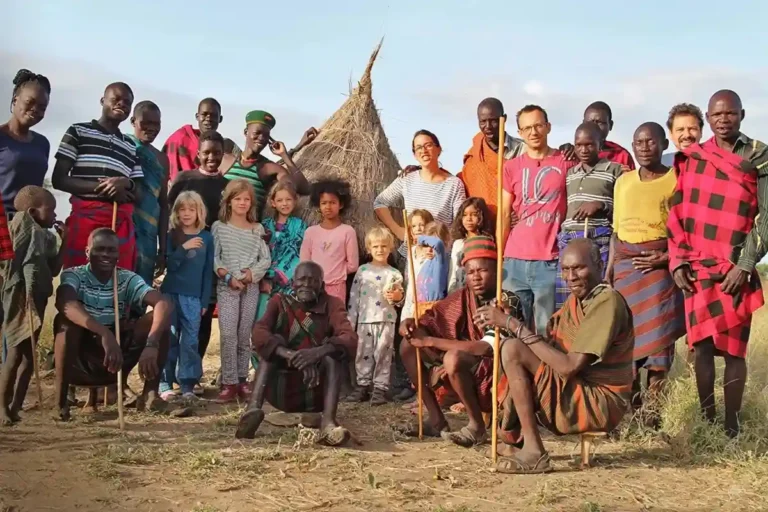
- Meet local families and learn about their daily lives.
- Discover the role of livestock farming in the community.
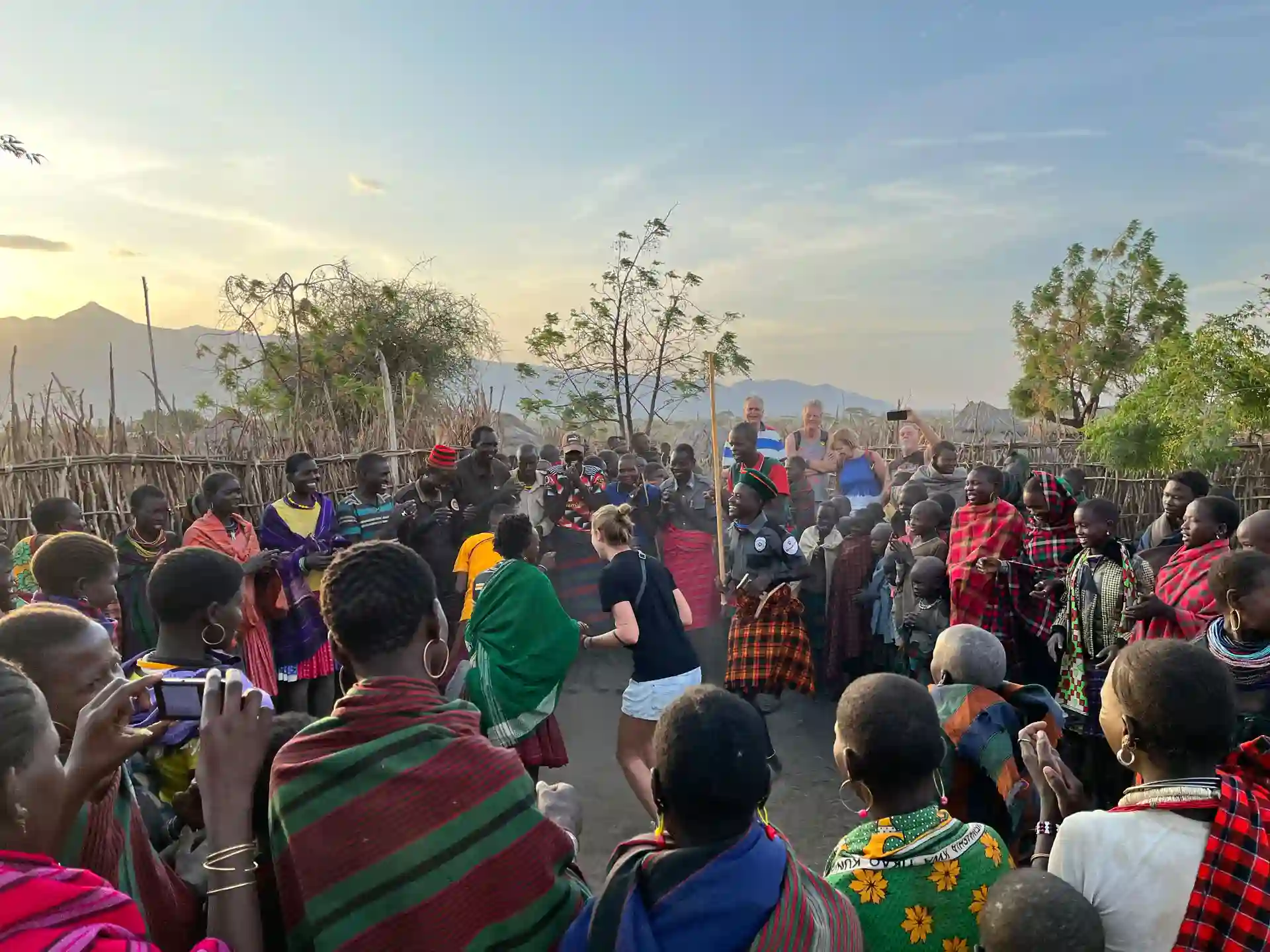
- Experience traditional dances and music.
- Taste local dishes.
- Meet local craftspeople and learn about their work.
- Go hiking with local guides.
- Learn more about the history of Karamoja and its people.
The aim is not simply to “watch people” going about their lives. It is to meet them, listen to their stories and understand more about how they live, work and keep their traditions alive.
The mistake many travelers want to avoid
More and more travelers are seeking authentic cultural experiences. At the same time, many worry that these visits might feel unnatural or touristy.
That is a legitimate concern.
In some countries, traditional villages are set up mainly for visitors. In Karamoja, however, there are growing initiatives in which local communities organise cultural visits themselves.
A simple rule applies here: the more involved the local community is in organising a visit and the more directly they benefit from it, the more meaningful the experience is likely to be.
A good visit doesn’t feel like a performance. It feels like an encounter.
Why local guidance makes the difference
Some of the most interesting cultural experiences come from understanding the stories behind what you see.
A traditional hut is interesting to look at. But when you learn why it is built that way, how families protect their livestock, or what certain pieces of jewellery mean, you begin to understand much more about everyday life in Karamoja.
This is where local guides make a real difference. They do more than translate conversations. They explain customs, share local knowledge and help you understand traditions and changes that you might otherwise overlook.
With the right guide, a simple visit can become a much deeper encounter with the people and culture of Karamoja.
The Karamojong are changing faster than many people think.
When people see pictures of the Karamojong People, they sometimes get the impression that time has stood still in Karamoja.
But that is far from the truth.
Karamoja is developing rapidly.
The region is changing. More children are going to school, roads are improving and mobile phones have become part of everyday life. Tourism is also slowly growing, while young people find their own ways to combine traditional values with modern influences.
That is one of the reasons a visit to Karamoja is so interesting. You do not simply see traditions that have been passed down through generations. You also see how people are adapting to a changing world while trying to preserve the culture and identity that make their community unique.
Combine a visit to the Karamojong with these destinations
Moroto
Moroto is a natural starting point for exploring Karamoja. Here, you can combine cultural visits to local communities with hiking, mountain biking, and boda boda tours. The slopes of Mount Moroto also offer beautiful views across the surrounding landscape.
Kidepo Valley National Park
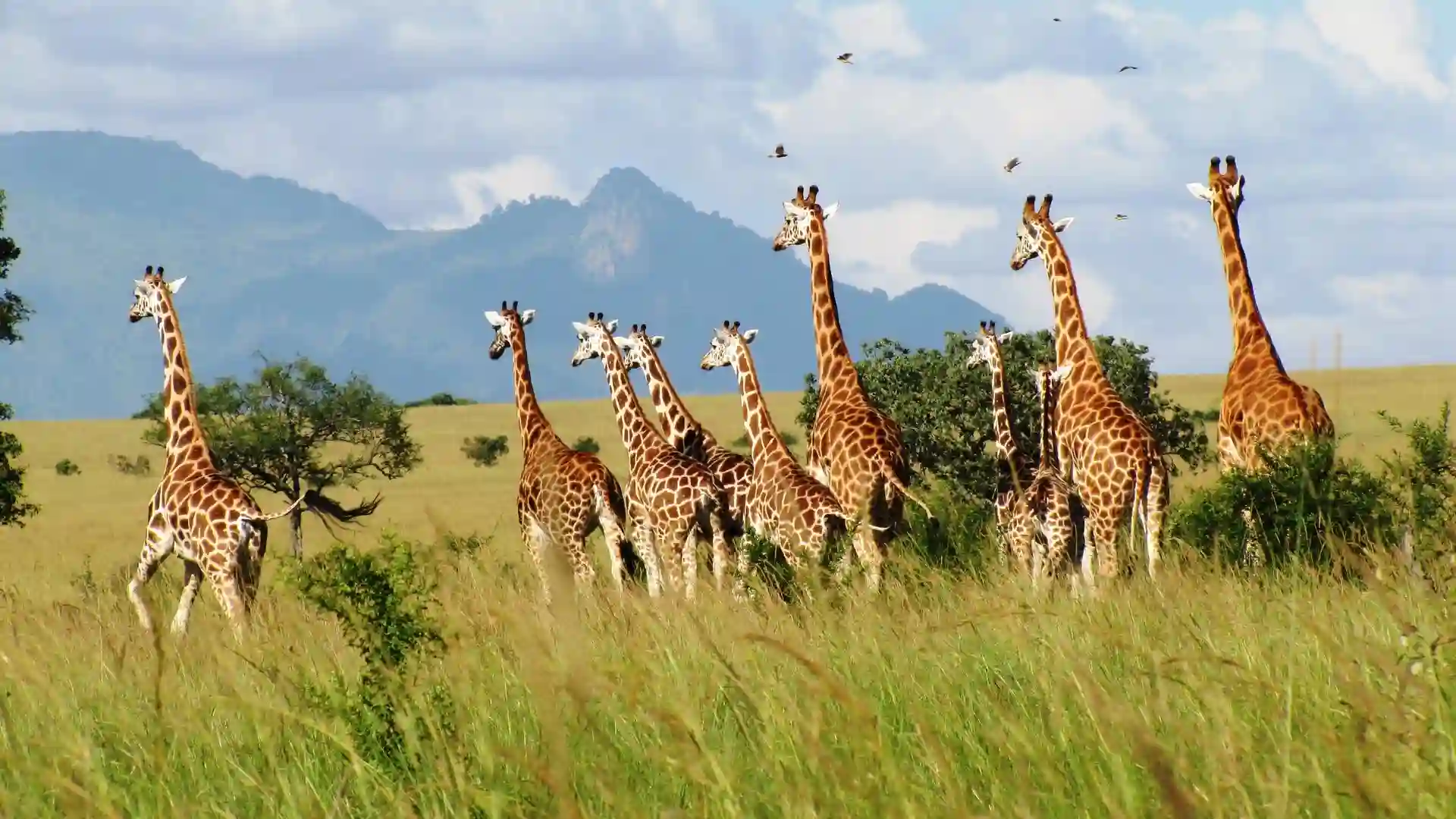
Kidepo Valley National Park is considered by many safari enthusiasts to be one of the most beautiful national parks in Africa. Combining wildlife safaris with a visit to the Karamojong gives you a different perspective on this part of Uganda. You discover not only its wildlife and landscapes, but also the people and culture that make the region so distinctive.
Sipi Falls
Sipi Falls lies along a popular route between central Uganda and Karamoja. Many travellers combine a visit to the waterfalls with a trip to Moroto and Kidepo Valley National Park. It is a lovely way to move from the green highlands around Mount Elgon to the wide, open plains of Karamoja.
Practical tips for a respectful visit
- Ask before taking photos. Not everyone feels comfortable being photographed. Always ask for permission before taking someone’s picture, especially a portrait.
- Show genuine interest. Ask questions, listen to people’s stories and take the time to learn about their daily lives. Some of the best conversations happen naturally.
- Respect local customs. Traditions and expectations may differ from what you are used to. Your local guide can explain which customs to observe and how to behave respectfully.
- Avoid stereotypes. Karamoja is not a living museum. People here have their own traditions, but they also lead modern lives, with personal ambitions, everyday challenges and plans for the future.
Is a visit to the Karamojong suitable for everyone?
Yes, especially if you are curious about more than more than Uganda’s famous wildlife and national parks. If you want to understand how people live, work, and think, a visit to Karamoja can become one of the most memorable parts of the trip.
Not because it is spectacular.
But because it feels real.
Why we often consider Karamoja one of the most underrated regions of Uganda
Many travelers book their safari to Uganda because of the gorillas, chimpanzee, or safaris. Understandable, because those experiences are world-class.
But those who takes the time to explore the northeastern region as well discovers a completely different side of the country.
Karamoja region offers impressive landscapes, less tourism, unique encounters, and a culture that cannot be experienced anywhere else in Uganda in the same way.
That is why many travelers mention not only the gorillas or lions as the highlight of their trip afterwards.
They mention the conversations, encounters, and stories they took back from Karamoja.
Frequently Asked Questions
Are these visits to the Karamojong respectful and responsible?
That depends on the organization. Preferably choose initiatives where the local community is actively involved and benefits from the revenue.
Should I visit a cultural village?
Not necessarily. Many of the cultural experiences take place during walks, encounters, and activities that are part of daily life. But if you really want to delve deeper into the culture based on your interests, it is nice to plan a visit to the Karamojong.
Is Karamoja safe to visit?
Yes. The Karamoja region has undergone tremendous development in recent years and is becoming increasingly accessible to travelers.
How much time do I need?
Ideally, at least two nights in Karamoja. This way, you have enough time to experience the landscape and surroundings in addition to cultural activities.
What makes Karamoja different from other parts of Uganda?
The combination of culture, landscape, history, limited visitor numbers, and the strong identity of the Karamojong makes the region unique within Uganda.