Don't feel bad, always hire a porter.
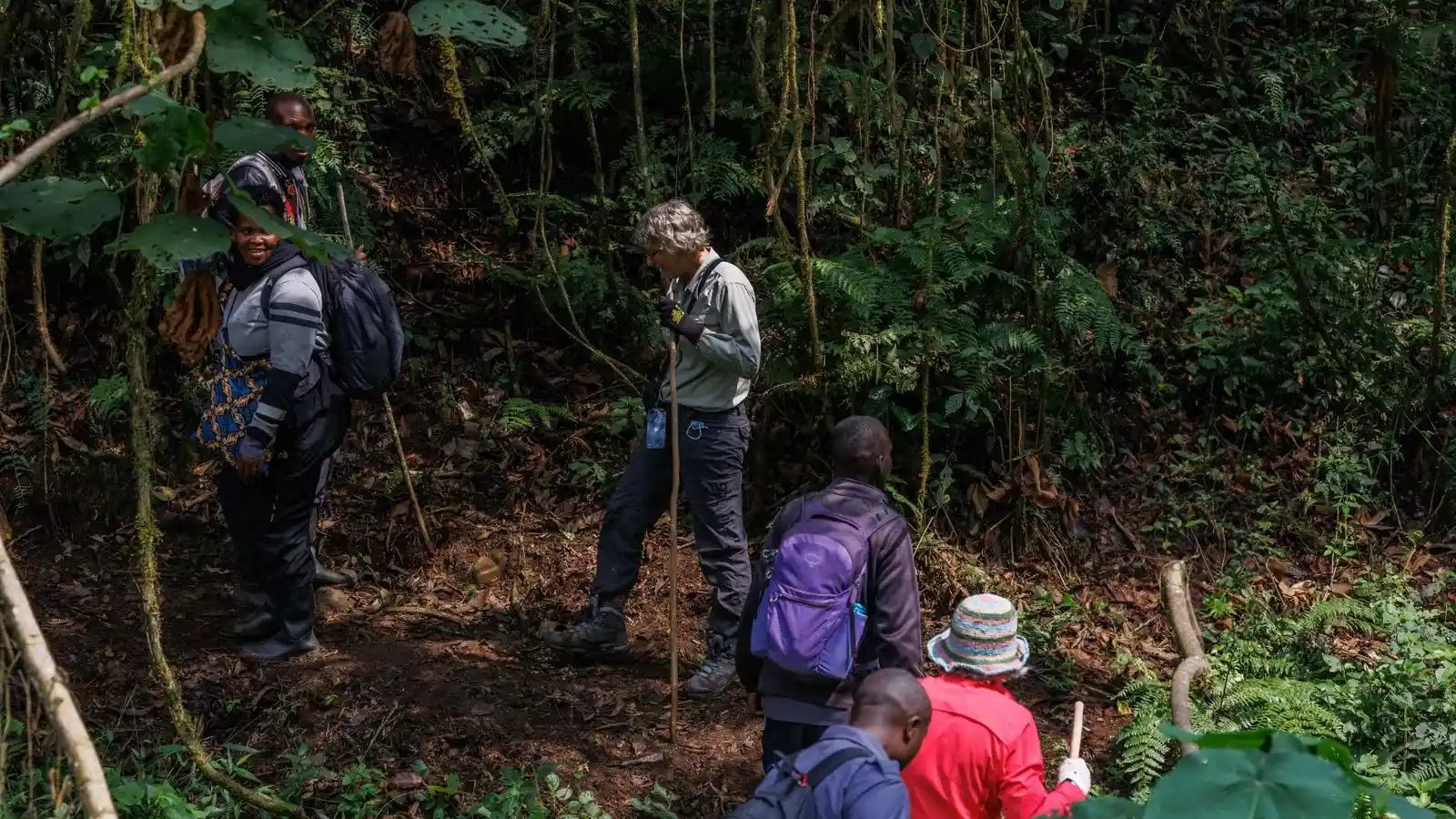
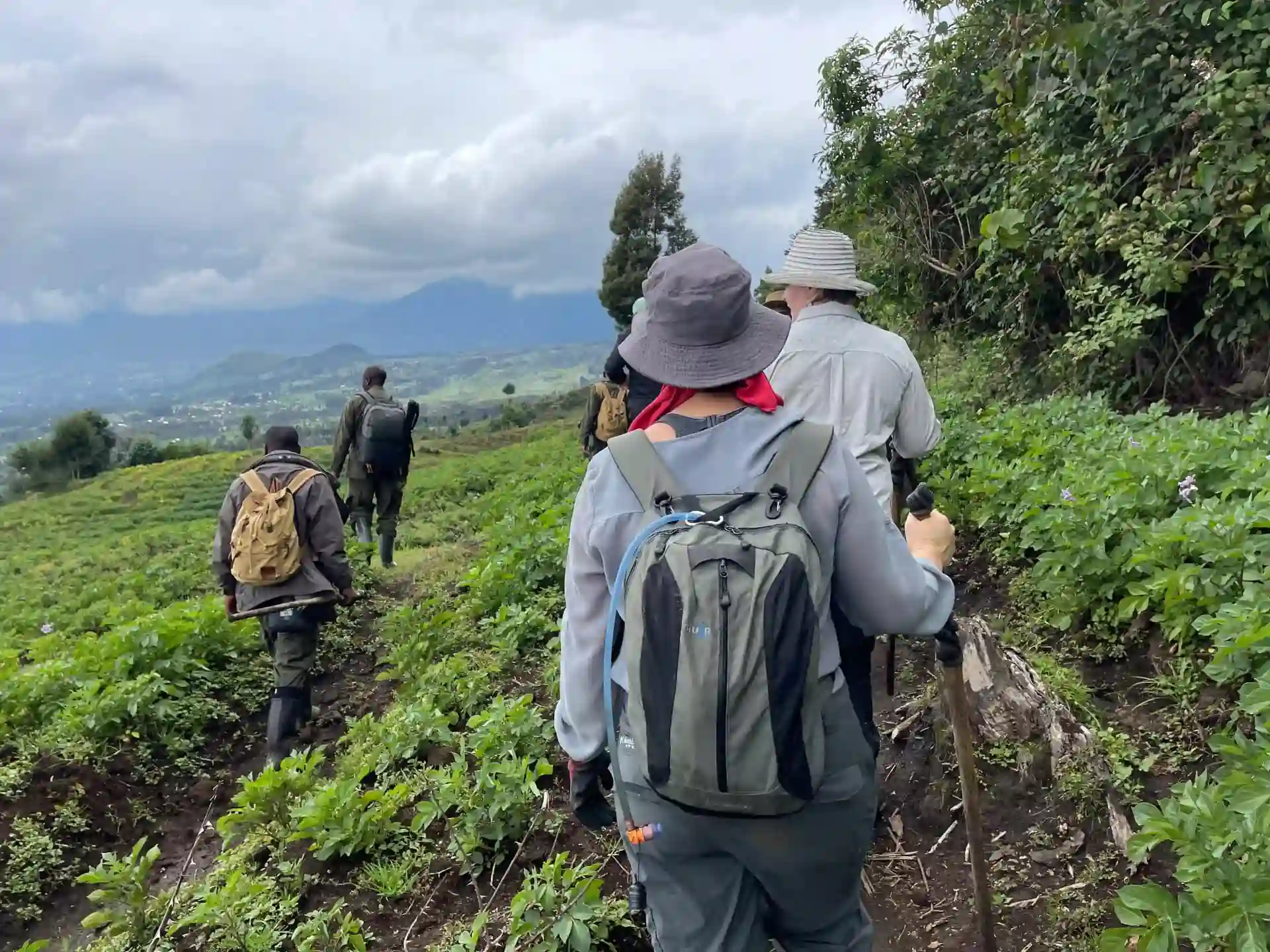
As we have mentioned above, a porter is someone who helps you during your activity. Prior to your trek, the ranger guide will ask you if you would like to hire a porter. It often costs around USD$20. Many tourists initially think they don’t need a porter. But a few kilometers into the trek, you may realize that carrying your own bag, water and other gear makes the hike harder than you expected. Aside from the fact that you simply need a porter, it is good to use them for so several other reasons. We have listed four reasons for you:
1. You create jobs
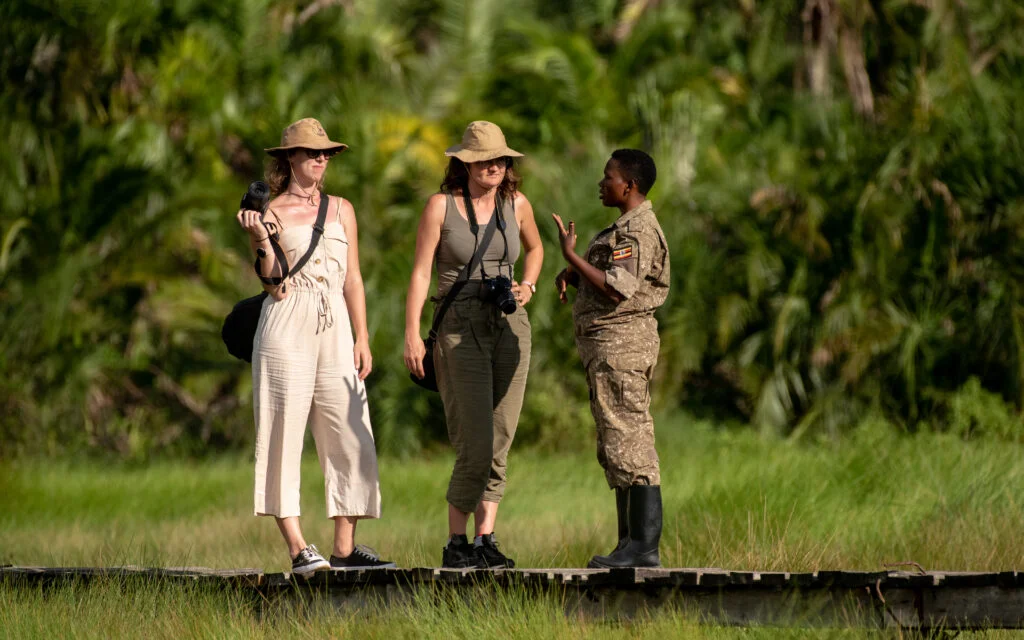
People live in the communities around the places where you do your activities like gorilla trekking. Because many of these are protected nature reserves, local communities have limited access to the environment. The Uganda Wildlife Authority gives people from these communities an opportunity to benefit from tourism by offering them with the chance to work as porters.
These porters often walk to the starting point of the trek early in the morning, hoping that someone like you will hire them. If nobody hires them, they walk back to the village without having earned anything that day. When you hire a porter, you are therefore creating jobs. There are so many people here in Uganda who are willing and able to help. It is good to give them that opportunity.
For a gorilla trekking adventure, the fixed price for a porter is $20. That may seem like a lot in a here in Uganda as the average wage for unskilled work is around $2 per day. But it isn’t. Remember that a porter is often supporting an entire family with that income. Your $20 can therefore mean much more to them than you might expect.
2. You protect nature
You come to Uganda to see its nature and wildlife. But for all this this beauty to remain protected, the people living around these protected areas must feel the benefit of it.
Think about it. Tourist come to your country to see wild animals, while elephants come into your garden and destroy the crops your family depends on. How much understanding can you still have for the idea that these animals must be protected? There is a limit to what you can expect from people when they see no benefit from conservation.
This is where porters can make a difference. They become ambassadors for conservation. The Uganda Wildlife Authority takes porters along and shows them why nature and wildlife are so special, and why people travel from all over the world to see them. They show what it can yield for the country if it is well protected. Without understanding, without porters, and without the cooperation of the community, it is very difficult to sustain to protect wildlife and sustain it for the future.
3. You help people build a career
Some of the people now working as rangers with Uganda Wildlife Authority started carrying visitors’ backpacks as porters. A love for nature and wildlife conservation often grows when people come into contact with it at a young age. Working as a porter is a stepping stone to discovering opportunities and seizing them. If you stand out as a young porter, the rangers get to know you and can recommend you when you apply for a job with the Wildlife Authority.
Portering can help people build a network more easily. A porter who takes an interest in birds, for example, may think: if I become a good bird guide and build a good network, a tour operator may call me in the future to work as a guide.
In short, working as a porter brings people from the local community into contact with opportunities they might otherwise never have.
4. You come into contact with locals
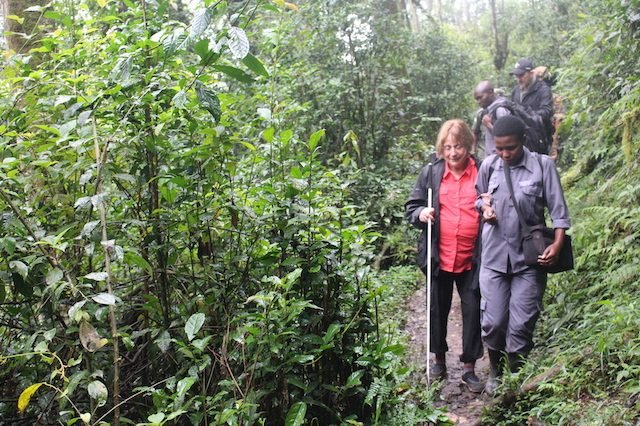
Not all porters speak English equally well, but it is still a fun way to connect with locals. Sometimes a few words, a smile or a gesture are enough. You learn a little about the life of someone from the area. You laugh together. You have fun. Your porter pulls you out of the mud or gives you a push when the trail gets tough. These may seem like small moments, but they are often the moments when you really connect with a local person.
Want to know more in preparation for your trip to Uganda? Feel free to contact us.