Tree-climbing lions are rare
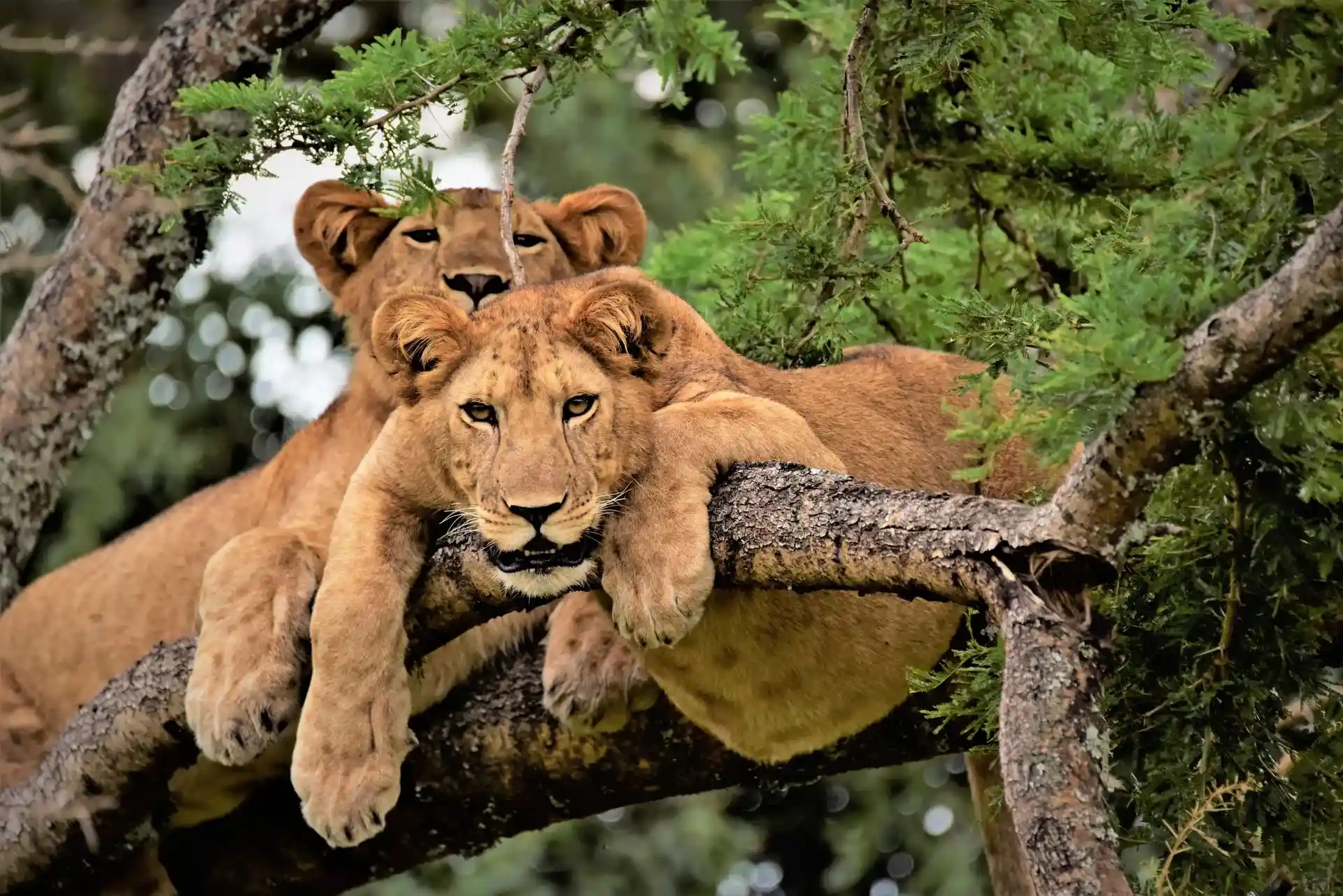
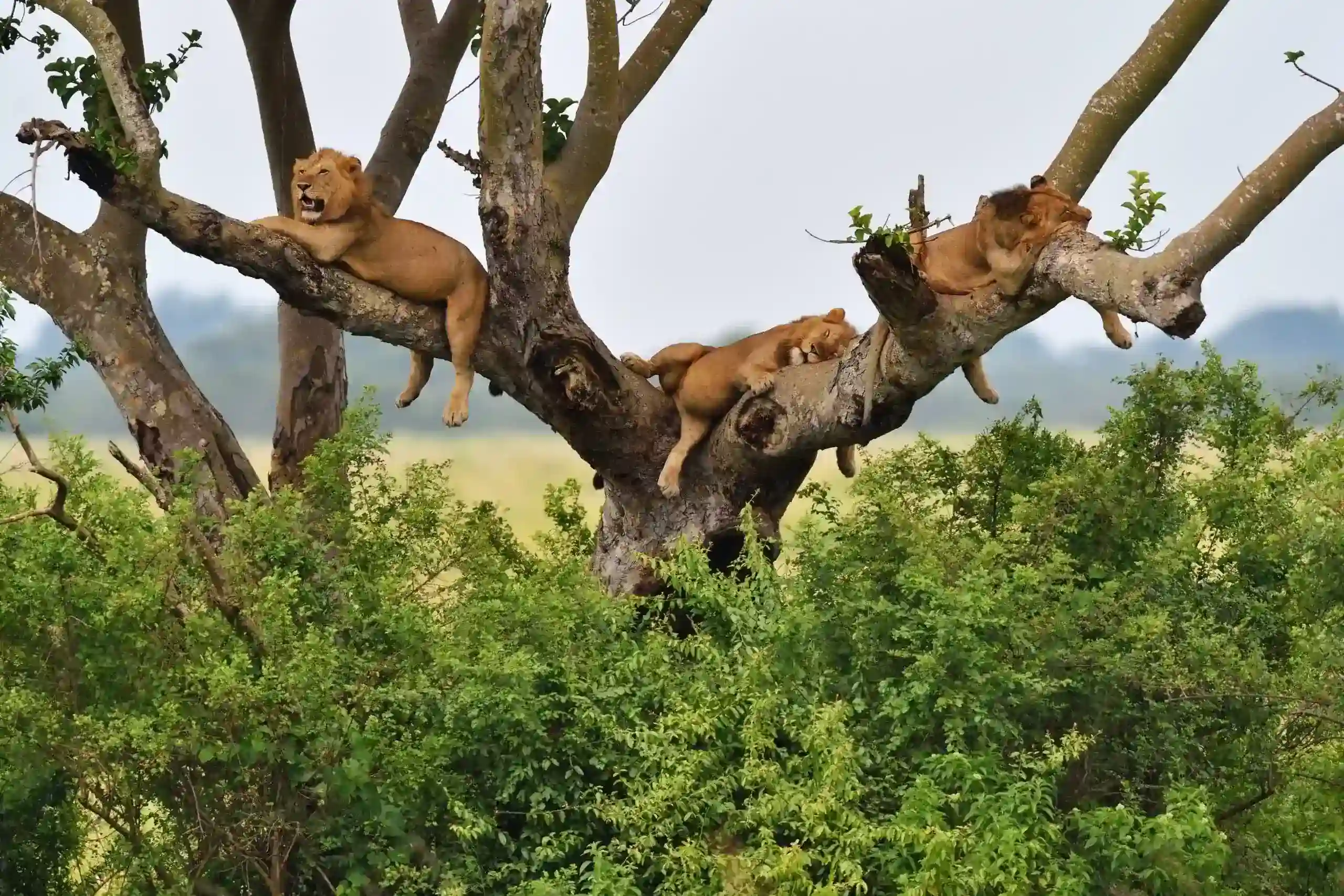
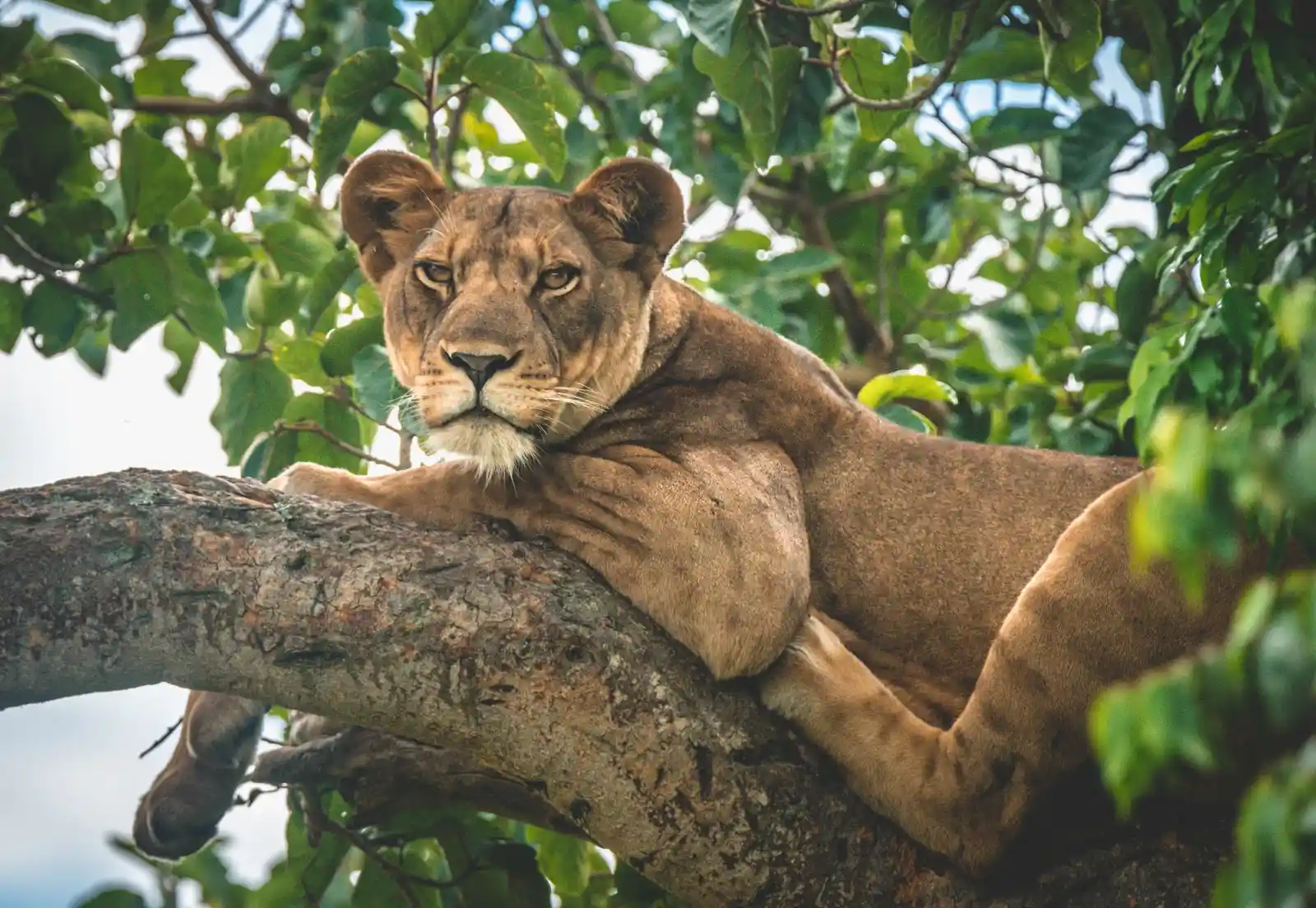
Tree-climbing lions live in Ishasha section of Queen Elizabeth National Park, on the border of Uganda and the Democratic Republic of Congo. According to the latest population census, there is a group of around 30 tree-climbing lions in the national park. Outside Uganda, you will only find a small group of tree climbing lions in Tanzania’s Lake Manyara National Park.
The tree-climbing lions are often found together. In Ishasha area, there are a several large fig trees – they are often found in them. They look almost like decoration. One lion hangs over a branch, another lies stretched out above you, as if they simply fell from the sky and decided to stay there. If you mainly know lions as ground-dwelling animals, seeing them relaxing in a tree is quite a surprise. It is a very special wildlife experience. And there is another advantage: from the branches, the lions are often easier to spot than when they are hiding in tall grass.
How is it possible that these lions climb trees?
There are several stories about why the lions in Ishasha climb trees. The most likely explanation is that they have adapted to their environment. Ishasha area has a lot of tall grass.
Biting insects live in that tall grass—and lions hate them. By climbing into the trees, they can get away from those annoying insects. But above all: the tall grass of Ishasha obscures their view of their prey. In the tree, they have a better overview of the area.
Naturally, lions are not good tree climbers at all. Compared with other big cats, they are actually rather clumsy in trees. A leopard, for example, is a far more natural climber. In terms of DNA, the tree-climbing lions are exactly the same as other lions.
But the lions in Ishasha sector are super agile. Their behavior is passed down from generation to generation. Cubs learn by watching the adults.
The tree-climbing lions have a large habitat
Because the tree-climbing lions have a large habitat, they are rarely seen. Your chances of seeing them are 50/50. Half the time the lions are somewhere else, across the border with Congo, for instance. Or they are in a spot in Queen Elizabeth National Park where there are no trails. Sometimes we don’t see them for days, but then they may just suddenly be lying in a fig tree somewhere. It is nature, after all – and you cannot control nature.
Ishasha is worth the visit – even if you don't see the tree-climbing lions.
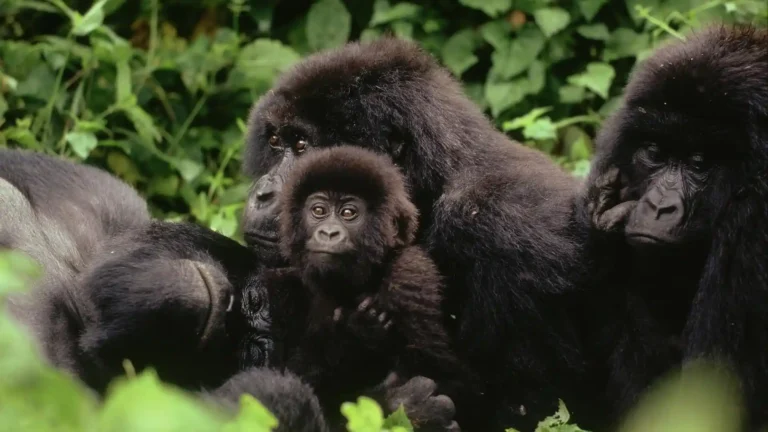
Ishasha sector lies on the route. It is a shortcut from Queen Elizabeth National Park to Bwindi Impenetrable Forest National Park, where mountain gorillas live . So, it makes sense to spend a night in Ishasha. You don’t have to take a detour or alter your tour itinerary.
We include Ishasha sector in many of our tours in Uganda. You arrive in the afternoon after a drive of about 2 hours from the northern section. You take a game drive and enjoy a sundowner. The views are amazing. With a bit of luck, you will have already seen the lions on your first day. But before driving on to Bwindi the next morning, you can go on another game drive to try your luck.
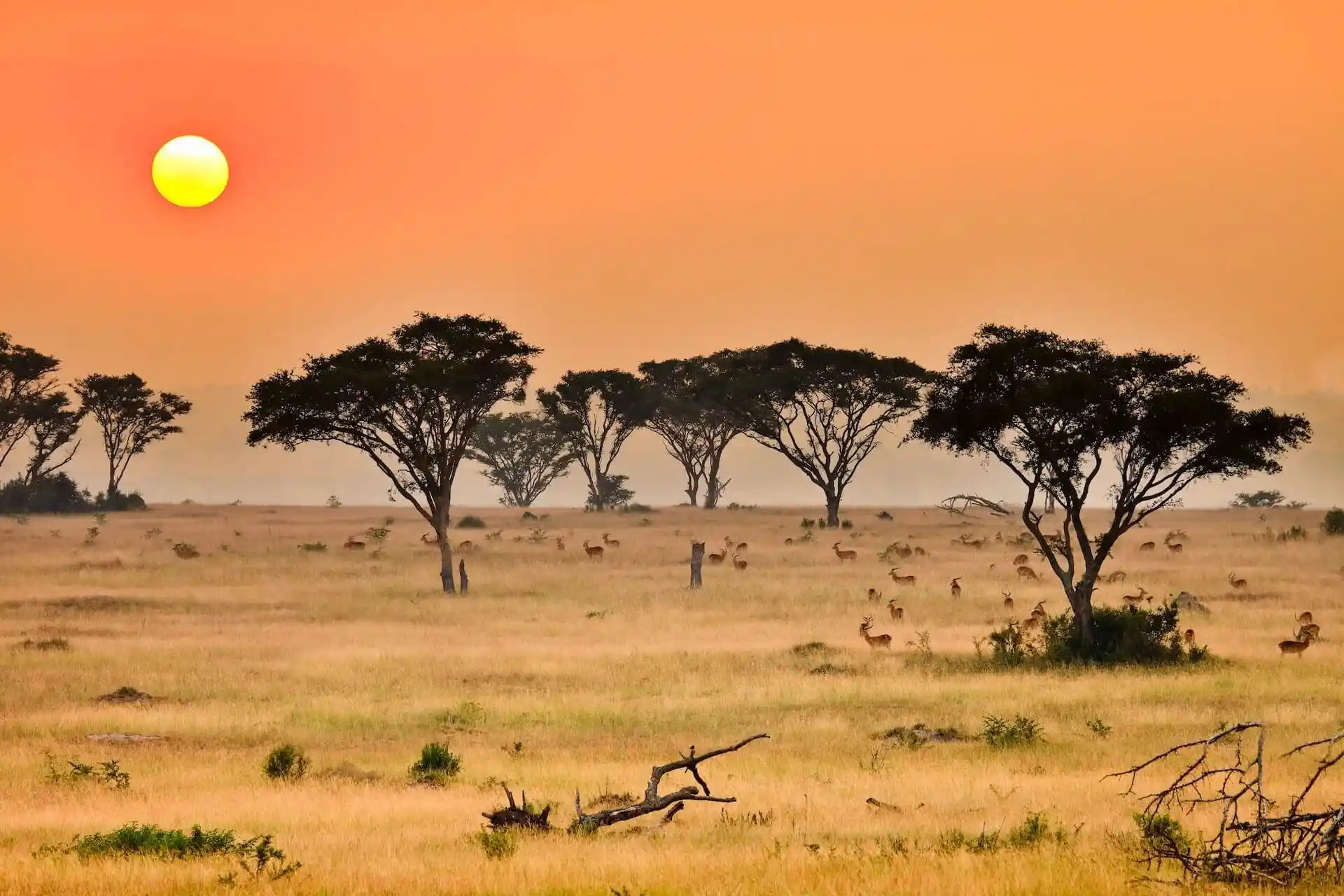
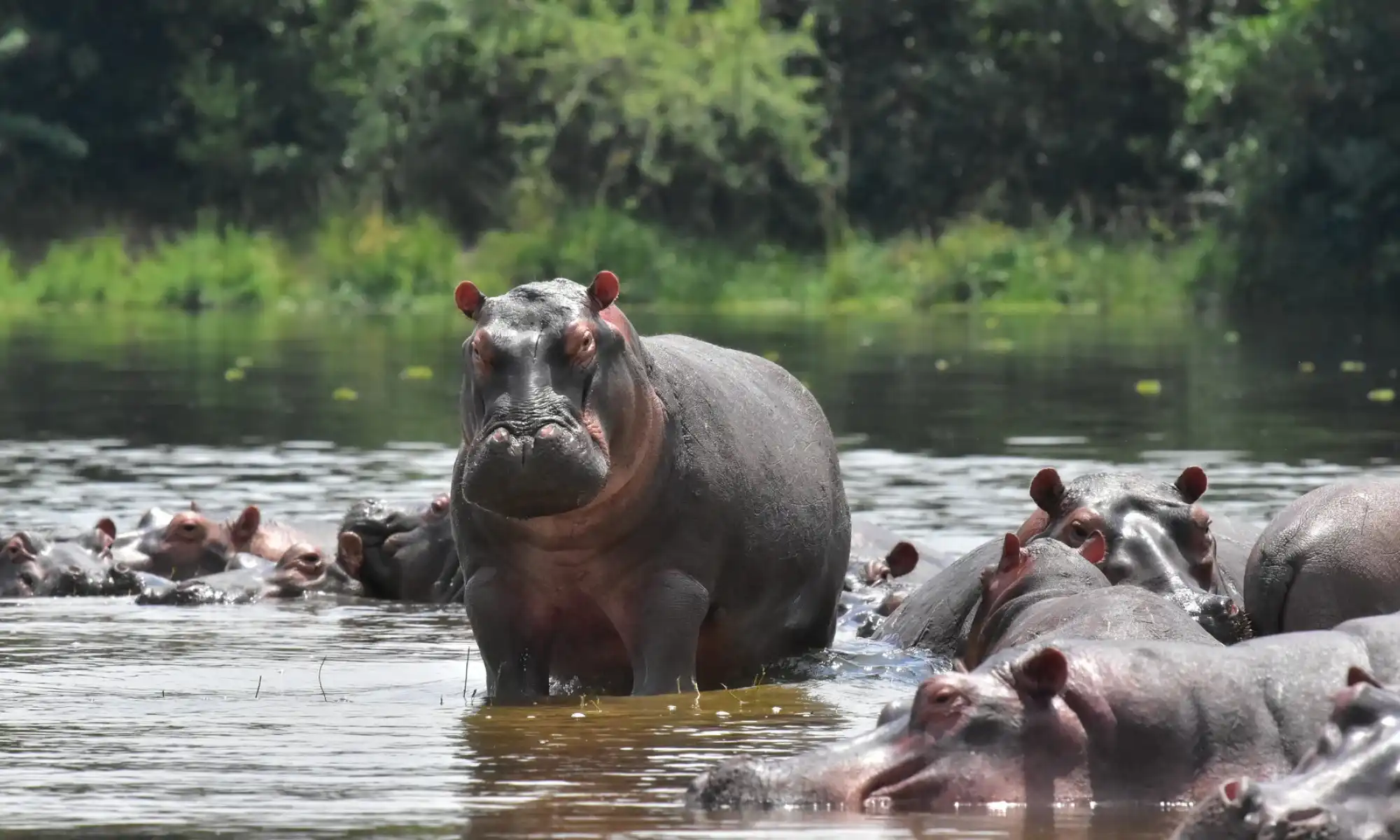
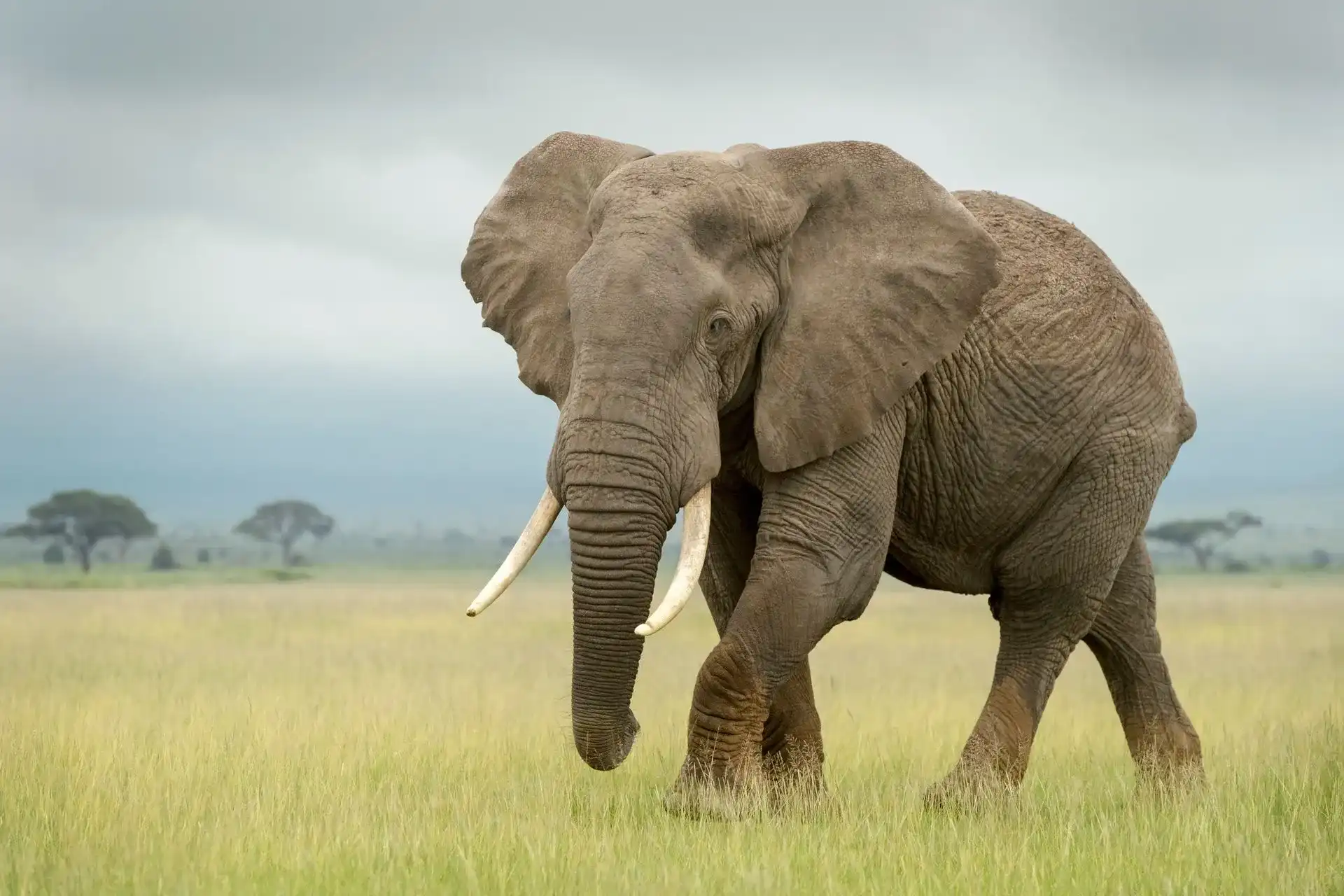
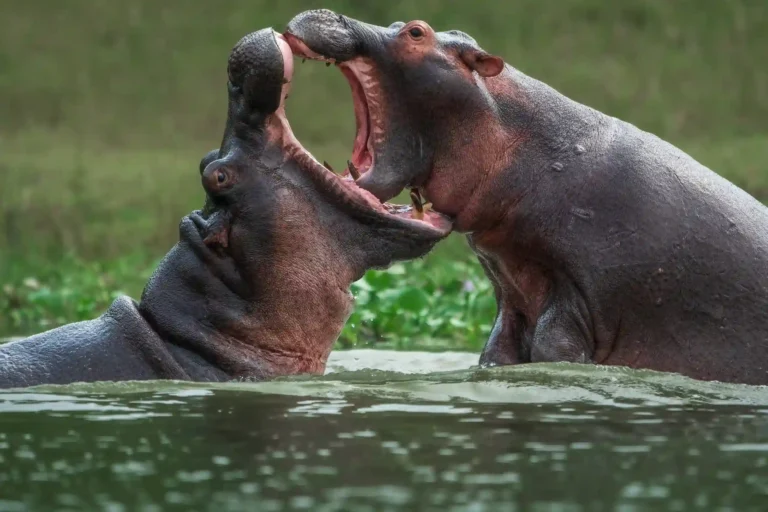
Ishasha Sector is easily skipped by fast travelers, so it is quieter than other national parks. You have the place even more to yourself. There are also other animals to see, such as elephants, Uganda kobs, topis, buffalos, leopards and numerous bird species. Ntungwe River flows through the area where hippos and waterbirds live.
So, whether or not you see the tree-climbing lions, you will have had a lovely stopover in a very beautiful area of the park regardless. With the lions as a possible cherry on top. Want to read more in preparation for your trip to Uganda? You can do so here.