The history of Lake Mburo National Park is closely tied to the Bahima pastoralists, whose traditional way of life helped shape and protect this landscape long before it became a national park.
The area was once known as Karo Karungi, meaning “the beautiful land.” For generations, the Bahima people moved freely across these grasslands with their famous Ankole long-horned cattle. They believed the health and beauty of their cattle depended on keeping the land healthy. Because of this, they avoided farming, fencing, and overusing the grasslands. Their cattle grazed naturally across the landscape, allowing the grass to recover while preventing the savanna from being overtaken by thick bush.
In many ways, it was this traditional pastoral lifestyle that preserved the open plains visitors still enjoy today.
In 1983, the area was gazetted as a national park, and many local communities were forced to leave their ancestral land with little consultation and no compensation. For the Bahima, it meant losing not only their grazing land but also an important part of their cultural identity.
Just three years later, in 1986, the government reviewed the decision. Parts of the park were degazetted, allowing local communities to return to some areas while the remaining park continued to protect its wildlife. Since then, conservation and traditional pastoralism have gradually learned to exist side by side.
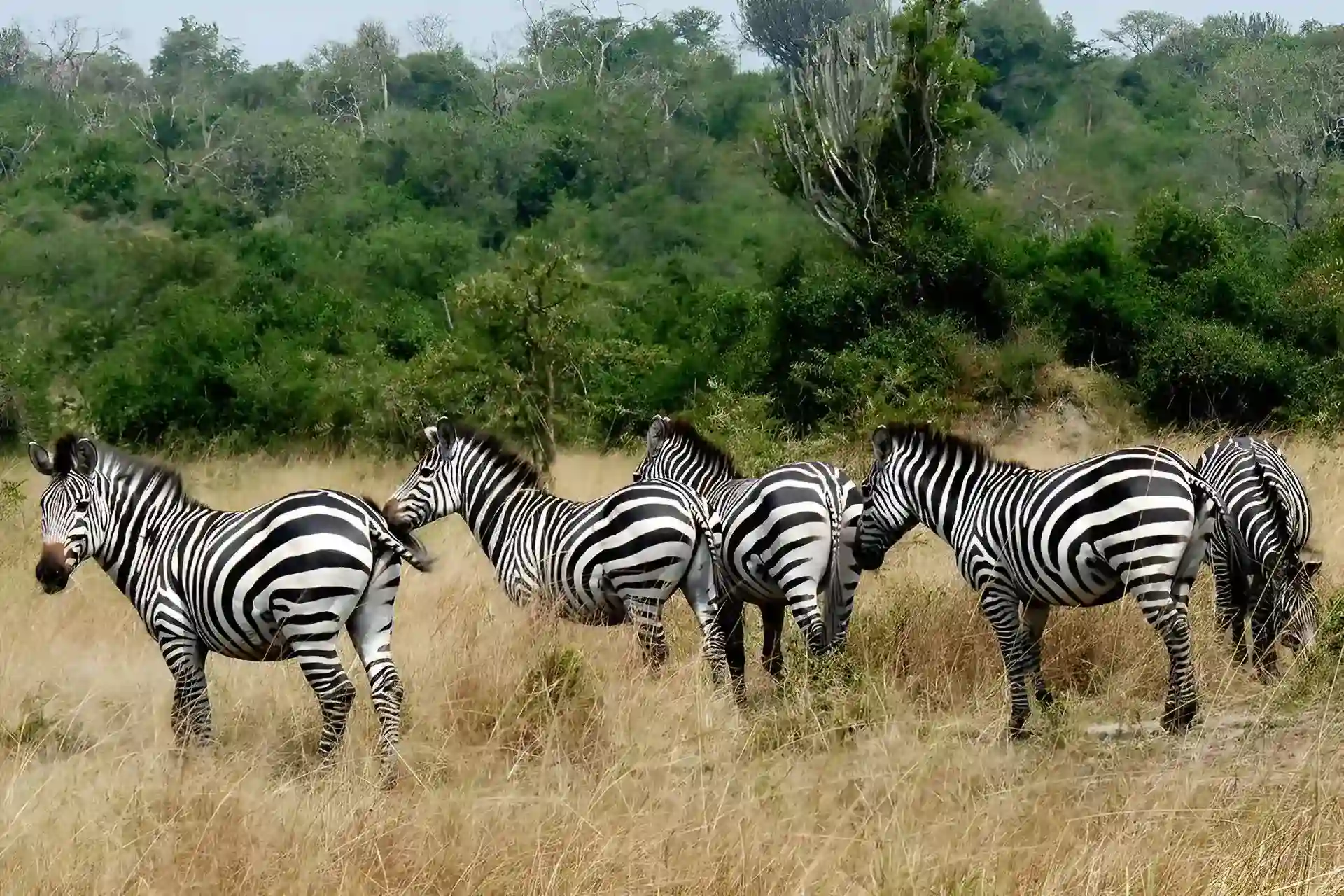
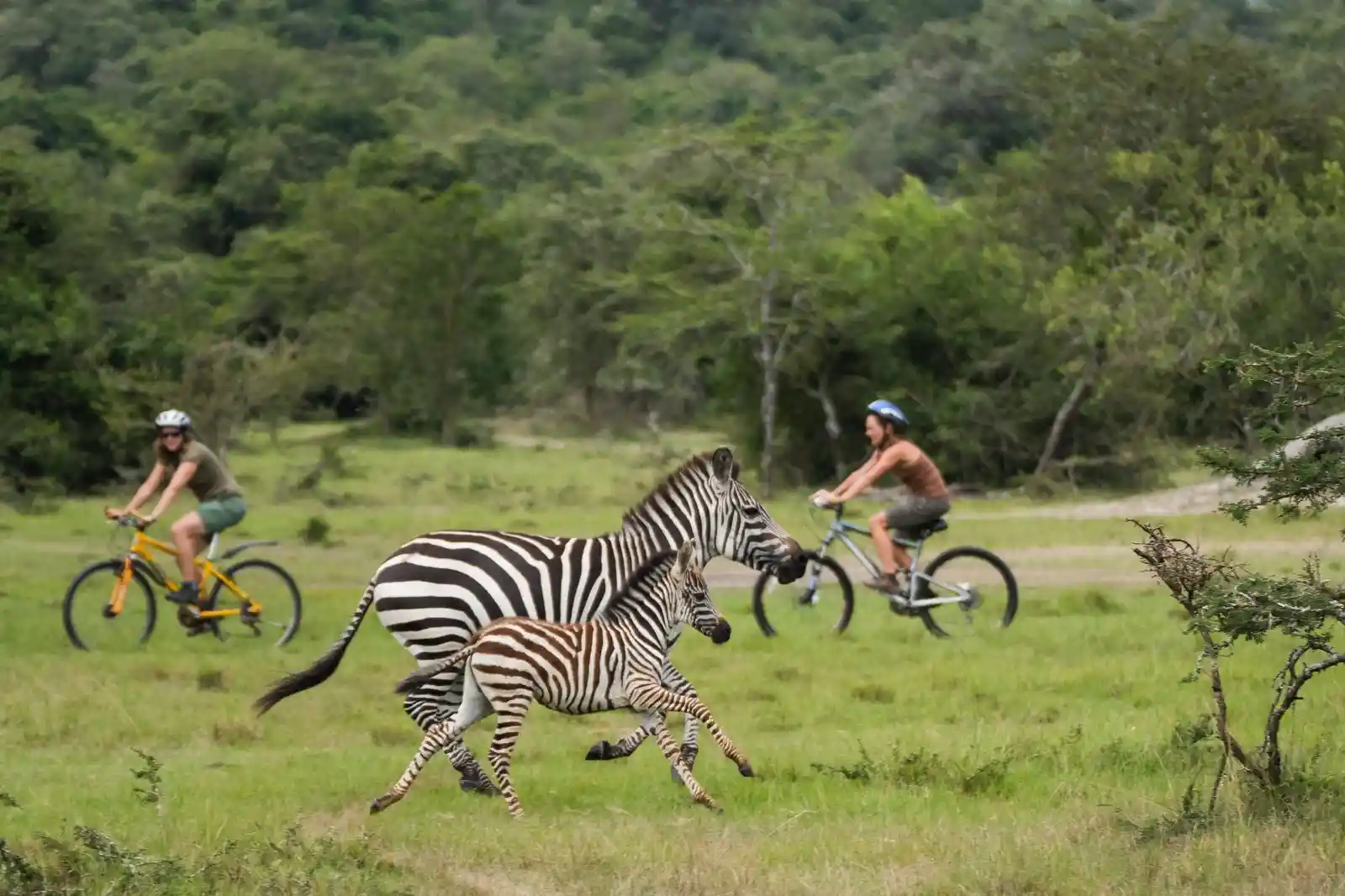
Today, Lake Mburo remains one of the few places in East Africa where this unique relationship is still visible. It is not unusual to see Ankole cattle grazing alongside zebras and impalas, a reminder that people and wildlife have shared this landscape for generations. Surrounded by dairy farms and cultivated land, Lake Mburo stands as one of the last surviving examples of Uganda’s ancient, open rangelands, where nature and culture continue to exist together.