Categories
- Accommodation
- Accommodation at Kibale Forest
- Active Tour Lodges
- Best Lodges
- Birding Guides
- Budget accommodation at Kibale
- Budget accommodation in Uganda
- Budget Hotels in Entebbe
- Budget Murchison Falls Accommodation
- Bwindi Guides
- Bwindi Lodges
- Bwindi National Park Guides
- Culture & Nature
- Entebbe Hotels
- Exclusive Lodges In Bwindi
- Exclusive Lodges In Murchison Falls National Park
- Exclusive Lodges in Queen Elizabeth National Park
- Family Friendly Lodges
- Gorilla Trekking
- Gorilla trekking guides
- great blogs
- Guides
- High End Accommodation At Kibale
- Jinja Accommodation
- Kampala Hotels
- Kibale
- Lodges in Mgahinga
- Luxury accommodation at Kibale
- Luxury Accommodation in Queen Elizabeth National Park
- Luxury Accommodation Options
- Luxury Hotels In Entebbe
- Luxury Lodges In Bwindi
- Luxury Murchison Falls Accommodation
- Midrange accommodation at Kibale
- Midrange Hotels In Entebbe
- Midrange Lodges In bwindi
- Midrange Murchison Falls Accommodation
- Murchison Falls Guides
- Murchison Falls Lodges
- Murchison Lodges
- News
- Popular
- Primate Lodges
- Queen Elizabeth Guide
- Queen Elizabeth National Park Accommodation
- Semi Luxury Lodges In Bwindi
- Semi-Luxury Entebbe Hotels
- Travel Guide
- Uganda Honeymoon Lodges
- Uncategorized

Uganda Safaris and tours
Uganda has it all. Chimpanzees and gorillas. The Big Five. All kinds of unique bird species. But also, beautiful landscapes (savannas, hills, volcanoes, waterfalls) and a beautiful, rich culture.
Best Uganda Safari Packages
All Can Be Customized
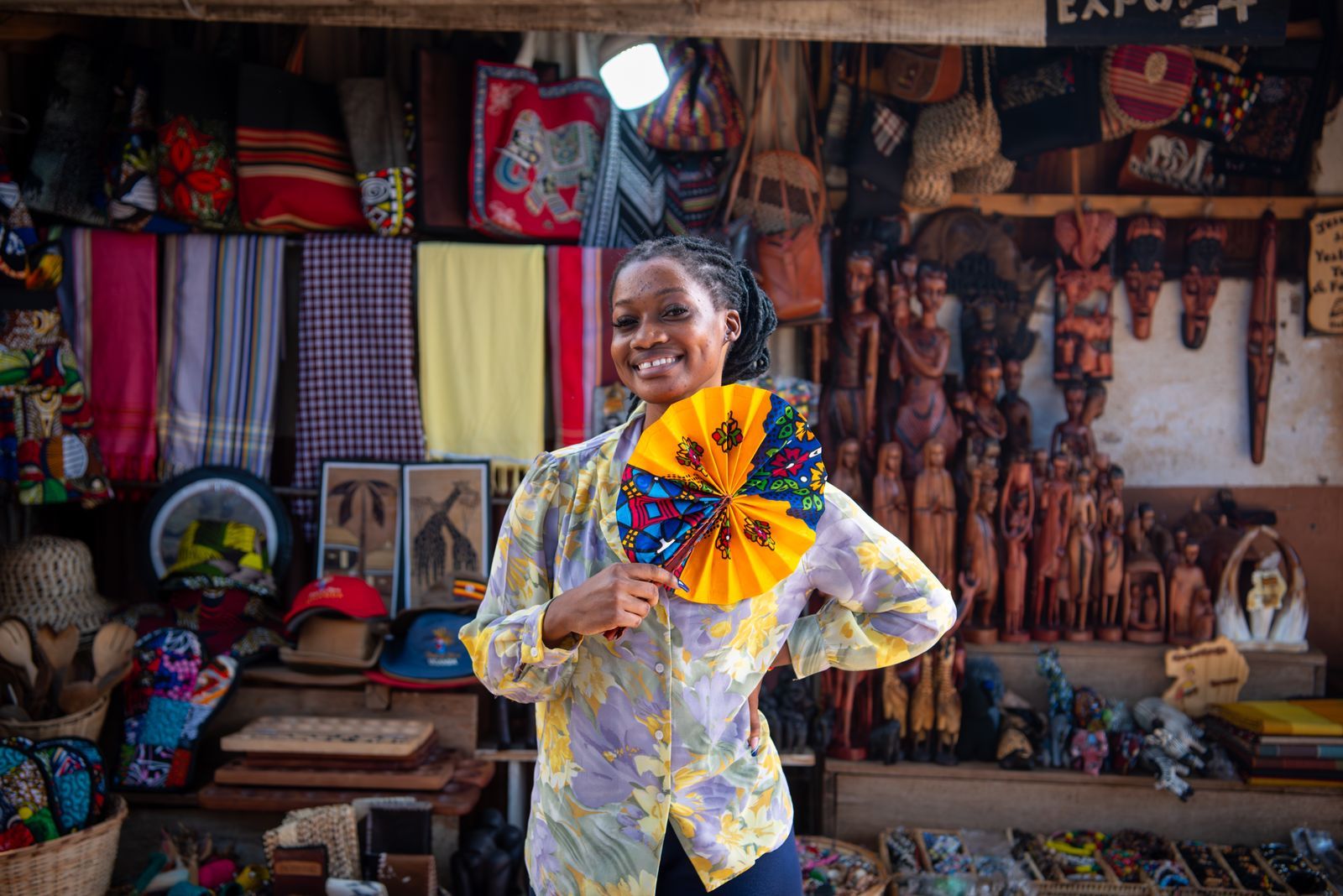
Uganda Safaris and Tours
In Uganda, everything comes together. It is as if all the unique things Africa has to offer have been crammed into one country. We have deep-green jungles and savannahs, but also mountain peaks covered in eternal snow. We have rivers, waterfalls, and crater lakes. You will find endless wildlife here: from the Big 5 to mountain gorillas and chimpanzees. Moreover, Uganda is very accessible: it is a suitable destination for both novice and experienced travelers.
Where To Go On A Safari In Uganda?
No tour destination matching the keyword.
Why Book With Choose Uganda Safaris?
At Choose Uganda Safaris, we don’t just design trips through Uganda—we pour our hearts into it. We want you to experience a trip of a few weeks that you’ll never forget. Everything we do is customized. And that requires a few things: a lot of personal contact and a strong local network.
1. We are Ugandans
Uganda is our home. We love our country. Every time we look around, we’re reminded why people should come to Uganda. Being here makes it easy for us to tell people what it’s like. We know what’s beautiful, what the risks are, and how safe it is. And not because we read it somewhere, but because we experience it every day.
2. Personal contact
You can easily reach us in all sorts of ways: (call, text, email—etc. We respond quickly. Personal contact is very important to us. If we do not speak with you, we cannot design a safari that truly matches your wishes. We want to know what you have researched, what excites you, and what kind of experience you are looking for. Together, we shape your journey step by step. Many of the best ideas come from simple conversations. Often, we say, “This would never have been included without that call.” Personal contact ensures your trip feels unique and carefully designed.
3. Customization – everyone says it, we actually do it
We don’t force you into a standard tour package. We incorporate your specific needs into a tailor-made itinerary. Want to go white-water rafting in Uganda? We will arrange that. Primarily primate spotting? We’ll take care of that. We’re Ugandans. We test lodges. We know the country like the back of our hand. We know what’s possible. So, when we hear what you would most like to do during your safari, we can make tailored recommendations. Larger tour companies often only have a few flavors, a few standard packages. They are not physically located in Uganda. And they pay much less attention to the details. At Choose Uganda Safaris, we can tailor our services because we’re so close—we literally live in our product.
Best Uganda Safari Lodges
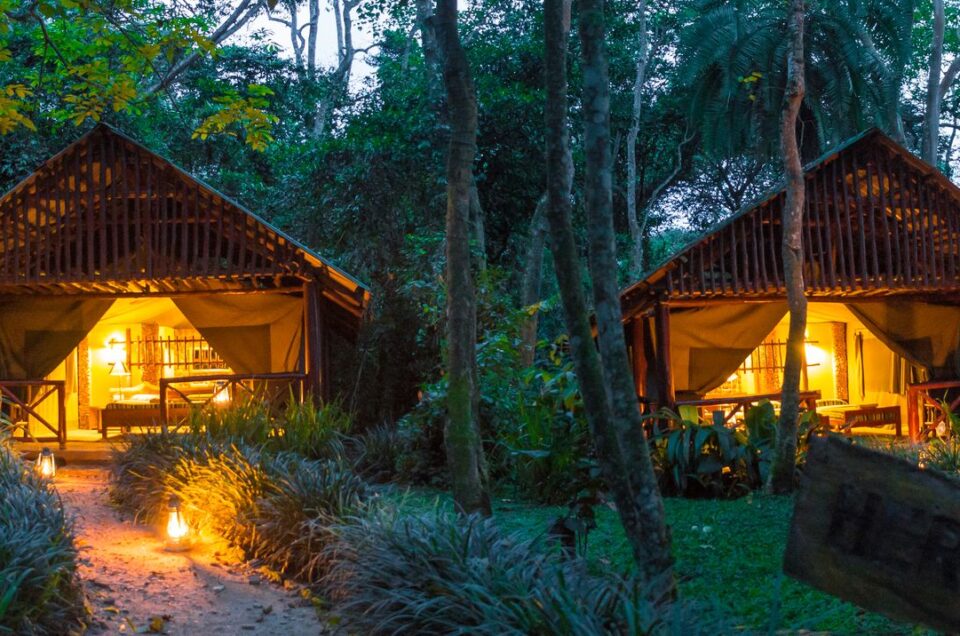
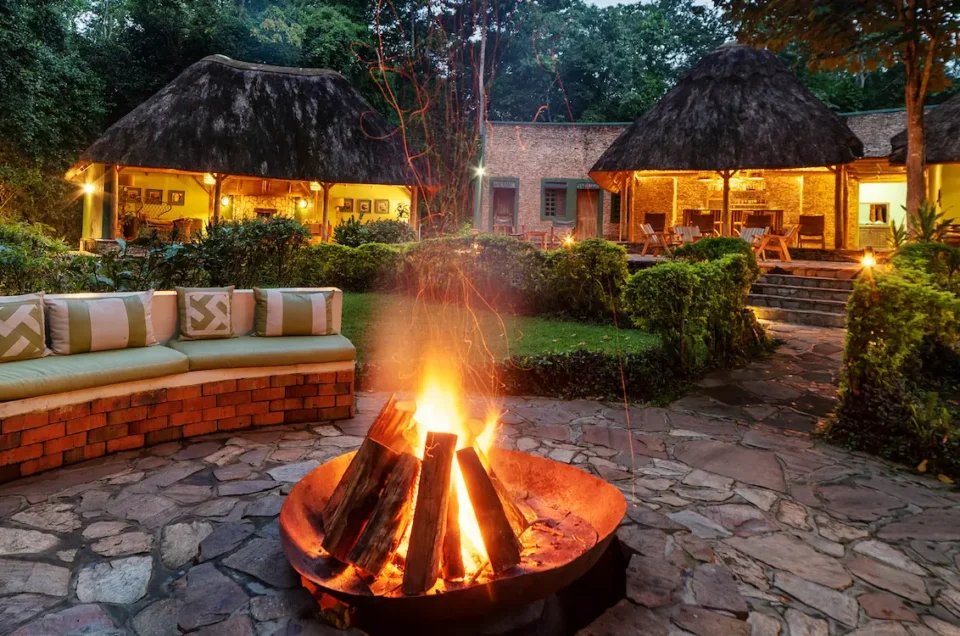
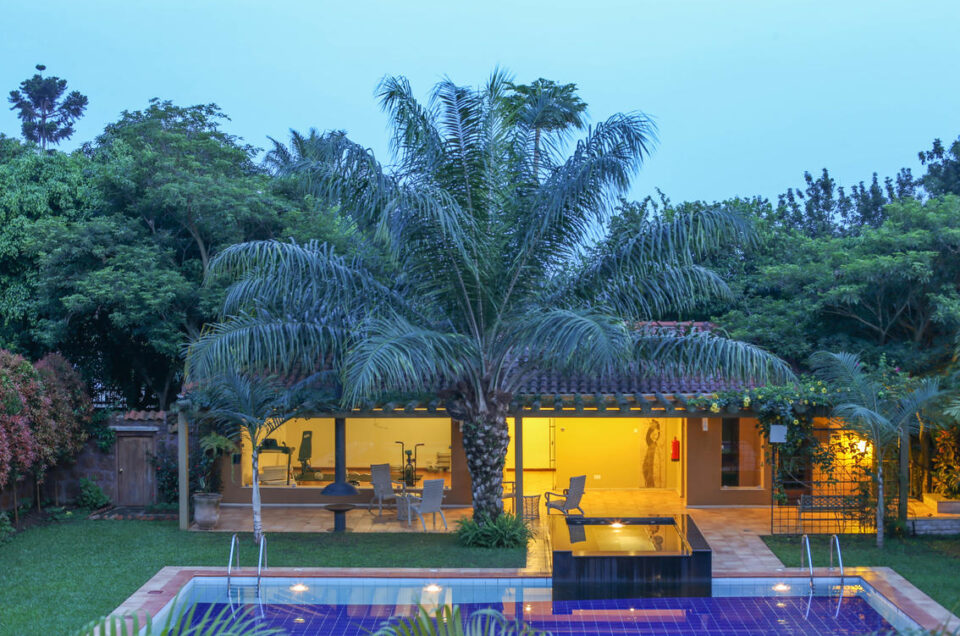
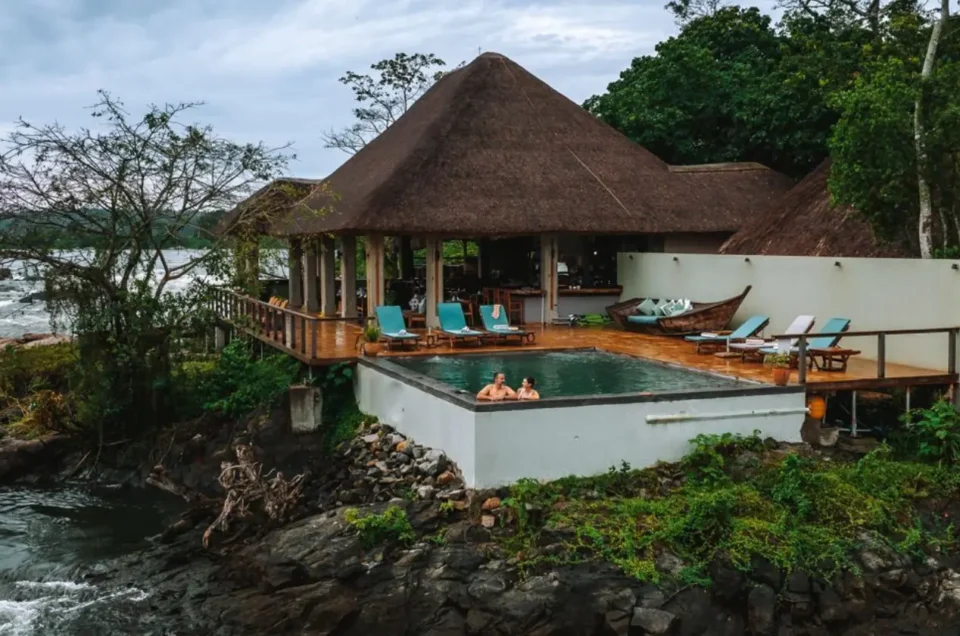
During your Uganda safari, we make sure you stay in wonderful and beautiful places. Places that are just right for you. These are a few of our favorite Uganda safari lodges.
Uganda Travel Guides
We believe it is important to give you the best possible impression of your future travel destination: Uganda, even from a distance. That is why we are sharing stories about the most beautiful spots, new lodges, the best activities, do’s and don’ts, and much more.
Uganda Safaris FAQs
Do you have a question about Uganda safaris and tours? Perhaps you will find the answer in these frequently asked questions. If your question isn’t listed, please feel free to contact us. We’ll be happy to help.
How much does a Uganda safari cost?
You can make your safari in Uganda very luxurious and expensive, but you can also make it more affordable. Most of the trips we organize fall somewhere in between. We offer great locations, excellent tour guides, safe transportation, and delicious meals. For example, for a very complete Uganda safari including nice lodges, a vehicle, guide, meals, and park fees, you should budget around USD 4,152 to 5,932 per person. The exact budget depends on the content of your trip (a gorilla permit, for example, is quite expensive) and your group size. If you’re traveling as a group, five of you, for example, the trip becomes cheaper per person. Read more: Uganda safari cost.
Is it safe to travel to Uganda?
Uganda is largely considered a safe country. Our Uganda safaris and tours generally avoid areas considered unsafe.
During our safari in Uganda, you will always be accompanied by an experienced driver guide. They know the roads well and will only stop where it is safe to do so. Read more here: Safety in Uganda.
What are the best safari parks in Uganda?
Most Uganda safari itineraries focus on five key national parks. Murchison Falls National Park is famous for its powerful waterfall and classic big game safaris. Queen Elizabeth National Park is known for tree-climbing lions and boat cruises along the Kazinga Channel. Kibale National Park offers some of the best chimpanzee tracking in Africa. Bwindi Impenetrable National Park is home to the rare mountain gorillas. Lake Mburo National Park often completes the journey with zebras, impalas, and scenic savannah landscapes. Read more: Best National Parks In ganda.
What wildlife species can see on a Uganda safari?
Uganda is best known for its mountain gorillas. But you also shouldn’t miss the Big Five animals and chimpanzees in the rainforest. And all the extraordinary bird species. The list is truly endless: zebras, giraffes, elephants, rhino, hippos, buffalo, antelope, lions, leopards, cheetahs, hyenas, ostriches—name an animal, and Uganda has it.
What vaccinations are required for a trip to Uganda?
Before traveling to Uganda, it’s important to get the recommended vaccinations and take precautions. A yellow fever vaccine is required for entry. Vaccines for Diphtheria, Tetanus, Polio (DTP) and Hepatitis A are also recommended. Bring mosquito repellent and consider malaria prevention medication. It’s best to consult a travel medicine specialist in your home country before your trip to Uganda.
Read More: Uganda Entry Requirements, and Malaria In Uganda.
What is the best time to visit Uganda?
The best time to travel to Uganda is from December to February and from June to September. These are the mostly dry seasons. However, even during the dry season, a short but heavy tropical downpour can still occur. Uganda is generally a good safari destination year-round, as long as you keep in mind a few limitations imposed by the climate. Want to know more? Read more: Best time to visit Uganda
What is the climate like in Uganda?
Uganda has a subtropical climate. The temperature remains roughly the same throughout the year– it doesn’t matter much whether it is the dry or rainy season. In the sunshine, the average temperature is 25 to 28 degrees Celsius. Sometimes it peaks above 30 degrees Celsius. But no matter how hot it gets, it is never oppressive, like in Europe… Read more: Uganda climate
Do I need a visa to travel to Uganda?
You are most likely required to get a tourist visa for Uganda o. Depending on which country you will travel to, you must apply for a Uganda tourist visa online with Uganda Immigration, since a visa on arrival is no longer possible. If you are visiting both Uganda and Rwanda or going on to Kenya, you will need an East African tourist visa that allows you to visit all three countries.
How difficult is gorilla trekking?
Bwindi Impenetrable National Park lies at an altitude of approximately 1,160 to 2,706 meters above sea level. Gorilla trekking in Bwindi can be physically demanding; however, some sectors like Buhoma sector are generally considered the easy and most suitable for older trekkers.
The trek to see the gorillas usually takes between 2 and 6 hours, depending on the location of the gorilla family on that day. Once you find the gorillas, you will spend one hour observing them.
On the morning of the trek, park rangers will give a full briefing explaining what to expect. Trekkers are divided into small groups of no more than eight people, and each group is assigned a gorilla family. The assignment is based on age, fitness level, and terrain, so less strenuous routes can be arranged. Some gorilla families live closer to the trails, while others are in steeper areas.
Rangers take this into careful consideration to ensure safety and a comfortable experience. The guides are very experienced and will allow regular breaks for rest, water, and snacks as needed.
There are generally three types of treks: short, medium, and long. During the briefing, you may request to be assigned the easiest gorilla family or a shorter trek.
Destinations
Safaris BY Type
Safaris by length

Choose Uganda Safaris
Typically replies within minutes
Dreaming of a trip through Uganda? We would be happy to put together an unforgettable tour for you. Feel free to send us a message. 🦍
Contact Us
WhatsApp Us