Bwindi Impenetrable Forest

Bwindi Impenetrable Forest National Park

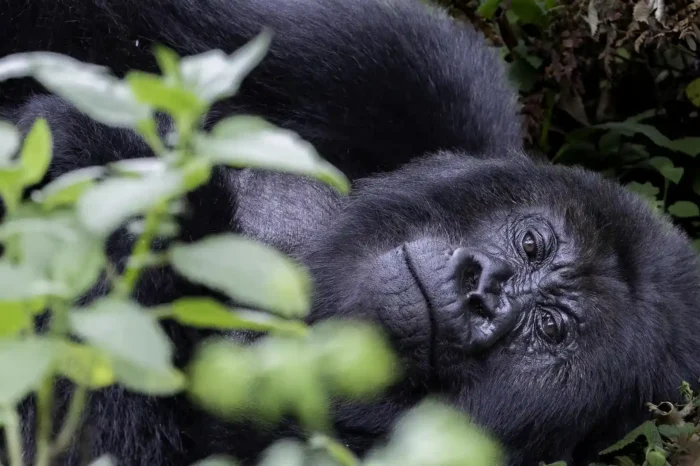
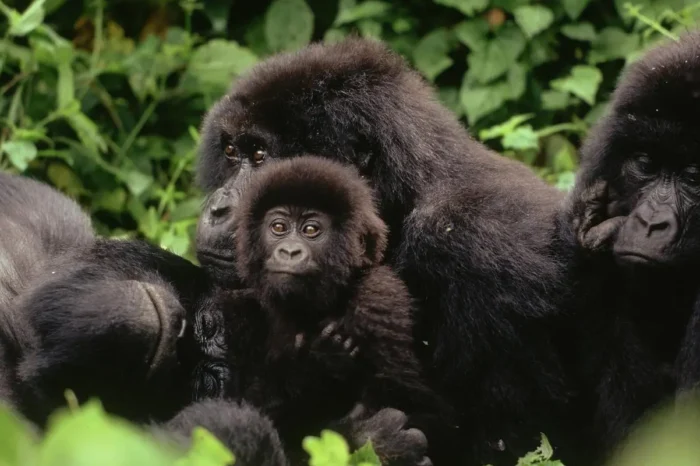
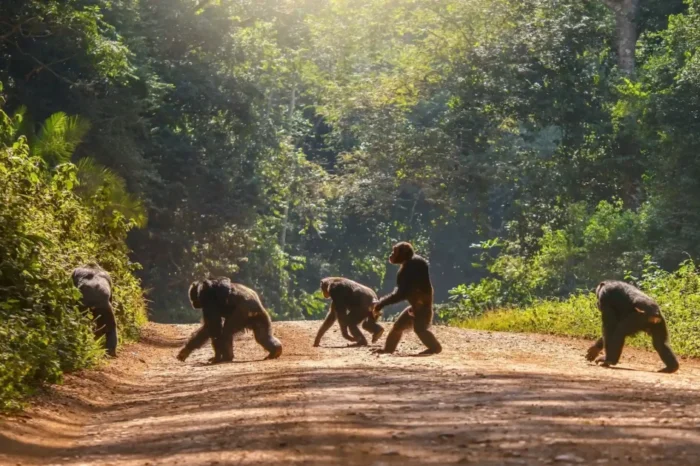
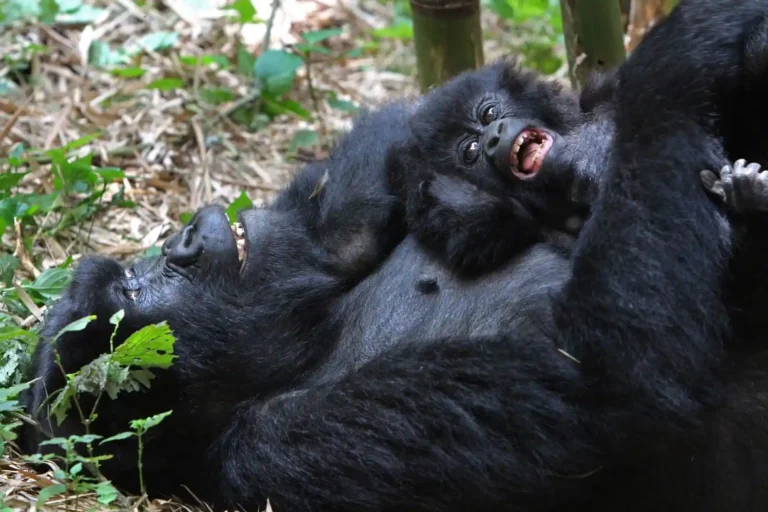
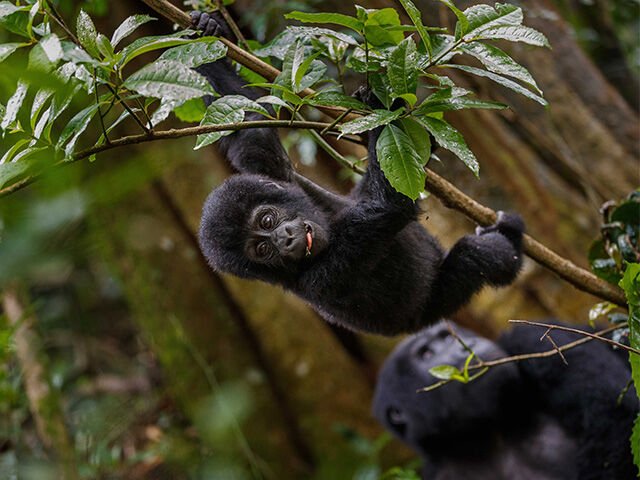
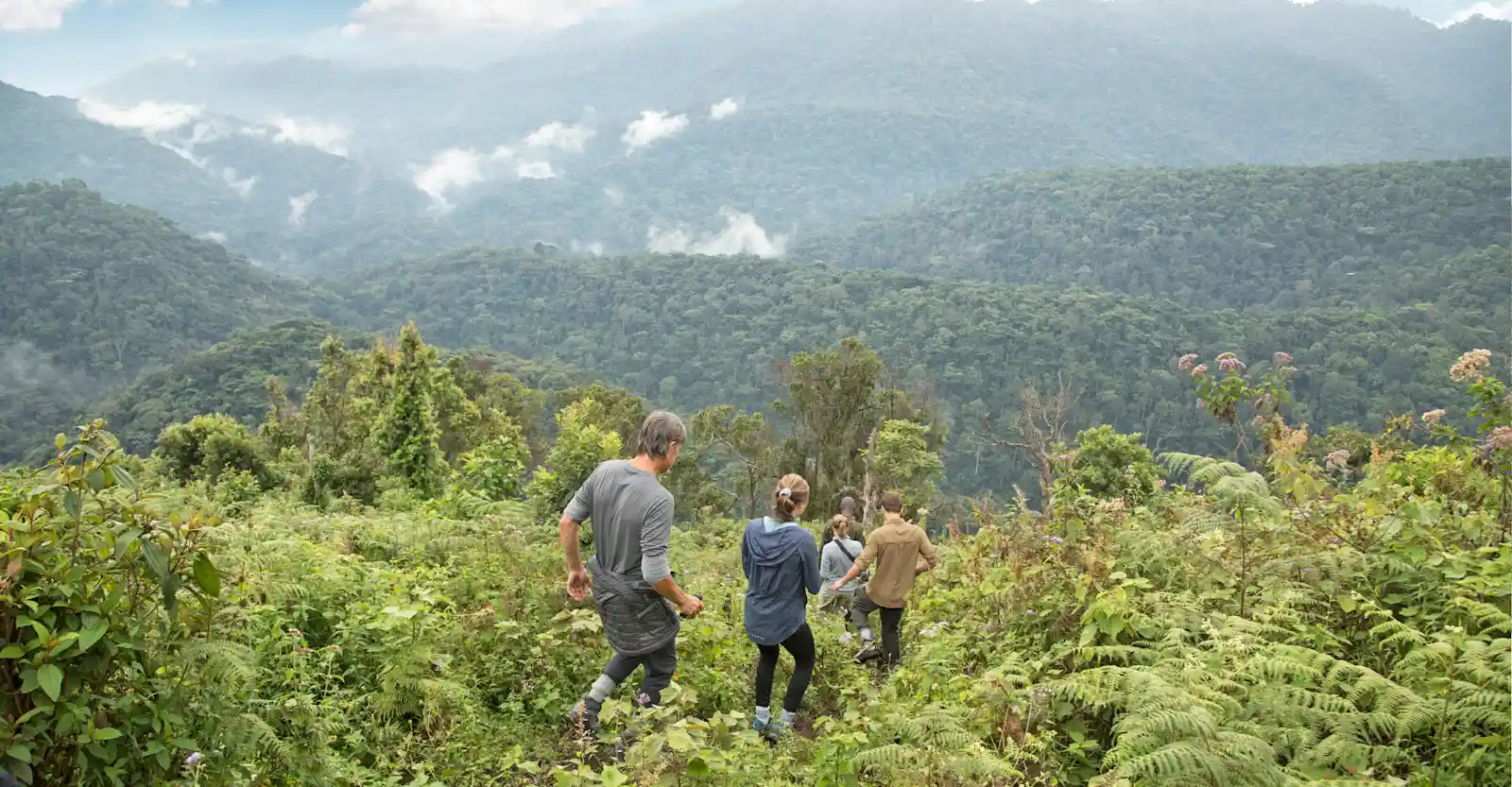
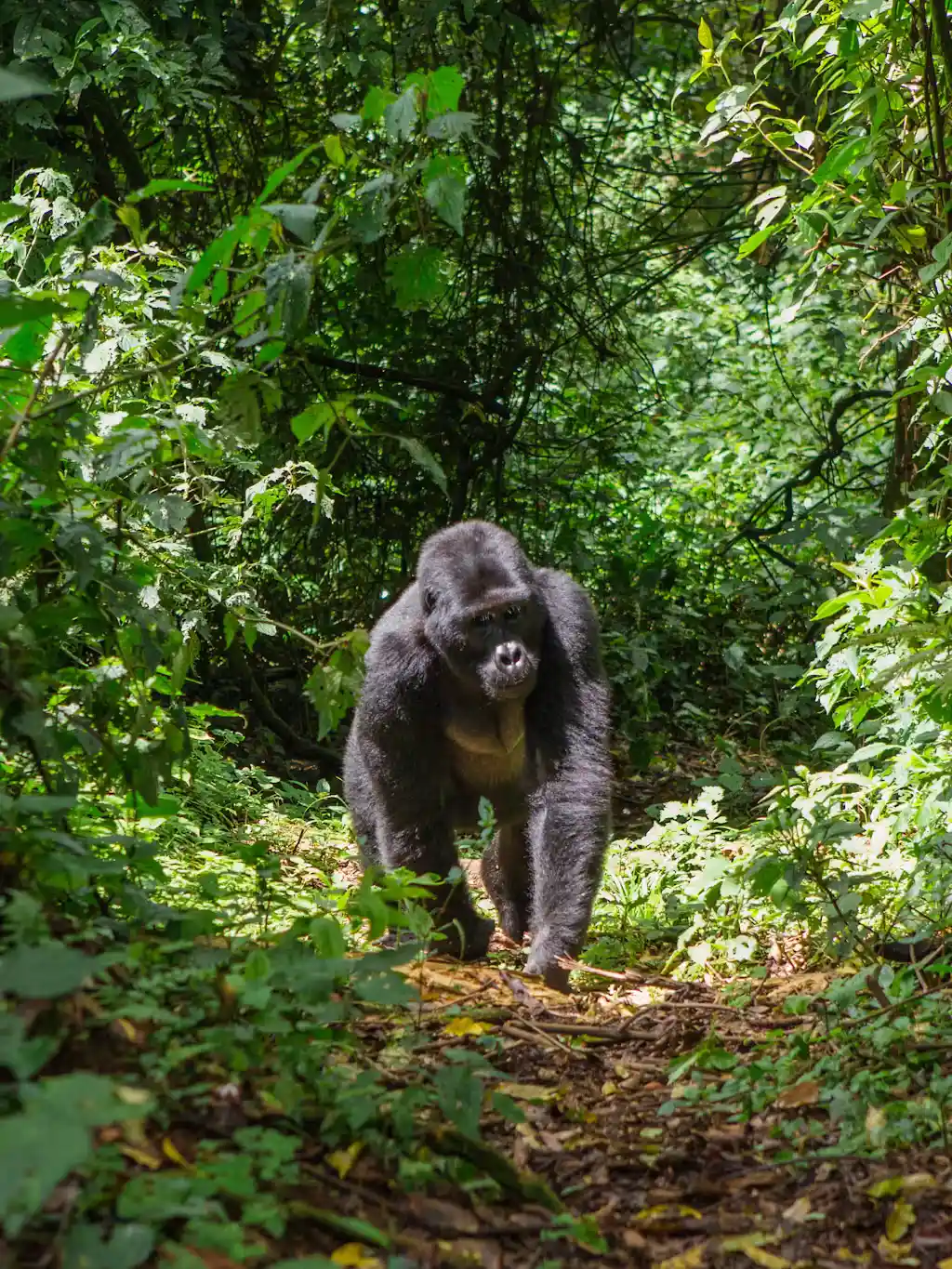
Dense, mountainous, lush, breathtakingly beautiful, and poetically named, Bwindi Impenetrable Forest is not, however, entirely impenetrable. A mist-covered maze of treetops, tangled roots, and curling ferns, Bwindi stands as one of Africa’s great conservation success stories. Once affected by civil unrest, it is now a safe magical wilderness filled with life and sound, home to 20 primate species, including Africa’s largest population of mountain gorillas.

You won't find a greener place than Bwindi

Bwindi Impenetrable Forest is endlessly green. As you drive towards it, the number of homes along the road gradually decreases. You drive slowly into the jungle. It gets cooler because of all the greenery and mountainous landscape. You see gigantic trees and beautiful flowers. 

Bwindi is one of those places that is almost impossible to describe. You only truly understand how special it is when you are there. As you drive around the park on your way to your accommodation, you gain quite a bit of altitude. You descend through and over peaks. Because of the many sharp winding turns, your speed often falls below 20 kilometers per hour. And that is no punishment: driving through Bwindi is a magical experience.

Tours Featuring Bwindi national park

All Can be customized

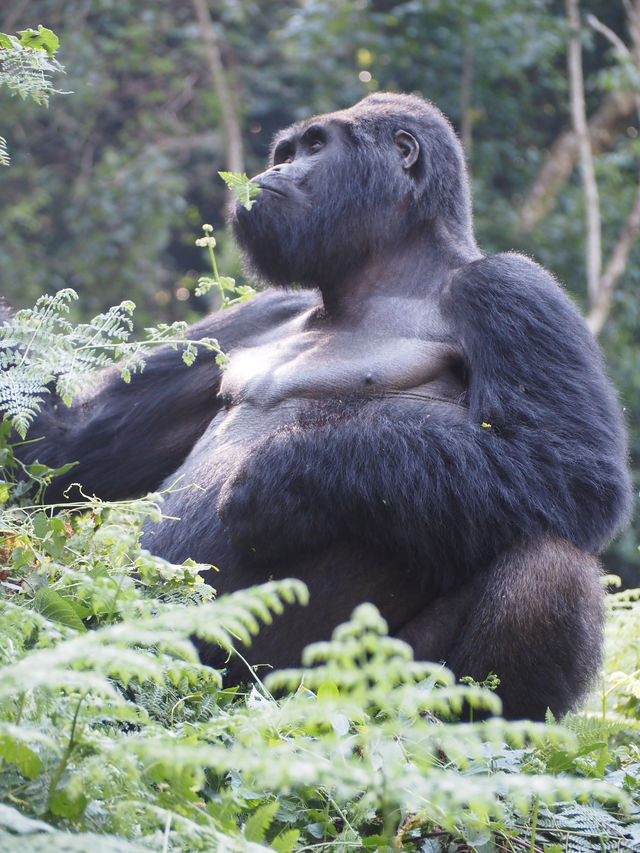
Bwindi is the place to spot Mountain gorillas

Bwindi Impenetrable National Park is very different from the savannah parks in Uganda. You cannot drive through it. It is a dense jungle, so exploring Bwindi means going on foot. Around 90 percent of visitors come here to see mountain gorillas. To find them, you hike through the forest with experienced rangers.

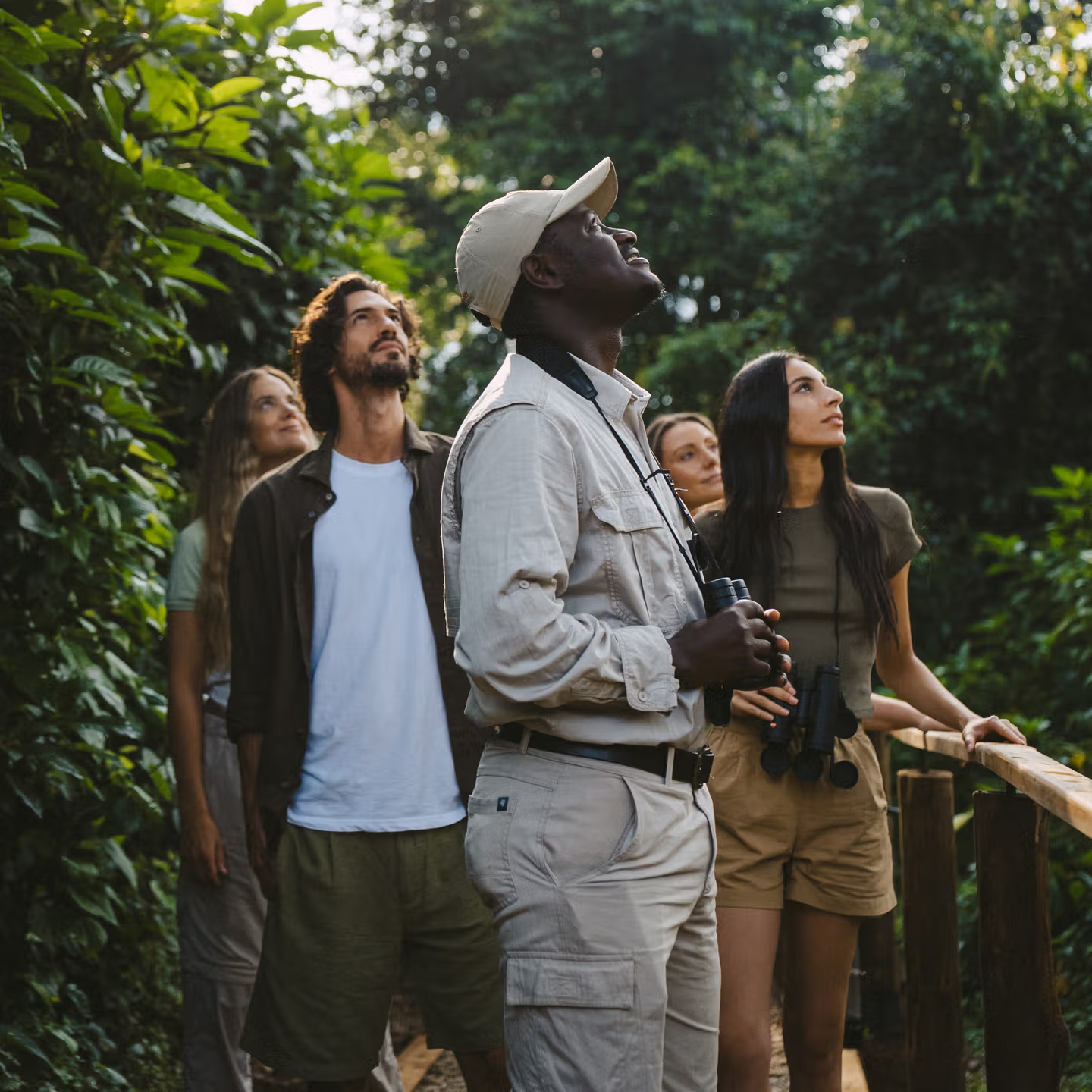
Beyond the gorillas, Bwindi Impenetrable Forest National Park is also a paradise for birdwatchers. It is home to over 350 bird species and 23 of the 24 Albertine Rift endemics, including rare species such as the African Green Broadbill and Shelley’s Crimsonwing. You will also find many monkeys here, including the black-and-white colobus monkey. 

Forest elephants also live in Bwindi, but they are extremely shy and very difficult to spot. They are also more unpredictable than the elephants found in savannah parks like Queen Elizabeth National Park.

Bwindi's gorilla families and trekking sectors

Bwindi Is Divided Into four sectors

Bwindi is divided into four trekking sectors: Buhoma, Ruhija, Rushaga, and Nkuringo. Each sector operates as a self-standing gorilla trekking destination, with its own gorilla families, permit allocations, and accommodation options. This means your choice of sector directly shapes your trekking experience, from travel time to difficulty and atmosphere.

Buhoma is the most established sector. It is the best option if you are coming from the north, for example from Queen Elizabeth National Park or Lake Mburo National Park. Access is relatively easy, and it offers the widest range of well-developed accommodations, including higher-end options. The experience here is smooth, classic, and well organized.

Rushaga is the most flexible and one of the most popular sectors. It is easiest to reach from Kigali or Kisoro. It also has the highest number of available permits, which makes it a strong choice during busy seasons. Rushaga is the only sector where you can do the gorilla habituation experience, allowing longer time with a semi-habituated group.

Nkuringo is the most remote and physically demanding sector. The hikes here are often steeper and more challenging, but the reward is a quieter, more exclusive experience. The landscapes are dramatic, with wide views over the Virunga Volcanoes. It feels more remote and less visited.

Ruhija is calmer and cooler due to its higher elevation. It is especially known for its rich birdlife and forest diversity. It is an excellent choice for nature lovers and birdwatchers who prefer a quieter atmosphere, although accommodation options are more limited compared to the other sectors.

Bwindi

Sector choice is very important.

Choosing the right sector in Bwindi is one of the most important parts of planning your gorilla trekking experience. Permits are issued per sector, and each trek starts from a specific trailhead. For this reason, it is always best to match your accommodation with the sector where you will be trekking.

The distances between sectors are often underestimated. Even though they are all within the same national park, road transfers can take anywhere from 1 to 6 hours depending on the route and road conditions. This can have a big impact on comfort and timing on trekking day.

Some combinations between sectors do work well. Rushaga and Nkuringo, for example, are relatively close to each other, so staying in one while trekking in the other is practical. Buhoma and Ruhija can also be combined without major difficulty.

However, longer cross-sector combinations, such as Buhoma and Rushaga, are not recommended. The travel time can be up to six hours by road. In short, the best Bwindi experience comes from planning your sector and lodge as one connected decision, not as separate choices.

Enjoy Bwindi's beauty in an active way

Bwindi is the perfect place to explore nature on foot. After a few days in Uganda’s savanna parks, the forest feels refreshing. The air is cooler. The pace is slower. Walking here is pure enjoyment. There are several ways to experience Bwindi actively.

Silverback - Arial View - 1.webp

Gorilla trekking in bwindi

Gorilla trekking is the main reason most travelers visit Bwindi. It is a once-in-a-lifetime experience. There are two types of gorilla trekking. With regular gorilla trekking, you visit a family of gorillas that is fully habituated. The gorillas are used to human presence. The trek usually lasts half a day. 

The Gorilla Habituation Experience is different. Here, the gorillas are still getting used to people. You trek in a small group of up to four visitors. Researchers join the walk and share their knowledge. The experience lasts a full day and allows more time with the gorillas. This option is more exclusive and more intense. It also comes at a higher cost. The Gorilla Habituation Experience costs 1,500 US dollars. Regular gorilla trekking costs 800 US dollars.

Bwindi.avif

Nature walks in bwindi

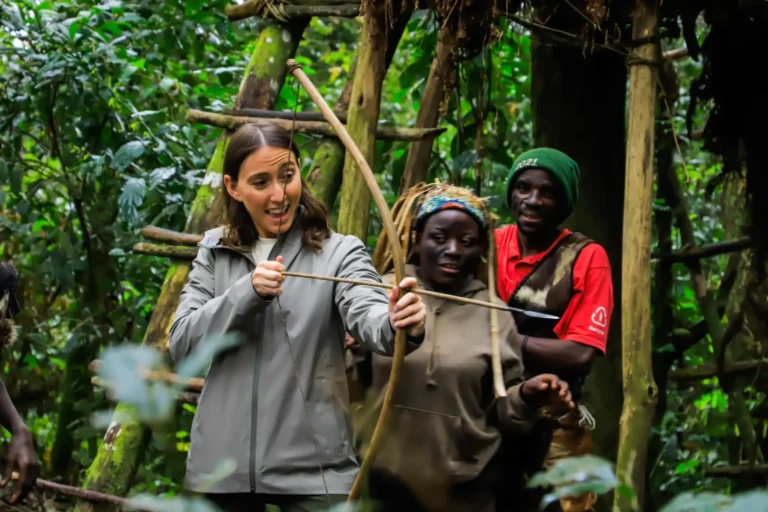
A guided nature walk is a must when visiting Bwindi. You explore the forest together with a ranger. They explain the ecosystem and the plants around you. You learn about medicinal herbs. You discover butterflies, insects, and other small forest life. During the walk, you also learn about the Batwa people

They were the original inhabitants of Bwindi. For thousands of years, they lived as hunter-gatherers in the forest. Today, the Batwa no longer live inside the park. They have been relocated to surrounding areas. 

This changed their way of life deeply. You can visit Batwa communities near the park. It offers insight into their traditions and culture. It is a respectful way to understand Bwindi’s human history.

Hike from Buhoma to Nkuringo

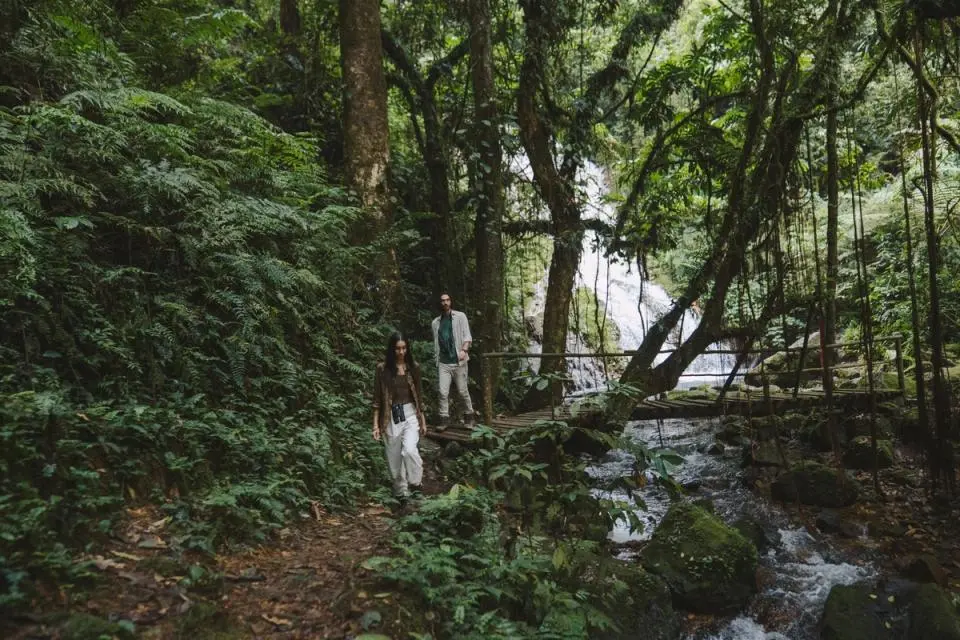
For travelers who want something special, there is a longer hike through the forest. This trail connects Buhoma and Nkuringo. You start at the ranger post in Buhoma. From there, you walk deep into the park with rangers and porters. You cross rivers. You pass waterfalls. You hike through untouched forest. At the end of the trail, you arrive in Nkuringo. A vehicle picks you up there. This hike is done by very few visitors. It is quiet. It is immersive.  It is perfect if you want to spend more time in Bwindi and truly feel the forest.

Frequently asked questions

About Bwindi Impenetrable Forest

A tour of Bwindi is a unique experience. It is an adventure where you trek through a mountainous rainforest. You hike across a dense jungle on steep, narrow footpaths, following a ranger guide who clears the way through the vegetation with a machete. We can imagine you have many questions about this. We have answered the most important ones below. If your question is not listed, feel free to contact us.

Bwindi has a tropical rainforest climate. Daytime temperatures usually range between 20–28°C, while at night they drop to around 10–18°C, depending on altitude. The park receives between 1,400 and 2,000 mm of rainfall per year. The wettest periods are March to May and September to November. The dry seasons run from June to August and December to February. During these months, the paths are generally less slippery and there are fewer mosquitoes. Birdwatching is especially rewarding in the wetter months, as many migratory species are present and forest activity is at its highest.

Bwindi can be visited all year round. Gorilla sightings are possible throughout the year, and encounters are almost always successful.

There are two main seasons: the dry season and the rainy season.

The dry season runs from June to August and December to February. These months offer the easiest trekking conditions. The trails are less slippery, and walking is generally more comfortable. Rain is also less likely, which many travelers prefer.

The rainy season falls between March to May and September to November. During this time, the forest is greener and more dramatic. It is also quieter, with fewer visitors on the trails. This gives a more private and immersive experience in nature. Also, during the months of April, Maya and November, gorilla permits are discounted from USD 800 to USD 600.

Gorilla trekking remains a unique experience in every season. Gorillas are not affected by rain, so sightings are equally rewarding year-round. Sometimes, heavy rain can make the trek more challenging. In such cases, guides may adjust the pace or wait for conditions to improve before continuing. They always make decisions with your safety and experience in mind.

For foreign non-residents, a gorilla trekking permit in Bwindi costs USD 800 per person. During the low season months of April, May, and November, it is USD 600.

Although this may seem expensive, it is still significantly more affordable compared to Rwanda, where the same experience costs USD 1,500. Gorilla trekking in Uganda is offered in both Bwindi Impenetrable National Park and Mgahinga Gorilla National Park. The experience is similar in both parks. Once you find a gorilla family, you are allowed to spend one hour with them in their natural habitat. Each group is strictly limited to eight visitors.

A special option available in Bwindi is the gorilla habituation experience. Here, semi-habituated gorilla families are visited by a maximum of four people per day. You can spend up to four hours with them. This is a more exclusive and immersive experience, but the gorillas are less accustomed to human presence and tend to keep more distance. The permit costs USD 1,500 per person, and it will increase to USD 1,800 in 2027.

You can book a very short gorilla safari once you are in Uganda, but there are important limitations to consider. The first is gorilla permit availability. Permits are limited and often sell out in advance, especially during the peak season from June to September. If no permit is available for your travel dates, a gorilla trek is simply not possible.

The second factor is distance. Kampala and Entebbe are at least a 9 to 11-hour drive from Bwindi Impenetrable National Park. Because of this, a realistic gorilla trekking itinerary from Kampala or Entebbe requires a minimum of 3 days and 2 nights.

From Kigali, the journey is shorter, usually around 4 to 6 hours depending on the border crossing and the Bwindi sector you are visiting. Bwindi is divided into four trekking sectors, and each one operates as a separate starting point for gorilla trekking. The closest sectors to Kigali are Rushaga and Nkuringo, accessed via the Cyanika border. Because of this proximity, a 2-day gorilla trekking itinerary from Kigali is possible.

A true same-day gorilla trek is generally not recommended from either Kampala or Kigali due to travel time and logistics. However, it can be done if you travel independently to Kisoro, the nearest town to Bwindi and Mgahinga. From there, you can access the Rushaga or Nkuringo sectors for a shorter transfer on the trekking day. Another option is gorilla trekking in Mgahinga National Park, which is also close to Kisoro.

In summary, while very short gorilla trekking options exist in specific cases, a 2–3-day itinerary remains the most practical and reliable way to experience Bwindi comfortably

This varies from day to day and depends on the gorilla family you are tracking. On average, the search takes between 1 and four hours, but sometimes it can be quicker, and on other days it may take longer. It all depends on where the gorillas are moving in the rainforest at that time.

Once the gorilla family is found, you are allowed to spend a maximum of one hour with them. After the visit, you walk back to the starting point together with the guides.

Because you never know in advance how long the trek will take, every experience feels like a real adventure. And for most travelers, the moment you finally stand face to face with the gorillas makes every step completely worthwhile.

A gorilla trek in Bwindi is manageable for most travelers with a reasonable level of fitness. However, it is important to be prepared for hilly terrain, muddy paths, and sections of dense jungle. The duration of the trek varies from day to day. Gorillas move freely through the forest, so their exact location is never known in advance. Sometimes you find them within an hour, while on other days the search can take longer.

During the trek, the rangers adjust the pace to the group, and there are regular breaks to rest and catch your breath. You can also hire a local porter who assists on difficult sections and carries your bag if needed.

A high level of fitness is not required. A normal basic fitness level and the ability to walk for a few hours is usually enough. In most cases, the effort is quickly forgotten once you come face to face with a mountain gorilla.

It is sometimes possible to request a shorter or easier trek in advance, for example for older travelers or those with health considerations. This should be mentioned at the time of booking.

The chances of seeing mountain gorillas in Bwindi are almost 100%. This is because Bwindi Impenetrable National Park is home to 25 habituated gorilla families. And the gorilla families are tracked daily by rangers. They usually know exactly in which area the animals are located and adjust the trek accordingly. Still, it remains an encounter with wild animals in their natural habitat. That is precisely what makes the experience so special. You are a guest in the gorillas’ habitat, not the other way around. For most travelers, the trek ultimately ends with an encounter that often feels even more impressive than expected.  

You get one hour with the gorillas once your group reaches them. This time is strictly regulated to protect the animals and ensure minimal disturbance. Gorilla trekking in Bwindi starts in the morning. 

The search can take anywhere from 1 hour to 7 hours, depending on where the gorilla family is located that day. When you get close to the gorillas, you regroup with your guide and leave larger bags and non-essential items with the trackers, who remain behind. You then move in carefully for the viewing. 

During the one hour, the guide helps position the group for the best possible experience. This includes finding good viewing spots, ensuring safe distances, and allowing you to observe different members of the family, including the silverback. It is a short time, but it is intense and carefully managed. Most visitors find that the hour passes much faster than expected.

The best sector to stay in depends on what you value most in your trip. There is no single “best” option, because each sector offers a different experience. The right choice comes down to a few key factors: your fitness level, your preferred style of accommodation, how much comfort you want, and how exclusive you would like the experience to feel.

If you prefer easy access, relatively easy treks, and a wide range of comfortable or luxury lodges, Buhoma is often the strongest choice. It is well developed and smooth to navigate.

If you are looking for flexibility and a higher chance of permit availability, Rushaga is usually the most practical option, especially when coming from Kigali or Kisoro.

If you want a more remote and physically engaging experience, Nkuringo offers challenging treks and dramatic scenery, with fewer visitors and a more secluded atmosphere.

For a quieter, nature-focused stay with cooler temperatures and strong birdlife, Ruhija is ideal, especially for travelers who prefer a calmer setting. In short, the best sector is the one that matches your travel style, not just the one closest on the map.

You can reach Bwindi either by road or by domestic flight, depending on your itinerary, budget, and comfort level. If you are travelling from Kampala or Entebbe, the drive to Bwindi takes at least 10 hours without stops. In reality, with breaks and road conditions, it often takes longer. Because of this distance, many travellers prefer to break the journey into several days as part of a wider Uganda safari.

A faster and more comfortable option is to take a domestic flight. There are scheduled flights from Entebbe to nearby airstrips such as Kihihi (for Buhoma and Ruhija) and Kisoro (for Rushaga and Nkuringo). From there, it is a short road transfer to the park.

Bwindi is also much closer to Kigali in Rwanda, which is why many itineraries start or end there. The drive from Kigali to the southern sectors of Bwindi usually takes around 4 to 6 hours, depending on the border crossing and sector.

If you are already on safari in Uganda, Bwindi can also be reached by road from other parks. From Queen Elizabeth National Park, the drive takes roughly 2 to 6 hours, depending on the starting point and the Bwindi sector. From Lake Mburo National Park, it takes about 5 to 7 hours.

For gorilla trekking in Bwindi, good footwear is essential. You need strong, waterproof hiking boots or shoes with solid ankle support and good grip. The trails can be muddy, steep, and slippery, so proper traction makes a big difference. It is worth getting advice from a specialist outdoor store before your trip.

During the trek, you will often need to use your hands for balance. You may hold branches, roots, or rocks while moving up or down uneven sections. For this reason, sturdy gardening gloves are highly recommended. They protect your hands from thorns, nettles, and sharp surfaces. You can remove them once you are with the gorillas.

Rain is always possible in the rainforest. Showers can be short, but during certain seasons it can rain for hours. A lightweight, breathable rain jacket is therefore essential. It is also useful to bring a rain cover for your backpack.

Some travellers prefer a poncho instead of separate rain gear. It is quick to put on and easy to carry. Some ponchos are designed with space for a backpack, which is very practical.

The only drawback is that ponchos can sometimes catch on thick vegetation in dense forest sections. Whether you will pass through such areas cannot be predicted in advance, as gorillas move freely through the jungle.

Other essentials include long-sleeved shirts and trousers.

Yes, combining Bwindi Impenetrable National Park with Queen Elizabeth National Park is very popular and highly recommended. It gives you the chance to experience gorilla trekking in the rainforest and classic savannah wildlife in one trip.

Queen Elizabeth National Park is famous for its game drives, tree-climbing lions in the Ishasha sector, and boat cruises on the Kazinga Channel. Bwindi, on the other hand, offers the unforgettable experience of mountain gorilla trekking. The contrast between the two parks makes the journey especially rich and rewarding.

A combined itinerary usually takes around 4 to 6 days, depending on your pace and travel style. The driving distance between Queen Elizabeth and Bwindi is roughly 3 to 6 hours, depending on the specific sectors you are connecting.

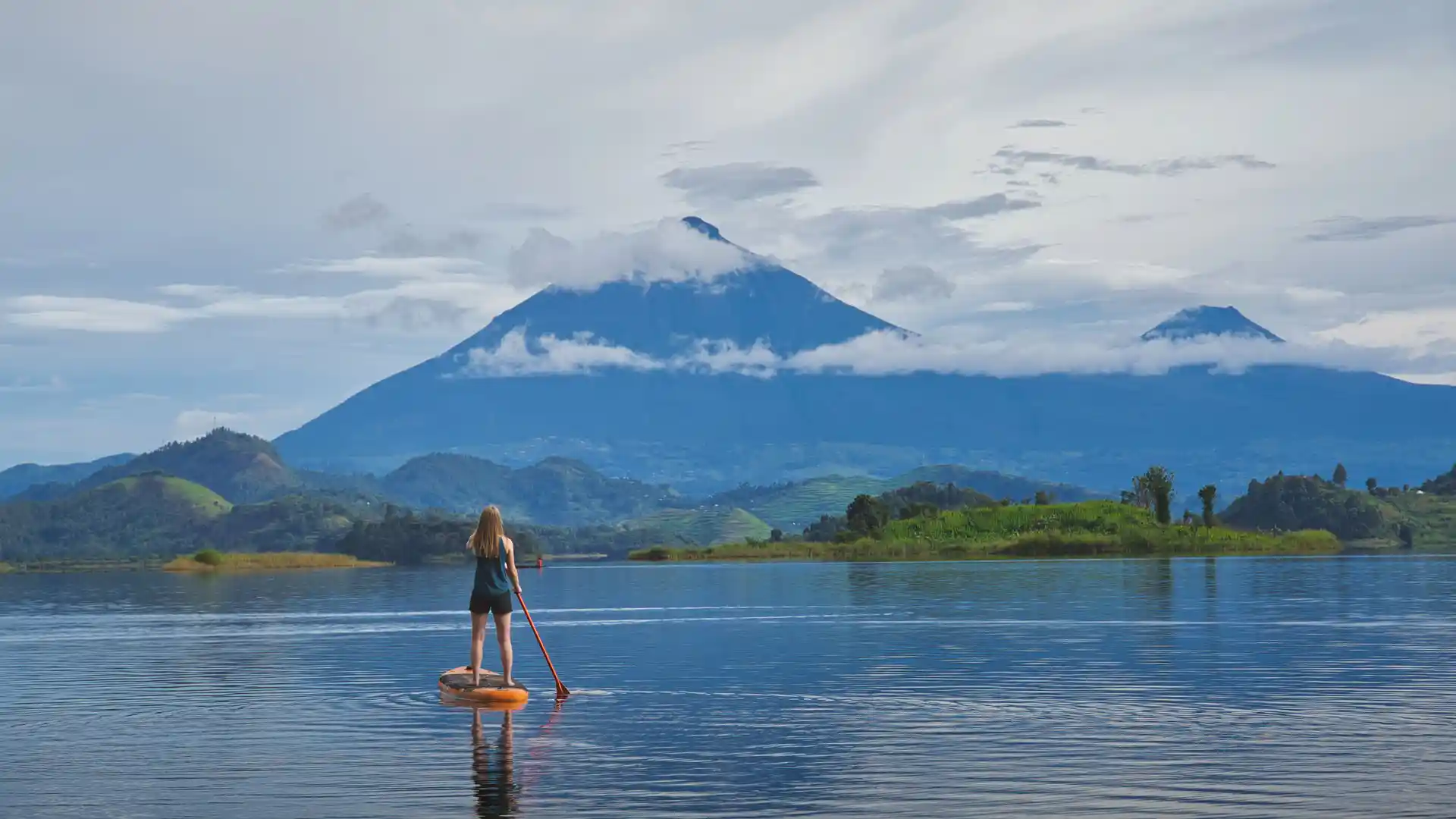
There is much more to do around Bwindi than gorilla trekking alone. The surrounding region is rich in lakes, culture, wildlife, and scenic landscapes, offering great options before or after your trek. You can enjoy canoeing or boat trips on Lake Mutanda and Lake Bunyonyi, two of the most beautiful lakes in Africa. Both are calm, scenic, and perfect for a relaxing day on the water.

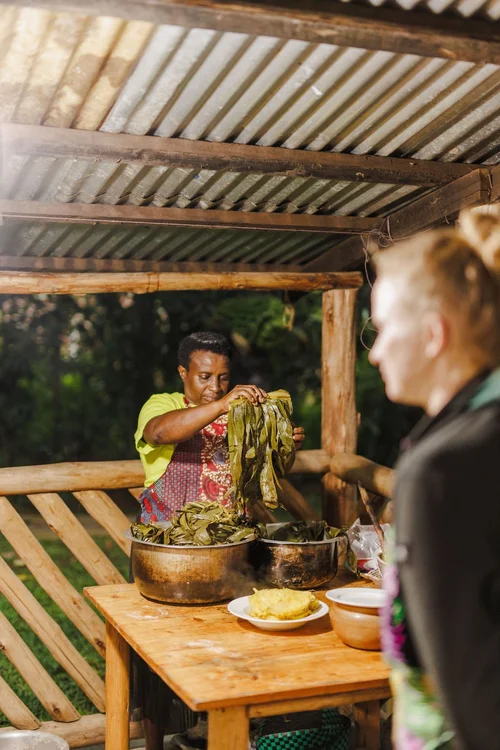
Cultural experiences are also a highlight. You can visit local communities and take part in Batwa cultural experiences, cooking activities, and village walks. These give insight into traditional life and forest history in the region.

For travelers interested in conservation, there are visits to organizations such as Gorilla Doctors and Conservation Through Public Health, where you can learn more about gorilla protection and wildlife conservation efforts in the area.

The region is also ideal for nature activities. You can go on guided forest walks, birdwatching tours, and short hikes through the hills surrounding Bwindi.

For more active travelers, there is the option of climbing nearby volcanoes or combining your visit with golden monkey tracking in Mgahinga Gorilla National Park, which lies not far from Bwindi and offers a completely different primate experience.

Together, these activities make Bwindi not just a gorilla destination, but a full nature and culture experience.

Bwindi 2.avif

Best lodges in Bwindi National Park

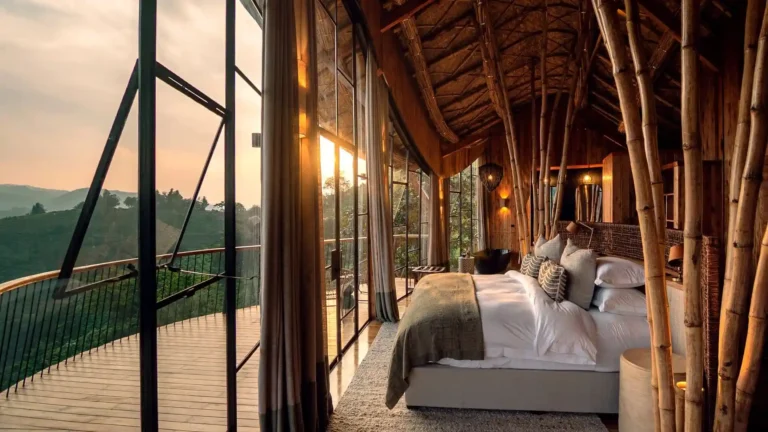
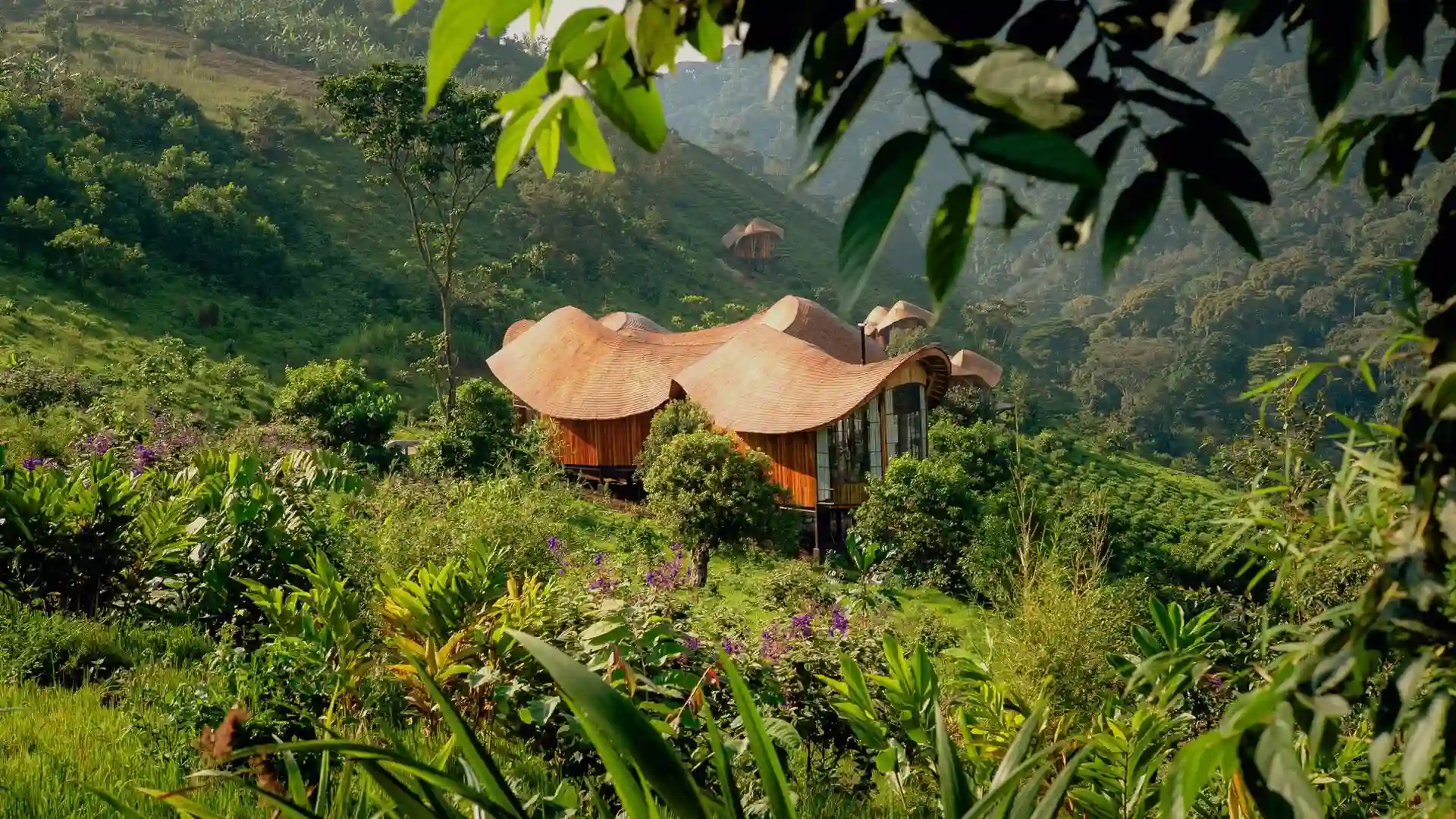
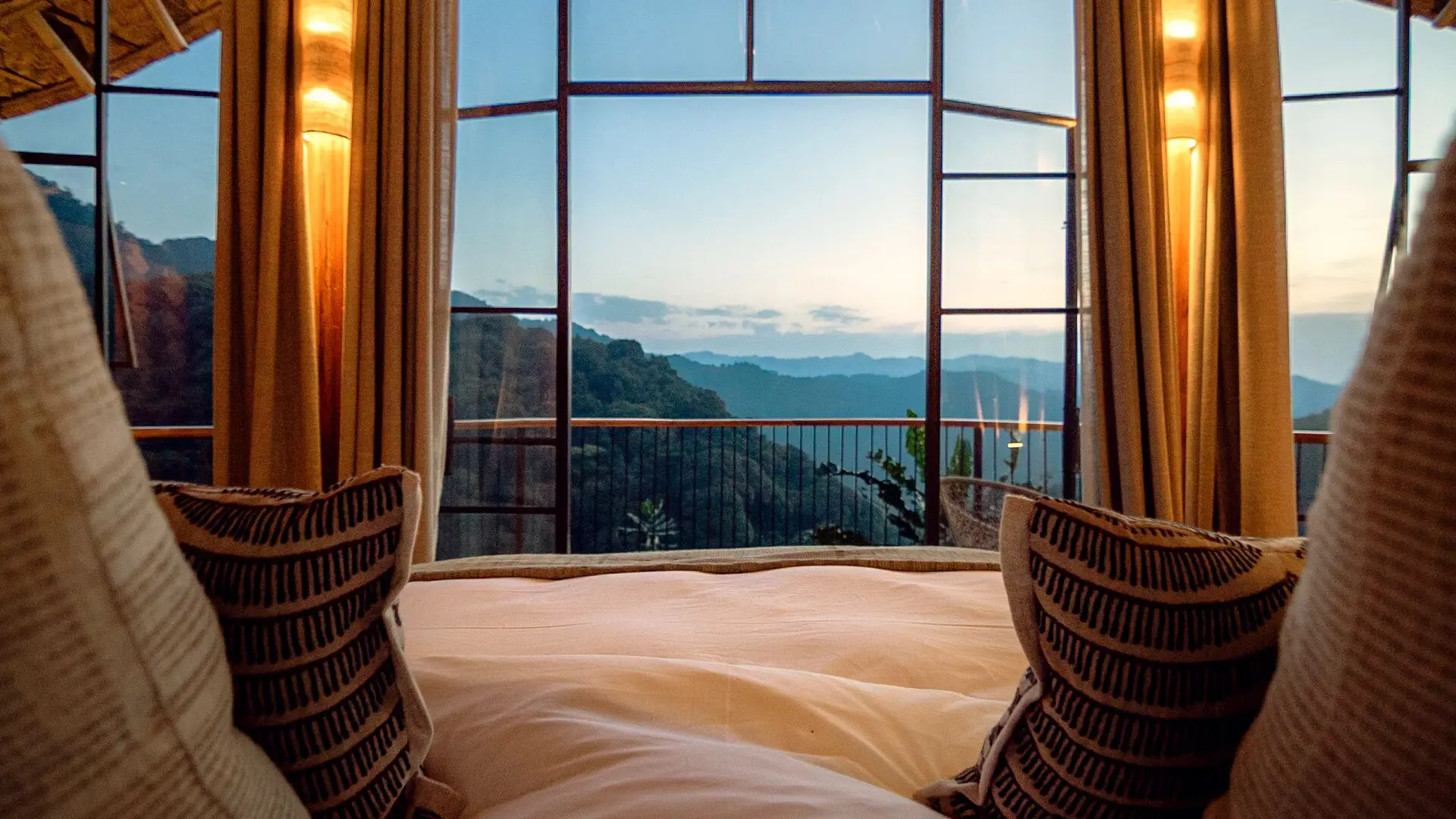
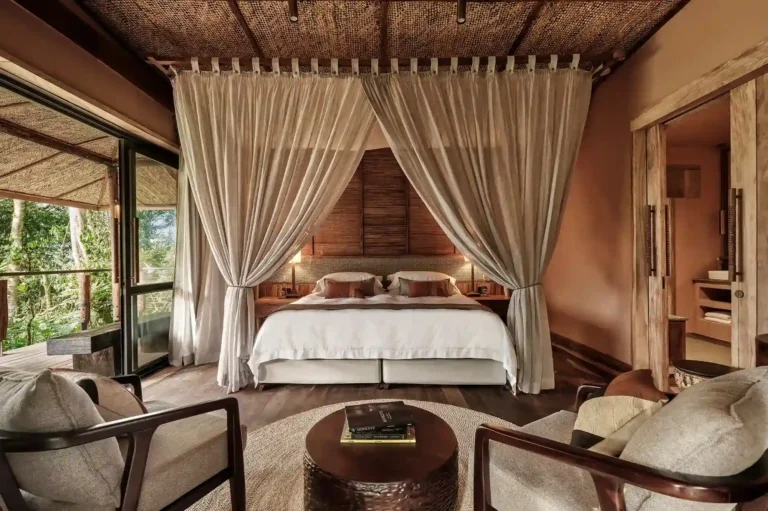
There are so many places to stay at Bwindi Impenetrable National Park. Options include Buhoma Lodge and Mahogany Springs LodgeOther options include Nkuringo Gorilla Lodge, which has an elevated view of the forested valleys and nearby hills, ideal if your trekking permit lands you in the southern part of Bwindi and Gorilla Safari LodgeHigh-end lodges are expanding in the coming years, including the rebuilt A&K Sanctuary Gorilla Forest Lodge, Clouds Mountain Gorilla Lodge, Volcanoes Bwindi Lodge and Asilia Erebero Hills.

Bwindi Guides & Blogs

Share

Bwindi Impenetrable Forest