Kibale Forest National Park

Kibale Forest National Park

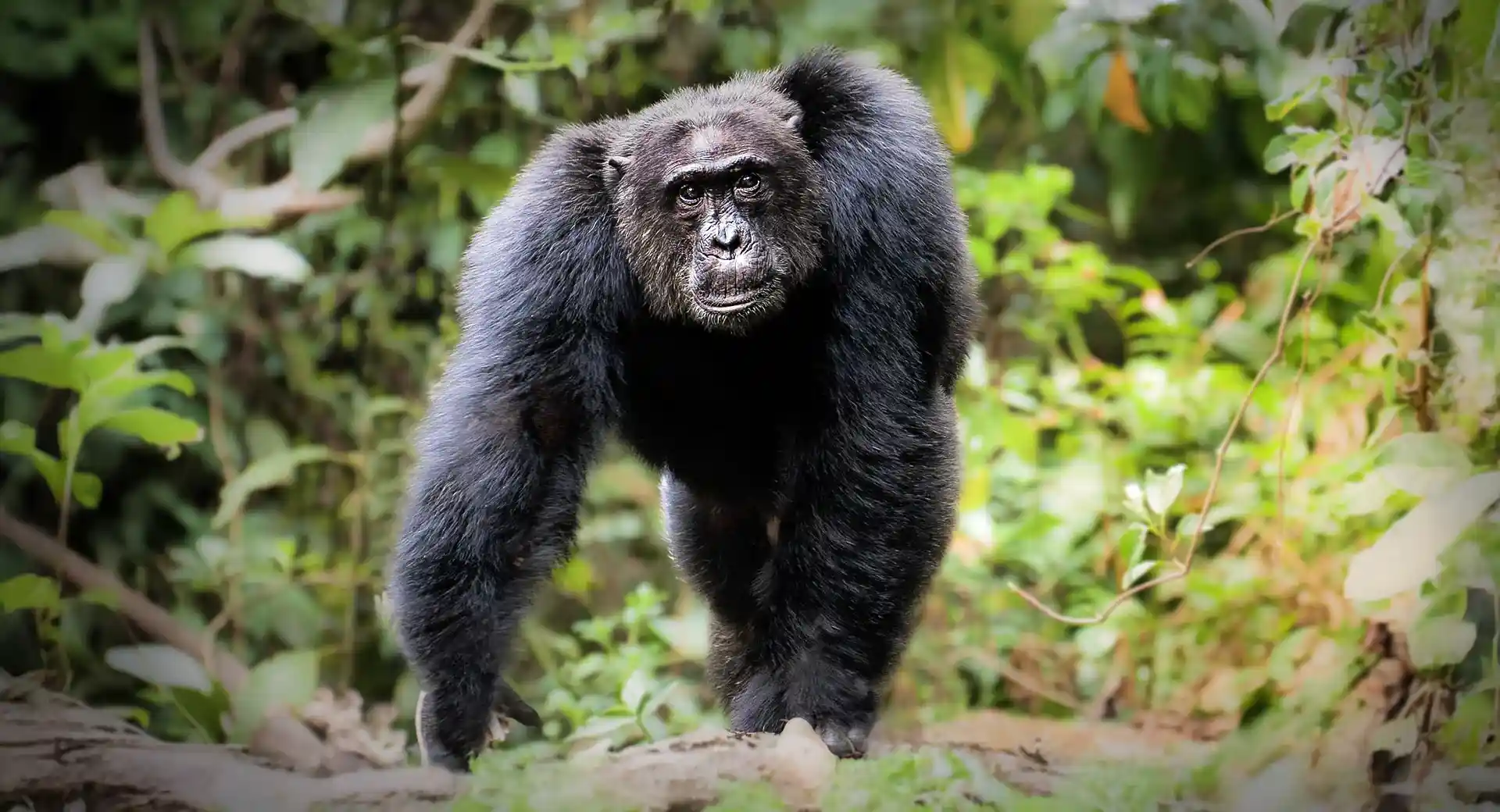
Most people visit Kibale National Park for chimpanzee trekking – a unique experience that stays with you forever. Kibale is home to over 1,500 wild chimpanzees. It is the best place in Africa to walk through the jungle and see these intelligent primates in their natural habitat. But Kibale Forest National Park has more to offer. The landscape is lush and green. You can enjoy beautiful hikes and learn about nature. You can also go birdwatching. Around the park, there are many cultural activities too.

One of the greenest National parks in Uganda

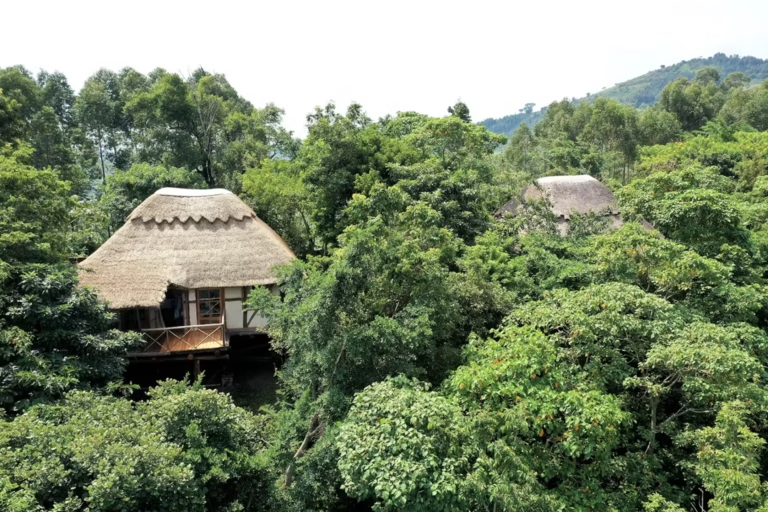
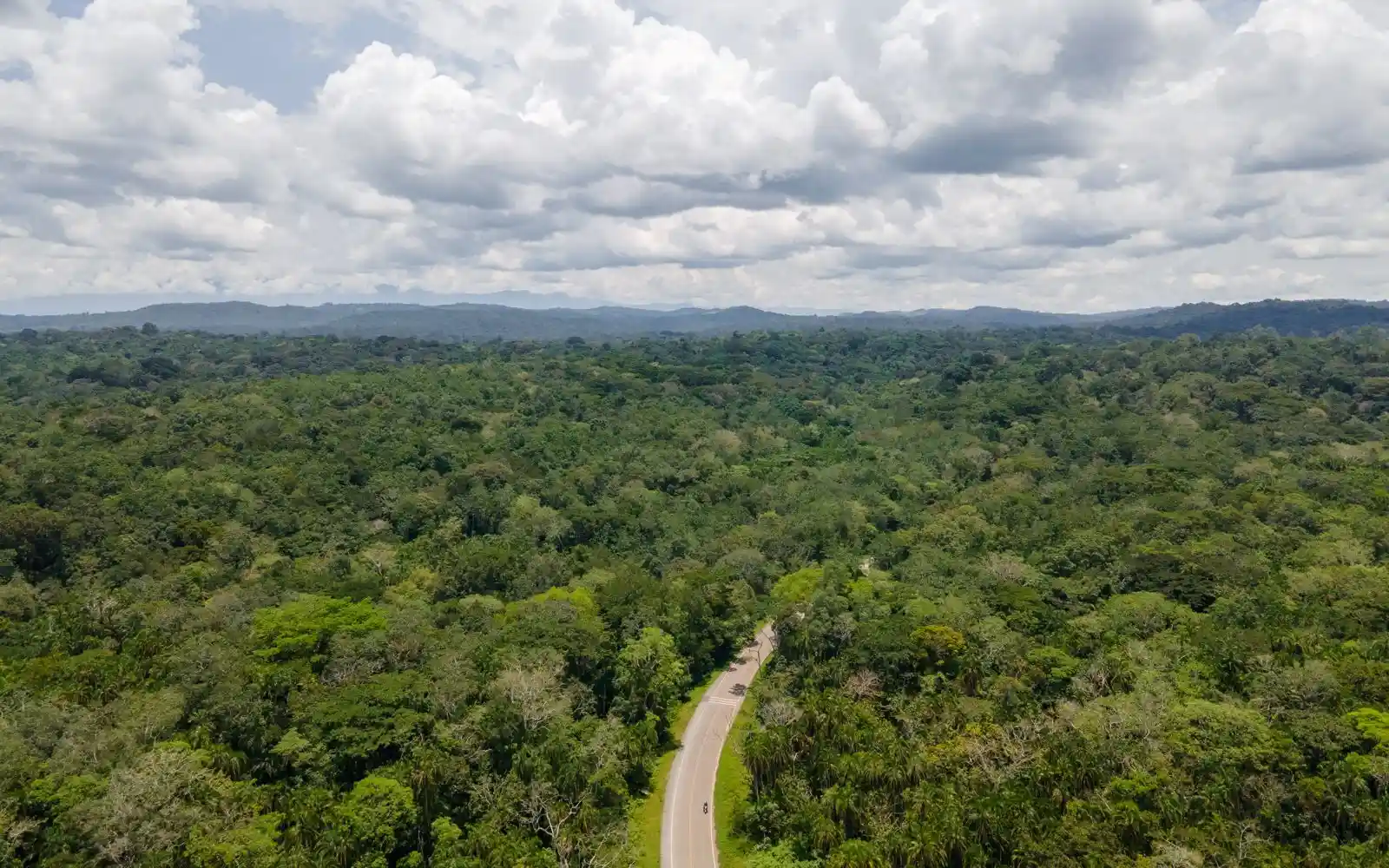
Kibale National Park is a tropical rainforest, a deep, vibrant green jungle. From above, it looks like an endless row of broccoli. The national park is home to many plants, trees, birds, and monkey species. Located in western Uganda about a 5-hour drive (320 km) from Kampala, it covers 776 square kilometers, though it was once even larger. Much of western Uganda used to be forest.  Kibale Forest officially became a national park in 1993 and is now well-protected.

9-day Uganda Safari

Tours Featuring Kibale national park

All can be customized

Kibale National Park is teeming with wildlife

 Kibale National Park is full of life. The park is home to the highest density and diversity of primates in Africa. There are thirteen species of primates, including chimpanzees, red colobus monkeys, blue monkeys, red-tailed monkeys, vervet monkeys, olive baboons, bush babies, pottos, and L’hoest’s monkeys. 

You will also find over 370 species of birds, many reptiles, and fascinating butterflies. Some of the park’s wildlife lives deep in the rainforest and is rarely seen. Forest elephants, for example, are shy. 

Unlike savanna elephants, forest elephants avoid humans. If you are very lucky, one might cross the road while you trek through the park. Kibale is also home to several rare cats, including civets, genets, and golden cats. These are beautiful animals, but very hard to spot in the dense forest.

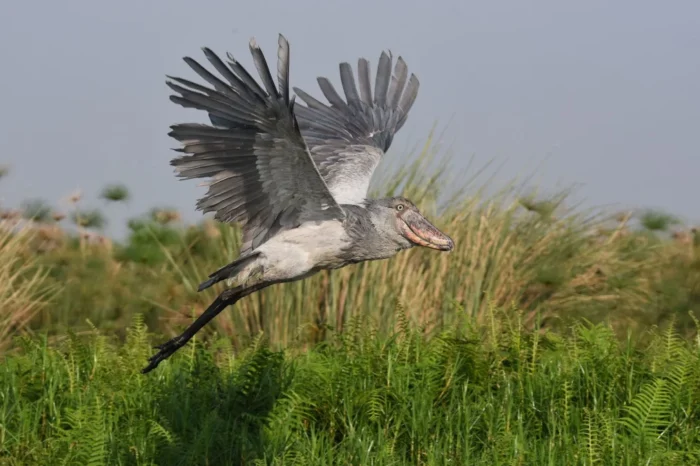
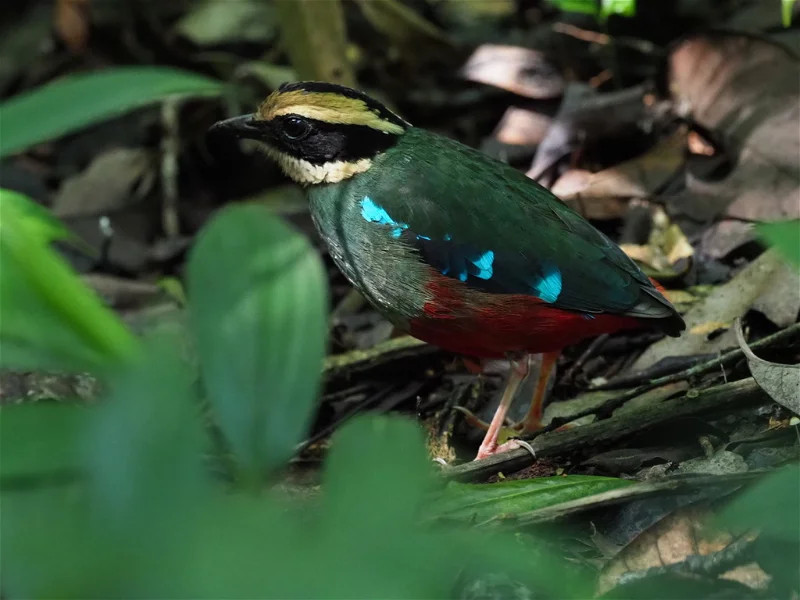
Great Blue Turaco

There is a lot of things to do in Kibale National Park, but also outside

Most visitors come to Kibale Forest for chimpanzee trekking and then move on. We recommend staying a little longer—around two or three days. Kibale is a perfect place to relax and enjoy nature. Beyond chimpanzee trekking, there are many other activities. You can explore the park itself or visit the surrounding communities and swamps. From nature walks to cultural experiences, there is something for everyone. Here are some of our favorite activities to enjoy in and around Kibale National Park:

Chimpanzee

Chimpanzee Trekking in Kibale Forest

In savanna parks, you can often go on a game drive by car. In forests like Kibale and Bwindi, that is not possible. Here, everything is done on foot. Walking is the heart of every activity.  This is especially true for chimpanzee trekking, Kibale National Park’s most popular experience. Hiking through the forest to see these amazing primates is an adventure you will never forget.

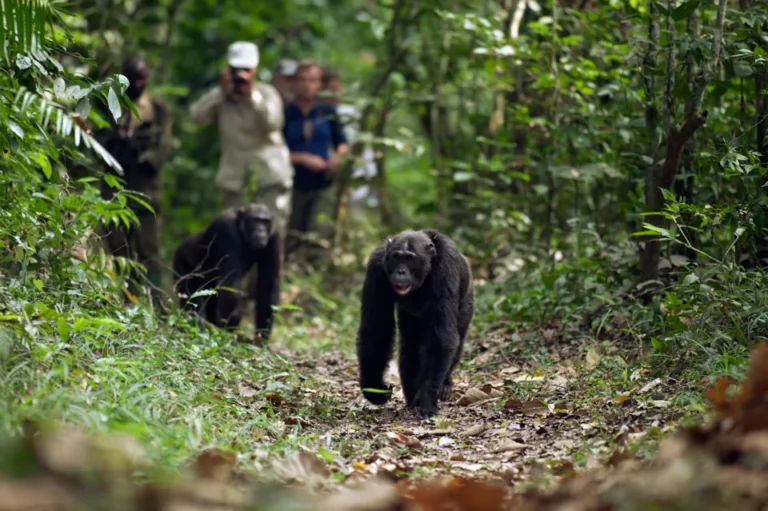
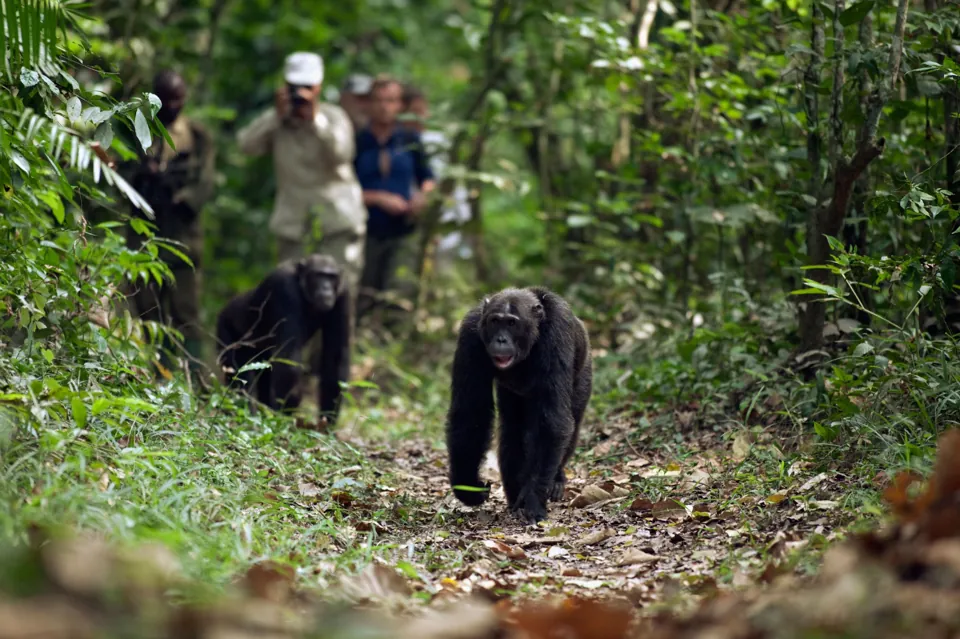
Around 1,500 wild chimpanzees live in Kibale rainforest. Several groups are habituated to human presence. Treks start twice daily from the Kanyanchu Visitor Centre. After a short briefing, small groups of up to six to eight people enter the forest with an experienced ranger guide. The search begins quietly, often guided first by distant calls and screams echoing through the trees.

Chimpanzee Trekking in Uganda

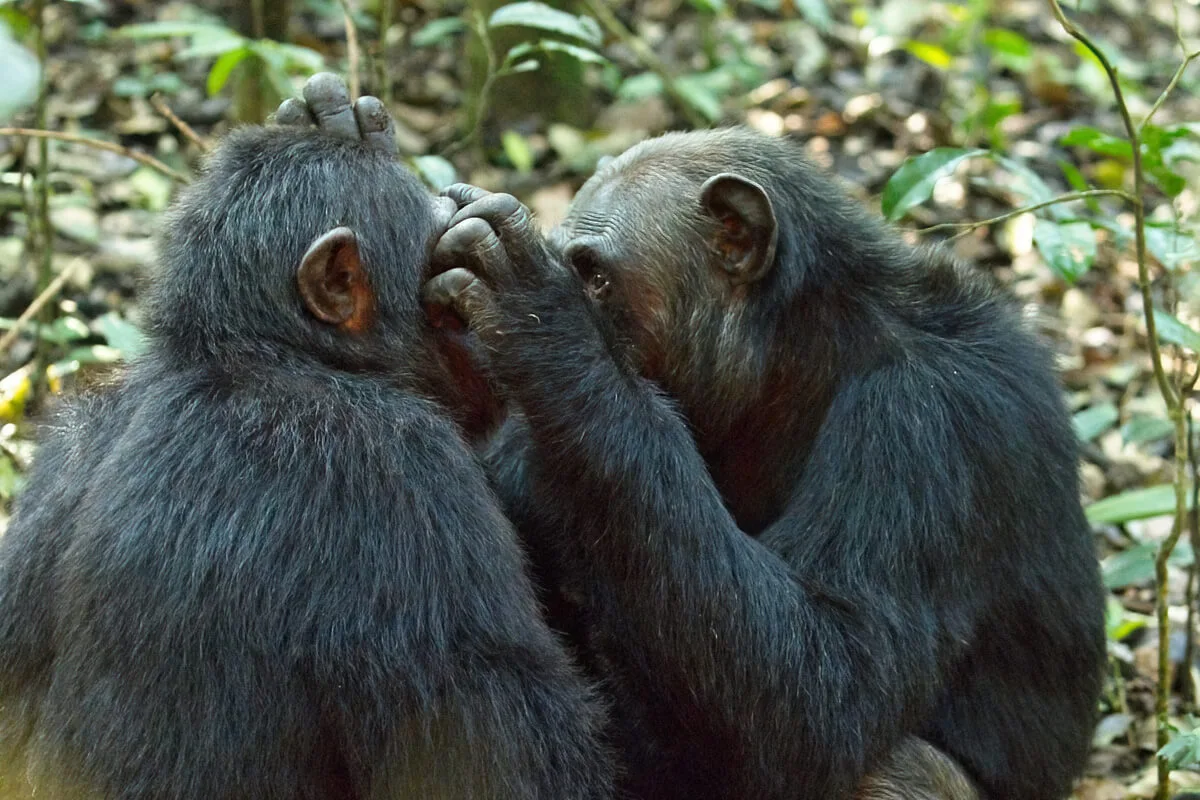
Once the chimpanzees are located, you spend a magical hour with them. You may see them swinging through the canopy, feeding, or grooming each other on the forest floor. They move quickly and unpredictably, so the pace can be fast and sometimes physical as you follow them through thick vegetation. Every encounter feels dynamic and alive. One of the most powerful moments is eye contact. When a chimpanzee looks directly at you, it feels intelligent, aware, and surprisingly emotional. Their social behavior is complex and often feels strikingly human.

For those who want a deeper experience, the Chimpanzee Habituation Experience is also available. Here, you spend a full day with researchers and trackers, following a semi-habituated group for longer periods. It offers a rare and deeper insight into chimpanzee behavior and social life.

Bird watching and nature walk

Kibale National Park is perfect for nature walks. You will see many colorful birds and different monkey species. There are countless trees, shrubs, and insects along the trails. Your ranger will share fascinating facts about everything you encounter. Kibale is also a paradise for birds, making it a top destination for birdwatchers. Do you want to learn more about birdwatching in Uganda?

Birding in Kibale National Park

Community Activities

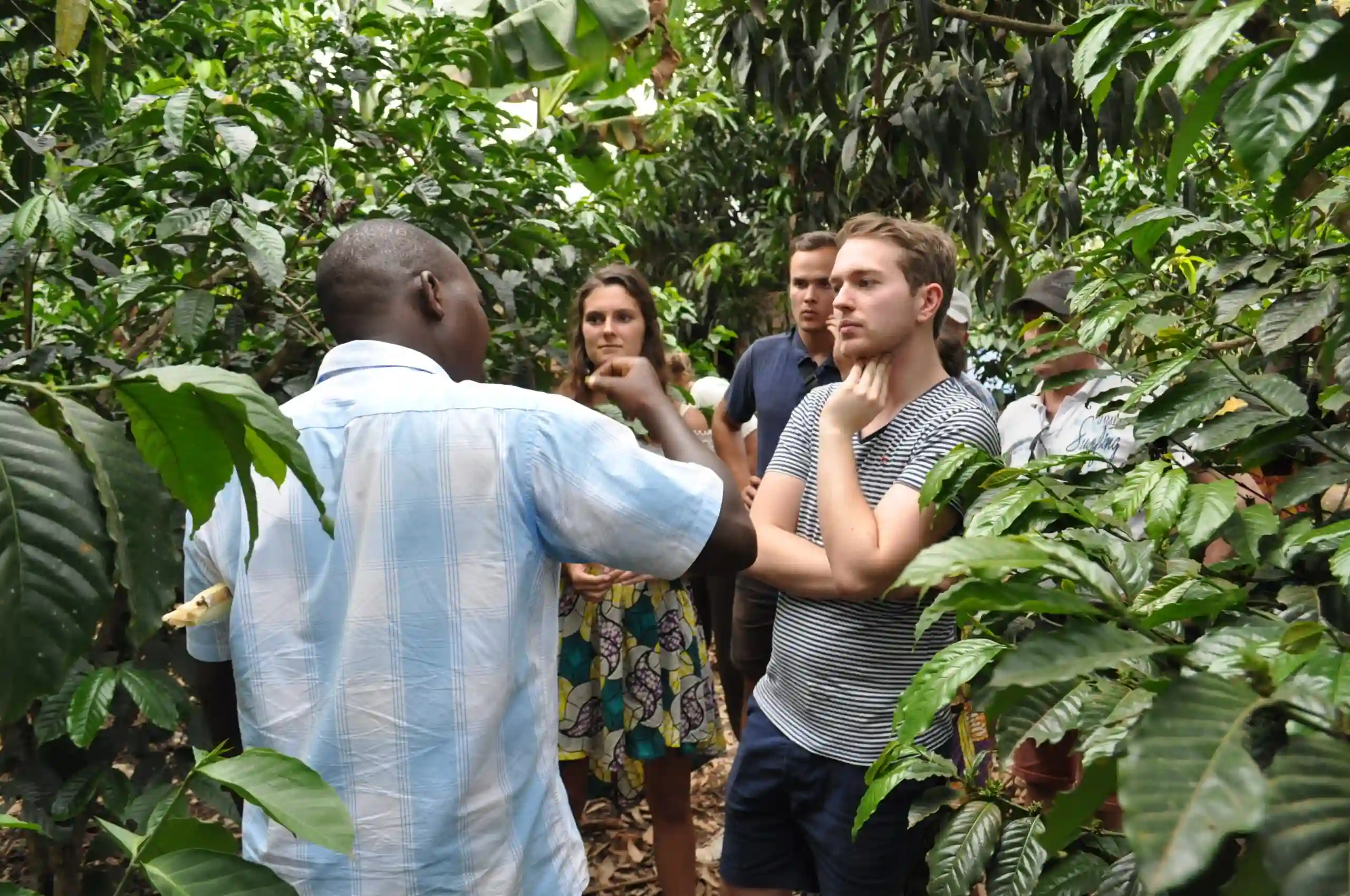
Want to mix nature with culture? Kibale is the perfect place for that. You can visit the communities around the park. With a guide, you can enjoy relaxed and friendly encounters with local people. One option is the Bigodi community walk. There are many other activities too. You can visit a local coffee farmer, meet a traditional healer, or join a cooking workshop. These experiences give a deeper understanding of life around Kibale National Park.

Swamp Walks

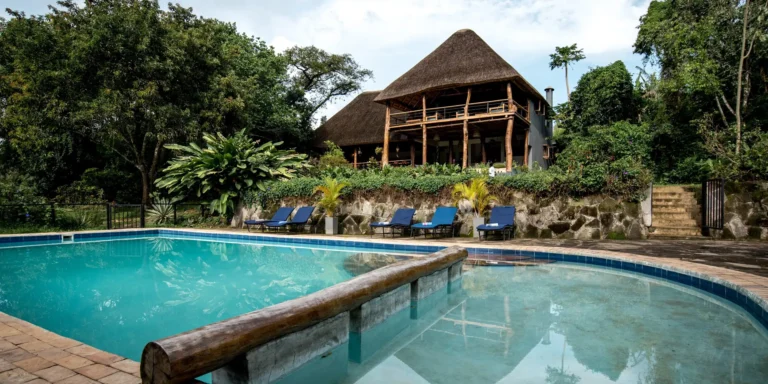
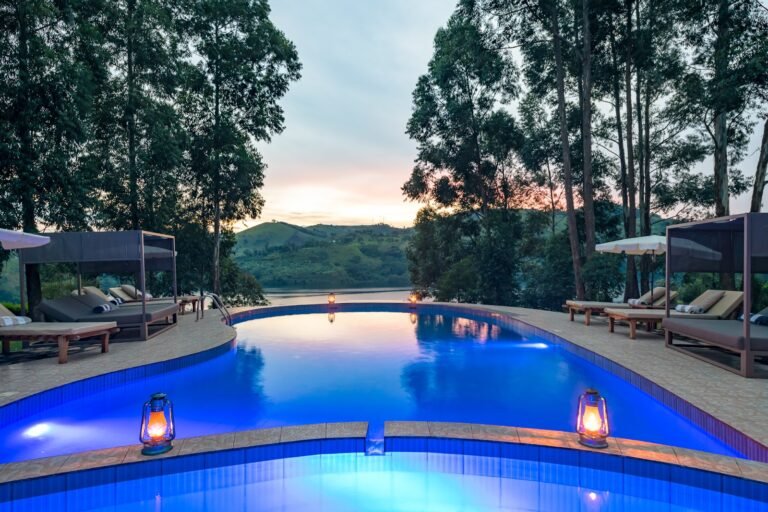
Kibale National Park is also home to beautiful swamps, such as Bigodi Wetland. It is one of the most famous wetlands near the park. Several organizations offer community-based swamp walks. This area is perfect for birdwatchers. Swamps attract birds that are different from those in the dense forest. Even for non-birdwatchers, the swamps are impressive and peaceful. On the north side of the park, there are crater lakes.  You can explore them by mountain bike or simply enjoy the scenery. Or, you can spend a relaxing day at your lodge, soaking in the green surroundings from the pool.

Visit Kibale National Park with Choose Uganda Safaris

Kibale Forest National Park can be combined perfectly with other national parks in Uganda. The continuous corridor with Queen Elizabeth National Park offers additional safari opportunities. For the complete experience, you can also combine it with Bwindi Impenetrable Forest National Park for gorilla trekking.

For true nature lovers, Kibale National Park is a must-see. Curious about the possibilities? Request a free travel proposal. Our travel specialists will be happy to help you plan your unforgettable primate safari. Do you have any questions? Contact us to discuss your dream trip.

Frequently asked questions

About Kibale National Park

A tour of Kibale National Park is a unique experience. It is an adventure where you trek through a rainforest. You hike across a dense jungle on narrow footpaths, following a ranger guide. We can imagine you have many questions about this. We have answered the most important ones below. If your question is not listed, feel free to contact us.

Kibale National Park is located in western Uganda. The main chimpanzee trekking area at Kanyanchu is about 33km (20mi) southeast of Fort Portal. The drive takes around 40 minutes on a good surfaced road. From Kampala, the park is about 330km (205mi) away. The journey takes at about 5 to 6 hours by road, depending on traffic and road conditions.

Kibale National Park is rarely visited on its own. It is usually combined with other top destinations in western Uganda, such as Queen Elizabeth National Park, Bwindi Impenetrable National Park, and Murchison Falls National Park.

This makes it a perfect stop on a longer Uganda safari circuit, especially for travelers interested in chimpanzee trekking, gorilla trekking and savannah wildlife experiences.

Kibale National Park can be visited for chimpanzee trekking throughout the year. However, the best conditions are during the drier months of January to February and June to July. During this time, the forest trails are easier to walk on, and trekking is generally more comfortable. May and December can also offer good conditions, with relatively manageable rainfall and rewarding chimpanzee sightings.

The dry seasons are especially popular because chimps are often easier to track. In January and February, they tend to gather around fruiting trees, which can improve viewing opportunities. The clearer conditions also make it easier to observe birds and other primates moving through the forest canopy. However, June and July fall within a higher tourism period, so the park can feel busier.

The wetter months, from March to May and October to November, are quieter and more atmospheric. This is an excellent time for birdwatching, and the forest is at its greenest and most dramatic. The downside is that heavy rain can make trails slippery and trekking more challenging. Still, chimpanzee sightings remain good year-round, making Kibale a rewarding destination in any season.

Kibale National Park is one of the richest primate destinations in Africa.

After chimpanzee tracking, you can still encounter up to 12 other primate species in the same forest. This level of diversity is rare anywhere on the continent.

Common species include the black-and-white colobus monkey and the red colobus, known for its striking reddish coat. You may also see blue monkeys, vervet (green) monkeys, and grey-cheeked mangabeys. Another highlight is L’Hoest’s monkey, easily recognized by its white beard and dark body.

At night, the forest becomes even more active. During special night walks, you may spot nocturnal primates such as bushbabies (galagos) and pottos. With a flashlight, you can watch them moving through the trees as the forest comes alive after dark.

For photographers and nature lovers, this makes Kibale incredibly rewarding. Every species behaves differently, offering constant variety and unique moments throughout the experience.

Most visitors come to Kibale National Park mainly for chimpanzee trekking and then continue to the next destination. However, we recommend staying for at least two to three days.

This gives you time to enjoy the chimpanzee trek without rushing. It also allows you to experience the park more fully and at a relaxed pace. Beyond chimpanzee trekking, there are other rewarding activities in and around the forest. You can take guided nature walks, explore the swamp areas, or visit nearby communities for cultural experiences. A slightly longer stay makes Kibale feel less like a quick stop and more like a meaningful part of your Uganda safari.

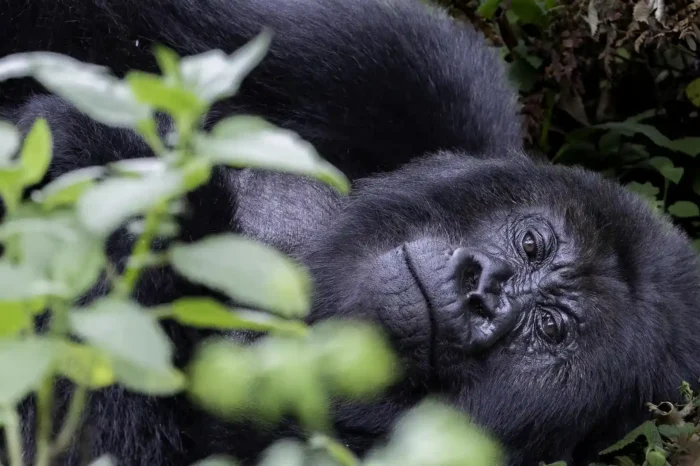
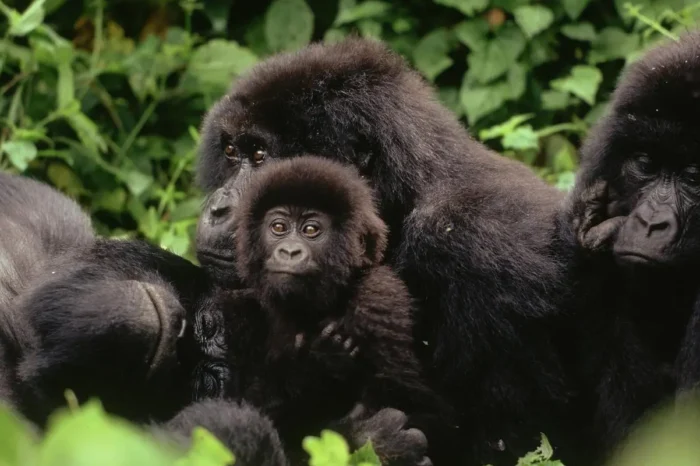
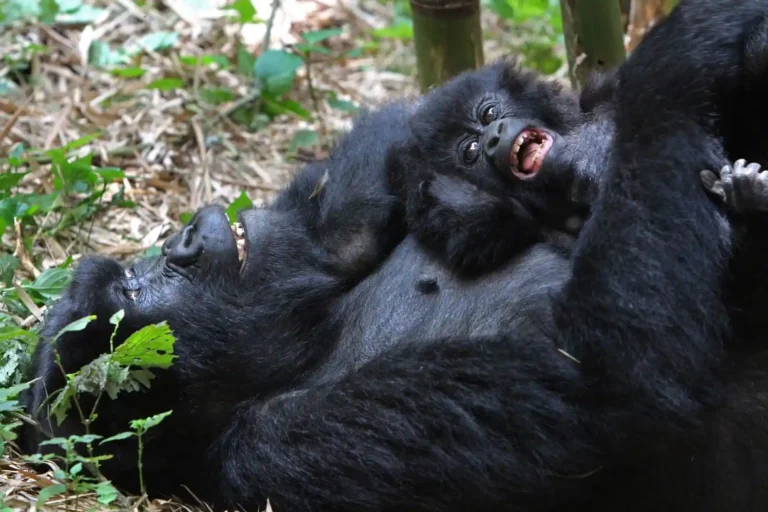
Chimp trekking and gorilla trekking are more different than you might think. Gorillas usually stay on the ground and don’t climb trees much, so they are easier to find, and you’re almost guaranteed a good view. 

Chimps, on the other hand, are always on the move. They run along the forest floor and swing through the trees, which can make them harder to spot. The good news? Even on a tricky chimp trek, you usually get at least one amazing close-up view of them on the forest floor. 

Plus, chimp trekking is much cheaper than gorilla trekking, and the forest trails are easier to walk than the steep, high-altitude paths where Uganda’s gorillas live.

The minimum age for chimpanzee trekking in Kibale National Park is 12 years.

Kibale National Park is widely considered the best place in Uganda to see chimps. 

It has the highest success rate of any chimp trekking destination in the country. The chimps here have been used to visitors since the 1990s, so they are very relaxed around people. 

This often allows you to enjoy long, close-up encounters watching them groom and interact. There are a couple of downsides: trekking in Kibale is relatively expensive, and it can get crowded when several tour groups are in the forest at the same time.

If you’re looking for cheaper options, Kyambura Gorge in Queen Elizabeth National Park is the most affordable. Nearby, Kalinzu Forest Reserve offers mid-priced treks with fewer visitors, run by the local community. 

Budongo Forest, on the way to Murchison Falls National Park, is another quieter, off-the-beaten-track option. All three—Kyambura, Kalinzu, and Budongo—have a good chance of seeing chimps, though sightings aren’t quite as guaranteed as in Kibale National Park.

Chimp trekking usually means being on your feet for about 2 to 4 hours. 

You’ll spend time searching for the chimps and then following them, so you need to be fit enough to walk for that long without getting too tired. If you’re not used to this, a little light training before your trip is a good idea.

The good news is that Kibale is fairly flat, and most of the paths are clear and easy to walk. Some treks end up being shorter or easier, depending on how quickly the chimps are found. 

But the fitter and more agile you are, the easier it will be if you end up following the chimps into thicker forest or tricky undergrowth.

Chimp trekking in Kibale National Park is generally very safe. 

Visitors have never been seriously injured by chimps. That said, chimps are as big as humans but much stronger, so it’s important to always follow your guide’s instructions. Children under 12 are not allowed to go on chimp treks because they are more vulnerable.

For safety and comfort, wear good walking or hiking shoes, a long-sleeved shirt, and long trousers. Tucking your trousers into your socks helps protect against safari ants (they don’t carry disease but their bite stings) and other insects. Neutral colors like khaki, green, or gray are best so you blend into the forest. 

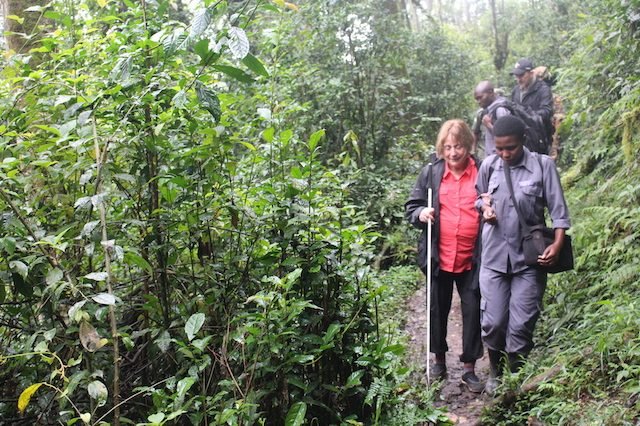
A walking stick can also be handy for tricky spots on the trail.

The basic chimp trekking fee in Kibale is US$250, set by the Uganda Wildlife Authority. During the low season months of April, May and November, the price is reduced to USD 200. Starting January 2027, the price of the chimpanzee trekking permit will USD 300.

This covers your entrance to the park and the services of a guide. 

If you get to the trailhead at Kanyanchu on your own, that’s all you need to pay. If you book a stand-alone 3- or 4-day chimp trekking package from Kampala or Entebbe, prices usually range from US$900 to over US$2,000 per person, depending mostly on the type of accommodation.

Most visitors include Kibale as part of a longer tour that also visits other parks in western Uganda, like Bwindi Impenetrable, Queen Elizabeth, and Murchison Falls. For these tours, the cost usually works out to around US$250–300 per person per day, depending on the itinerary and the standard of accommodation.

Chimp sightings in Kibale National Park are not guaranteed, but your chances are very good—probably over 90%.  Chimpanzees are more active and move around a lot, which makes them harder to spot than gorillas. 

If you want to increase your chances, you could book two treks in one day (morning and afternoon) or visit two different chimp trekking locations in Uganda.

Best lodges at Kibale Forest National Park

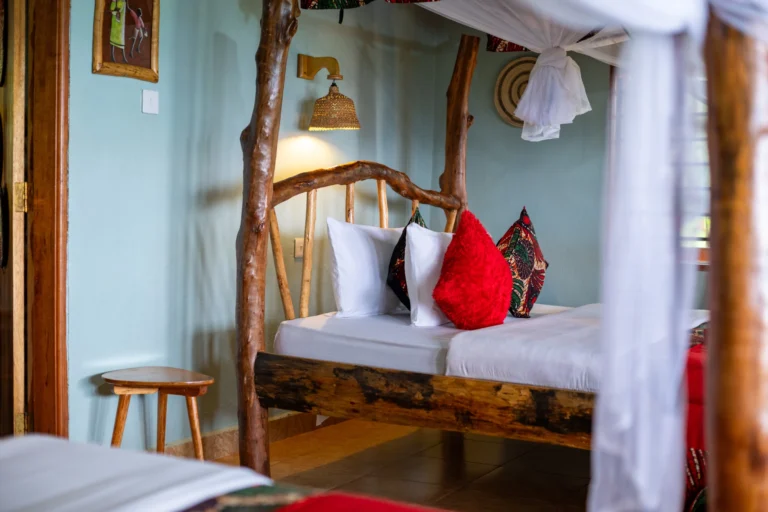
There are so many places to stay at Kibale National Park. Options include Primate Lodge and Crater Safari LodgeOther options include Kibale Forest Camp, a comfortable budget friendly accommodation option that is located inside the forest and Turaco Treetops. The only high-end/exclusive lodge is Kibale Lodge.

Share

Kibale Forest National Park