Queen Elizabeth National Park

Queen Elizabeth National Park

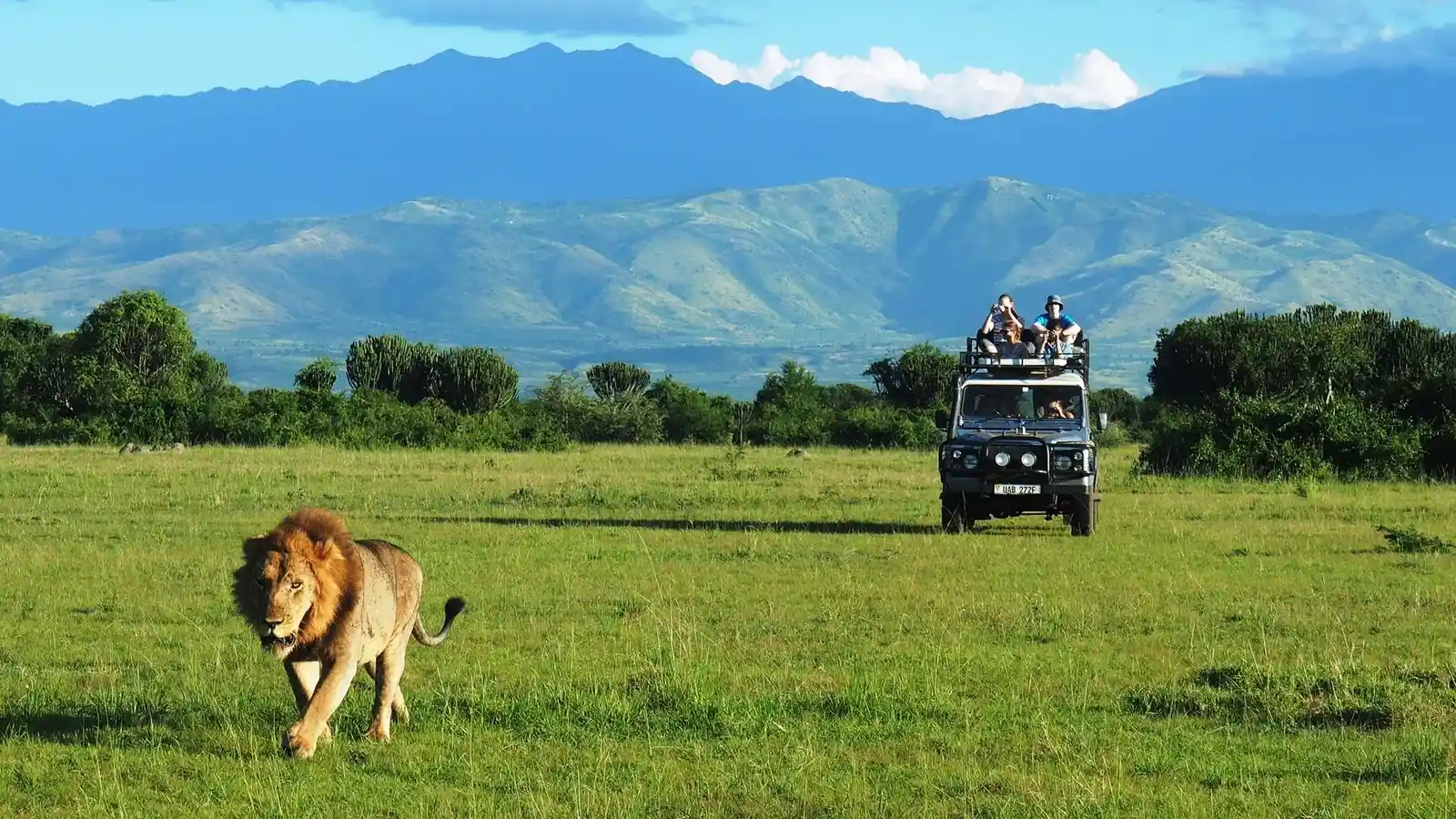
Queen Elizabeth National Park is one of the most famous national parks in Uganda. You will find a multitude of wildlife there, from rare tree-climbing lions and giant forest hogs to warthogs, elephants, hippos, crocodiles, leopards, buffaloes, flamingoes, and chimpanzees. In addition, the landscape is incredibly diverse. One moment you are driving through classic savannah grasslands, the next you are standing 100 meters deep in a gorge containing a tropical rainforest jungle.

Queen Elizabeth National Park

A Diverse and surprising landscape

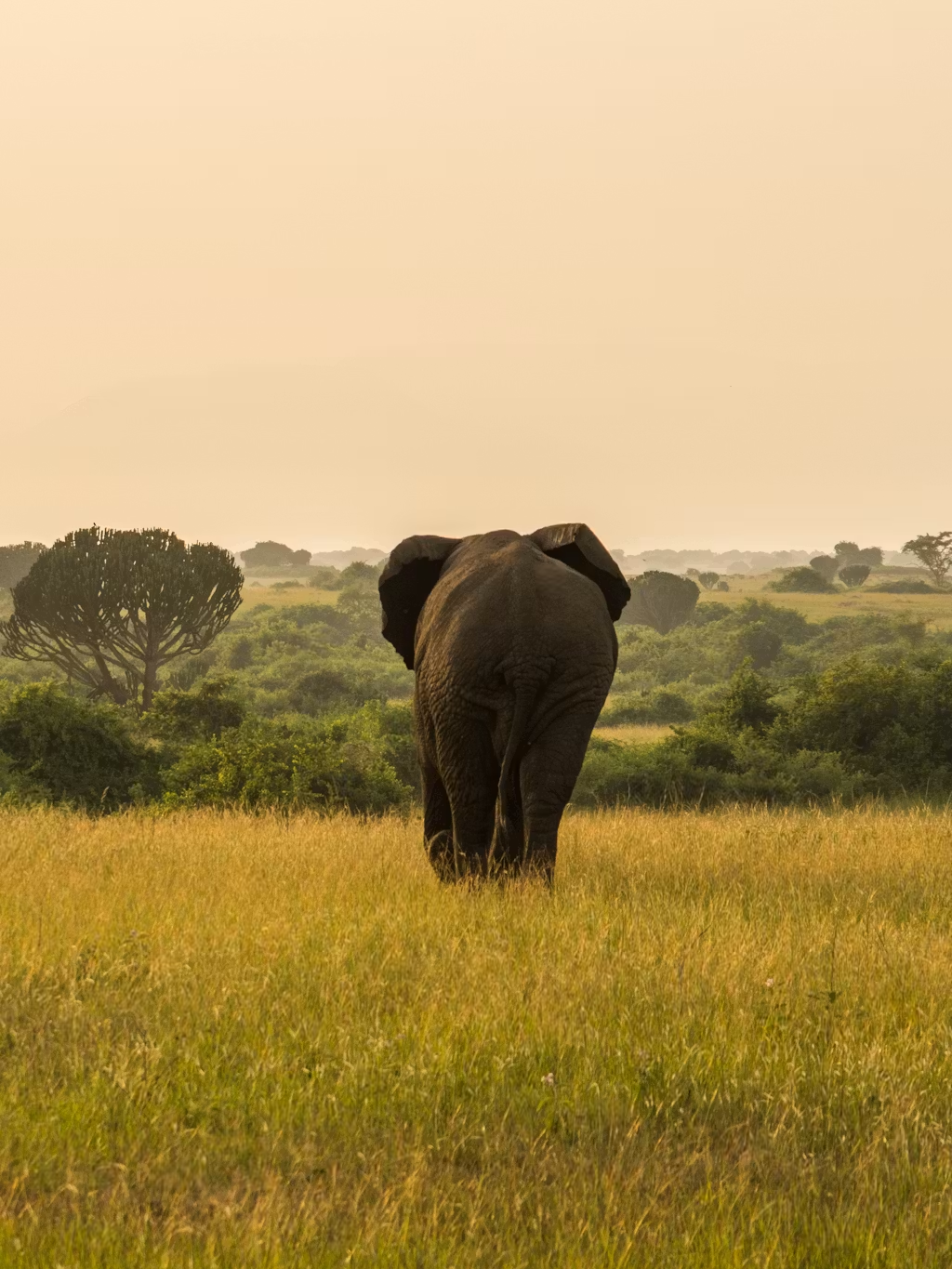
At its core, Queen Elizabeth National Game Park features a classic savannah landscape. You can see for miles. You see grassy savannah dotted with acacia trees. 

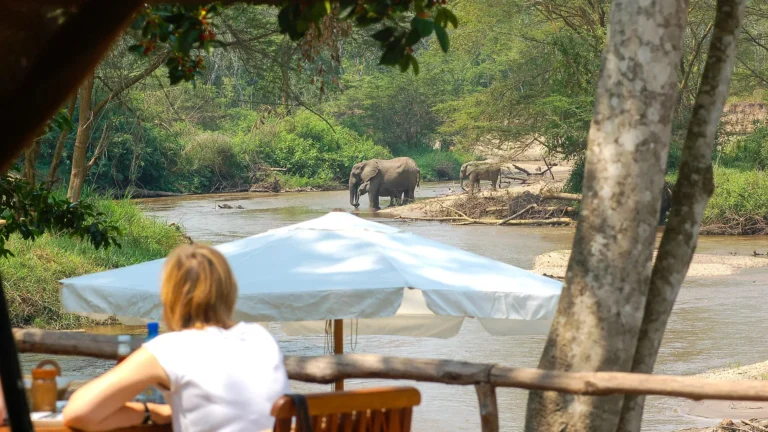
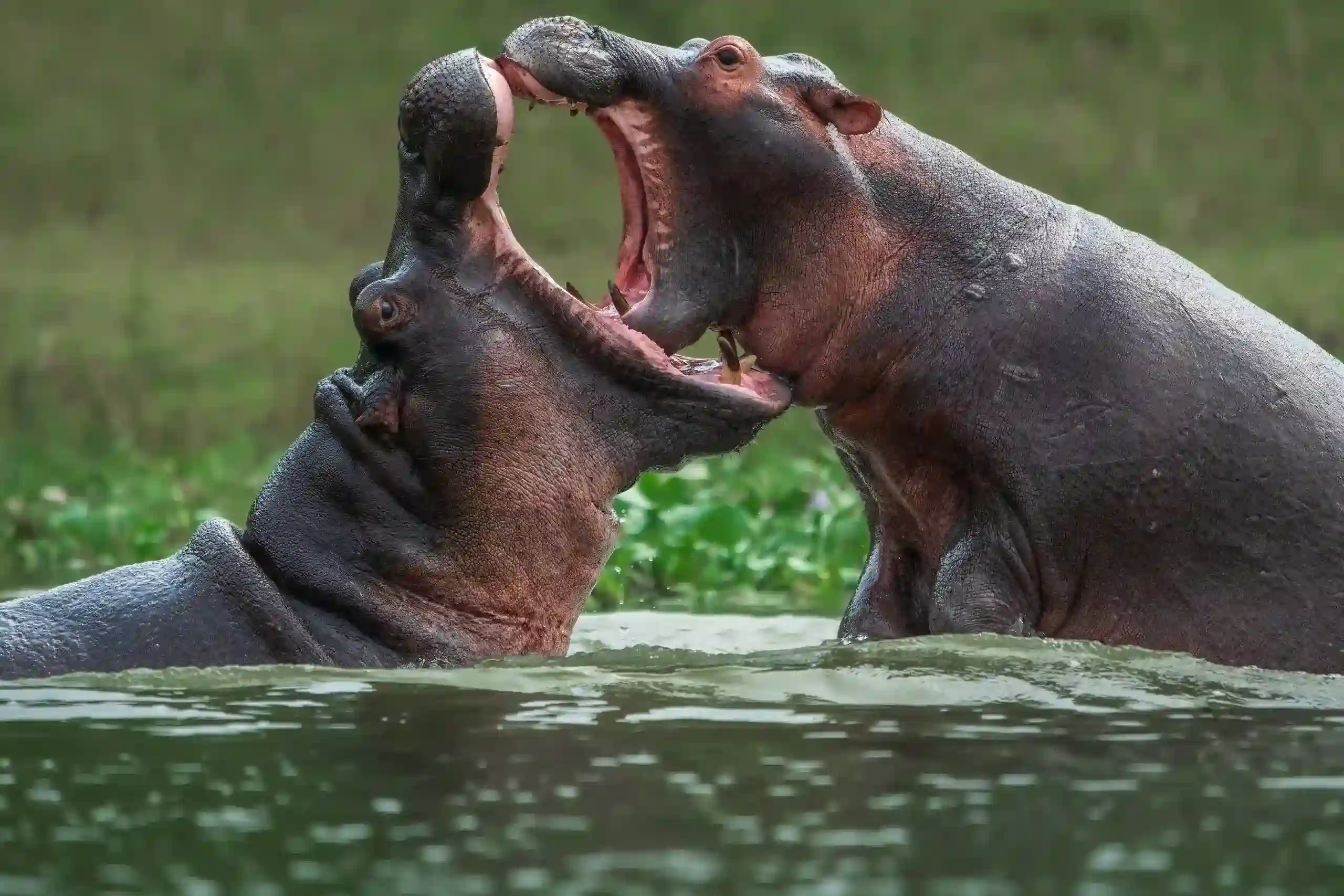
There is plenty of water bodies in Queen Elizabeth National Park. The Kazinga Channel runs right through the national park – this channel connects Lake Edward and Lake George. You can spot all kinds of animals along the channel; hippos, crocodiles, elephants, buffalo, and countless water birds.

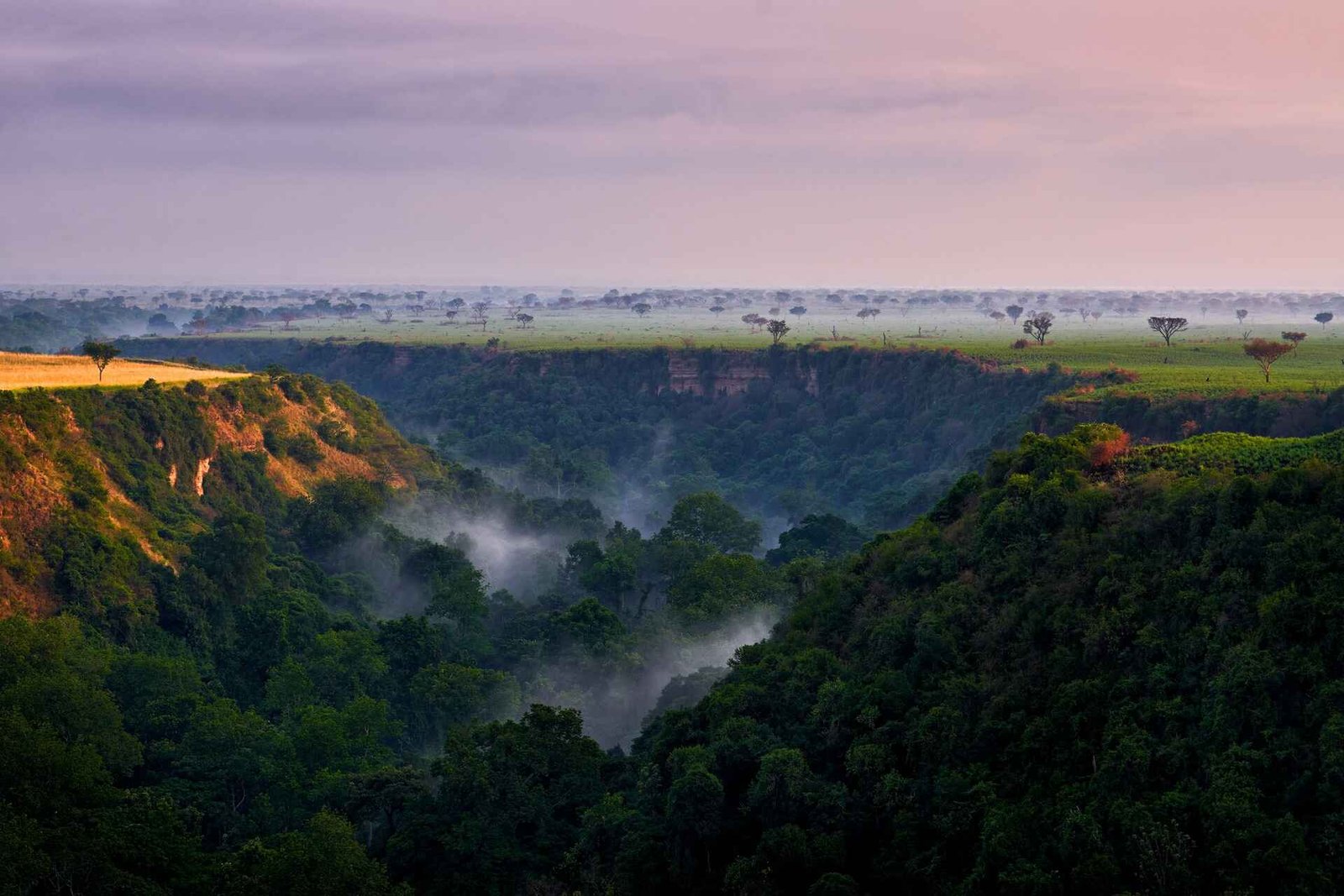
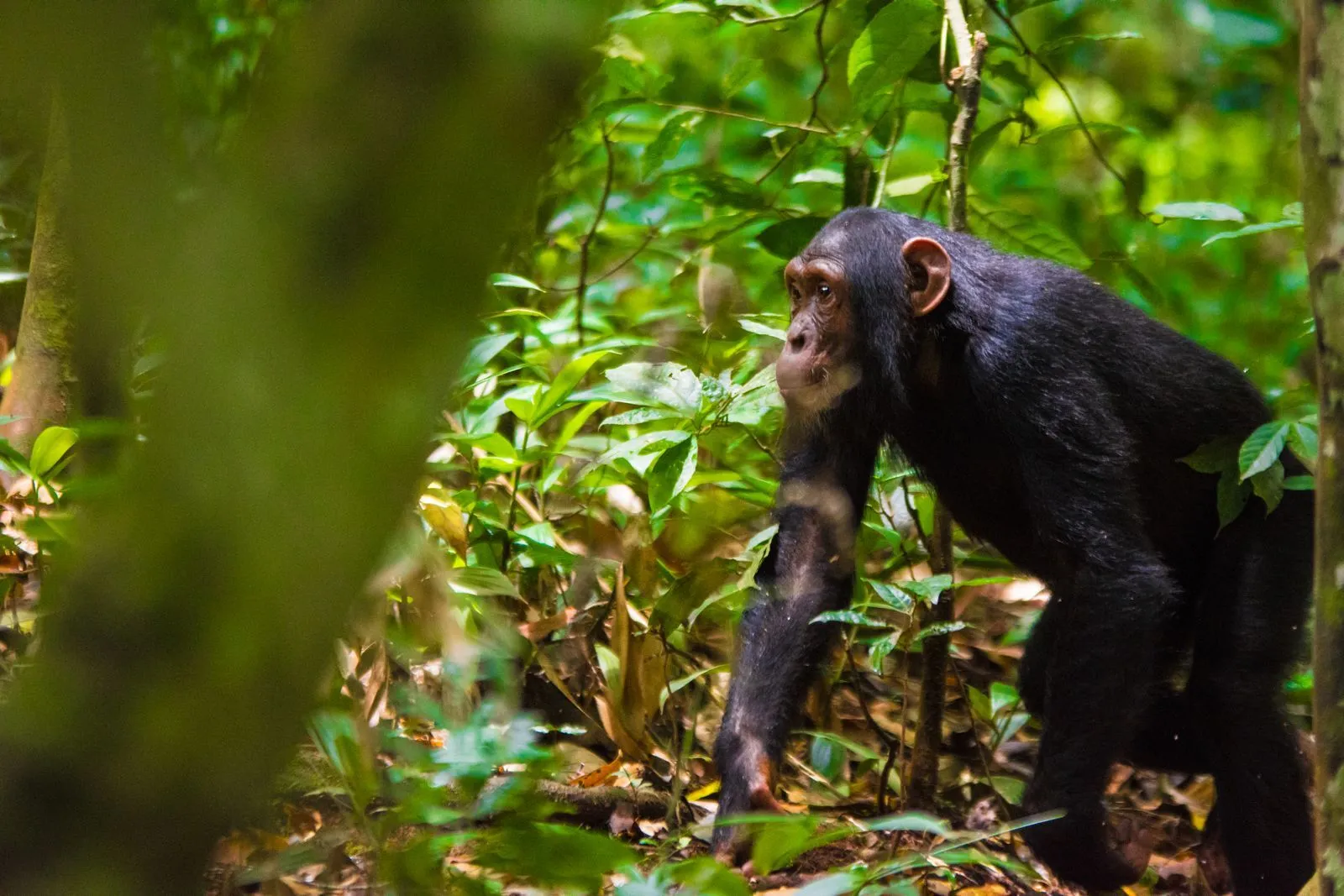
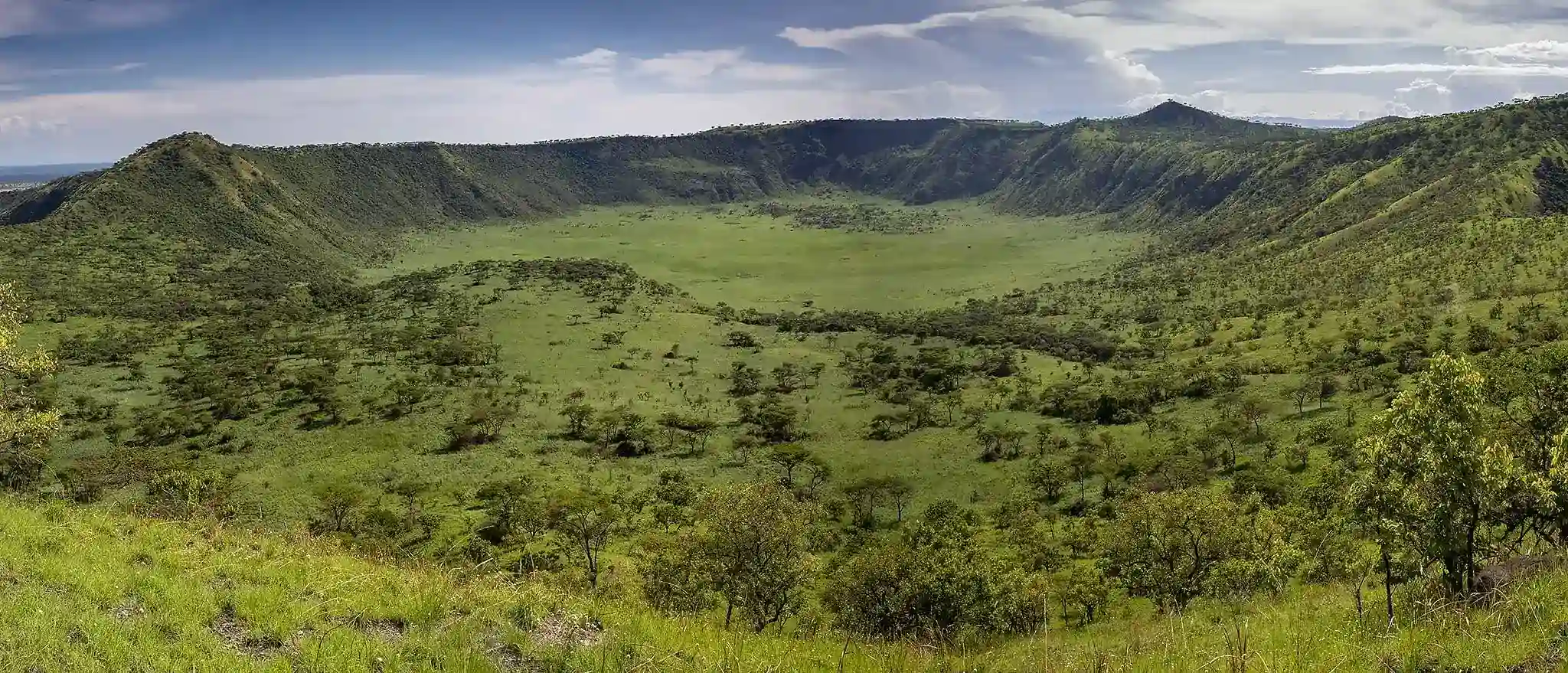
In addition, there are several crater lakes in Queen Elizabeth National Park. You will find slightly less wildlife there, but it is still beautiful to see. One of the most special places in the park is the Kyambura Gorge – a crack of about 100 meters in the Earth’s crust containing a tropical rainforest jungle. You can hike through it. Before entering the gorge, you are still on the savannah. You descend and suddenly find yourself in a tropical rainforest. You see hippos floating in the river, and you can go on a trek to see chimpanzees.

Kyambura Gorge

A UNESCO Man and Biosphere Reserve

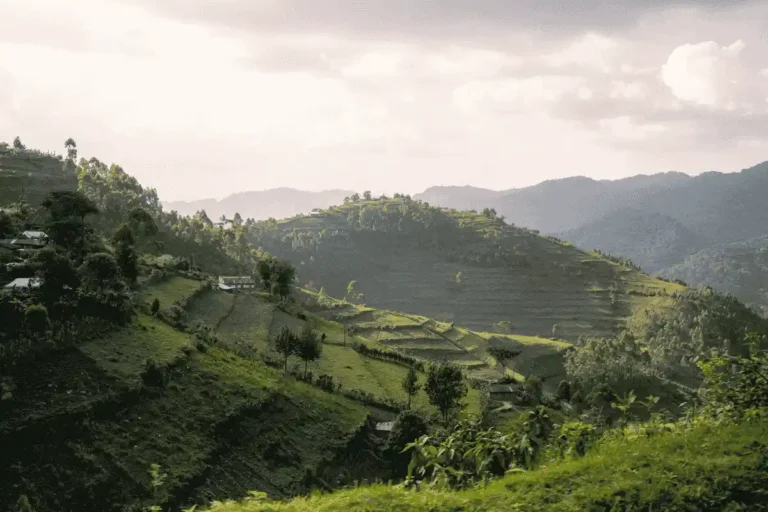
Unlike many African parks and reserve where human settlements are banned, this park is a UNESCO Man and Biosphere Reserve. When it was established in 1952, the existing villages were allowed to remain. Today, locals still grow coffee, tend small farms, fish, and mine salt from the crater lakes, creating a rare and peaceful balance between community life and conservation.

Tours Featuring Queen Elizabeth national park

All can be customized

Lots of Wild Animals in Queen Elizabeth National park

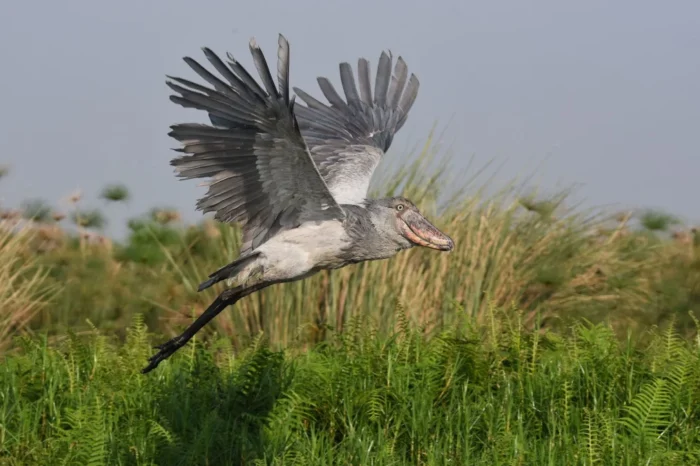
Queen Elizabeth National Park is rich in wildlife. The park is home to more than 95 mammal species and over 610 bird species. 

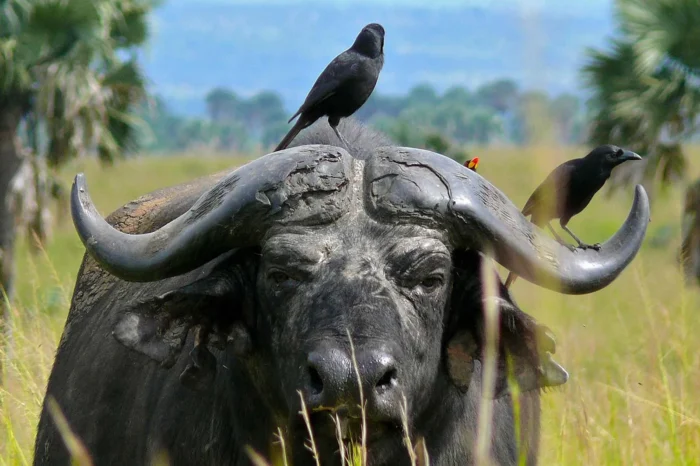
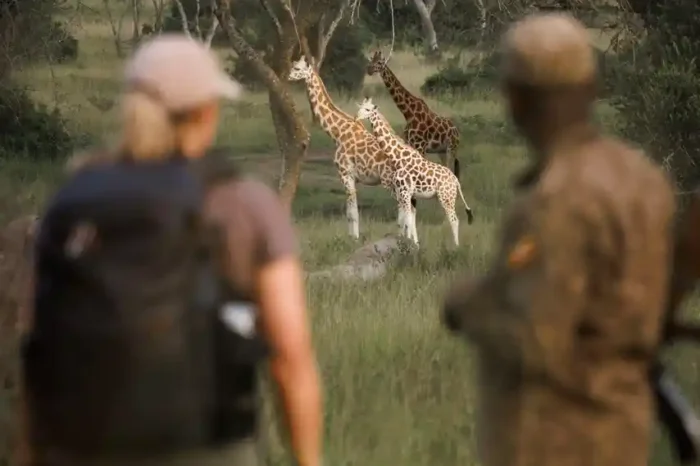
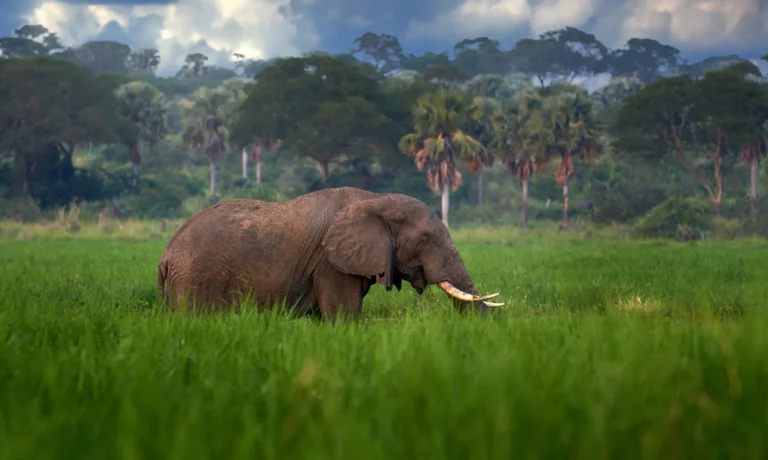
You can see lions and leopards. Large herds of elephants roam the savanna. There are hippos, buffalo, leopards, antelopes, and giant forest hogs. Vultures circle above, while pelicans and deep pink flamingos gather near the water. Hyenas are often heard at night.

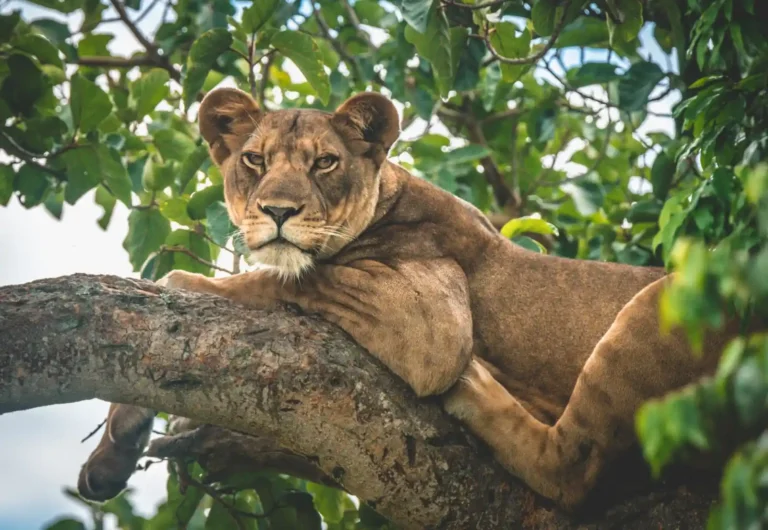
One animal truly stands out here: the tree-climbing lionThese rare lions live in the Ishasha sector, in the south of the park. Together with Lake Manyara National Park in Tanzania, it is the only place in the world where you can see them. Because parts of the park are bushy and forested, many monkey species live here. You may spot black-and-white colobus monkeys, red-tailed monkeys, and even chimpanzees.

tree-climbing lions in Queen Elizabeth National Park

Activities In Queen Elizabeth National Park

There is a variety of things to do in Queen Elizabeth National Park. The park boasts a diverse landscape that you can explore in a variety of ways:

1. Game Drives

A classic game drive is a must during your visit to Queen Elizabeth National Park. The park is vast, and each area feels different. You can go on three or even four game drives and still see something new every time. If you want a deeper experience, you can join the Lion Tracking Experience. 

During this drive, you visit a pride of lions that is being monitored for research. Your guide explains the project and why the lions are tracked. This is as close as you can get to wild lions. They continue their daily life as if you are not there. And if you are very lucky, you may even see them shortly after a hunt.

2. Boat safaris

A boat safari on the Kazinga Channel is a highlight of any visit to Queen Elizabeth National Park. The channel has one of the highest concentrations of hippos in Africa. You will see hippos floating in the water. Elephants come to bathe along the banks. Crocodiles lie still in the sun, waiting patiently. The birdlife is spectacular. Many water birds gather here, making the boat safari a calm and unforgettable experience.

3. Chimpanzee trekking

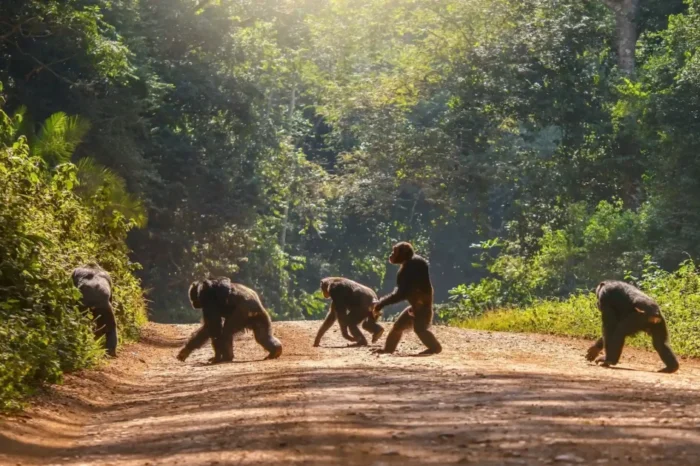
Kyambura Gorge is one of the most special places in Uganda for chimpanzee trekking. One moment, you are driving across open savanna, spotting elephants, leopards, and lions. The next moment, you step into a deep tropical rainforest. The contrast is striking. And it makes the chimpanzee trek even more memorable. You can also go chimpanzee trekking in the nearby Kalinzu Forest where over 300 wild chimpanzees live. Queen Elizabeth National Park is also 2 hour drive from Kibale Forest National Park, the best chimpanzee trekking destination in Africa.

Chimpanzee Trekking in Uganda

4. Visit to the crater lakes

On the northern edge of Queen Elizabeth National Park, you will find several crater lakes. You can easily drive past them and stop to enjoy the views. The land around the lakes is open, rugged, and slightly drier. This contrast makes the crater lakes stand out even more. It is a striking and beautiful landscape.

Discover Queen Elizabeth National Park with Choose Uganda Safaris

Would you like to experience for yourself why Queen Elizabeth National Park is the ultimate safari destination? Request a free travel proposal and discover the possibilities for your safari adventure. We are happy to advise you on booking the perfect Uganda trip that suits your wishes and budget. Of course, you can also always contact us for more information.

Frequently asked questions

About Queen Elizabeth National Park

A tour of Queen Elizabeth National park is a unique experience. We can imagine you have many questions about this. We have answered the most important ones below. If your question is not listed, feel free to contact us.

Why Is Queen Elizabeth National Park Famous?

Queen Elizabeth National Park is famous for its incredible biodiversity and variety of safari experiences. It is one of the most visited national parks in Uganda and is often combined with gorilla trekking and chimpanzee tracking tours in western Uganda.

What makes the park so special is the diversity of its landscapes. In a single trip, you can cruise along a wildlife-filled channel, explore tropical rainforest, drive across open savannah plains, and admire volcanic crater lakes beneath the dramatic Rwenzori Mountains.

The park is also well known for its rich wildlife. Visitors regularly see elephants, buffaloes, hippos, crocodiles, antelopes, and large predators. The Ishasha sector is especially famous for its rare tree-climbing lions, while Kyambura Gorge offers the chance to track wild chimpanzees.

For bird lovers, Queen Elizabeth National Park is one of the best birding destinations in Africa. More than 610 bird species have been recorded here, the highest number of any national park in East Africa.

Queen Elizabeth National Park is located in western Uganda. Most parts of the park are about 375km (233mi) to 425km (264mi) from Kampala by road. The drive usually takes at least 7 to 8 hours, depending on road conditions and stops along the way. Most travelers visit as part of a longer safari, with breaks en route to enjoy the scenery and towns in western Uganda.

The Ishasha sector in the southern part of the park is more remote. However, it is only about 2 hours’ drive from Bwindi Impenetrable National Park (Buhoma sector), making it a popular stop on combined gorilla and wildlife itineraries.

Queen Elizabeth National Park can be visited throughout the year thanks to its warm tropical climate. The dry seasons, from June to September and December to February, are generally the best time for game drives. Roads are easier to navigate, and wildlife tends to gather around water sources, making animals easier to spot. This is also the peak travel season, especially between June and August.

The rainy seasons, from March to May and October to November, bring a completely different experience. The park becomes lush and green, with beautiful scenery and many young animals. However, some tracks can become muddy, and activities like chimpanzee tracking in Kyambura Gorge can be more challenging.

For bird enthusiasts, the wet months are particularly rewarding, with excellent birding opportunities and increased activity across the park. Migratory birds are often present from August to December, making this a great period for birdwatching.

The famous tree-climbing lions in the Ishasha sector can be seen year-round. However, they are more frequently spotted in trees during the hotter, drier periods when they seek shade and avoid insects.

Yes, a two-day visit to Queen Elizabeth National Park is possible. However, with the drive from Kampala or Entebbe taking a minimum of seven hours each way, a 2-day trip feels quite rushed and significantly limits what you’ll be able to experience. For a more relaxed and rewarding safari, we recommend setting aside at least 3 days, ideally 4, for a dedicated Queen Elizabeth National Park visit. If your itinerary also includes gorilla trekking in Bwindi Impenetrable Forest , plan for a minimum of 4 days, with 5 or more being ideal to fully enjoy both experiences.

A Queen Elizabeth National Park safari pairs very well with both chimpanzee and gorilla trekking

For gorillas, the most convenient trekking location from Queen Elizabeth NP is Buhoma, on the northern edge of Bwindi Impenetrable National Park. Depending on where you’re staying in Queen Elizabeth, the drive to Buhoma typically takes between 3 and 4 hours. Travel to other gorilla trekking regions in Bwindi or to Mgahinga Gorilla National Park is also possible, but these routes usually require 5 to 7 hours on the road.

When it comes to chimpanzee trekking, Queen Elizabeth NP offers even easier access. Kyambura Gorge and Kalinzu Forest Reserve; two popular trekking sites—sit right next to the park and can be visited as day trips from virtually any lodge or camp in the area. Kalinzu generally offers a slightly higher chance of sightings, while Kyambura stands out as the most affordable chimp trekking option in Uganda.

It’s also simple to add Kibale National Park, the country’s premier chimp trekking destination, to a budget safari that includes Queen Elizabeth NP. However, keep in mind that Kibale is more expensive and tends to attract larger numbers of visitors compared to Kyambura or Kalinzu.

You can spot four of the big five in Queen Elizabeth National Park: lions (including the tree-climbing variety in Ishasha), buffaloes, leopards, and elephants. Rhinos are not present in the park but can be found at the Ziwa Rhino and Wildlife Ranch.

The best place to see tree-climbing lions is the southern Ishasha sector of Queen Elizabeth National Park. This area is one of the very few places in Africa where lions regularly climb trees and rest in the branches of large fig trees. They are most often seen during the heat of the day, when they move off the ground and settle high in the canopy.

The behaviour is still not fully understood, but it is widely believed to help them avoid biting insects and to escape the heat from the sun-baked savannah. Whatever the reason, it creates one of Uganda’s most unique safari highlights.

Finding them takes patience and a careful eye. On game drives through Ishasha, guides often scan the treetops as much as the open plains. Lions can blend surprisingly well into the foliage, so each sighting feels like a rare and rewarding moment.

Queen Elizabeth National Park has standard entrance fees set by the Uganda Wildlife Authority, and the cost depends on your residency status.

For foreign non-residents, the park entrance fee is US$40 per person. Foreign residents pay US$30 per person, while East African citizens pay UGX 20,000 per adult. Children (5–15 years) are charged a reduced rate, and children under 5 enter for free.

The entrance fee is valid for 24 hours. If you stay longer. This fee gives you access to the park, but activities such as boat cruises, chimpanzee tracking, and guided walks are charged separately.

Queen Elizabeth National Park is not only about wildlife and safari experiences. It is also a wonderful place to discover Uganda’s rich culture and local traditions.

One of the most interesting cultural sites is the Katwe Salt Lake near Katwe village. Here, local communities have been extracting salt from crater lakes for generations using traditional methods that are still practiced today. Visiting the salt mines offers a fascinating insight into an old way of life that continues to support many families in the area.

Cultural experiences around the park also include traditional dance performances, community visits, and local craft projects. These experiences give travelers the opportunity to learn more about the Banyankole and Bakonzo communities and their close connection to the land and nature around them.

Adding cultural activities to your safari creates a deeper and more meaningful experience, allowing you to connect not only with Uganda’s wildlife, but also with its people and traditions.

The 40km-long Kazinga Channel is the lifeblood of Queen Elizabeth National Park. This natural waterway connects Lake Edward and Lake George and attracts an extraordinary concentration of wildlife throughout the year.

A boat safari on the Kazinga Channel is one of the highlights of any Uganda safari. Many safari experts even consider it one of the best wildlife boat cruises in Africa.

Along the shores, hippos crowd the water in huge numbers while crocodiles rest on the banks. Large herds of buffalo often graze close to the channel, and elephants regularly come down to drink and bathe. Uganda kobs and other antelope species are also common along the open plains, attracting predators such as lions, leopards, and spotted hyenas nearby.

Birdlife is equally spectacular. With more than 600 recorded bird species, Queen Elizabeth National Park is Uganda’s top birding destination. Pelicans gather on sandbanks, while African fish eagles soar overhead. You may also spot kingfishers, weavers, herons, and the striking saddle-billed stork along the shoreline.

The best wildlife viewing is usually in the afternoon, especially between 2:00pm and 4:00pm, when many animals come to the water’s edge.

Best lodges in queen elizabeth National Park

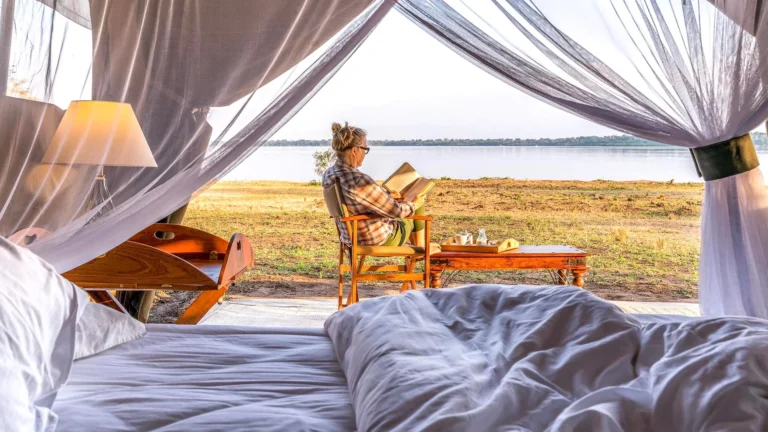
There are so many places to stay at Queen Elizabeth National Park. Options include Elephant Plains Lodge and Ishasha Wilderness CampOther options include The Bush Lodge, a comfortable budget friendly accommodation near Kazinga Channel and Enganzi Game Lodge. The only high-end/exclusive lodges include Kyambura Gorge Lodge, The River Station and Honey Bear Bush Camp.

Share

Queen Elizabeth National Park