Categories
- Accommodation
- Accommodation at Kibale Forest
- Active Tour Lodges
- Best Lodges
- Birding Guides
- Budget accommodation at Kibale
- Budget accommodation in Uganda
- Budget Hotels in Entebbe
- Budget Murchison Falls Accommodation
- Bwindi Guides
- Bwindi Lodges
- Bwindi National Park Guides
- Culture & Nature
- Entebbe Hotels
- Exclusive Lodges In Bwindi
- Exclusive Lodges In Murchison Falls National Park
- Exclusive Lodges in Queen Elizabeth National Park
- Family Friendly Lodges
- Gorilla Trekking
- Gorilla trekking guides
- great blogs
- Guides
- High End Accommodation At Kibale
- Jinja Accommodation
- Kampala Hotels
- Kibale
- Lodges in Mgahinga
- Luxury accommodation at Kibale
- Luxury Accommodation in Queen Elizabeth National Park
- Luxury Accommodation Options
- Luxury Hotels In Entebbe
- Luxury Lodges In Bwindi
- Luxury Murchison Falls Accommodation
- Midrange accommodation at Kibale
- Midrange Hotels In Entebbe
- Midrange Lodges In bwindi
- Midrange Murchison Falls Accommodation
- Murchison Falls Guides
- Murchison Falls Lodges
- Murchison Lodges
- News
- Popular
- Primate Lodges
- Queen Elizabeth Guide
- Queen Elizabeth National Park Accommodation
- Semi Luxury Lodges In Bwindi
- Semi-Luxury Entebbe Hotels
- Travel Guide
- Travel Inspirations
- Uganda Honeymoon Lodges
- Uncategorized

Uganda Family Safari Vacation
A FAMILY TRIP TO uganda
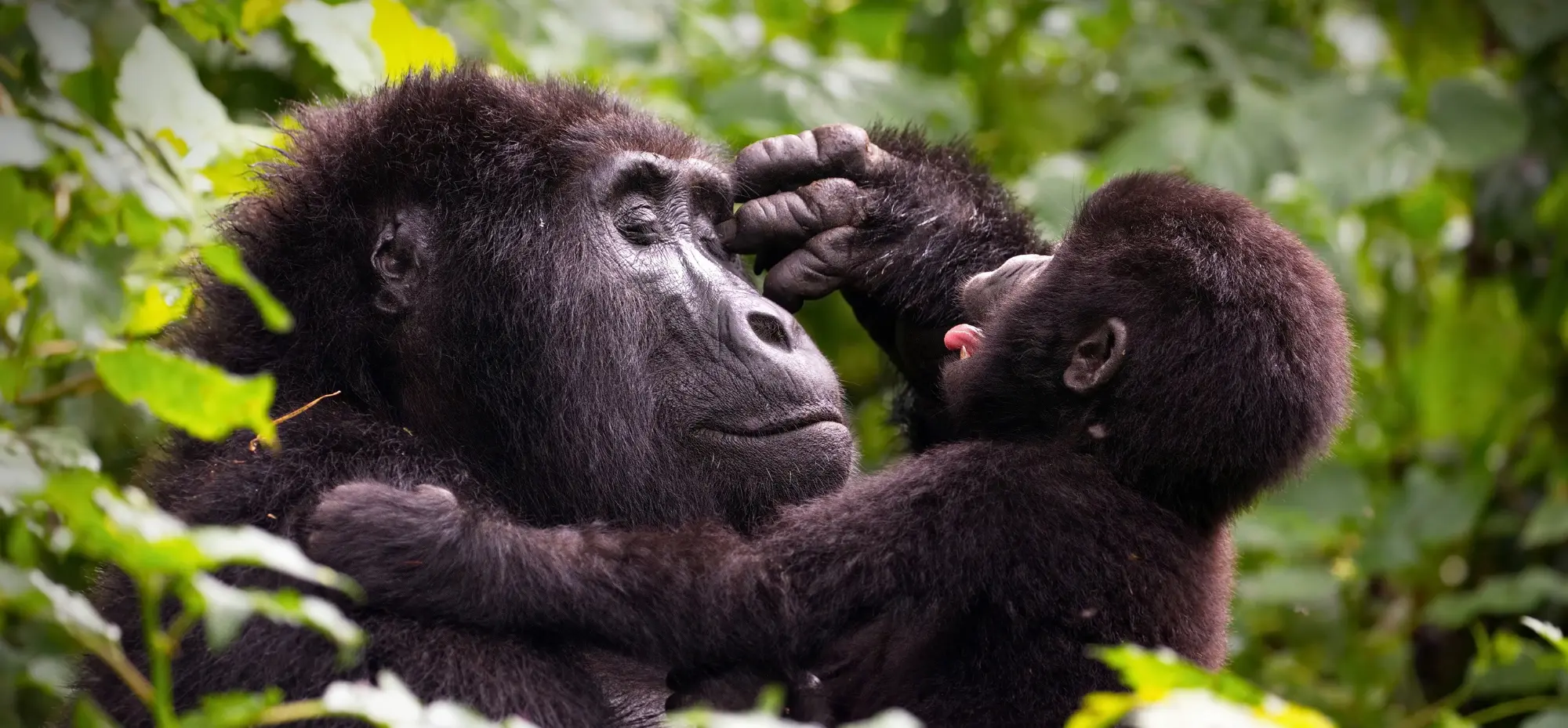
Want to take an adventurous family vacation that will stay with you forever? Then choose Uganda. You will discover completely different world, the most beautiful landscapes, incredible wildlife, and pristine nature – together with the people you love most. We can promise you one thing right away: you will never get bored in Uganda. Enjoy exciting game drives, relaxing boat cruises, scenic walks, and unforgettable encounters with gorillas and chimpanzees. As a family, you will share moments that inspire, amaze, and bring you closer together. These are the kinds of experiences you will talk about for the rest of your lives.
Uganda Is for the Whole Family
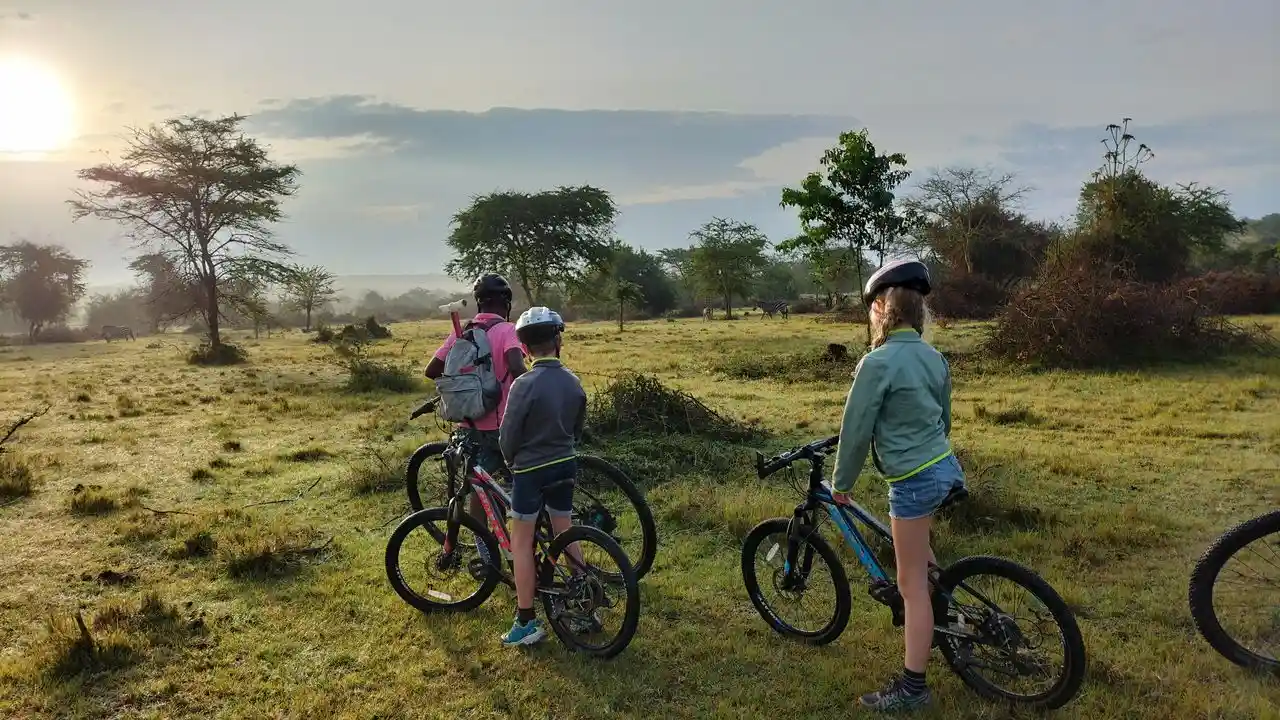
Every family is different. Everyone has their own interests. One person may enjoy a game drive. Another may prefer a bicycle safari. Both options are possible.
Age also matters. Grandpa and Grandma may not be able to go gorilla trekking. That is okay. Mom, Dad, and the kids can still take part. Others can enjoy a slower pace instead.
Uganda offers many choices. Some activities are active. Others are relaxed. Everyone can move at their own comfort level. We plan trips with flexibility in mind. Each family member is considered. No one feels left out. No one feels rushed.
We tailor every journey to suit your family. The experience works for all ages. From grandparents to young explorers. Uganda is a destination where families connect. Nature brings everyone together. Memories are shared. Moments last.
There is a lot to discover
There is so much to see in Uganda. And so much to do.
We design trips that let families travel together. You experience Uganda as one group. At the same time, we allow space for individual needs.
Some guests want action. Others want quiet moments. Both are possible. Nature. Culture. Adventure. Relaxation. Uganda offers it all. During a free consultation, we listen to your story. We learn what matters to you. Then we create a journey that fits your family perfectly.
Here are some popular family activities in Uganda:
- Walk among giraffes and zebras on a guided walking safari in Lake Mburo National Park
- Track wild chimpanzees on foot in Kibale Forest National Park (ages 12 and up)
- Join a ranger on foot to search for rhinoceroses in Ziwa Rhino & Wildlife Ranch
- Enjoy a night safari in Lake Mburo National Park and spot leopards and hyenas
- Go rafting or tubing on the Nile in Jinja with the whole family
- Try bush camping in the heart of Murchison Falls National Park
- Take a guided walk through Bigodi Wetland near Kibale Forest
- Track rare golden monkeys in Mgahinga Gorilla National Park
- Meet mountain gorillas on a gorilla trek in Bwindi Impenetrable Forest (ages 15 and up)
We organize your tailor-made family Safaris In Uganda
Before planning your Uganda family safari, we contact you. We take time to listen. Everyone’s expectations matter. Who is traveling with you? What makes your family happy? Do you prefer an active journey or a slower pace? What do the children enjoy? How do they see the world?
These details guide our planning. We use this information to design the right trip for your family. Nothing is rushed. Nothing is forced. The focus is on balance and enjoyment.
Flexibility is key. Many activities remain optional. This allows freedom during the journey. One person may join an activity. Another may choose to relax instead. Both choices are fine.
Families can decide as they go. Plans adapt to moods, energy levels, and interests. This makes travel easier and more enjoyable for everyone. The result is a family safari that feels natural. Personal. Stress-free. A journey shaped around your family, not the other way around.
How large can the group be?
Your group can be as large as you like. We plan trips for very small families.
We also organize journeys for families of seven or more. Most families travel with children aged between 12 and 20. These ages work well for many activities. Uganda is also a great destination for younger children. The experience can be adapted to suit them.
If you are traveling as a larger group, the journey will be split between two vehicles. This does not reduce the quality of the trip. It simply means you may not experience every moment in exactly the same way. Early booking is important for larger groups.
The bigger the group, the earlier you should plan. We recommend booking nine months to one year in advance. Popular lodges can fill up quickly.
Good planning ensures the best choice of lodges and guides. It also keeps the trip smooth and relaxed. With the right timing, everything falls into place.
We provide comfort for everyone
Travel in Uganda involves time on the road. Comfort matters. That is why we use 4×4 Toyota Land Cruisers designed for safari travel.
Everyone has their own seat. No one is squeezed onto a bench. Each seat has a personal charging station. This makes long drives easier and more enjoyable.
Comfort is not only about the vehicle. The guide is just as important. A good guide makes the journey special. Based on our conversations, we select the right guide for your family. Personality, pace, and interests all matter.
This helps create a relaxed atmosphere. Days flow smoothly.
The trip feels personal and easy. The result is a family journey you will always remember. A full week of shared moments. No stress. Just discovery.
Want to talk about your family safari to Uganda? Call or email us. We are happy to think along with you. As Ugandans, we know the country deeply. Every road. Every park. Every hidden gem.
Recommended Uganda family Safari Packages
where To Stay On A Family Safari In Uganda
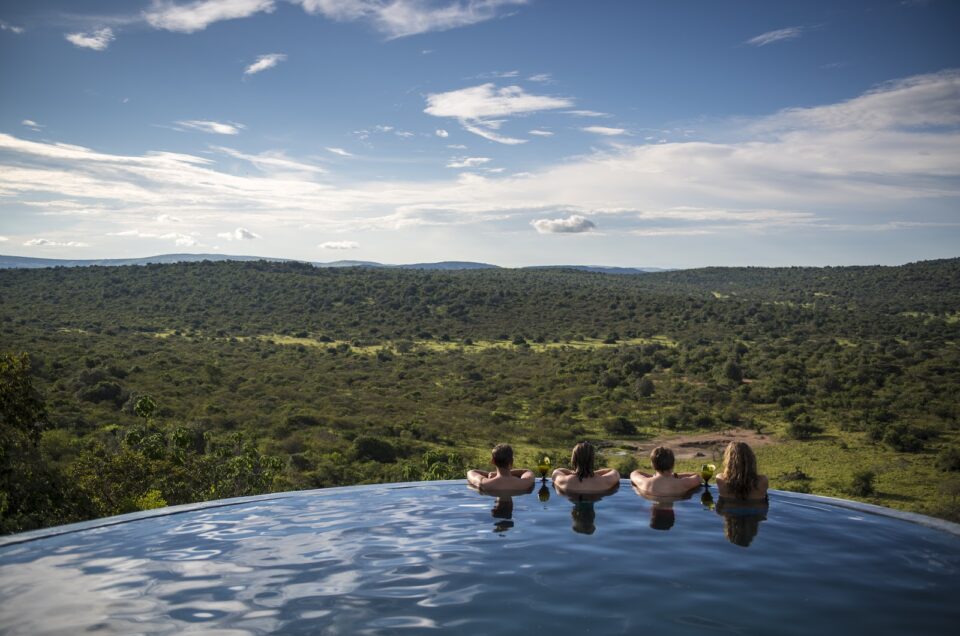
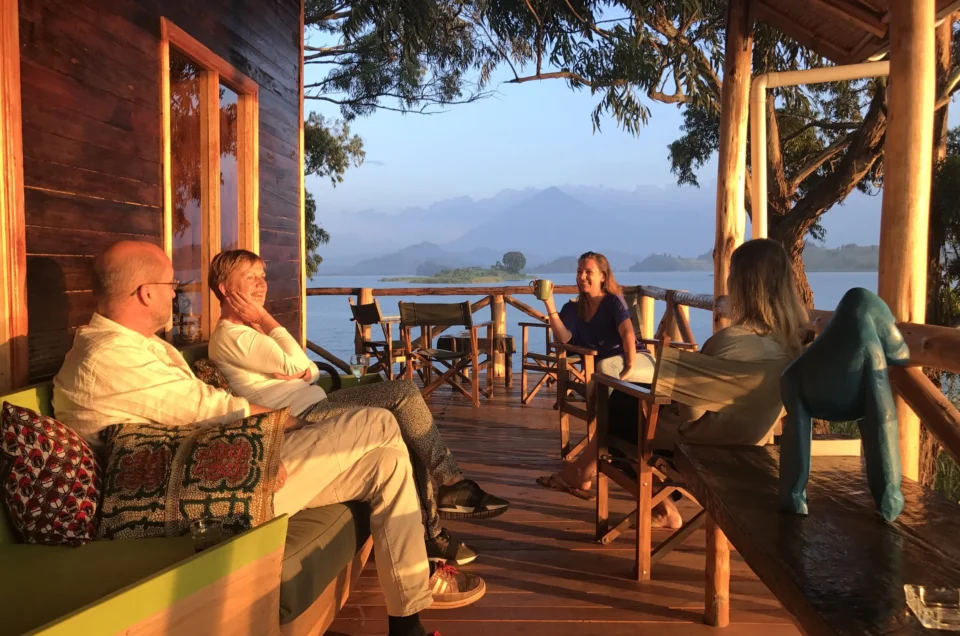
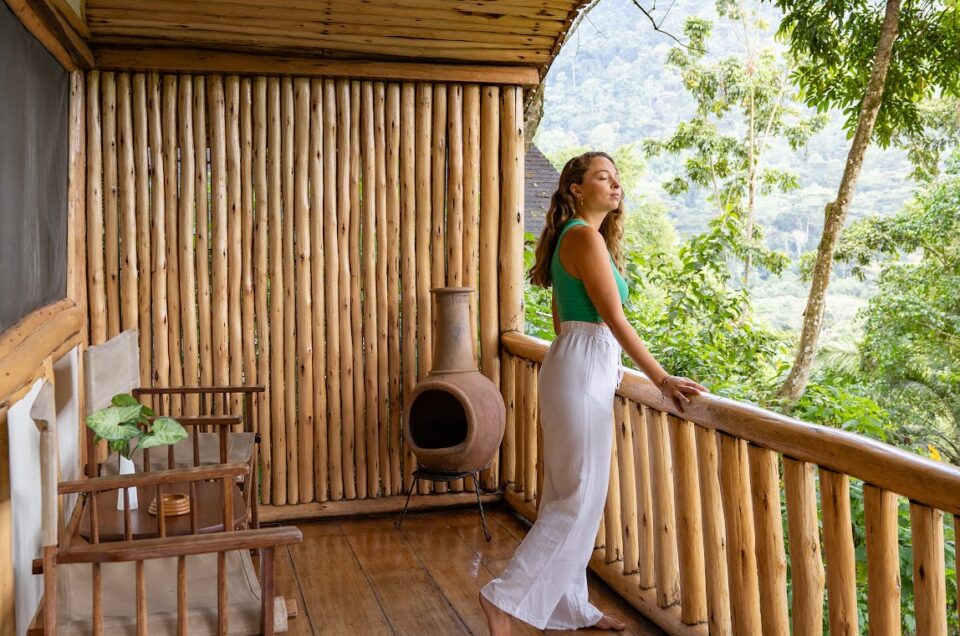
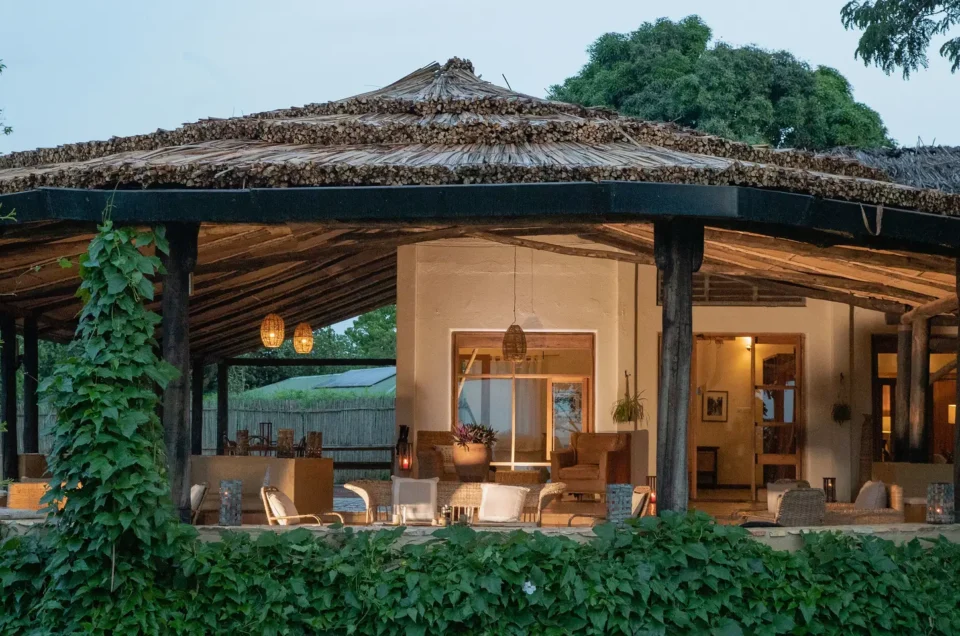
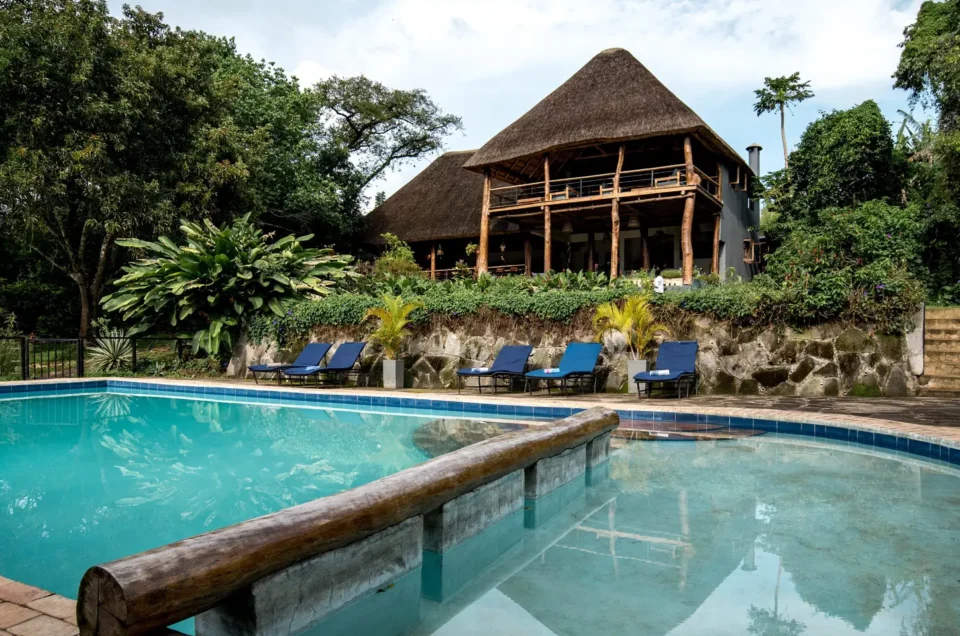
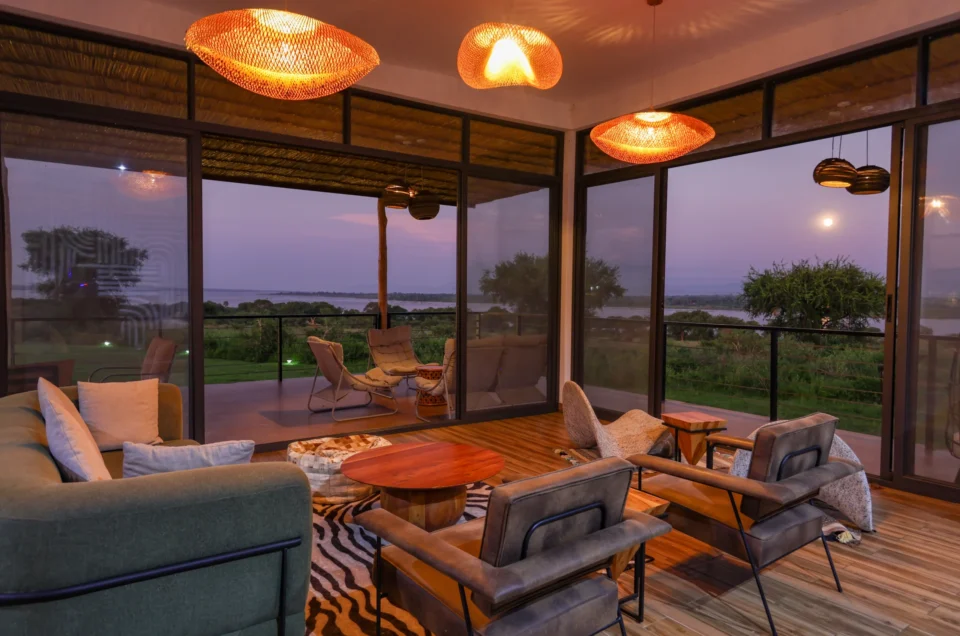
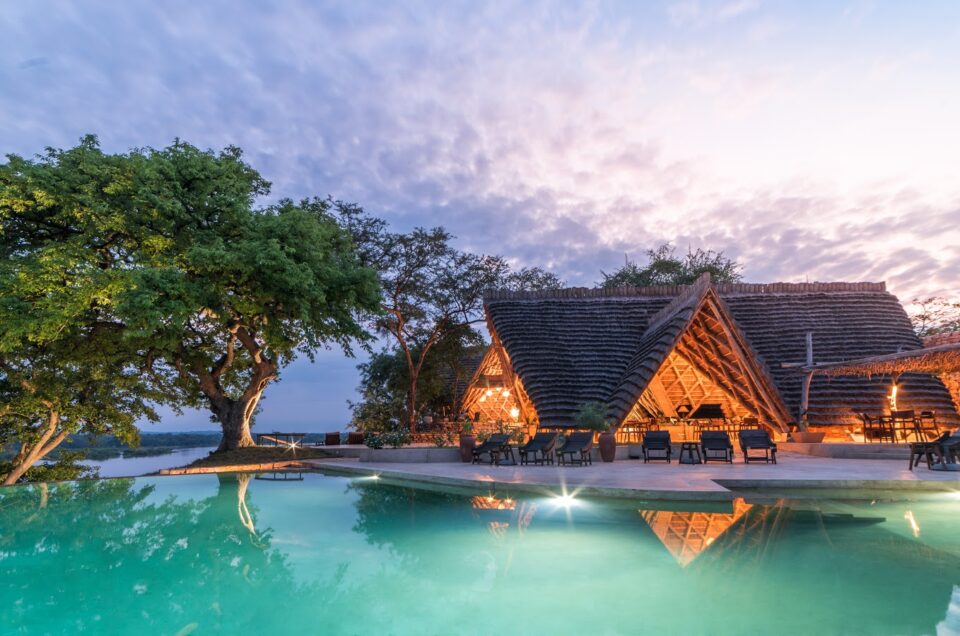
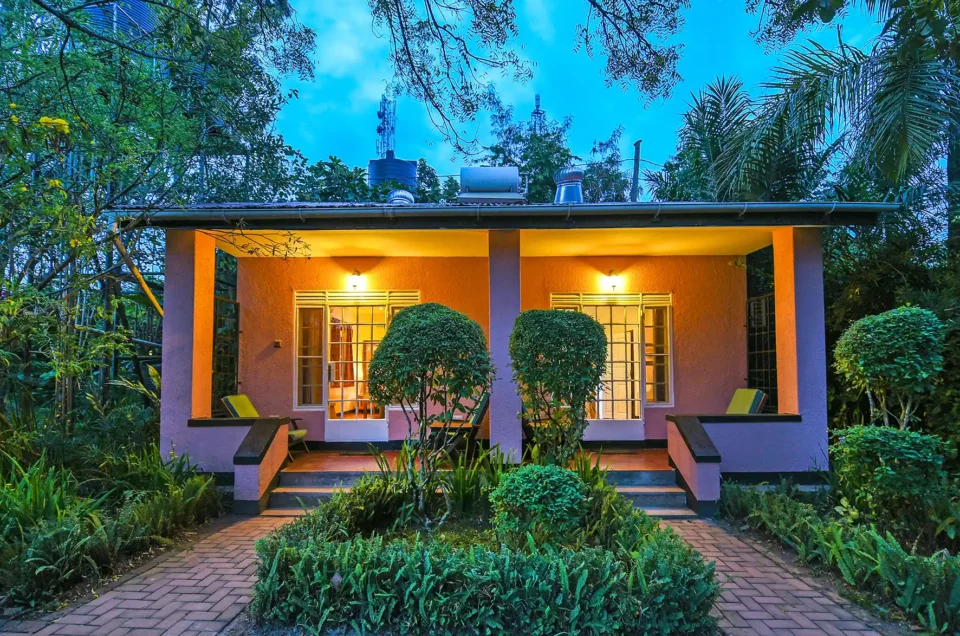
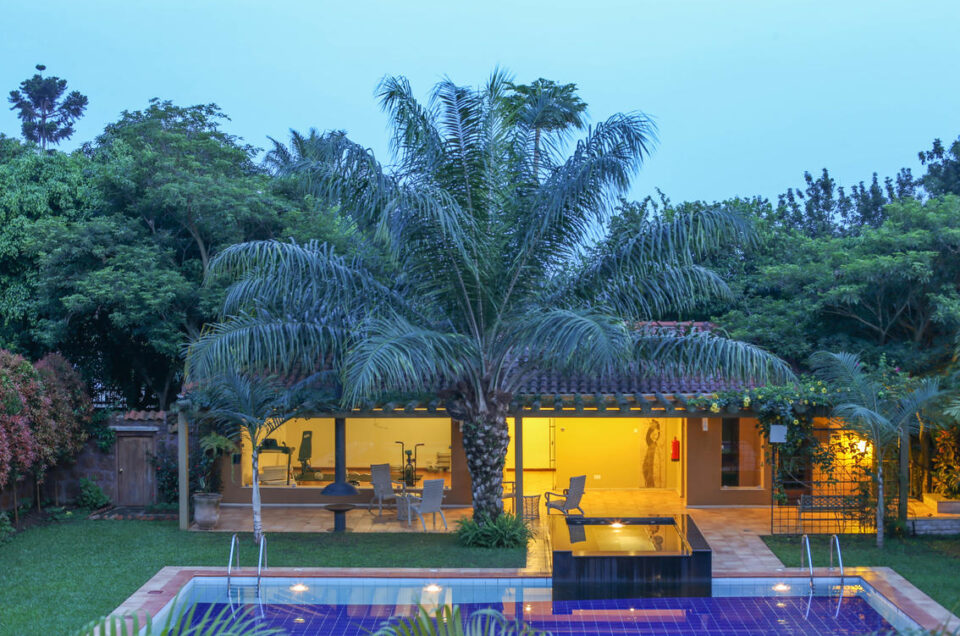
On our Uganda family safaris, you stay in the beautiful places. We carefully select every lodge and camp. Each one is comfortable, welcoming, and well located. These places are chosen with families in mind. They offer space to relax. They feel safe and calm. They also keep you close to nature and wildlife. We match each stay to your family. Some families prefer small and quiet lodges. Others enjoy a more lively atmosphere. We choose what fits you best. Below are a few of our favorite places to stay during a family safari in Uganda. Each one adds something unique to the journey. Each one helps turn your trip into lasting memories.
Questions about Uganda Family Safaris
How old should my children be to go on safari in Uganda?
Uganda is a great destination for families.
However, there are a few age rules to keep in mind. There are two fixed restrictions. Children under 15 cannot take part in mountain gorilla trekking. Children under 12 cannot track chimpanzees.
In some cases, exceptions may be possible. This usually applies to children who are only a few months below the age limit. Approval must come from the Uganda Wildlife Authority. All paperwork needs to be arranged in advance. Most lodges and camps welcome children of all ages.
Families with young children are often well accommodated. Some lodges, especially luxury properties, have their own minimum age rules. These usually range from 4 to 12 years old. We take all of this into account when planning your trip. Activities and lodges are chosen carefully. Safety and comfort always come first. With the right planning, Uganda works well for families with children of many ages.
Which parks are recommended for a Uganda family safari?
The best parks depend on your family. Age matters most. Especially for gorilla trekking.
If everyone is old enough, the main choices are Bwindi Impenetrable Forest National Park and Mgahinga Gorilla National Park. Both are in south-western Uganda. These parks are home to mountain gorillas. You need at least three days to visit one of them when traveling from Kampala or Entebbe.
Many families stay longer in the region. They combine gorilla trekking with classic safari parks. Lake Mburo National Park is a popular choice. Queen Elizabeth National Park is another favorite. Here you can see lions, elephants, buffalo, hippos, and more.
Chimpanzee trekking can also be added. Good locations include Kibale National Park, Kalinzu Forest Reserve, and Kyambura Gorge. These activities work well for older children.
If your children are too young for gorilla trekking, Murchison Falls National Park is an excellent option. It offers a mix of game drives and boat safaris. You can see lions, leopards, elephants, and buffalo. Rhinos are not found inside the park. Murchison Falls can be combined with chimp trekking in Budongo Forest.
A visit to Ziwa Rhino and Wildlife Ranch adds the chance to see white rhinos on foot. Uganda offers flexible options. The right mix depends on your family.
Is it safe to bring my children on a Uganda safari?
Uganda is generally a safe country for travelers. Families visit every year without issues. Most tourist areas are quiet and well managed. Kampala is the main exception. It is a busy capital city. Crime levels are similar to other large cities around the world. With normal precautions, visits are fine.
Health is an important consideration. Malaria is the main risk, especially for young children. This is most relevant for children under four and breastfeeding mothers who cannot take malaria medication. Good planning and medical advice are essential.
There have been rare and very local Ebola outbreaks in the past. The risk to regular travelers is extremely low. Tourist areas are closely monitored.
Wildlife is usually not dangerous. Still, parents should watch young children carefully at camps and lodges inside national parks. Animals can move freely in these areas.
Game drives and boat safaris are very safe for children.
Vehicles and boats are guided and controlled. During gorilla trekking or hiking, it is important to follow the guide’s instructions at all times. With the right planning and awareness, a Uganda safari is safe for families. Care, guidance, and common sense go a long way.
What should we pack for our children when going on safari in Uganda?
Uganda safari travel sometimes includes long drives. Even wildlife-loving children can get bored. Bring things to keep them busy. Tablets, games, small toys, and favorite snacks work well.
Internet access is often limited. If your children use a tablet, download shows, movies, and games before you travel. This avoids frustration on the road.
Binoculars are a great idea. Children love spotting animals on their own. It makes game drives more exciting. Wildlife checklists also help. Bird and mammal guides can turn each sighting into a fun challenge.
Most safari essentials are the same for children and adults.
Pack sunscreen and insect repellent. Bring warm layers for early mornings. Include waterproof clothing for rain. Sturdy walking shoes are important. Sunglasses and a hat protect from the sun.
A small backpack is useful for day trips.
Let children carry their own items. This helps them feel involved in the adventure. With the right packing, children stay comfortable and engaged. The safari becomes more fun for everyone.
TOP Destinations
Safaris BY Type
Safaris by length
Choose Uganda Safaris
Typing...
Dreaming of a trip through Uganda? We would be happy to put together an unforgettable tour for you. Feel free to send us a message. 🦍
Contact Us
1
Chat