Uganda has just made some important updates to its wildlife permit prices. The Uganda Wildlife Authority (UWA) has revised conservation fees for key primate experiences. At the same time, it has introduced attractive low season discounts for gorilla trekking permits and chimpanzee tracking. For travelers planning a Uganda safari, this is big news. The changes affect budgets, travel timing, and the overall value of a Uganda safari trip. Even more exciting, UWA has launched new specialist experiences like golden cat tracking and rhino tracking in Ajai Wildlife Reserve. At Choose Uganda Safaris, we have carefully reviewed the new tariffs. Here is a clear and simple guide to what has changed — and what it means for your next adventure.

Key Highlights of the UWA Tariff Update
The biggest surprise is that the standard high-season gorilla permit remains unchanged at USD 800. Many expected an increase, but UWA has kept this price steady. However, several other experiences have become more expensive. The most notable increases affect:
- Gorilla habituation
- Chimpanzee habituation
- Kyambura Gorge chimp tracking
- Experiential lion tracking
At the same time, Uganda Wildlife Authority is expanding conservation-based tourism. The introduction of golden cat tracking and Ajai Wildlife Reserve rhino tracking shows a strong shift toward research-driven wildlife experiences.
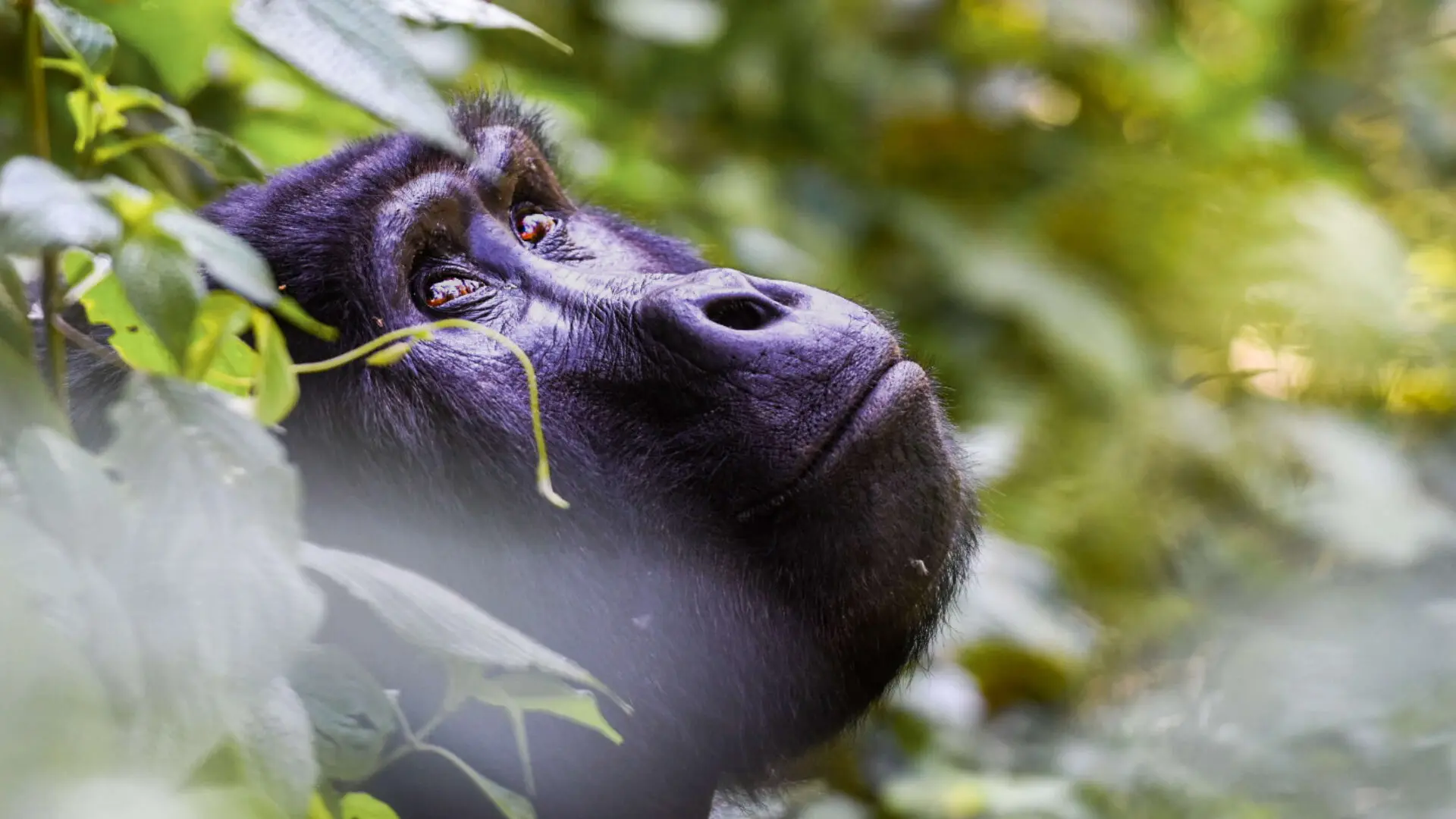
Low Season Gorilla and Chimpanzee Permits Discounts
One of the most welcome changes is the introduction of low season permit discounts. These special rates apply during the quieter months of April, May and November. The discounts are already effective, which means travelers can benefit immediately.
Discounted Low Season Gorilla Tracking Permits
- Foreign Non-Residents: USD 600
- Foreign Residents: USD 500
This is a significant saving compared to the normal USD 800 rate.
Discounted Chimpanzee Tracking Permits
- Foreign Non-Residents: USD 200
- Foreign Residents: USD 150
These reduced prices are designed to encourage travel during the wetter months when visitor numbers are lower.
Important note: Low season permits cannot be rescheduled. Travelers should confirm their dates carefully before booking.
When Do the Revised Rates Start?
In February 2026, UWA Executive Director Dr James Musinguzi confirmed the timeline.
Discounted permits: Effective immediately
Revised standard tariffs: Effective 1 January 2027
This correction is important because earlier communication suggested a different date. For now, travelers still have time to book under the current standard rates before 2027.
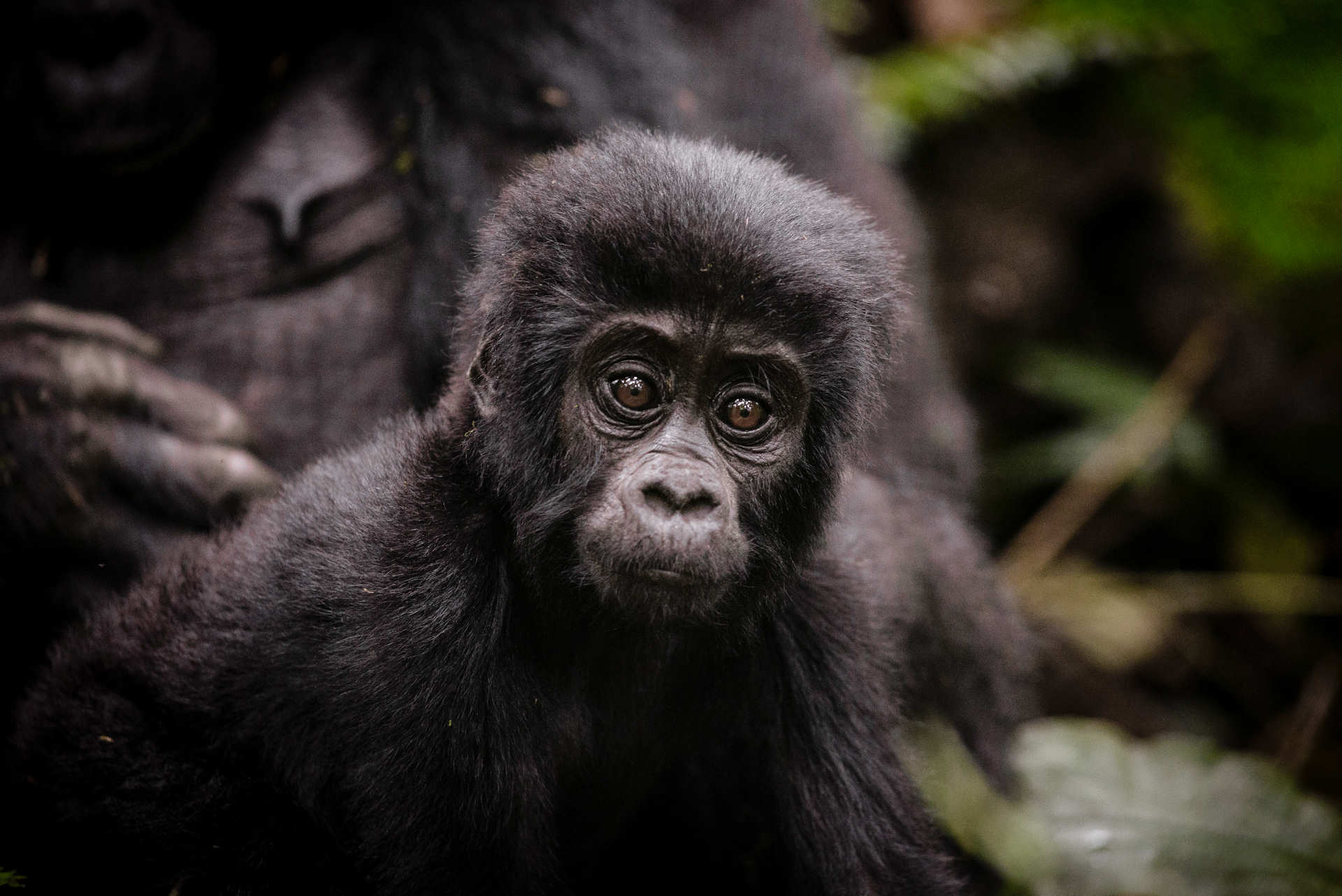
High Season Gorilla Trekking Fees (No Change)
For standard gorilla trekking in Bwindi Impenetrable National Park and Mgahinga Gorilla National Park, the good news is simple: prices remain the same.
Standard Gorilla Permit Prices
- Foreign Non-Residents: USD 800
- Foreign Residents: USD 700
- Rest of Africa: USD 500
- East African Citizens: UGX 300,000
Uganda continues to offer excellent value compared to our neighbor Rwanda.
Gorilla Habituation Experience — Price Increase
The gorilla habituation experience has seen one of the biggest increases. This special activity allows visitors to spend four hours with a semi-habituated gorilla family. It is more exclusive and more immersive than standard trekking.
New Gorilla Habituation Prices (from 2027)
- Foreign Non-Residents: USD 1,800 (up by USD 300)
- Foreign Residents: USD 1,600 (up by USD 600)
- Rest of Africa: USD 1,000
- East Africans: UGX 750,000
Despite the increase, this remains a premium, once-in-a-lifetime wildlife experience.
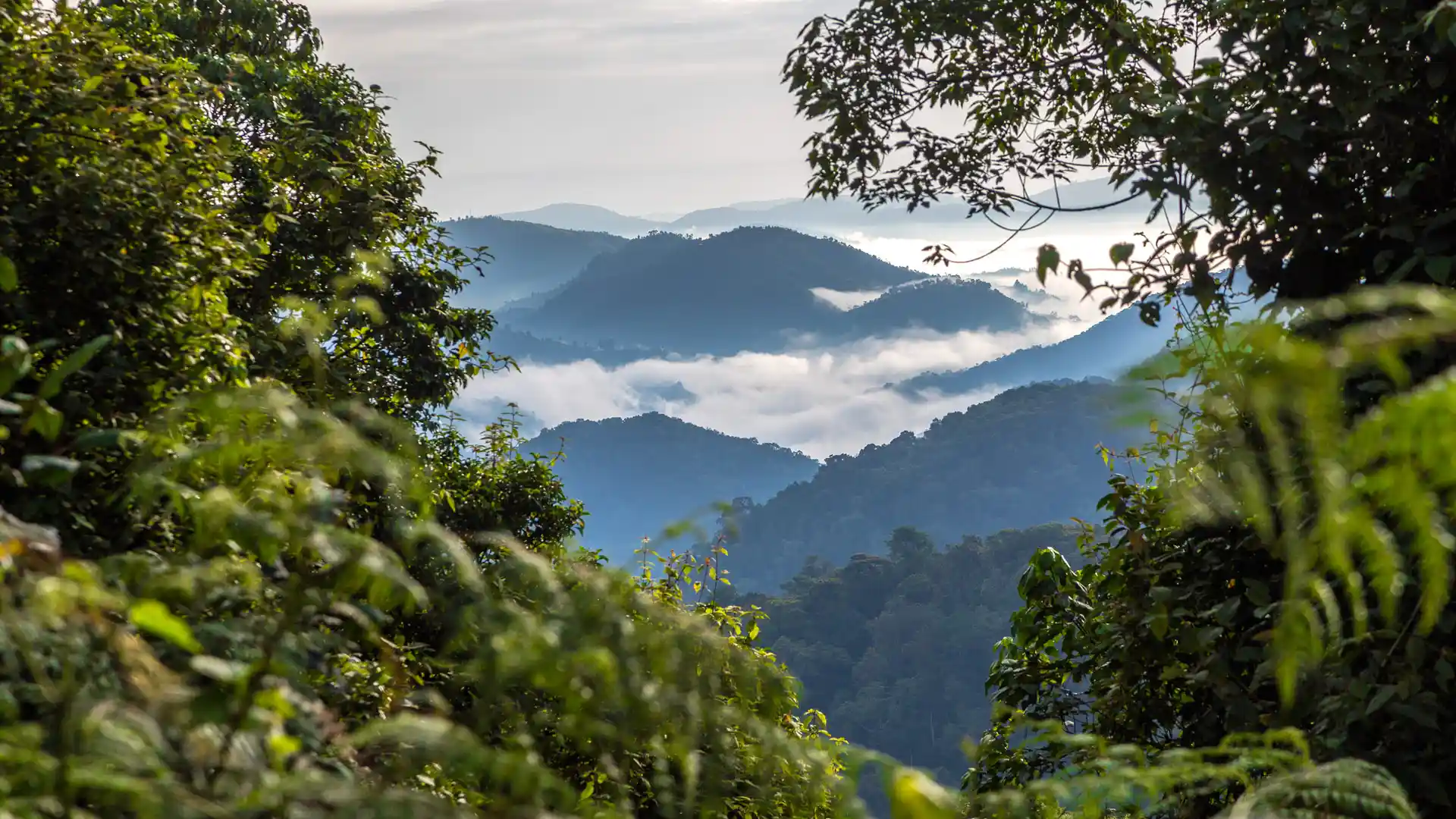
High Season Chimpanzee Tracking in Kibale — Modest Increase
Chimp tracking in Kibale National Park has seen a smaller adjustment.
New Kibale Chimp Tracking Prices
- Foreign Non-Residents: USD 300 (up by USD 50)
- Foreign Residents: USD 200 (no change)
- Rest of Africa: USD 100
- East Africans: UGX 180,000
This is a modest increase and still represents strong value for one of Africa’s best chimpanzee destinations.
Kyambura Gorge — The Biggest Jump
The most dramatic change is in Kyambura Gorge chimp tracking.
Prices for foreign visitors have risen sharply.
New Kyambura Chimp Tracking Prices
- Foreign Non-Residents: USD 200 (previously USD 100)
- Foreign Residents: USD 150 (previously USD 80)
- Rest of Africa: USD 100
- East Africans: UGX 50,000
This reflects the high conservation cost of protecting the small chimp population in the gorge.
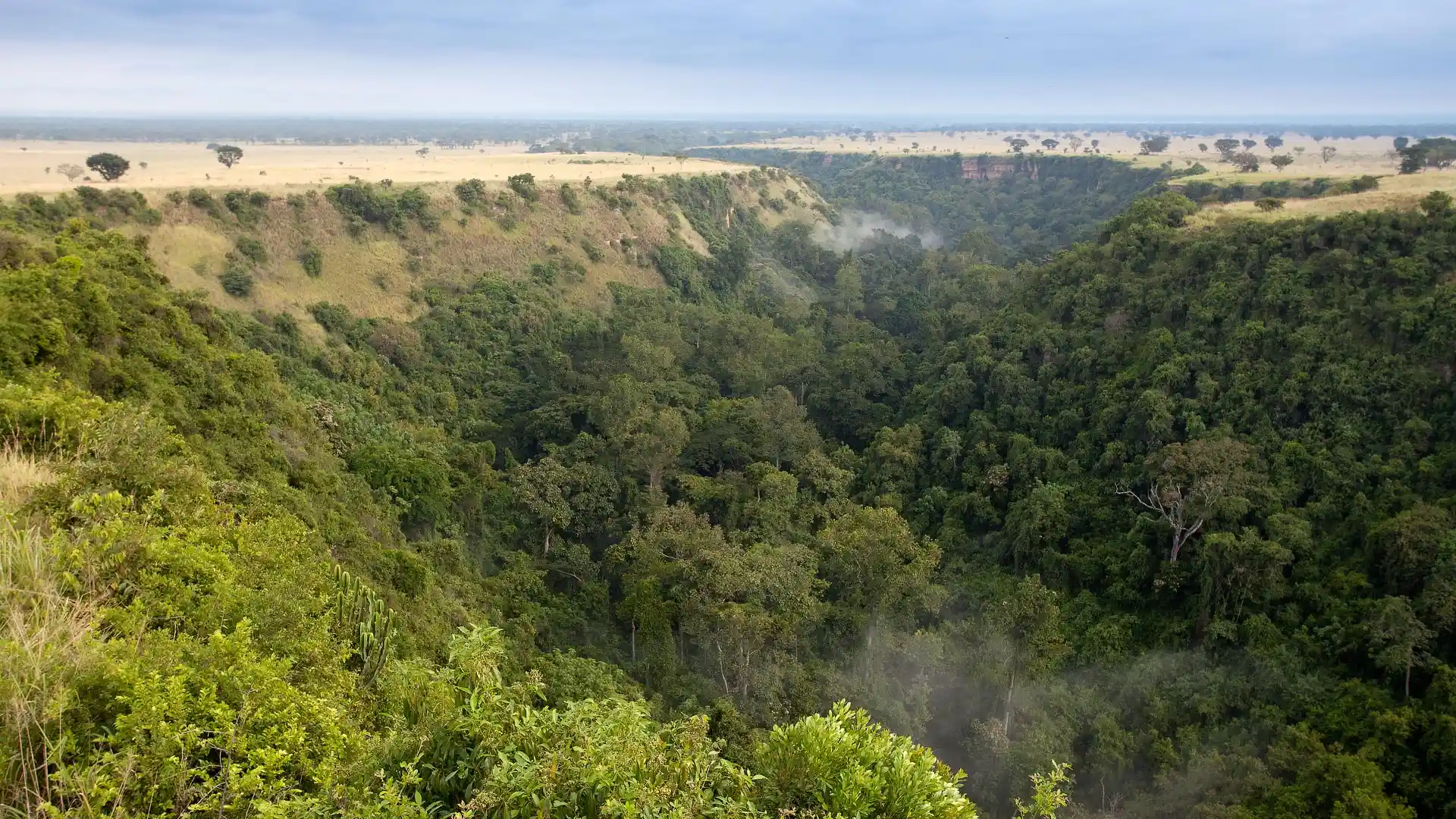
Golden Cat Tracking — A Brand-New Experience
One of the most exciting developments is the launch of golden cat tracking in Kibale National Park. This is a specialist, research-based activity. It is designed for serious wildlife enthusiasts who want something different from the usual safari. The African golden cat is shy and rarely seen. Even experienced guides only spot it occasionally.
Golden Cat Tracking Prices (5-Day Experience)
- Foreign Non-Residents: USD 350
- Foreign Residents: USD 350
- Rest of Africa: USD 350
- East Africans: UGX 350,000
This experience is still new and very niche. Expect limited availability.
Experiential Lion Tracking — Major Increase
Lion tracking in Queen Elizabeth National Park has become very popular thanks to collaboration between UWA and the Uganda Carnivore Programme. However, prices have increased significantly.
New Lion Tracking Prices
- Foreign Non-Residents: USD 500 (up by USD 300)
- Foreign Residents: USD 300
- Rest of Africa: USD 300
- East Africans: UGX 250,000
Even with the increase, this remains one of the most hands-on lion experiences in Africa.
Rhino Tracking in Ajai Wildlife Reserve
Another exciting development is rhino tracking in Ajai Wildlife Reserve.
In late 2025, the first white rhinos were moved from Ziwa Rhino Sanctuary to Ajai. This marks an important step in restoring rhinos to their historic range.
This activity is affordable and community-focused.
Ajai Rhino Tracking Prices
Foreign Non-Residents
- Adults: USD 20
- Children: USD 5
Foreign Residents
- Adults: USD 15
- Children: USD 5
Rest of Africa
- Adults: USD 10
- Children: USD 3
East Africans
- Adults: UGX 10,000
- Children: UGX 2,500
Ajai is definitely one to watch in the coming years.
What Do the Low Season Discounts Mean for Travelers?
For anyone planning gorilla trekking or chimp trekking, you now have two clear strategies.
Option 1: Travel in Low Season
Visit in April, May, or November and enjoy discounted permits.
This can save:
- USD 200 per gorilla permit
- USD 100 per chimp permit
For couples or groups, the savings add up quickly.
Option 2: Book Before January 2027
Secure your permits now to avoid the upcoming price increases on certain activities.
Early planning is especially important for:
- Gorilla habituation
- Kyambura chimp tracking
- Lion tracking
Is the Low Season Worth It?
Yes — absolutely. Many travelers worry about the rainy months. But the low season has real advantages.
Pros of Low Season Travel
- Fewer tourists
- Greener landscapes
- Easier permit availability
- Lower lodge prices
- Beautiful photography light
Possible Challenges
- Trails can be muddy
- Rain showers are more common
- Treks may take slightly longer
However, wildlife viewing remains excellent. Mountain gorillas and chimpanzees are seen year-round. Many experienced travelers actually prefer the quieter atmosphere.
Final Thoughts from Choose Uganda Safaris
Uganda continues to evolve as one of Africa’s top primate destinations. The new UWA tariff structure shows a clear direction: protect wildlife, improve conservation funding, and expand specialist experiences. The introduction of low season discounts is especially welcome. It gives smart travelers a chance to enjoy world-class wildlife encounters at better value.
If gorilla or chimpanzee trekking is on your bucket list, now is a great time to review your plans. Travel in the low season for savings, or book early before the 2027 changes take full effect. At Choose Uganda Safaris, we are always happy to guide you. Reach out anytime if you would like help planning the perfect Uganda primate safari.