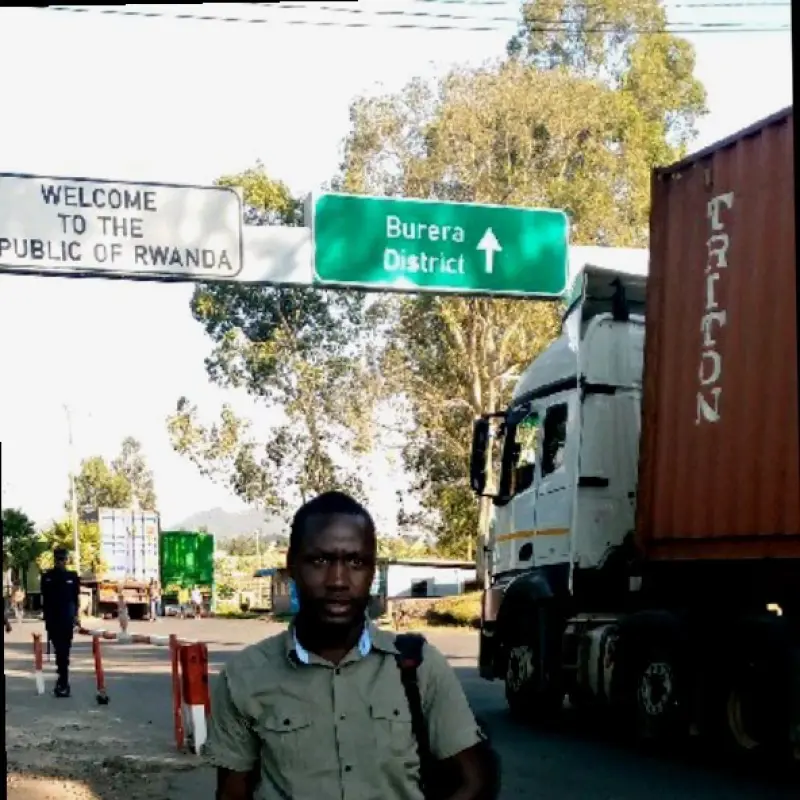
One of the great advantages of traveling in Uganda is the language. Most people speak English quite well, making communication easy and travel more comfortable.
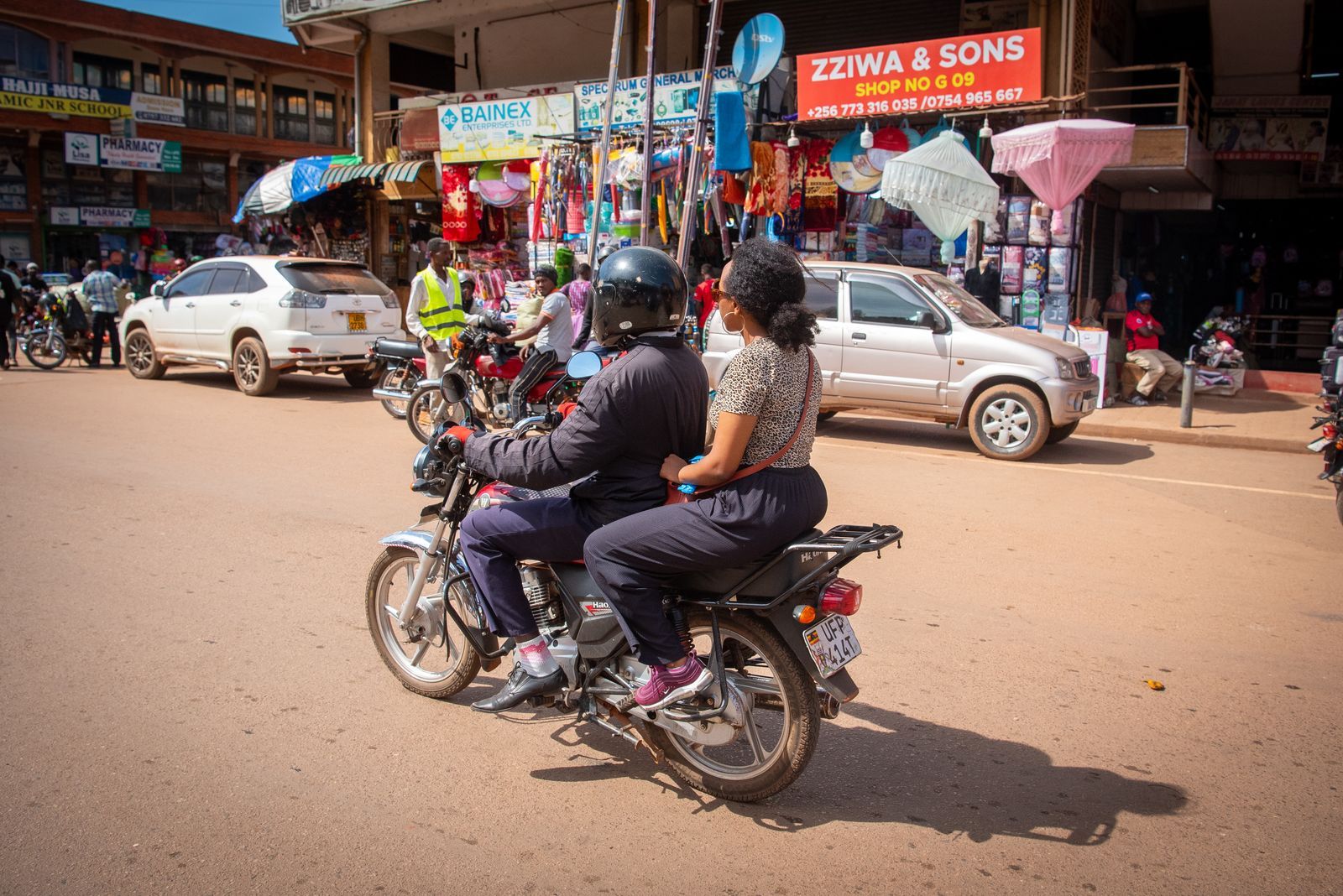
English Is Widely Spoken in Uganda
English is the official language of Uganda. It has been used since 1962, when Uganda became independent. English is taught in schools across the country. Children learn it from a young age. Teachers use English in class. Government offices use English. Businesses use English too. Because of this, many Ugandans speak English well. Some speak it fluently.
Others speak it simply but clearly. Even if the grammar is not perfect, the message is always understood. Communication is easy and natural. In cities like Kampala and Entebbe, English is spoken everywhere. In hotels. In restaurants. In shops. At airports. Taxi drivers speak English. Market sellers speak English. You can easily ask for directions or help.
What About Rural Areas?
When you leave the city, English is spoken a little less. But this is not a problem. People still understand basic English. And they are always willing to help. Ugandans are friendly by nature. If someone does not speak English well, they will quickly find someone who does.
In villages and remote areas, there is always a teacher, a student, or a local leader who speaks English. Communication may be slower, but it always works. You never feel stuck or lost. And when you travel with a guide, you never need to worry. Your guide speaks English very well. They also speak local languages. They help translate. They explain everything. They make sure you feel comfortable.
Uganda Has Many Local Languages
Uganda is a country with great cultural diversity. There are more than 40 local languages spoken across the country. Each region has its own language. Each group has its own history. Some of the most common local languages include Luganda, Lusoga, Runyankole, Rutooro, Acholi, and Ateso.
Luganda is the most widely spoken local language. It is common in central Uganda, especially around Kampala. Even though there are many languages, this does not cause confusion. Ugandans are used to living with many languages. Most people speak at least two or three languages. Often more.
Why Uganda Has So Many Languages
The many languages in Uganda come from history. Before colonial times, Uganda was made up of many kingdoms and communities. Each group had its own language and traditions. When the British arrived, they brought these groups together into one country. They introduced English as a common language. This helped people from different regions communicate with each other. Today, English connects all Ugandans. Local languages keep culture alive. Both exist side by side.
Will You Need to Learn a Local Language?
No, you do not need to learn a local language to travel in Uganda. English is enough. You can enjoy your trip without learning any local words. But learning a few words can be fun. It shows respect. It makes people smile. Simple words like “hello” or “thank you” are always appreciated.
For example, in Luganda:
- Hello: Nkulamisuzza (formal) or Ki kati (casual)
- How are you: Oli otya?
- I’m fine: Nddi bulungi
- Thank you: Weebale
- Yes: Ye
- No: Nedda
- Goodbye: Weraba
Do not worry about pronunciation. People appreciate the effort more than perfection.
Language Makes Travel Safer and Easier
Being able to communicate makes travel safer. You can ask questions. You can understand instructions. You can explain your needs. This gives peace of mind. If you feel sick, you can explain how you feel. If you need help, you can ask. If something is unclear, you can talk about it. Language removes stress. It allows you to relax and enjoy the journey.
Communication With Local People
Ugandans love to talk. They are curious. They ask where you are from. They want to know about your country. Conversations happen naturally. You may start talking to someone at a market. Or while waiting for tea. Or during a village walk. These moments are often highlights of a safari in Uganda. People are open. They laugh easily. They welcome visitors warmly. Language helps create real connections.
Guides Make Everything Easy
When you travel with Choose Uganda Safaris, you always have a professional guide. Your guide speaks excellent English. They know the country well. They understand local customs. They help you communicate with local communities. They explain traditions. They answer your questions. They make sure nothing is lost in translation. This allows you to focus on enjoying Uganda. You do not need to worry about language at all.
Language in Hotels and Lodges
In hotels and lodges, English is always spoken. Staff are trained to work with international guests. Menus are in English. Information is clear. If you have dietary needs, you can explain them. If you have questions about activities, staff will help. Service is friendly and professional.
Language and Cultural Respect
Even though English is common, respect is important. Speak politely. Smile. Be patient. Ugandans value kindness and respect. People may speak English differently than you are used to. Accents vary. Grammar may be simple. But communication always works. Listening is just as important as speaking. When you listen, people feel valued.
Traveling With Children
Uganda is also easy for families. Children can communicate easily. People are kind to kids. Hotel staff help families feel welcome. Language is never a problem when traveling with children. Kids often make friends quickly. Smiles speak every language.
Language Is Not a Barrier in Uganda
Language should never stop you from visiting Uganda. English is widely spoken. People are friendly. Communication is easy. Whether you are in the city or the countryside, you will always find a way to connect. And with a guide by your side, everything becomes even easier. Uganda welcomes you with open arms. And with a shared language, those arms feel even closer. If you have questions about language or travel in Uganda, feel free to ask. We are always happy to help.