Let’s be honest from the start. Malaria exists in Uganda. This sounds scary, but it should not worry you. Millions of travelers visit Uganda every year. Most return home healthy and happy. With the right preparation, malaria is easy to prevent and manage. This guide explains malaria in a clear and simple way. You will learn what malaria is, how it spreads, how to protect yourself, and why you can still travel to Uganda with peace of mind.
What Is Malaria?
Malaria is an illness caused by parasites. These parasites enter the body through a mosquito bite. Once inside the body, they affect the blood. Common symptoms include fever, chills, headache, sweating, and muscle pain. Some people also feel tired or sick to the stomach. Malaria is mostly found in tropical regions. Uganda lies in the tropics, so malaria is present here. The warm climate and water sources make it easier for mosquitoes to breed. Uganda has many lakes, rivers, wetlands, and forests. These are natural and beautiful places. They are also places where mosquitoes live.
How Malaria Is Spread?
Malaria is spread by mosquitoes. There is no special “malaria mosquito.” Any mosquito can carry the parasite. You cannot tell by looking at one. A mosquito becomes infected after biting a person who already has malaria. When that same mosquito bites another person, the parasite can pass on. So, malaria spreads from person to person through mosquitoes. It is important to understand this. You cannot catch malaria from food, water, or touching someone. Only a mosquito bite can transmit it.
Is Malaria Dangerous?
Malaria can be serious if left untreated. But it is very treatable when detected early. In Uganda, malaria is common. Because of this, clinics and hospitals are well prepared. Testing is fast. Treatment is effective. Most people recover quickly. The biggest risk happens when malaria is ignored. That is why awareness and prevention are important.
How to Prepare Before You Travel
Good preparation lowers your risk almost completely. The steps are simple and practical.
Talk to a Medical Professional: Before you travel, visit a doctor or travel clinic. They will advise you based on your health, age, and travel plans. They will also consider other medicines you take. This helps avoid side effects or interactions.
Take Preventive Medication: Some travelers take malaria prevention tablets. These are prescribed by a doctor. One common option is a daily tablet taken with food. Another option is a weekly tablet. Some people experience strong side effects from certain medications. That is why professional advice is important. Never choose medication without guidance.
Protect Yourself from Mosquito Bites: Preventing mosquito bites is the most important step. It is easy and effective. Apply mosquito repellent with DEET or similar ingredients. Use it on exposed skin. This works very well and is safe when used correctly. Reapply in the evening and at night.
Wear Protective Clothing: Mosquitoes are most active in the evening. Wear long sleeves, long trousers, and socks after sunset. Light-colored clothes work best. This creates a physical barrier against bites.
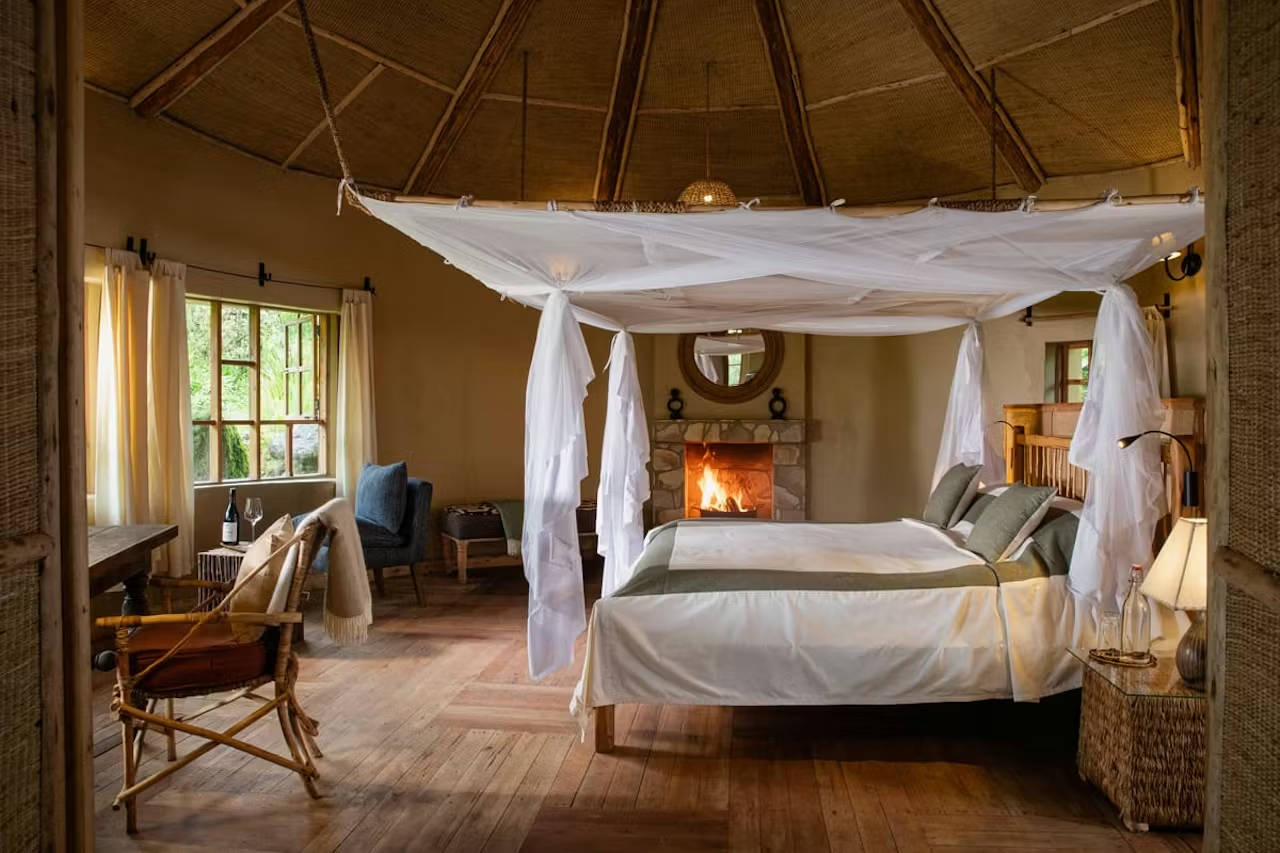
Sleep Under a Mosquito Net: Most lodges and hotels in Uganda provide mosquito nets. These are checked daily. Staff often spray rooms before bedtime. This gives you extra protection while you sleep.
Malaria Prevention at Lodges and Camps
Tourist accommodations in Uganda take malaria seriously. Mosquito control is part of daily operations. Rooms are sprayed regularly. Nets are provided. Windows are screened. Staff are trained to assist guests. These measures greatly reduce risk.
What If You Get Malaria?
Even with precautions, no method is 100% perfect. If you feel unwell, act quickly. Symptoms often feel like flu. Fever, chills, headache, or weakness are common signs. In Uganda, testing is fast. A simple blood test gives results in minutes. Treatment starts immediately. Most people feel better within a few days.
Malaria Can Appear After You Travel
Malaria does not always show symptoms immediately. Sometimes symptoms appear days or even weeks later. This often happens after travelers return home. This is important to know. If you feel sick after returning from Uganda, tell your doctor that you traveled to a malaria region. This helps them test and treat you faster.
Why Treatment Is Easier in Uganda
Malaria is common in Uganda. Because of this, healthcare providers recognize it quickly. Clinics have experience. Medication is readily available. Diagnosis is fast. In some Western countries, malaria is rare. Doctors may not suspect it immediately. This can delay treatment. So, if symptoms appear while you are still in Uganda, treatment is often easier and faster.
How Big Is the Risk?
The risk of malaria for travelers who prepare well is very low. Using repellent, wearing proper clothing, sleeping under nets, and following medical advice makes a huge difference. Many tour operators, including us, have guided travelers for many years. We have seen very few malaria cases among our guests. Good preparation works.
Do You Need to Worry?
No. You do not need to worry. You need to be aware. That is different. Malaria should be respected, not feared. Uganda is a safe and rewarding destination. The wildlife, landscapes, and people make it unforgettable. With simple precautions, you can enjoy your safari fully and safely.
Final Thoughts
Uganda is a tropical country. Mosquitoes are part of the environment. Malaria exists, but it is manageable and preventable. Travel smart. Prepare well. Take basic precautions. Do this, and you can explore Uganda with confidence. Track gorillas. Cruise the Nile. Walk in rainforests. Relax by the lake. Your journey will be filled with memories, not worries. If you would like more travel preparation tips for Uganda, we are always happy to help. Welcome to Uganda. Travel well.