Must Do Activities In Karamoja
A visit to the Karamoja guarantees an authentic glimpse into an ancient culture. According to anthropological studies, the Karamojong migrated south from present-day Ethiopia around 1600 BC.
Along with the Turkana (Kenya), Iteso, Dodoth, Jie, and other tribes, the Karamojong belong to the “Karamajong cluster,” which stretches across northeastern Uganda and South Sudan. This colorful tribe has managed to preserve its cultural heritage, allowing visitors to experience this age-old way of life, traditions, games, and dances without feeling touristy.
Below is a summary of all the activities Choose Uganda Safaris offers in this region:
1. Visit to traditional Manyatta
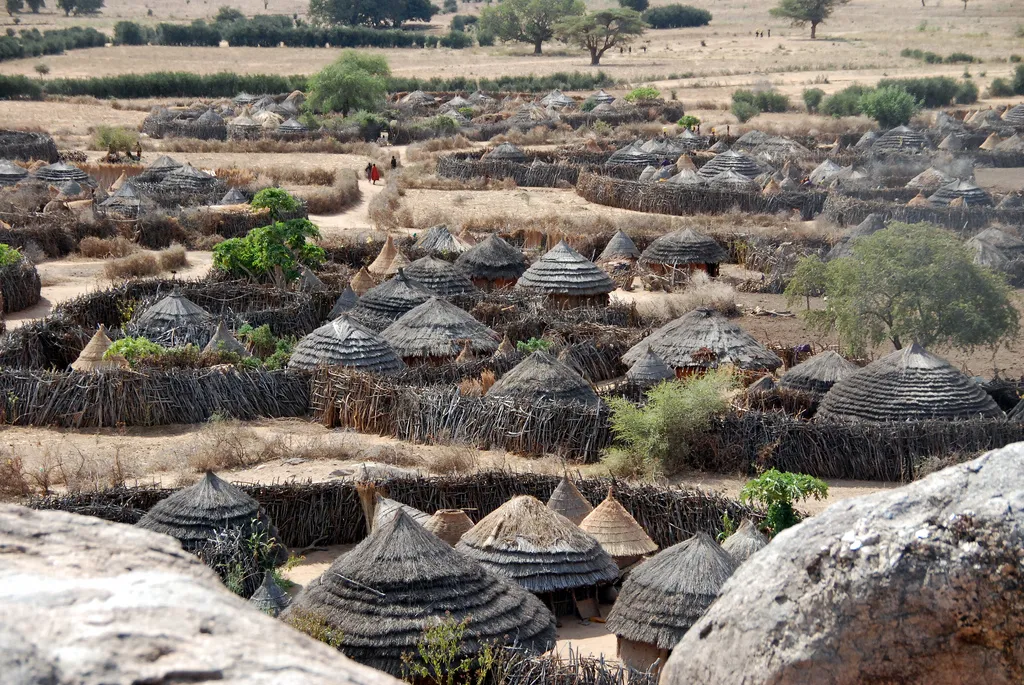
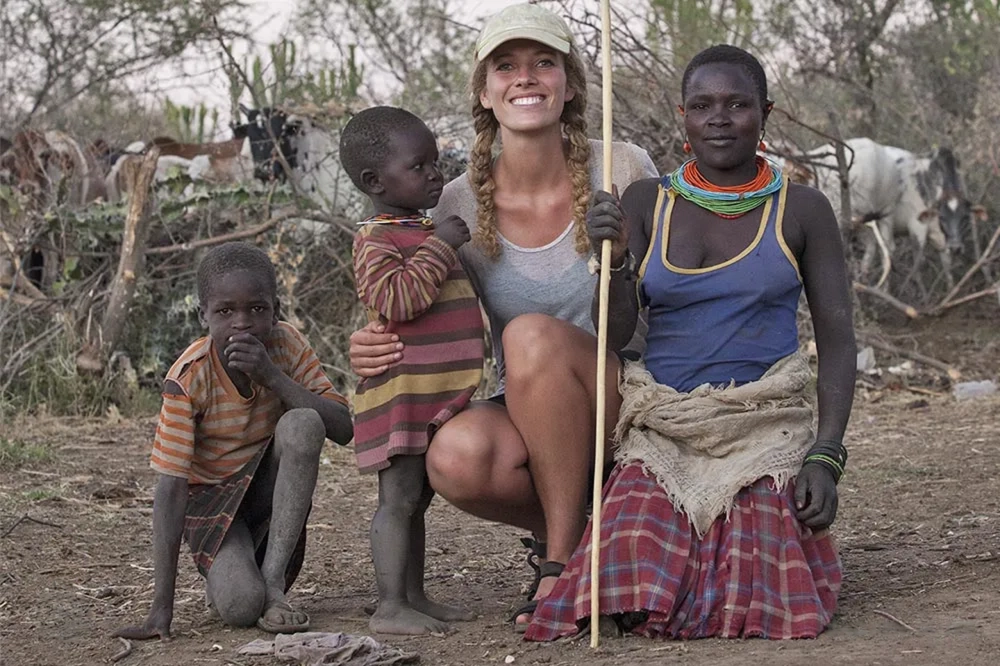
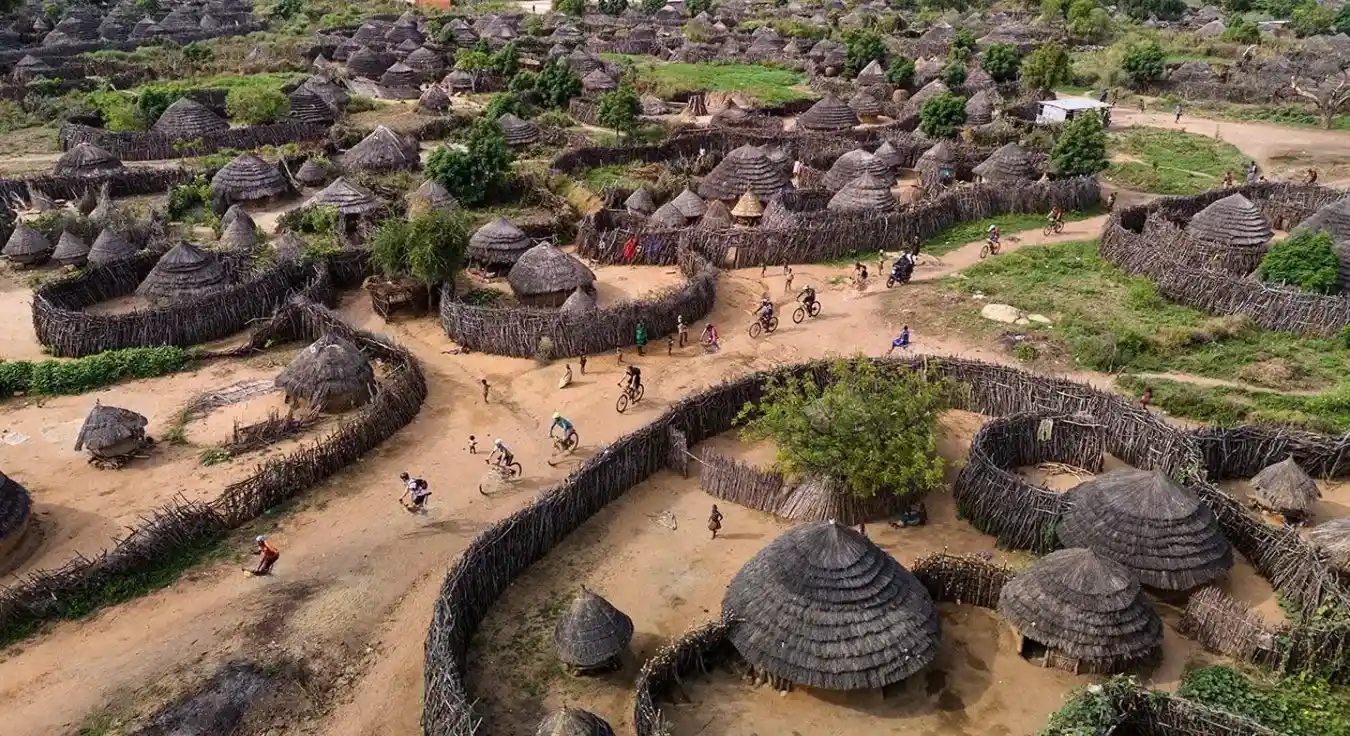
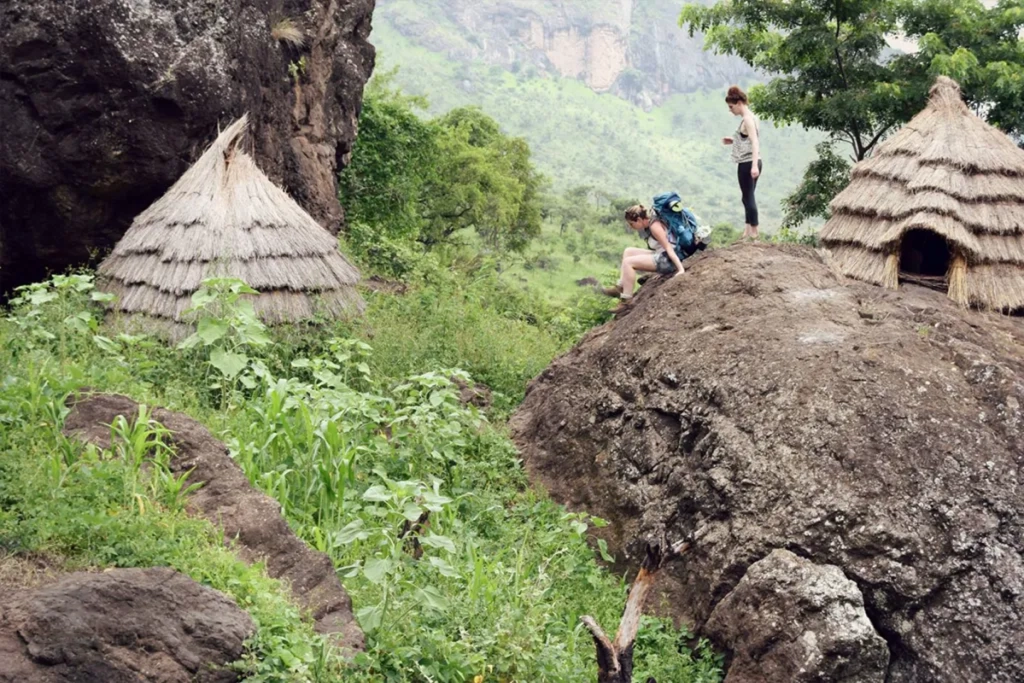
A manyatta is a village where the Karamojong people live. This culture is one of the oldest in Africa. From the moment you arrive, life is busy and real. Women milk cows and grind sorghum. Others shake yogurt or brew local beer. Men repair huts or prepare tools.
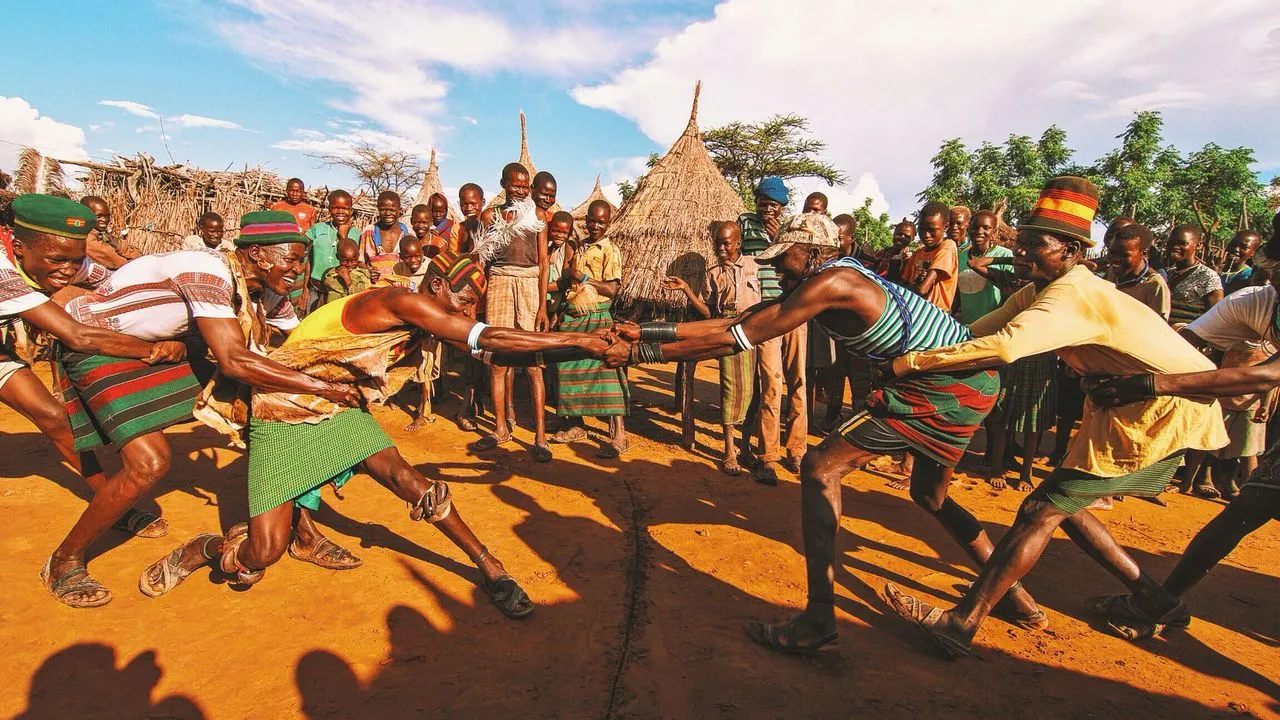
You walk through the village with a local guide who speaks English. He explains what is happening. This is not a tourist show. There is no timetable. You see real life as it happens. Sometimes you are invited to join in. You may carry firewood, fetch water, or try local games. You will also enjoy traditional dances, some once linked to cattle raids.
2. Winning honey
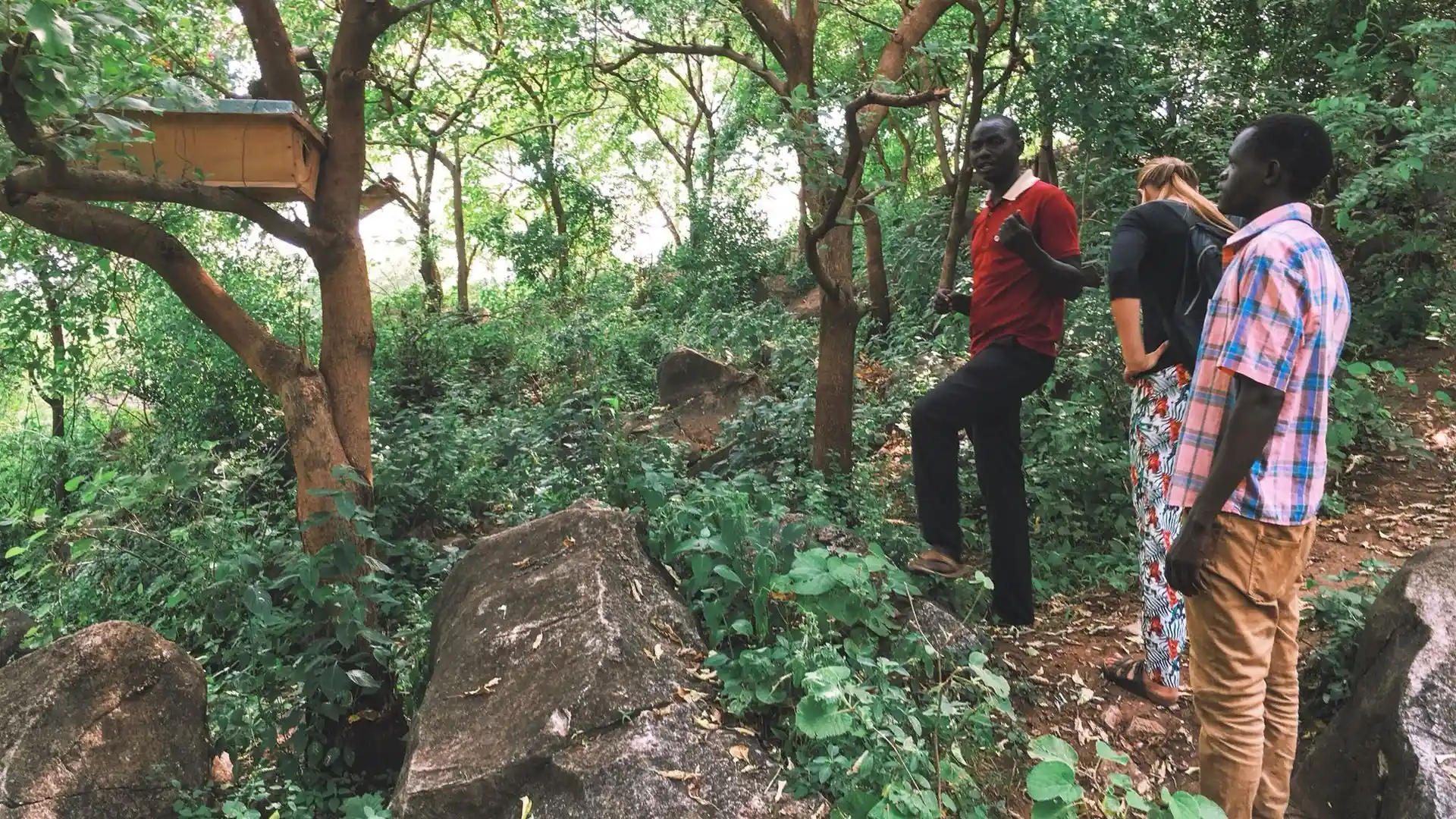
With a local hive owner and a companion, you will harvest honey from the hives. A small fire is sometimes used to calm the bees. The hives are located away from the manyattas, in wooded areas and valleys. Harvesting usually happens after sunset, when the bees are calmer. At the end, you get to take home a fresh jar of honey!
3. Traditional hunting
From January to March, you can join the Ik tribe during their traditional hunting season. The group hunts small game using spears, traps, and bows and arrows. The animals are brought back and prepared for the family. This experience shows traditional practices, but it is not suitable for those who are uncomfortable watching animals being killed.
4. Overnight stay in a kraal
A kraal is the enclosed area where cattle are kept at night. You can spend the night with the herders and help care for the cows. This includes bringing them back to the kraal, milking them, and drawing a small amount of blood for traditional consumption. In the morning, the cows are milked again and taken to graze and drink in nearby pastures.
5. Mountain and nature walks
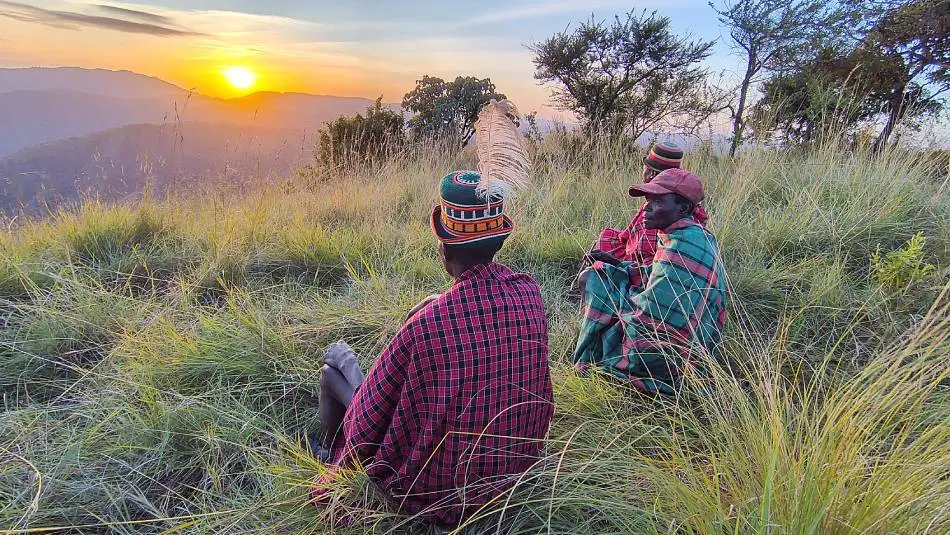
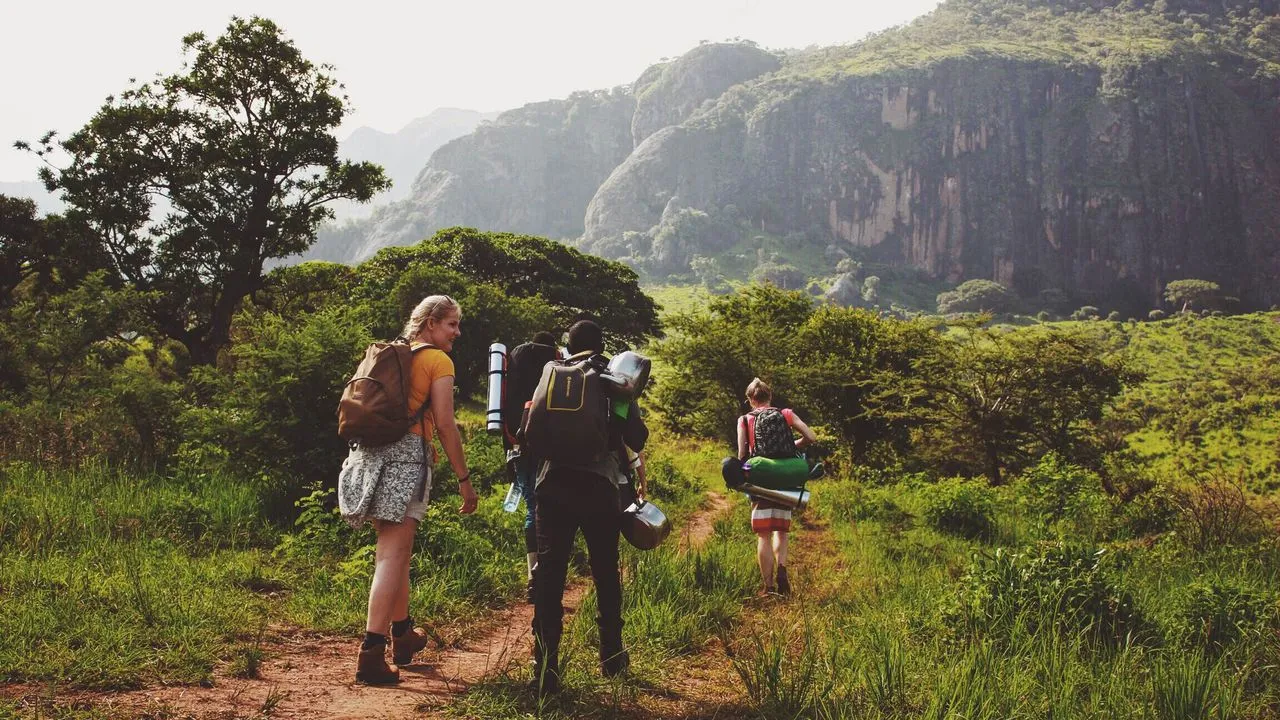
In the stunning surroundings of Karamoja, you can join morning walks or multi-day treks to the region’s highest peaks. During the walks, you will enjoy breathtaking views, waterfalls, and rare birds. Monkeys and other wildlife are often spotted along the trails. You will also learn about the local tribes that live in the mountains. On multi-day treks, you stay overnight at scenic spots, enjoying spectacular sunsets over Karamoja.
6. Cultural bike tour
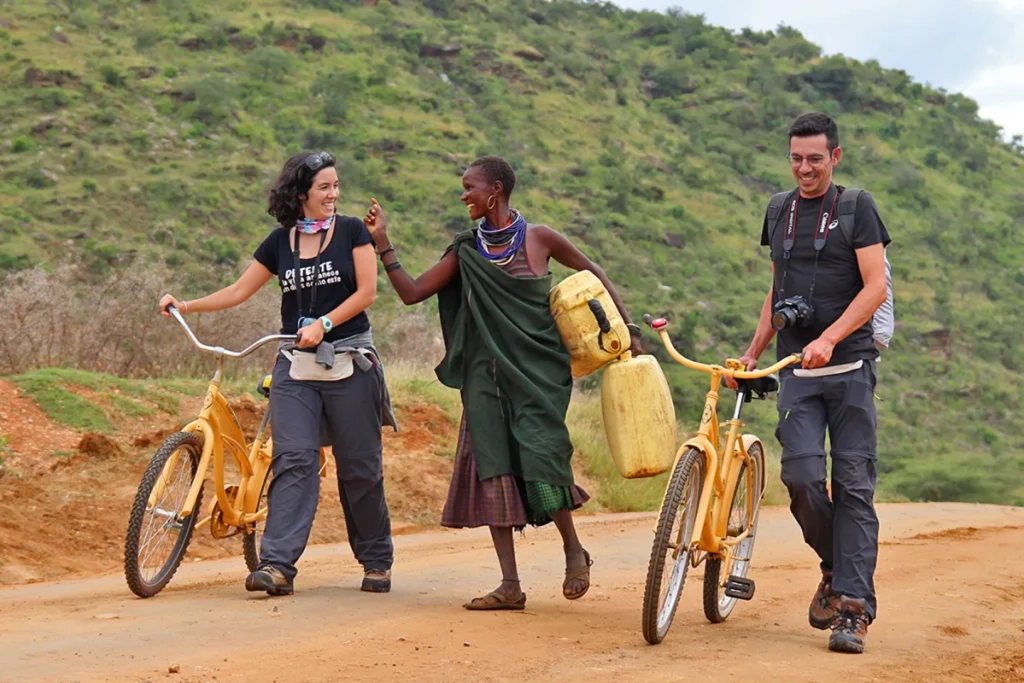
Ugandans love cycling, and you can join them on an unforgettable ride through Moroto. The ride combines authentic culture, stunning landscapes, and local villages for a truly special experience. You hop on a local bike and ride with a guide through fascinating villages. Meet the locals along the way and see daily life up close. Cycle along sandy paths, past wide fields, and reach areas cars cannot access.
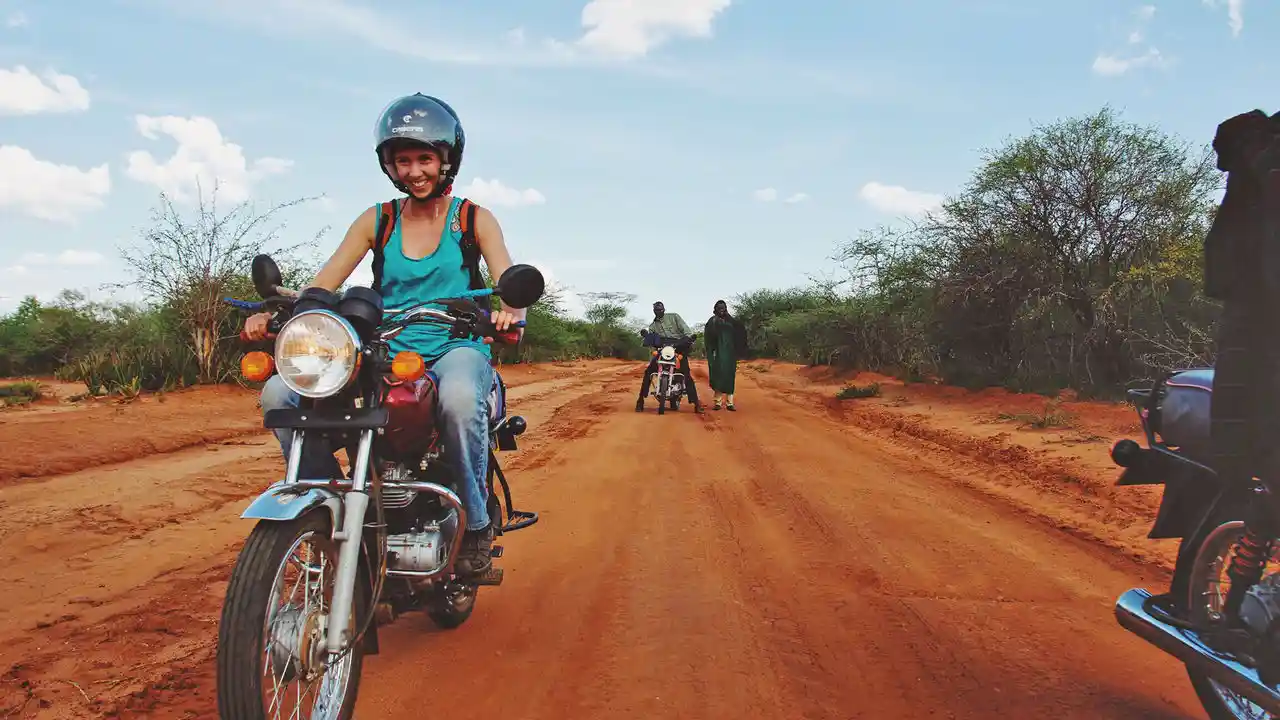
7. Boda Boda tour
Traveling through Karamoja region by boda-boda (motorbike taxi) is a fun way to explore the region. You ride on the back of a motorbike along quiet colonial roads through Uganda’s wild landscapes. You can stop anytime to explore. Visit villages, meet nomadic warriors, and learn about the pastoral culture. This is a unique way to see the untamed beauty of Karamoja.
8. Trekking Mount Kadam
Take a beautiful hike on Mount Kadam in Eastern Uganda. You can choose a day hike or a multi-day trek. Both are unforgettable experiences. On a multi-day trek, you start in a local village and meet guides and porters who will accompany you for 2–3 days.
You sleep in a tent on the mountain. The trail winds through countryside and dense forest, with gigantic trees all around. Watch for monkeys and many bird species. The path is natural, with sand, tree roots, and some steep sections. Good hiking boots and athletic clothes are recommended. Several campsites along the mountain offer amazing views and a chance to enjoy the scenery.
9. Safari in Kidepo
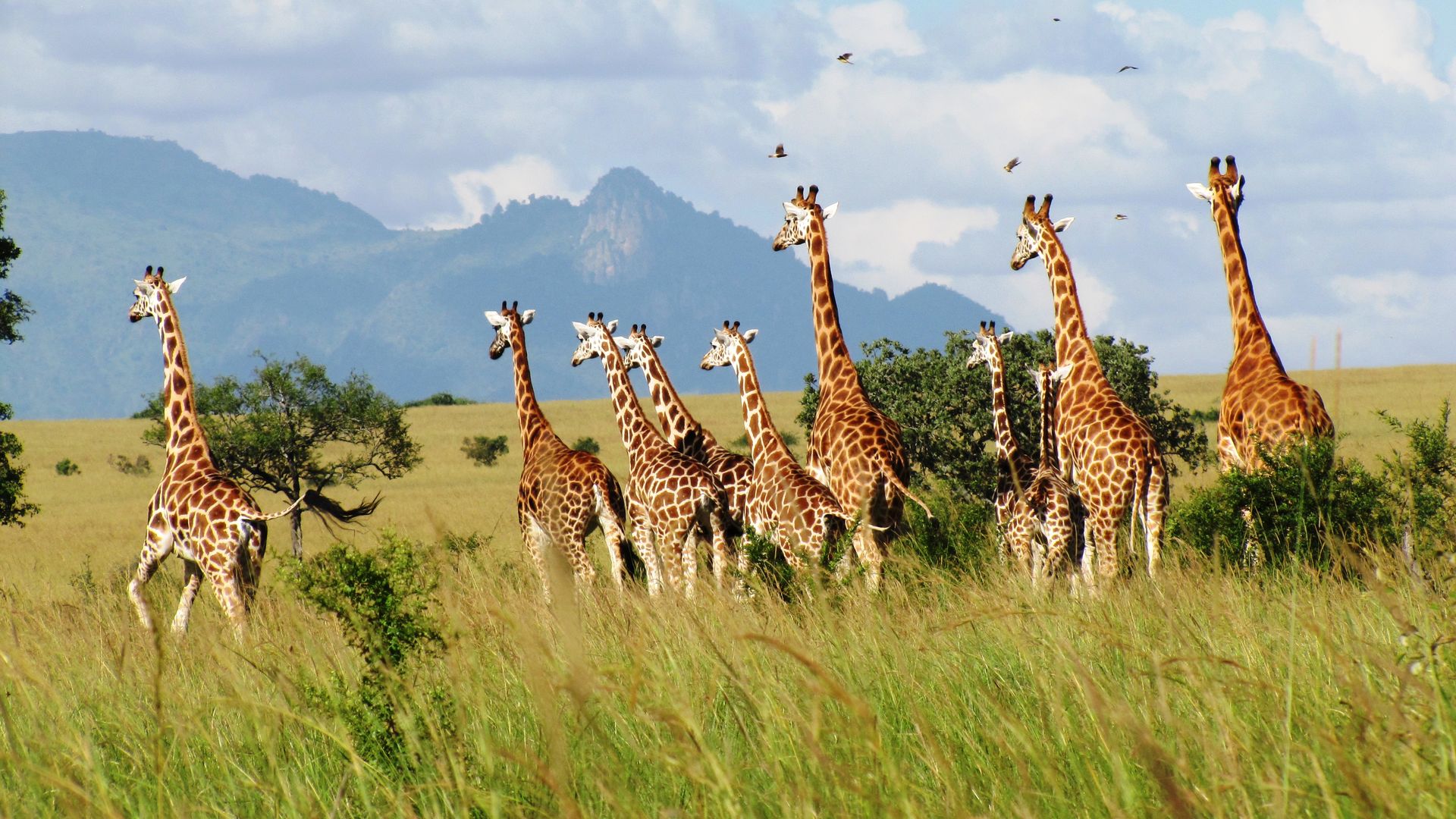
Kidepo is Uganda’s most remote park. The journey is long, but the reward is worth it. Kidepo is wild and stunning. The park has wide plains, rocky hills, and tall mountains. The views stretch for miles, and the silence is powerful. Very few people visit—only about 16 visitors a day.
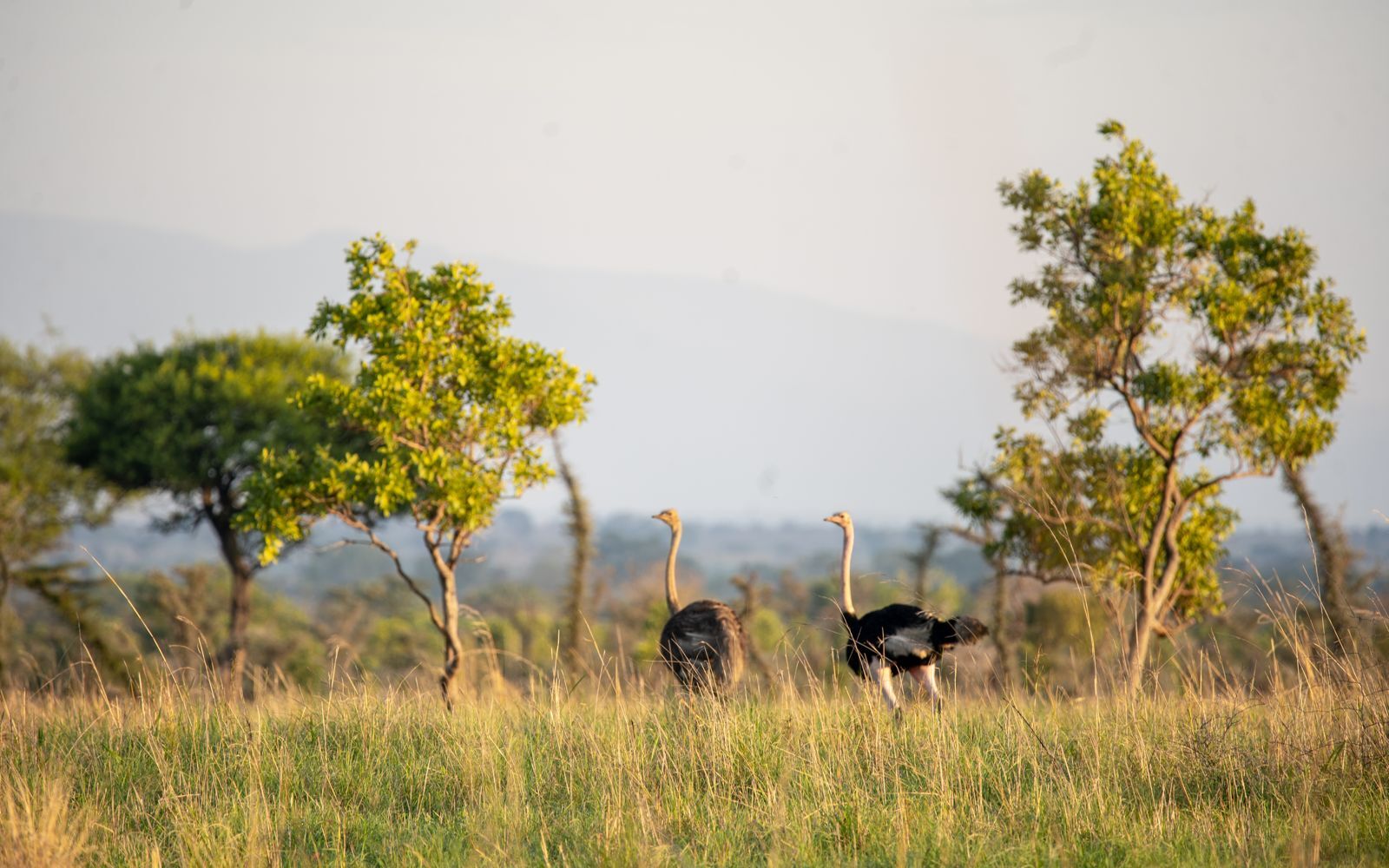
This makes for a private and peaceful safari experience. CNN once ranked Kidepo among Africa’s top parks. Wildlife is rich and unique. You may see lions, leopards, elephants, buffalo, and giraffes. Rare animals include cheetahs, bat-eared foxes, ostriches, kudus, and aardwolves. Almost 500 bird species live here. Kidepo is not just a park. It is true wilderness.
6. Safari In Pian Upe
Pian Upe Game Reserve lies between Sipi Falls and Moroto, in the Karamoja region. It is the second-largest protected area in Uganda, after Murchison Falls National Park. Mountains like Mount Kadam surround the reserve, creating stunning views. Rivers such as the Kadam and Matheniko bring life to this dry land. Wildlife is diverse. You may see giraffes, buffalo, and leopards. Rare animals include roan antelope, eland, ostriches, klipspringers, serval cats, and cheetahs. Few tourists visit, so you may have the park almost to yourself. The roads are rough, which makes walking safaris perfect. On foot, you feel close to nature and completely free.
7. Mount Moroto Hike
Mount Moroto rises to 3,083 meters and makes a perfect day hike. You start early from the base of the mountain. The trail passes through beautiful valleys and Tepeth manyattas. Along the way, enjoy wide views of the Karamoja plains. You reach a natural pool where water flows over a rocky ridge. The hike is about 10 kilometers. Some sections are steep but manageable for active travelers. This full-day adventure combines stunning scenery, fresh mountain air, and local culture. Mount Moroto offers nature, challenge, and an unforgettable experience.