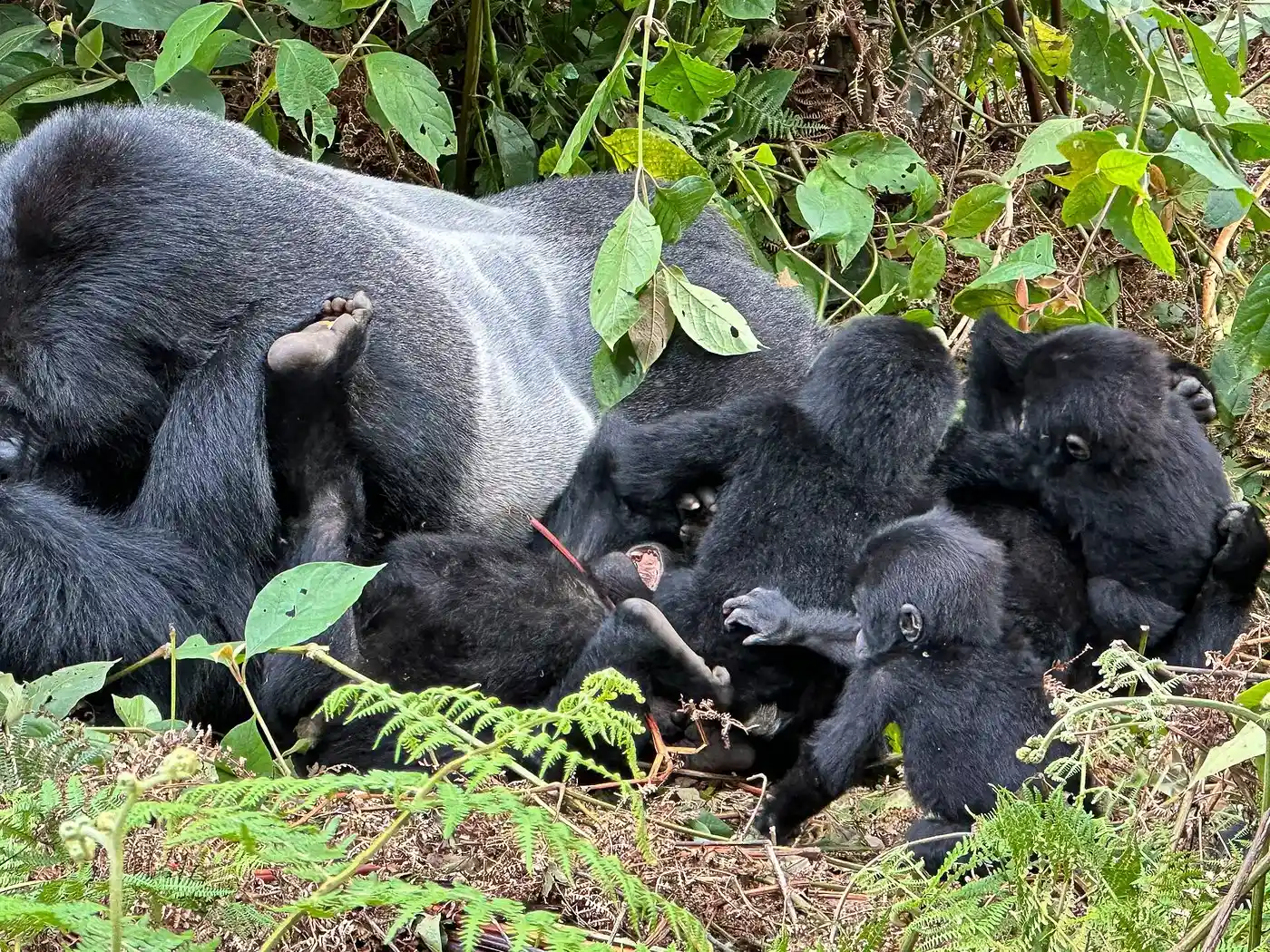
Bwindi Impenetrable Forest National Park is a premier African forest birding destination and UNESCO Natural World Heritage site, hosting over 350 bird species, including 23 Albertine Rift endemics. It is considered the “holy grail” for birders because it provides the only reliable habitat in Uganda for the elusive African Green Broadbill, alongside other rare species like Shelley’s Crimsonwing and the Handsome Francolin. The park’s massive altitudinal range—from 1,160 to 2,607 meters—creates diverse ecosystems, including montane forests and bamboo zones, that support high-altitude specialists and forest-edge species alike. Birding here is often paired with world-famous gorilla trekking, allowing visitors to encounter half the world’s mountain gorilla population while exploring renowned trails like Mubwindi Swamp in the Ruhija sector or the Buhoma Waterfall Trail.
For the best sightings, visit during the breeding peak in May and June or the migratory season from November to April, though the dry months (June–August and December–February) offer the most accessible trekking conditions.
Key Birding Sectors & Trails In Bwindi
Ruhija (High Elevation):
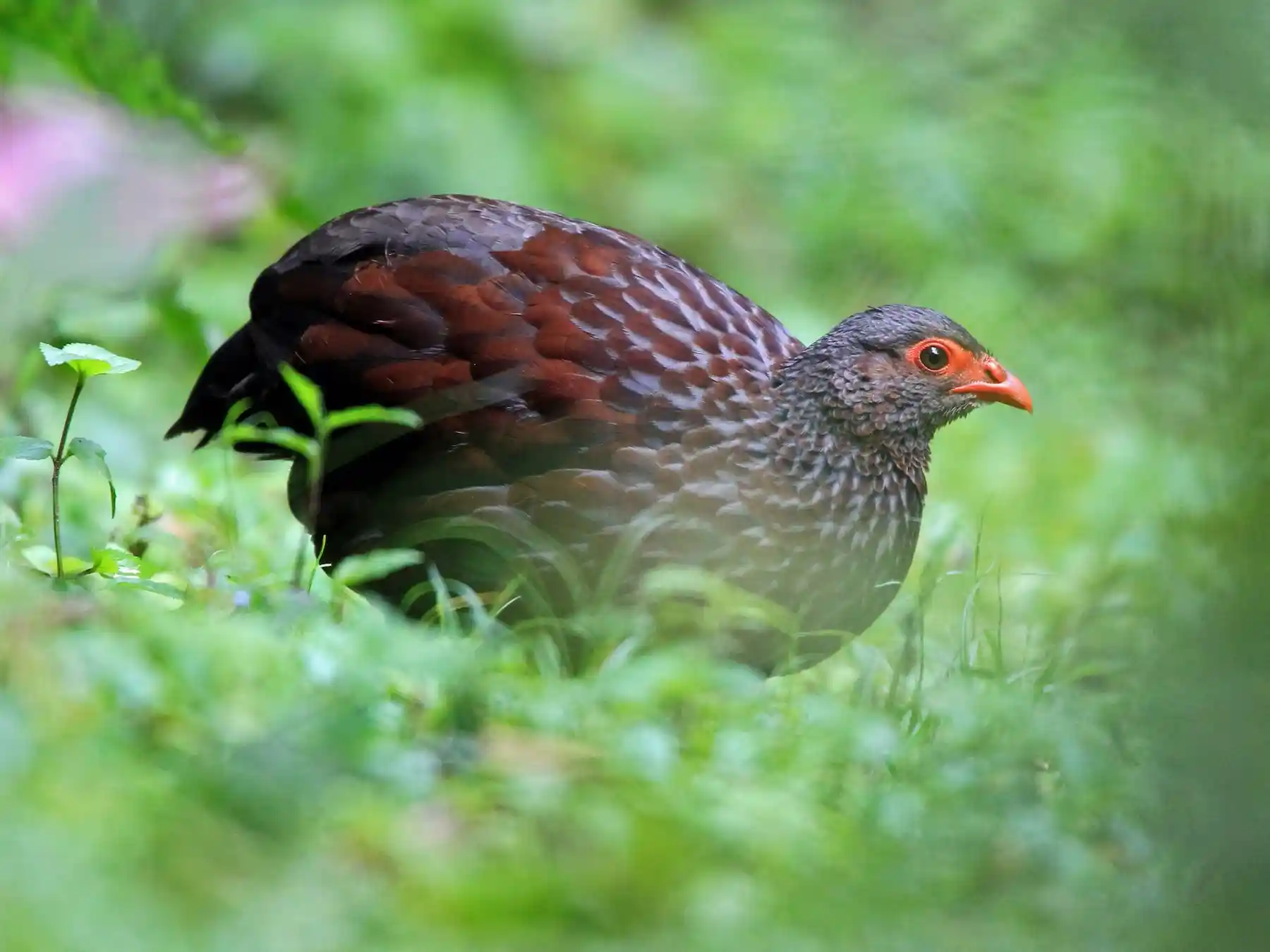
The Ruhija sector, perched at the highest elevations of Bwindi, serves as the park’s undisputed crown jewel for birders seeking the “Albertine Rift Endemics”. This misty, high-altitude terrain provides the most critical habitat for the elusive African Green Broadbill, which is best sighted along the descent to the Mubwindi Swamp, a three-hour hike through dense montane forest that also yields sightings of the Grauer’s Rush Warbler and Handsome Francolin.
Because of its unique elevation (up to 2,500m), Ruhija offers a cooler climate and clearer canopy views than the lower sectors, making it the premier location to check off high-target species like the Regal Sunbird, Archer’s Robin-Chat, and Strange Weaver. For the best experience, birders can book specialized guides through the Uganda Wildlife Authority and stay at high-altitude eco-lodges and camps like Gorilla Mist Camp to ensure early morning access to the trailhead.
Buhoma (Lower Elevation)
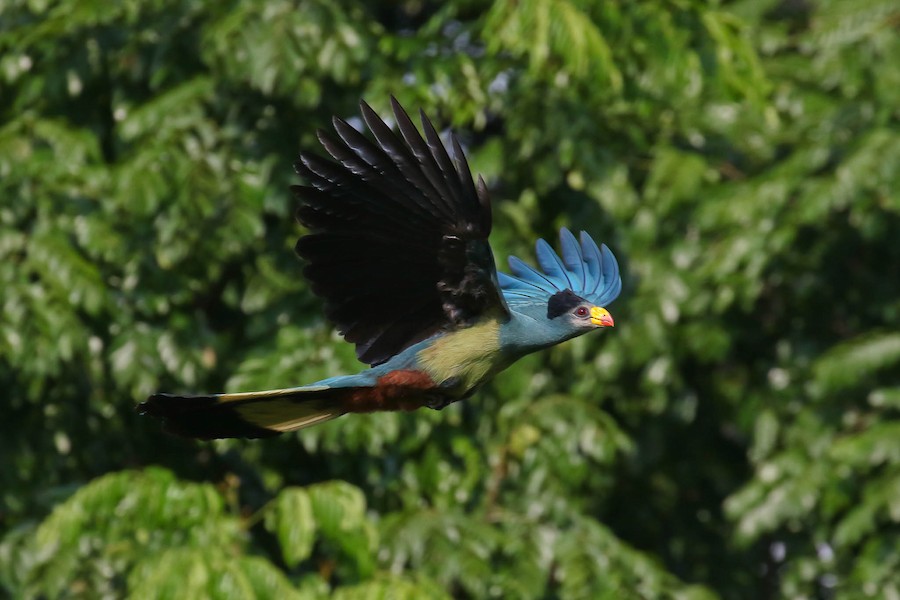
The Buhoma sector, situated at the park’s lower elevation of approximately 1,500m, offers a more accessible yet equally vibrant birding experience characterized by lush riverine forests and open forest margins. This sector is the primary stronghold for over 190 species, including ten Albertine Rift endemics, and is the most reliable place to spot the spectacular Great Blue Turaco and the Black-billed Turaco. Key birding occurs along the Munyaga River Trail and the Waterfall Trail, where the lower canopy allows for easier sightings of the rare Short-tailed Warbler, African Broadbill, and the striking Black Bee-eater. Buhoma remains a favorite for birders who appreciate diverse “mixed feeding flocks” that often include the Yellow-streaked Greenbul and Red-throated Alethe.
Its well-developed infrastructure also means birders can easily transition from a morning of tracking the Ross’s Turaco to an afternoon community visit, staying at premium eco-lodges like Buhoma Lodge or Sanctuary Gorilla Forest Lodge located inside the forest.
The Neck
The Neck, a narrow corridor of riverine forest connecting the northern and southern sectors of Bwindi, provides a unique mid-elevation birding habitat (around 1,500m) that is arguably the best place in the park to see the stunning Black Bee-eater. Often birded as a half-day excursion along the main road between Buhoma and Ruhija, this area features the fast-flowing Munyaga River, where specialized species like the Cassin’s Flycatcher and Mountain Wagtail can be seen hunting from exposed rocks in the water. The lush roadside vegetation is a reliable hotspot for the localized Chapin’s Flycatcher and the Many-colored Bush-shrike, while the dead trees lining the valley offer perfect perches for the African Black Duck and the Fine-banded Woodpecker. Because it serves as a transition zone, “The Neck” allows birders to spot both high-altitude endemics and lower-altitude forest specialists in a single location, making it an essential stop for any comprehensive birding tour.
Top Target Bird Species in Bwindi
The "Big Three" Rarities
- African Green (Grauer’s) Broadbill: Often called the “Holy Grail” of African birding, this critically endangered bird is best sighted at Mubwindi Swamp in the Ruhija sector, especially during its breeding season from May to July.
- Shelley’s Crimsonwing: One of the world’s rarest and most elusive birds, primarily found in the high-altitude bamboo zones.
- Grauer’s Rush Warbler: A globally threatened species strictly confined to high-altitude swamp vegetation, most reliably seen in Ruhija.
Albertine Rift Endemics
These species are restricted to the Rift region and are top priorities for any Bwindi birding tour:
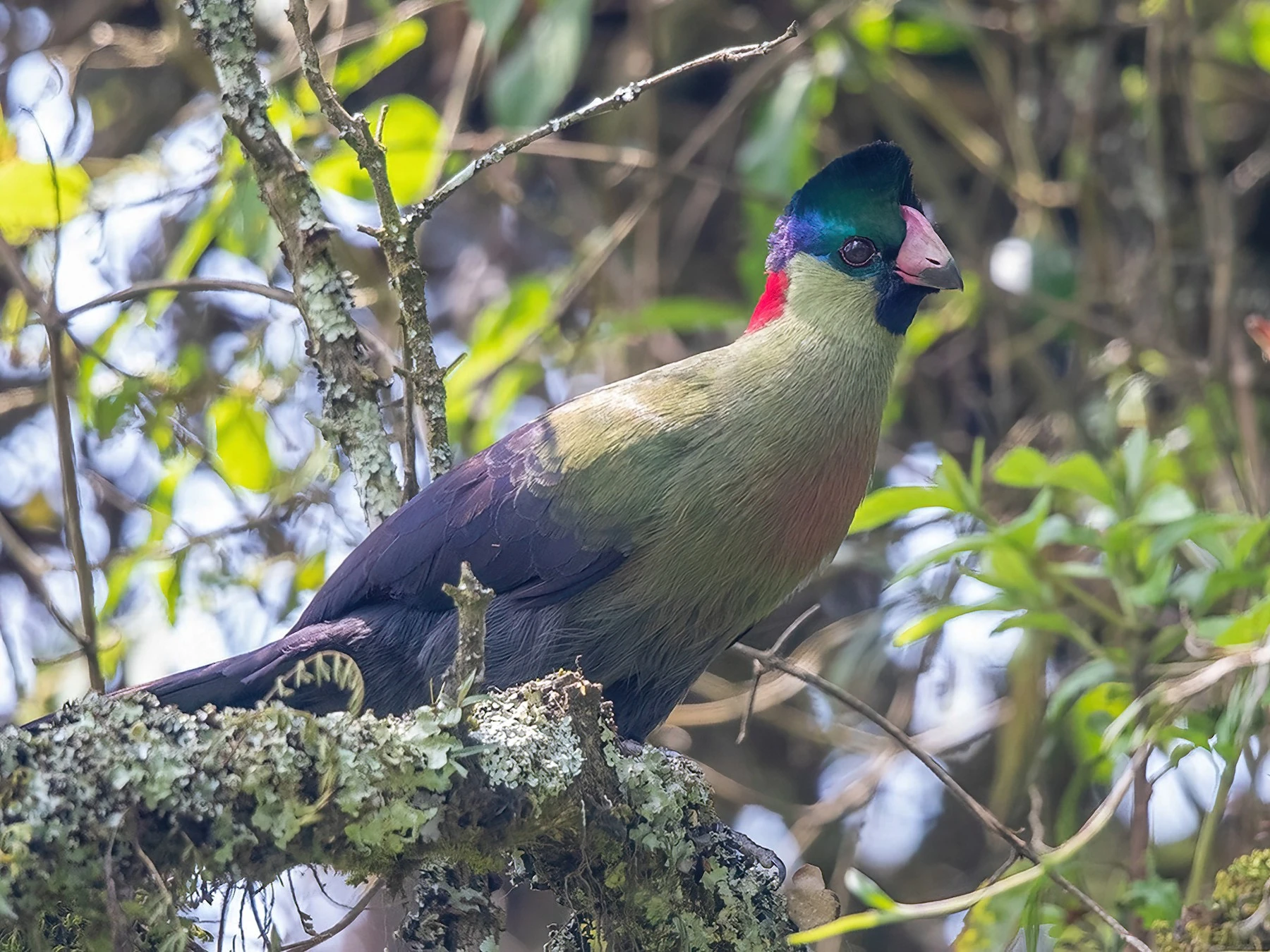
- Sunbirds: Regal Sunbird, Blue-headed Sunbird, and the striking Purple-breasted Sunbird.
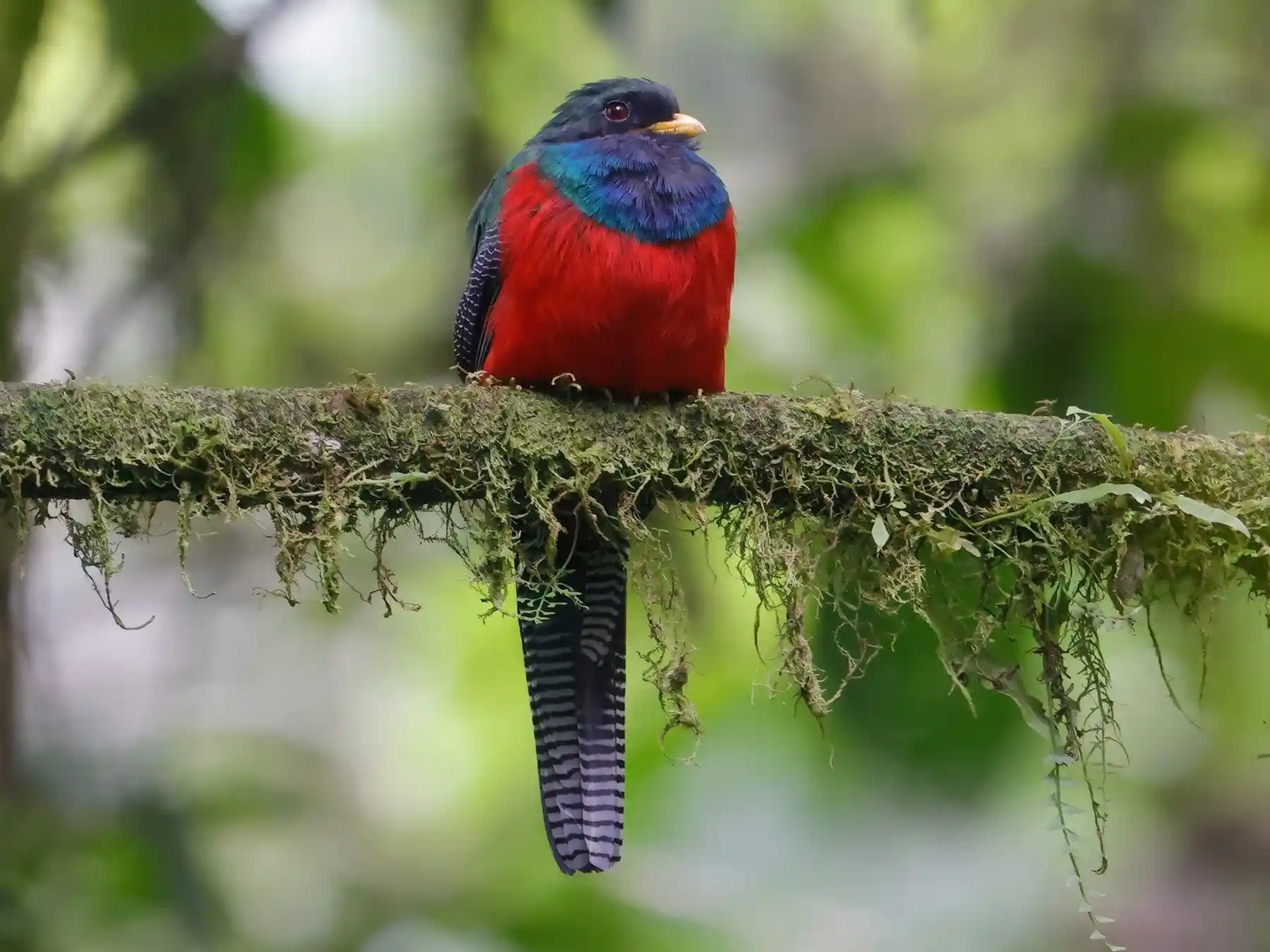
- Turacos & Trogons: Rwenzori Turaco and Bar-tailed Trogon.
- Flycatchers & Thrushes: Chapin’s Flycatcher, Yellow-eyed Black Flycatcher, Kivu Ground Thrush, and Archer’s Robin-Chat.
- Warblers & Apalises: Short-tailed Warbler, Neumann’s Warbler, Red-faced Woodland Warbler, and Mountain Masked Apalis.
- Other Specialties: Handsome Francolin (Spurfowl), Rwenzori Batis, Stripe-breasted Tit, and Strange Weaver.
Spectacular Forest Specialists
- Turacos: The massive Great Blue Turaco and the Black-billed Turaco are frequent highlights in the lower-elevation Buhoma sector.
- Bee-eaters: The Black Bee-eater, often found at “The Neck,” and the Cinnamon-chested Bee-eater.
- Cuckoos & Hornbills: African Emerald Cuckoo, Black-and-white-casqued Hornbill, and the Crowned Hornbill.
- Raptors: The powerful Crowned Hawk-Eagle and the African Harrier-Hawk
Best Time for Birding In Bwindi
Birding in Bwindi Impenetrable National Park is rewarding throughout the year, but the most favorable periods are March and September, when bird activity is especially high.
These months balance good weather with excellent visibility and vocalization, making it easier to spot both resident and endemic species. June and July are the driest months, offering more comfortable trekking conditions, while heavier rainfall typically occurs from March to May and from September to November. Although rain enhances forest productivity, prolonged showers can limit bird-watching time and reduce accessibility on some trails.
The main nesting season runs from May to June, a period when bird behavior is particularly interesting to observe. Food availability increases from late May through September, attracting a wide variety of species and improving overall sightings. For birders hoping to see the rare and highly sought-after Grauer’s broadbill, the Mubwindi Trail offers the best chance, especially between May and July. Migratory species arrive from November to April, adding diversity during these months, though Bwindi’s primary appeal remains its exceptional range of resident forest birds rather than migrants.
Essential Preparation
- Permits: While gorilla trekking requires high-cost permits ($800), birding is a separate activity that often requires a park entrance fee and a guide fee.
- Gear: Waterproof hiking boots, binoculars (8×42 or 10×42), and a field guide like The Birds of East Africa are highly recommended.
- Guides: Using a local birding expert is essential for identifying species by call in the dense canopy.