6-Day Uganda Gorilla Trekking & Safari Trips

six Day Uganda Tours

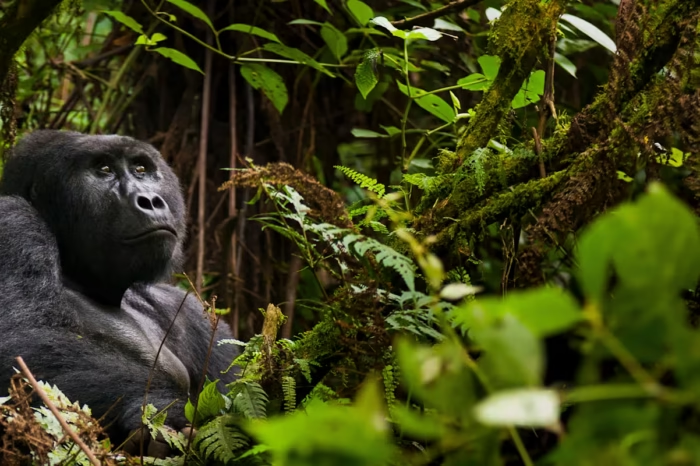
Uganda is unique. Many of Africa’s top safari destinations are known for their vast savannahs and plains wildlife. Uganda is different. It is fertile, well-watered, and best known for its lush jungles and wealth of forest-dwelling birds and primates. Gorilla trekking is the headline attraction. Close behind is the opportunity for you to hang out with some of Africa’s most habituated chimpanzee communities

Yet Uganda’s moist savannah also scores highly when it comes to seeing classic safari icons such as elephant, lion, giraffe, buffalo, and hippo. A 6-day Uganda safari gives you the chance to experience more than one side of this compact and biodiverse equatorial country.

Uganda 6-day gorilla Trekking & safari trip packages

All Can Be Customized
Frequently asked questions

6-Day Uganda Gorilla Trekking and Safaris

A 6-day Uganda tour often raises questions. To ensure you are well prepared, we have answered the most important questions for you below.

Is 6 days enough time for a tour in Uganda?

Yes, it is. A 6-day Uganda safari gives you enough time to experience several of the country’s biggest highlights. You can comfortably include both gorilla trekking and chimp trekking in your itinerary. There is also time to visit at least one savannah park and look for some of the Big Five: lion, leopard, elephant, buffalo, and rhino. 

However, Uganda has a lot to offer. Six days is not enough to see everything. For that reason, we recommend focusing on a few key experiences rather than trying to fit too much into one trip. A well-planned 6-day itinerary strikes the right balance. You get to see a great deal of Uganda without feeling rushed from one place to the next.

That largely depends on whether gorilla trekking is on your wish list.

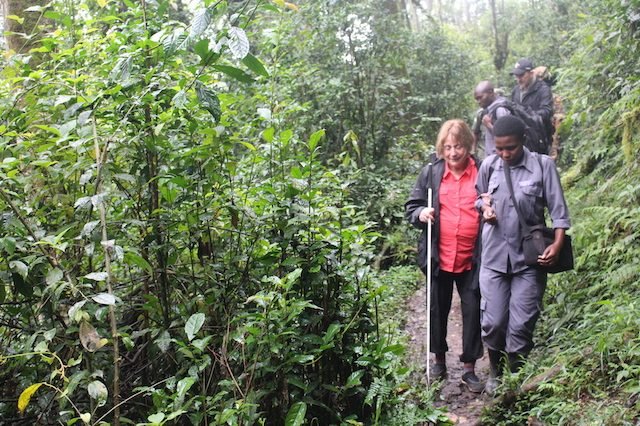
If it is, your safari will most likely focus on southwestern Uganda, home to the country’s two gorilla trekking destinations. 

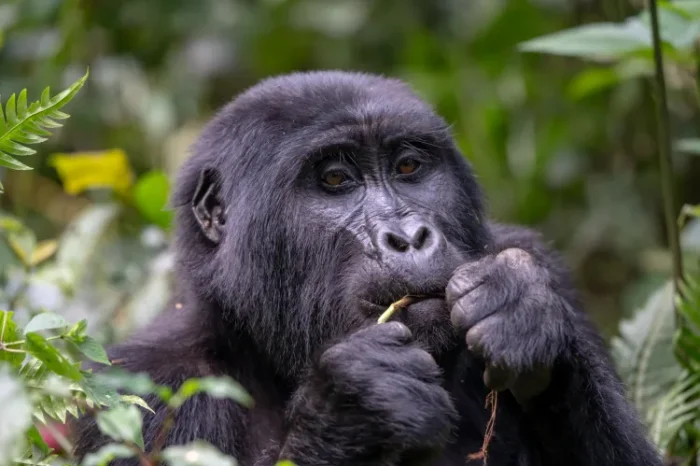
The most popular is Bwindi Impenetrable National Park, which offers the largest number of permits and trekking opportunities. The alternative is Mgahinga Gorilla National Park. Set on the scenic slopes of the Virunga Mountains, it is quieter and more exclusive, but only one habituated gorilla family can be visited each day.

Most 6-day itineraries in the southwest also include Queen Elizabeth National Park. This diverse park combines forest, savannah, and wetlands, and is one of Uganda’s best wildlife destinations. Highlights include the famous tree-climbing lions of Ishasha, boat safaris along the wildlife-rich Kazinga Channel, and beautiful views of the snowcapped Rwenzori Mountains.

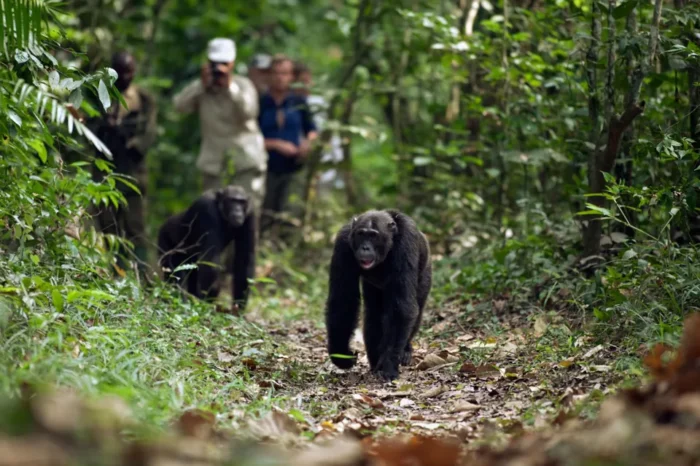
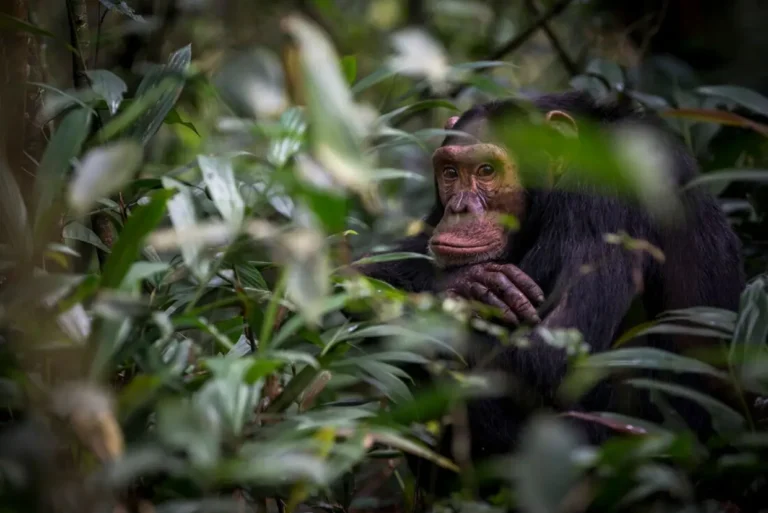
Many travelers also add chimpanzee trekking to their itinerary. Popular locations include Kalinzu Forest Reserve, Kyambura Gorge, and Kibale National Park. Lake Mburo National Park is another worthwhile stop and is conveniently located along the route between Entebbe and the gorilla parks.

If gorilla trekking is not a priority, we often recommend heading north instead. A fantastic 6-day safari combines Murchison Falls National Park, Ziwa Rhino and Wildlife Ranch, and chimpanzee trekking in Budongo Forest. If you are looking for something more remote and off the beaten track, Kidepo Valley National Park is another excellent option and can also be combined with a visit to Ziwa.

It depends largely on where you go during your 6-day safari. 

If your itinerary includes gorilla and chimpanzee trekking in southwestern Uganda, you can be almost certain of seeing mountain gorillas. Your chances of seeing chimpanzees are also very good, typically above 80%.

If you visit Queen Elizabeth, Murchison Falls, or Kidepo Valley National Park, you will have the opportunity to see four of the Big Five. Rhinos are the only exception. In these parks, elephants, buffalo, and lions are regularly seen, while leopard sightings are possible but less predictable.

Boat safaris in Queen Elizabeth and Murchison Falls are excellent for spotting hippos, crocodiles, and a variety of waterbirds. Giraffes are commonly seen in Murchison Falls, Kidepo Valley, and Lake Mburo National Park.

If seeing rhinos is on your wish list, a stop at Ziwa Rhino and Wildlife Ranch is highly recommended. Uganda’s only wild white rhinos live here, and they can be tracked on foot with an almost guaranteed chance of success.

You will also encounter plenty of antelope along the way. The most distinctive is the Uganda kob, a species found only in Uganda.

Uganda is equally famous for its primates. Depending on where you travel, you may see olive baboons, vervet monkeys, red-tailed monkeys, patas monkeys, L’Hoest’s monkeys, Uganda mangabeys, and several species of colobus monkeys.

And then there are the birds. With more than 1,080 recorded species, Uganda is one of Africa’s top birding destinations. Whether you are exploring forests, wetlands, rivers, or savannahs, colorful and fascinating birdlife is never far away.

If you have a few extra days, there are plenty of ways to make your Uganda adventure even more memorable.

One popular option is white-water rafting on the Nile near Jinja. This is one of the best places in Africa for river-based adventure and an excellent choice for active travelers.

If you are spending extra time in Entebbe, you could visit the Ngamba Island Chimpanzee Sanctuary on Lake Victoria. It is a rewarding excursion and a great way to learn more about Uganda’s primates.

For something more relaxed, consider a canoe trip through Mabamba Swamp. This wetland is one of the best places in Africa to look for the shoebill, a remarkable bird that many visitors dream of seeing.

If you would like to continue your journey elsewhere in East Africa, there are several excellent options. Zanzibar is a short flight from Entebbe. This beautiful island lies just off the coast of Tanzania and is known for its rich Swahili culture, historic Stone Town, and stunning white-sand beaches. After an active safari, it is the perfect place to relax and unwind before heading home.

Uganda is a year-round destination. Gorilla trekking, chimp trekking, and safari activities take place throughout the year, and the national parks never close.

That said, the best time to visit is during the drier months of June to August and December to February. These months usually offer the most comfortable trekking conditions, especially in the forests where gorillas and chimpanzees are found.

Wildlife viewing in the savannah parks is also often at its best during the Dry season, as animals tend to gather around rivers, waterholes, and other reliable water sources.

The wettest period of the year is from March to May. Travel is still possible, but forest trails can be muddy and slippery, making trekking more challenging.

For most travelers, the Dry seasons offer the best overall conditions for exploring Uganda.

The cost of a 6-day Uganda safari depends on the activities included and the standard of accommodation you choose.

If your itinerary includes both gorilla trekking and chimp trekking, you can generally expect to pay between US$2,000 and US$3,500 per person. This usually includes trekking permits, park fees, accommodations, meals, transport, and guiding services.

Safaris that do not include gorilla trekking are often considerably more affordable, as the gorilla permit is one of the largest expenses.

At the other end of the scale, luxury safaris that use high-end lodges and domestic flights can cost significantly more.

Ultimately, the price depends on the style of safari you are looking for. Whether you prefer a budget-friendly adventure, a comfortable mid-range trip, or a luxury experience, there are options to suit different budgets and travel styles.