Categories
- Accommodation
- Accommodation at Kibale Forest
- Active Tour Lodges
- Best Lodges
- Birding Guides
- Budget accommodation at Kibale
- Budget accommodation in Uganda
- Budget Hotels in Entebbe
- Budget Murchison Falls Accommodation
- Bwindi Guides
- Bwindi Lodges
- Bwindi National Park Guides
- Culture & Nature
- Entebbe Hotels
- Exclusive Lodges In Bwindi
- Exclusive Lodges In Murchison Falls National Park
- Exclusive Lodges in Queen Elizabeth National Park
- Family Friendly Lodges
- Gorilla Trekking
- Gorilla trekking guides
- great blogs
- Guides
- High End Accommodation At Kibale
- Jinja Accommodation
- Kampala Hotels
- Kibale
- Lodges in Mgahinga
- Luxury accommodation at Kibale
- Luxury Accommodation in Queen Elizabeth National Park
- Luxury Accommodation Options
- Luxury Hotels In Entebbe
- Luxury Lodges In Bwindi
- Luxury Murchison Falls Accommodation
- Midrange accommodation at Kibale
- Midrange Hotels In Entebbe
- Midrange Lodges In bwindi
- Midrange Murchison Falls Accommodation
- Murchison Falls Guides
- Murchison Falls Lodges
- Murchison Lodges
- News
- Popular
- Primate Lodges
- Queen Elizabeth Guide
- Queen Elizabeth National Park Accommodation
- Semi Luxury Lodges In Bwindi
- Semi-Luxury Entebbe Hotels
- Travel Guide
- Travel Inspirations
- Uganda Honeymoon Lodges
- Uncategorized

5 Days Uganda Safaris
Uganda is a dream destination for wildlife safaris. You can trek alongside magnificent mountain gorillas in Bwindi Impenetrable Forest. Watch playful chimpanzees swinging through the trees in Kibale Forest. Spot the rare tree-climbing lions and over 1,080 beautiful bird species.
For nature lovers, the landscapes are breathtaking. From the golden savannahs of the northeast to the dense jungles of the west, Uganda is full of surprises. Africa’s largest lake sparkles under the sun, while the snow-capped Mountains of the Moon tower above misty valleys. You can challenge yourself on the wild white-water rapids of the Nile or hike to the icy peaks of the Rwenzori Mountains.
Planning a 5-day Uganda safari can be hard—you’ll want to do it all. But no matter what you choose, Uganda delivers unforgettable moments, up-close wildlife encounters, and landscapes you’ll never forget.
Is 5 days enough time for a safari in Uganda?
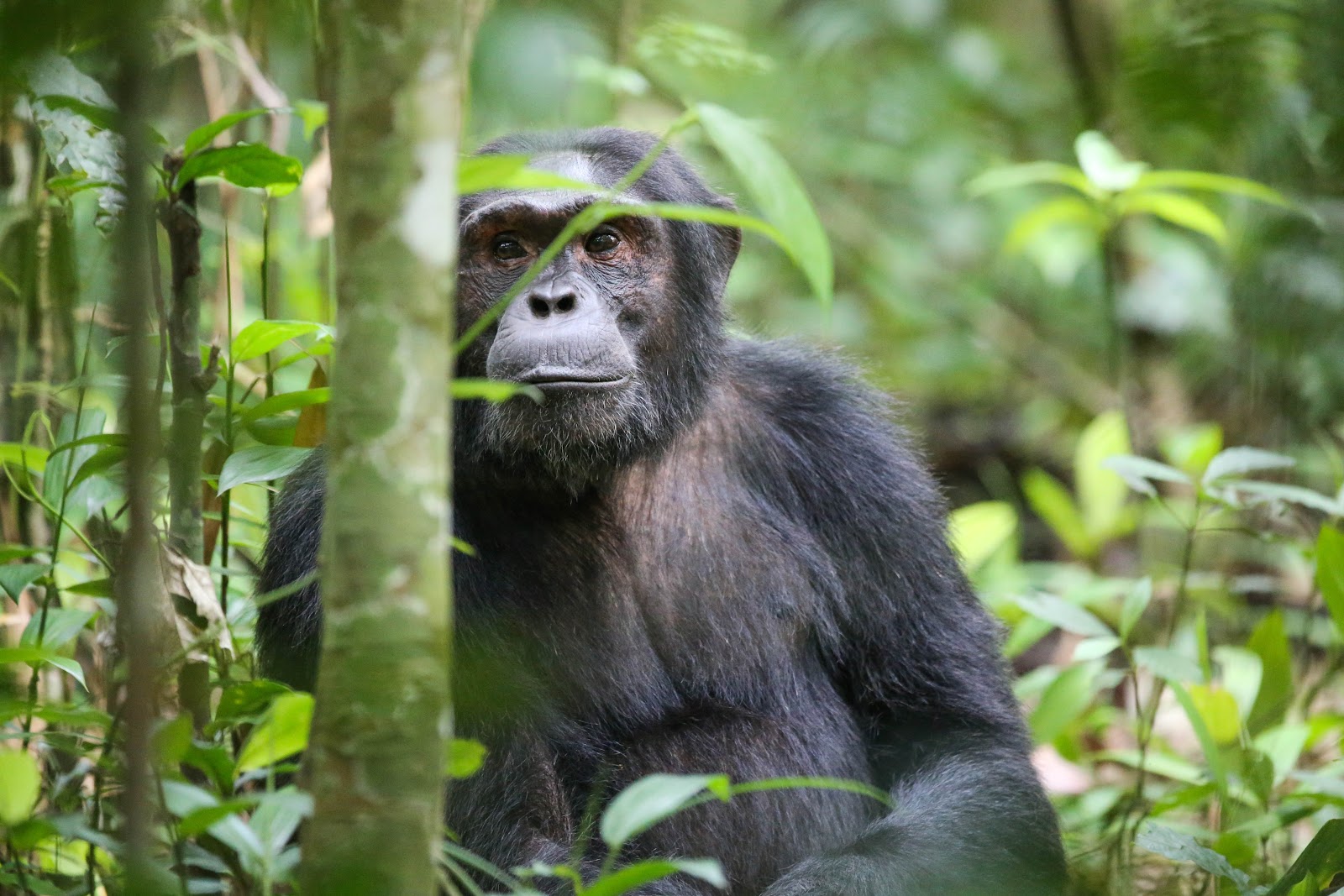
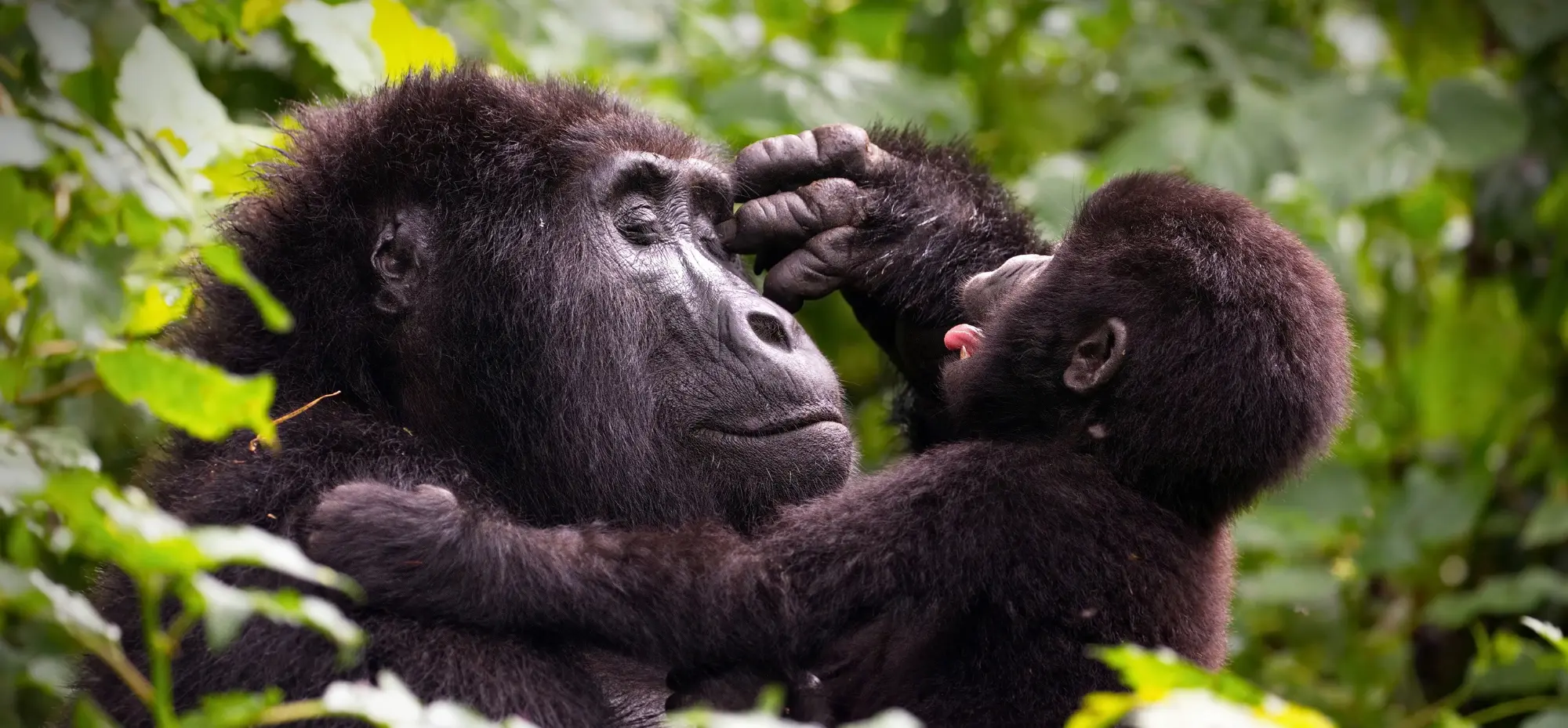
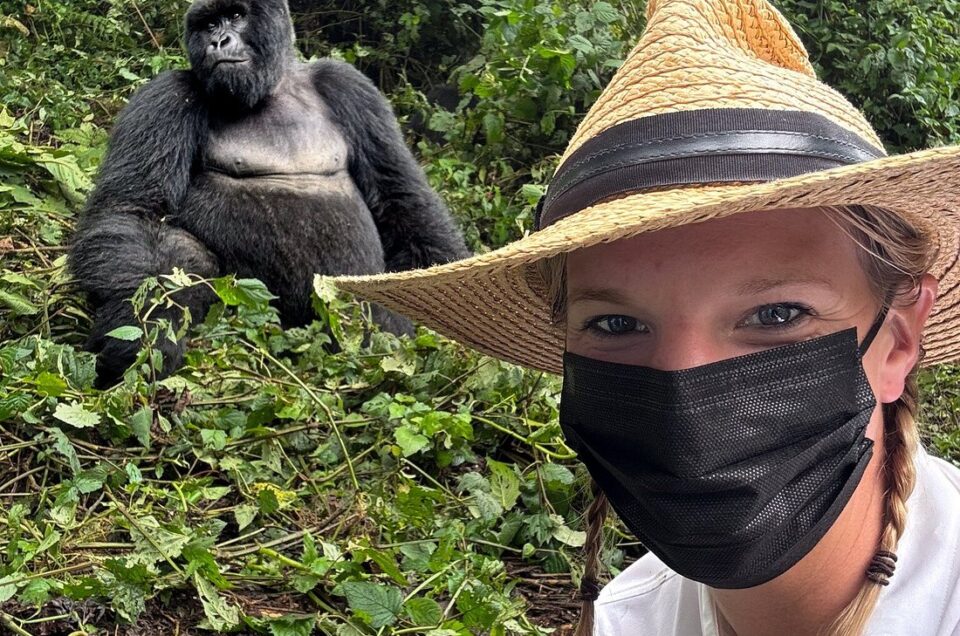
Yes, a 5-day Uganda safari can give you an incredible wildlife experience, as long as you plan carefully and do not try to do too much at once. In five days, you can enjoy the main highlights, such as trekking mountain gorillas in Bwindi Impenetrable Forest, tracking chimpanzees in Kibale or Kyambura Gorge, and taking at least one boat safari or game drive to see hippos, elephants, and other wildlife.
However, fitting all of these experiences into just five days can make your schedule very full and leave little time to relax. If you can, adding an extra day or two is a great idea.
This allows you to move at a slower pace, enjoy each activity fully, and really appreciate Uganda’s breathtaking landscapes, amazing wildlife, and unique experiences. A few extra days give you time to soak in the beauty around you and make your safari more memorable.
Where should I go on a 5-day Uganda safari?
For a 5-day Uganda safari, the most popular route heads southwest from Entebbe or Kampala.
It usually combines Bwindi Impenetrable Forest and Queen Elizabeth National Park, with optional chimp trekking and a stop at Lake Mburo National Park. Bwindi is famous for gorilla trekking, but you can also see monkeys, many birds, and enjoy scenic forest walks.
In Queen Elizabeth, take a boat safari along the Kazinga Channel and go on game drives in the Ishasha sector to see the unique tree-climbing lions. You can include Kibale National Park, Uganda’s top spot for chimp trekking. For shorter travel, Kalinzu Forest Reserve or Kyambura Gorge near Queen Elizabeth also have healthy chimp populations and beautiful scenery.
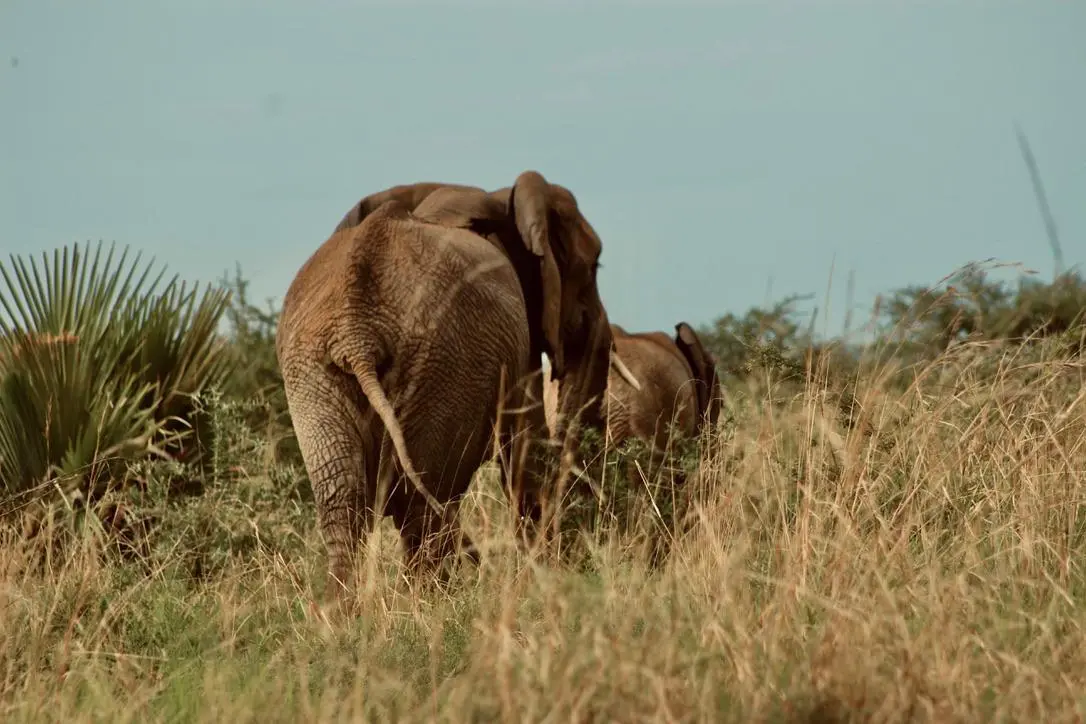
If gorilla trekking isn’t your goal, Murchison Falls National Park is a stunning alternative. Here, you can see four of the Big Five—lion, leopard, elephant, and buffalo—on boat trips along the Nile or on game drives north of the falls. You can also combine it with Ziwa Rhino and Wildlife Ranch or chimp trekking in Budongo Forest for a fuller safari experience.
For travelers seeking off-the-beaten-path adventures, Kidepo Valley National Park in the remote northeast is perfect. Its open savannahs are home to lions, leopards, elephants, buffalo, and zebras. A stop at Ziwa Rhino and Wildlife Ranch is highly recommended along the way.
It offers one of the rare chances to track white rhinos on foot. With this itinerary, a 5-day Uganda safari is full of wildlife, stunning landscapes, and unforgettable encounters. It gives you a mix of gorillas, chimps, big-game sightings, and beautiful scenery, all in a short but packed adventure.
Which animals am I likely to see?
The wildlife you see on a 5-day Uganda safari depends on your chosen itinerary.
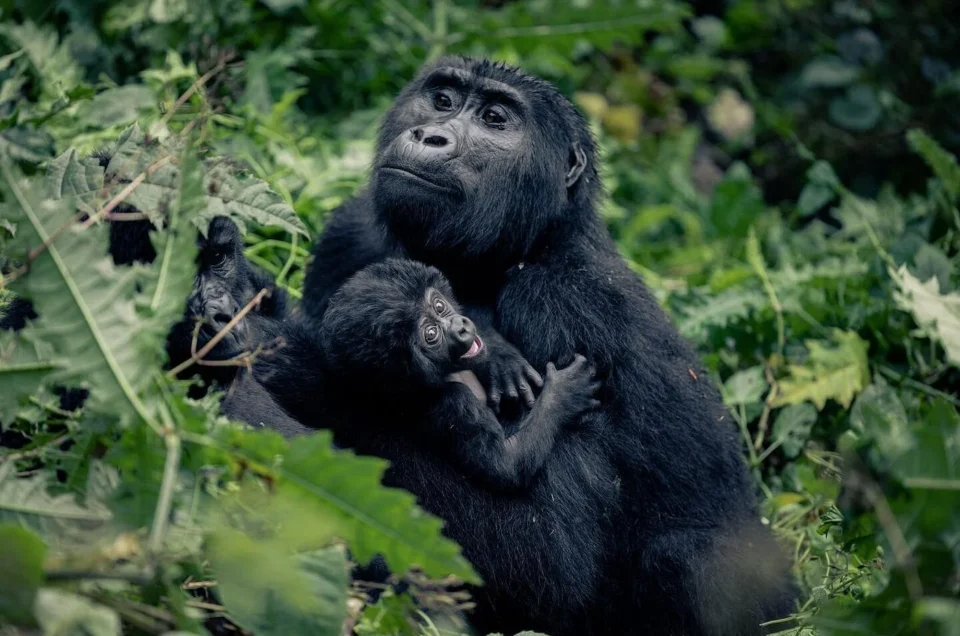
If your tour includes Bwindi Impenetrable and Queen Elizabeth National Parks, you can almost certainly see mountain gorillas, elephants, buffalo, hippos, warthogs, and Nile crocodiles. You will also spot many antelope species, including the endemic Uganda kob, and monkeys such as Angola colobus, olive baboons, and vervet monkeys. In Queen Elizabeth, lions are often seen, and lucky visitors may glimpse leopards or giant forest hogs. Chimp trekking gives an 80–90% chance of seeing chimps up close.
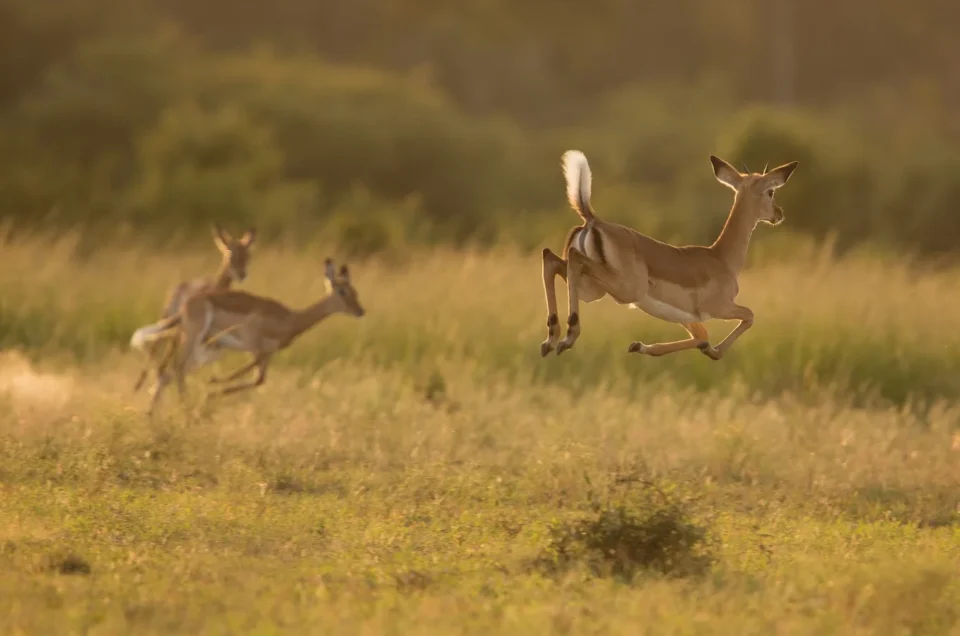
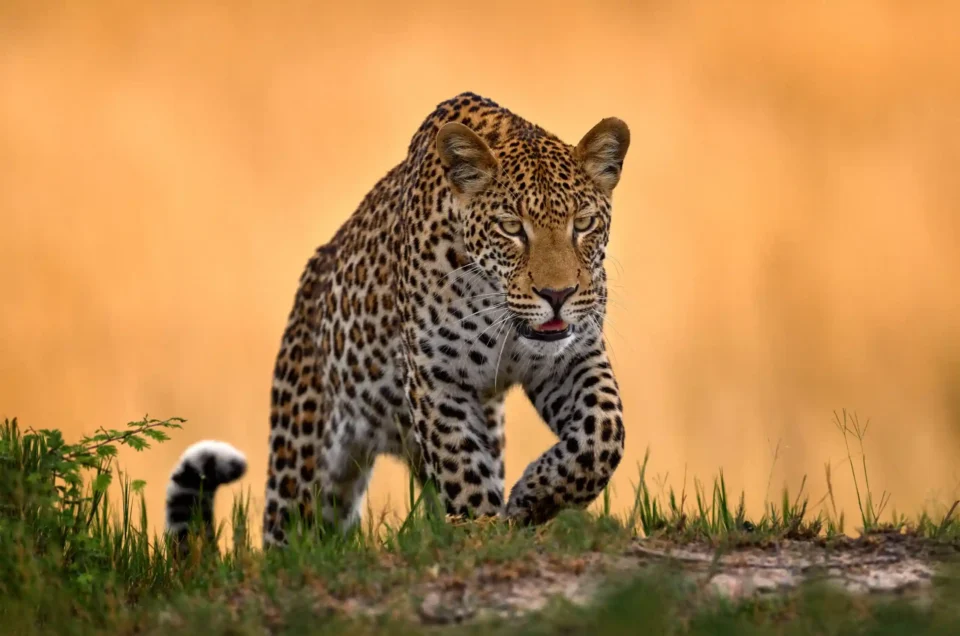
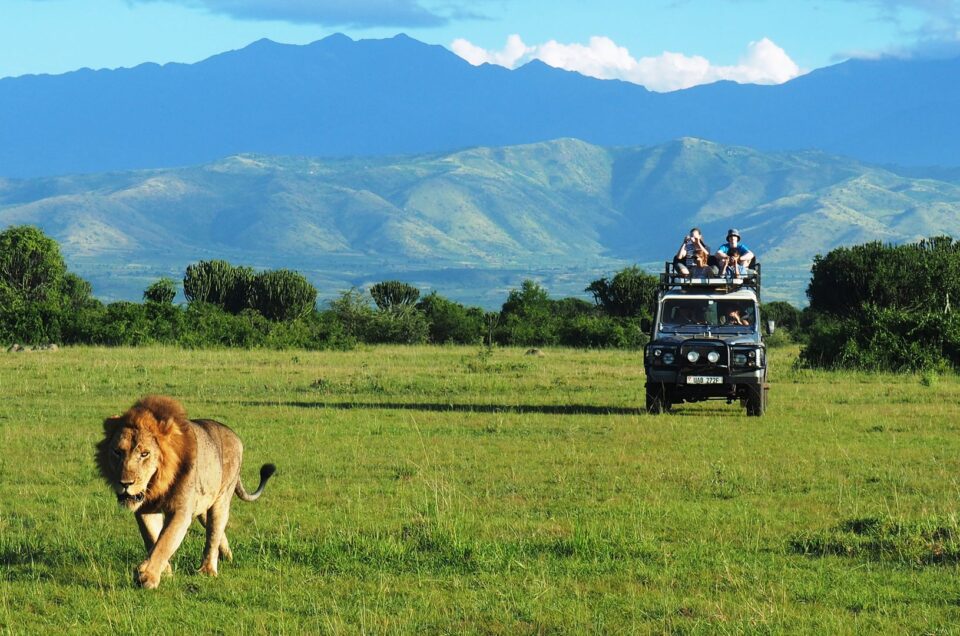
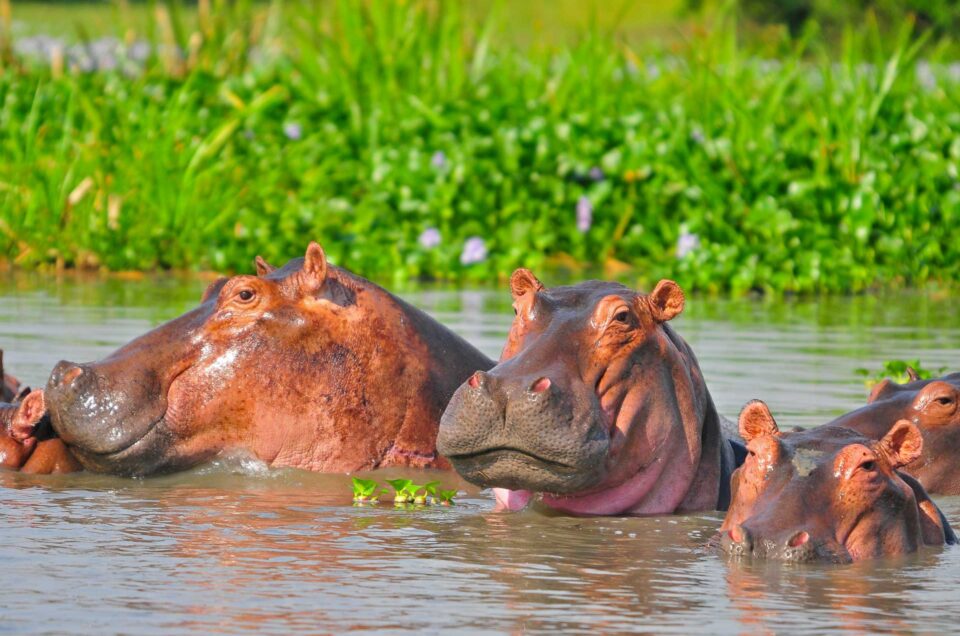
If your safari goes north to Murchison Falls or Kidepo Valley National Parks, you’re almost guaranteed to see elephants, buffalo, lions, giraffes, warthogs, patas monkeys, and many antelope species. Hippos and Nile crocodiles are common along the Nile in Murchison Falls, while Kidepo Valley hosts large herds of zebra. Leopards are present in both parks but are rarely spotted.
For white rhinos, a guided trek at Ziwa Rhino and Wildlife Ranch almost always delivers a sighting. Chimp trekking in Budongo Forest, near Murchison Falls, also has a high success rate. Beyond large mammals, Uganda is a paradise for birdwatchers. Hundreds of colorful tropical birds can be spotted wherever you go.
What are the options to extend my 5-day Uganda Tour?
If you have an extra day or two after your 5-day safari, Uganda offers many exciting options. Adventure seekers can try white-water rafting on the Nile near Jinja. You can also take a boat trip into Mabamba Swamp to see the rare and fascinating shoebill. For a slower pace, Lake Bunyonyi offers calm waters and stunning views—a perfect place to relax. If you want to expand your safari beyond Uganda, you can combine gorilla and chimp trekking with a Big Five safari in Tanzania or Kenya. For travelers who love sun and beaches, a trip to Zanzibar Island in the Indian Ocean makes an ideal tropical extension.
What is the best time of the year to visit Uganda?
The best time to visit Uganda is during the dry seasons, from June to August and December to February. These months are perfect for gorilla trekking and rainforest hikes in the southwest.
Wildlife viewing in savannah parks is also at its best. With less rain, boat trips, game drives, and other outdoor activities are easier and more enjoyable. Gorilla and chimp trekking is still possible during the wet season, from March to May. However, heavy rains make trails slippery and some activities harder to enjoy. For first-time visitors, it’s usually best to avoid these months.
How much will a 5-day Uganda safari cost?
The cost of a 5-day Uganda safari depends on your itinerary and level of comfort.
Budget safaris without gorilla or chimp trekking usually start just above US$1,000 per person. If your safari includes a gorilla trekking permit, prices generally range from US$2,000 to US$2,500 per person. For a luxury experience with high-end lodges and domestic flights, expect to pay at least US$3,500.
Most Uganda safari packages are all-inclusive. They cover accommodation, park fees, transport, and guided activities. Extra costs usually include drinks, tips, and personal expenses.
If you want, I can also rewrite your 1- to 4-day safari cost sections in the same style so your entire Uganda safari guide is consistent and easy to read. Do you want me to do that?
Best 5 Day Uganda Tour Packages
TOP Destinations
Safaris BY Type
Safaris by length
Choose Uganda Safaris
Typing...
Dreaming of a trip through Uganda? We would be happy to put together an unforgettable tour for you. Feel free to send us a message. 🦍
Contact Us
1
Chat